Learning Spanish quickly at home without the guidance of a teacher is entirely achievable with the right strategies and resources. By adopting effective self-study techniques and organizing your daily practice, you can accelerate your language acquisition journey while maintaining flexibility and independence.
This comprehensive guide explores proven methods, essential materials, and immersive techniques to help you master Spanish efficiently from the comfort of your home. Whether you’re a beginner or looking to improve your skills, these practical tips will empower you to learn effectively without formal instruction.
Effective Methods for Learning Spanish at Home Without a Teacher
Mastering Spanish independently at home is entirely achievable through strategic self-study techniques. With dedication, the right tools, and a structured approach, learners can attain fluency efficiently without the need for formal instruction. Combining proven methods ensures consistent progress and boosts confidence in speaking, listening, reading, and writing skills.
In this section, we explore practical strategies and a systematic plan to organize daily language practice. Additionally, a comprehensive comparison of popular self-learning tools and applications will guide learners in selecting resources tailored to their needs, maximizing their Spanish learning journey at home.
Proven Self-Study Techniques for Rapid Spanish Mastery
Effectiveness in self-learning hinges on employing techniques that promote active engagement, retention, and practical application of the language. These methods emphasize consistency and immersion, even within a home environment.
- Consistent Daily Practice: Dedicate specific time blocks each day for language activities. Regular exposure, ideally 30-60 minutes, reinforces vocabulary and grammatical structures.
- Immersive Listening and Reading: Engage with Spanish media such as podcasts, music, audiobooks, and news articles. Reading Spanish books, blogs, or subtitles enhances vocabulary and contextual understanding.
- Active Speaking and Writing: Practice speaking aloud via self-recording or language exchange apps. Maintain a daily journal in Spanish to improve writing skills and sentence formation.
- Use of Flashcards and Spaced Repetition: Implement tools like Anki to memorize vocabulary efficiently. Regular review with spaced repetition algorithms boosts long-term retention.
- Interactive Language Exercises: Complete online grammar exercises, quizzes, and language games to reinforce concepts and track progress.
Step-by-Step Plan for Daily Language Practice
Organizing daily activities ensures balanced development across all language skills. This structured plan helps maintain motivation and measure progress over time.
- Morning Session: Spend 15-20 minutes listening to a Spanish podcast or song to improve auditory comprehension and familiarize with pronunciation nuances.
- Midday Practice: Dedicate 20-30 minutes to vocabulary building using flashcards or vocabulary apps, focusing on thematic words such as travel, food, or business.
- Afternoon Reading: Allocate 20 minutes for reading a Spanish article, book chapter, or news outlet, noting new vocabulary and grammatical structures.
- Evening Speaking and Writing: Engage in 10-15 minutes of speaking practice by self-recording or conversing with language partners via apps. Follow with 10 minutes of journaling in Spanish to consolidate grammar and vocabulary usage.
Adjust this schedule based on personal availability, but maintaining consistency is key to fast progress.
Comparison Table of Self-Learning Tools and Apps for Spanish
This table presents a variety of popular resources, highlighting their features, strengths, and ideal use cases to facilitate informed choices in self-study.
| Tool/Application | Primary Focus | Strengths | Ideal For |
|---|---|---|---|
| Duolingo | Vocabulary, basic grammar, interactive exercises | User-friendly interface, gamified learning, free access | Beginners and casual learners seeking daily practice |
| Anki | Spaced repetition flashcards | Highly customizable, effective for memorization | Vocabulary acquisition and retention |
| Babbel | Conversational skills, grammar, vocabulary | Structured lessons with cultural context, paid subscription | Intermediate learners aiming for practical conversation skills |
| LingQ | Listening, reading, vocabulary through authentic content | Extensive library of real-world material, personalized learning path | Intermediate to advanced learners seeking immersion |
| Pimsleur | Listening and speaking proficiency | Audio-based lessons focusing on pronunciation and oral skills | Learners prioritizing speaking and auditory comprehension |
“Integrating multiple tools tailored to your specific learning goals accelerates mastery and sustains motivation.” — Language Learning Experts
Essential Resources and Materials for Independent Learning
Building a solid foundation in Spanish requires access to high-quality resources tailored to beginners. By selecting appropriate books, online courses, and audio materials, learners can establish a comprehensive learning environment at home that supports consistent progress and engagement. The right combination of materials not only enhances understanding but also keeps motivation high throughout the learning journey.
Effective self-study hinges on choosing resources that match your current proficiency, learning style, and goals. Prioritizing reputable sources ensures access to accurate language use, structured lessons, and engaging content. This section offers guidance on selecting quality materials and presents a curated list of recommended resources to facilitate independent learning in Spanish.
Recommended Books, Online Courses, and Audio Resources
When exploring resources for learning Spanish independently, it is essential to select materials that are comprehensive, user-friendly, and suited for beginners. The following resources have been widely recognized for their effectiveness and accessibility:
- Books: “Easy Spanish Step-By-Step” by Barbara Bregstein provides a structured approach to grammar and vocabulary suitable for beginners. “Practice Makes Perfect: Spanish Verb Tenses” offers practical exercises to master conjugations and sentence construction.
- Online Courses: Platforms like Duolingo, Babbel, and Rosetta Stone offer interactive lessons focusing on vocabulary, grammar, and pronunciation. These courses often include gamified elements that sustain learner engagement.
- Audio Resources: Pimsleur’s Spanish audio courses emphasize pronunciation and conversational skills through listening and repeating exercises. Additionally, podcasts like “Coffee Break Spanish” and “Duolingo Spanish Podcast” provide real-life dialogues and cultural insights.
Using varied resources enhances the learning experience by exposing learners to different formats and contexts. Combining reading materials with audio practice supports both receptive and productive skills, fostering a well-rounded command of the language.
Selecting Quality Materials for Beginners
Choosing appropriate learning materials for beginners involves assessing several key factors. Effective resources should feature clear explanations, gradual difficulty progression, and engaging content that maintains motivation. It is advisable to look for materials developed by reputable educators or institutions, as they are more likely to provide accurate and pedagogically sound content.
Prioritize resources that include interactive components, such as quizzes or practice exercises, to reinforce learning and track progress.
Beginner-friendly books and courses should emphasize foundational grammar, essential vocabulary, and pronunciation. Audio resources should enable learners to practice listening and speaking, ideally mimicking real-life conversations. When selecting materials, consider reviews, course syllabi, and sample lessons to ensure they align with your specific learning pace and style.
Resource Types, Sources, and Access Methods
To streamline your resource selection process, the following table summarizes common resource types, available sources, and ways to access them:
| Resource Type | Sources | Access Methods |
|---|---|---|
| Books | Online bookstores (Amazon, Book Depository), local libraries, educational publishers | Purchase physical copies, e-books, or borrow from libraries |
| Online Courses | Duolingo, Babbel, Rosetta Stone, Coursera, EdX | Subscription-based or free access via websites or mobile apps |
| Audio Resources | Pimsleur, Michel Thomas, Podcasts (Coffee Break Spanish, Duolingo Spanish Podcast) | Download for offline listening, streaming through apps, or via podcast platforms |
| Mobile Apps | Duolingo, Memrise, Busuu, HelloTalk | Download from app stores; available for iOS and Android devices |
| Websites and Platforms | SpanishDict, FluentU, LingQ | Access through web browsers; many offer free trials or freemium models |
Practicing Listening and Speaking Skills at Home

Enhancing listening and speaking abilities is crucial for achieving fluency in Spanish, especially when studying independently at home. Developing these skills allows for more natural communication and helps reinforce vocabulary, pronunciation, and comprehension. Incorporating consistent practice routines and utilizing effective resources can significantly accelerate language acquisition, making learning both engaging and rewarding.
By actively engaging in listening to authentic Spanish audio content and practicing speech regularly, learners can improve their understanding of different accents, intonations, and conversational flows. Employing specific techniques tailored to independent practice ensures steady progress and boosts confidence in real-world communication scenarios.
Techniques to Improve Listening Comprehension Using Podcasts and Videos
Listening comprehension can be significantly enhanced by incorporating diverse audio and video resources into daily routines. These materials expose learners to authentic language use, colloquialisms, and various accents, which are essential for understanding real-life conversations.
- Start with slower-paced podcasts or videos designed for language learners, then gradually transition to native content with natural speech speed.
- Use transcripts or subtitles initially to follow along, gradually reducing reliance on them as comprehension improves.
- Pause and replay challenging segments to focus on understanding specific phrases, pronunciation, or unfamiliar vocabulary.
- Practice active listening by taking notes on new words, expressions, or key ideas presented in the audio or video.
- Engage with content relevant to personal interests to maintain motivation and contextual understanding.
Consistently exposing oneself to a variety of topics and speech styles broadens vocabulary and enhances the ability to grasp different accents and colloquial expressions. Regular listening practice can be integrated into daily routines, such as during commutes, chores, or exercise, ensuring steady exposure and gradual improvement.
Strategies to Practice Speaking Confidently Alone or with Language Partners
Achieving fluency requires active speaking practice, which can be effectively done alone or with a partner. Developing confidence involves creating opportunities for speaking that simulate real conversations and progressively challenging oneself to speak more fluently and accurately.
- Practice speaking aloud daily by describing activities, narrating stories, or summarizing content learned from listening materials. Use mirror practice to observe mouth movements and facial expressions.
- Record your speech to evaluate pronunciation, intonation, and fluency. Listening to recordings helps identify areas for improvement and track progress over time.
- Engage in shadowing exercises, where you mimic audio recordings word-for-word, focusing on pronunciation, rhythm, and intonation.
- Join language exchange platforms or online conversation groups to practice speaking with native speakers or fellow learners, even if only virtually.
- Use language learning apps that incorporate speaking exercises with instant feedback, encouraging consistent practice and confidence building.
For solo practice, setting specific speaking goals, such as daily self-introductions or describing your day, helps create structure. When practicing with partners, active listening and responsive dialogue enhance conversational skills and cultural understanding. Regular, purposeful speaking exercises build fluency, reduce anxiety, and foster a more natural use of the language.
Suggested Listening Materials, Practice Routines, and Pronunciation Tips
| Listening Material | Practice Routine | Pronunciation Tips |
|---|---|---|
| Spanish Podcasts for Learners (e.g., “Coffee Break Spanish,” “Duolingo Spanish Podcast”) | Listen daily for 15–20 minutes, pause to repeat phrases, and jot down unfamiliar words. Gradually increase complexity. | Focus on mimicking the intonation and rhythm of native speakers. Pay attention to vowel and consonant sounds specific to Spanish. |
| Spanish YouTube Channels (e.g., “Butterfly Spanish,” “Dreaming Spanish”) | Watch videos actively, turn on subtitles initially, then try watching without them. Summarize content aloud afterward. | Practice rolling the “r” sound and proper pronunciation of tricky consonants like “ñ” and “ll” by listening repeatedly. |
| Authentic TV Shows and Movies with Subtitles | Watch with subtitles first, then without. Repeat challenging dialogues to improve fluency and pronunciation. | Slow down playback if necessary to catch pronunciation details, and mimic speech patterns during replay. |
| Self-Recorded Speech Practice | Set daily topics, record yourself speaking for 1–2 minutes, and analyze pronunciation and fluency. | Pay attention to stress and intonation patterns that convey meaning and emotion in Spanish. |
Incorporating these materials and routines into your daily schedule promotes gradual improvement in listening and speaking skills. Consistency, active engagement, and attention to pronunciation nuances are vital to developing a confident, fluent Spanish speaking ability from home alone or with partners.
Immersive Techniques and Cultural Integration for Self-Directed Learners
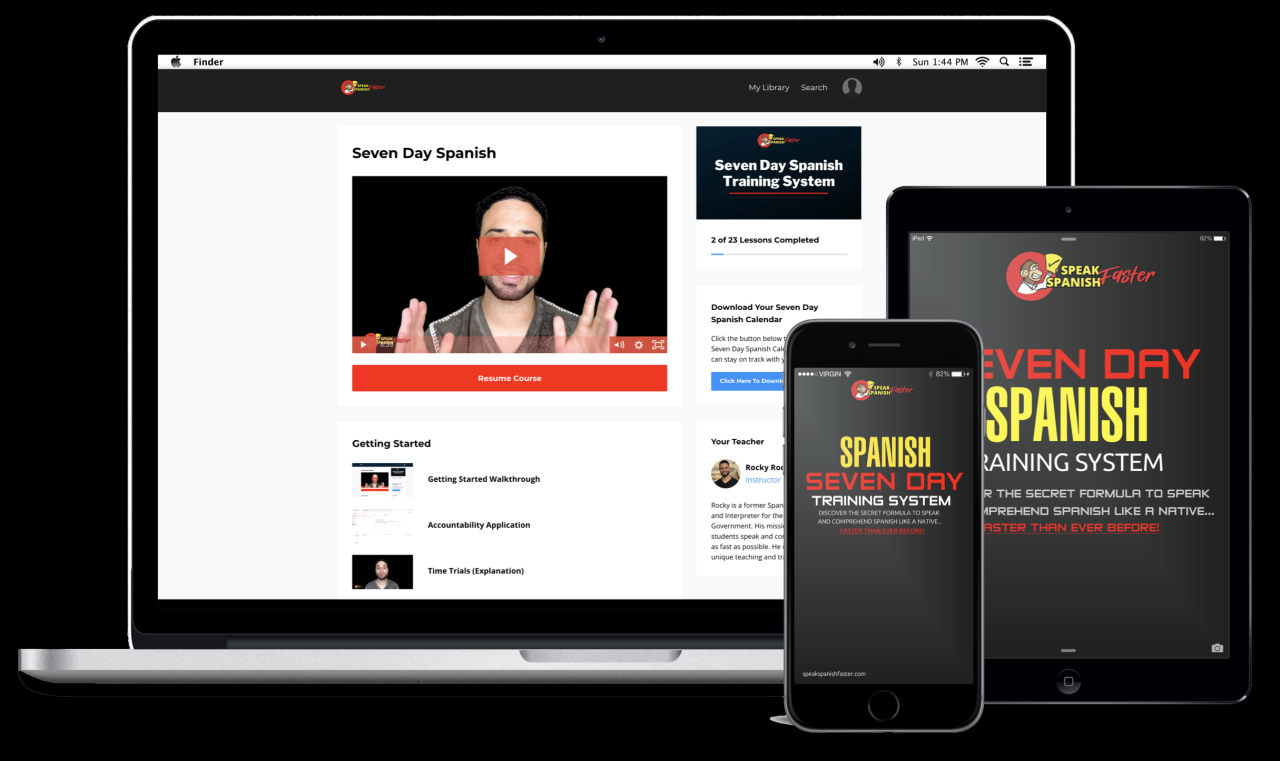
Engaging with a language on an immersive level significantly enhances fluency and cultural understanding. For independent learners, creating an environment that mimics natural language exposure is key to mastering Spanish efficiently without formal instruction. By integrating media, cultural knowledge, and real-time interactions, learners can develop a well-rounded proficiency that extends beyond vocabulary and grammar to include contextual usage and cultural nuances.
Effective immersive techniques involve leveraging various media platforms, incorporating cultural content into daily routines, and establishing connections with native speakers through online communities. These strategies foster active language use, deepen cultural appreciation, and build confidence in real-world communication scenarios.
Simulating Immersion Through Media, Music, and Reading
To replicate an immersive environment, learners should consume a diverse range of Spanish-language media. This includes watching movies, TV shows, and documentaries that showcase authentic dialogues and cultural settings. Subtitles in both Spanish and one’s native language can aid comprehension and vocabulary acquisition. Listening to Spanish music across genres exposes learners to colloquial expressions, regional dialects, and pronunciation patterns. Engaging with books, newspapers, and online articles in Spanish enhances reading skills and familiarizes learners with formal and informal language styles.
Consistency in media consumption allows learners to experience language in context, improving listening comprehension and pronunciation naturally. It is beneficial to select content aligned with personal interests, whether it be sports, cuisine, history, or current events, to maintain motivation and relevance in learning routines.
Incorporating Cultural Knowledge into Language Learning Routines
Understanding cultural contexts enriches language learning by providing meaning to idiomatic expressions, greetings, gestures, and social norms. Learners can incorporate cultural activities into their daily routines through cooking traditional recipes from Spanish-speaking countries, celebrating festivities like Día de los Muertos or Feria de Sevilla, and exploring regional customs virtually. Engaging with cultural content helps learners appreciate language variations and regional accents, fostering a more nuanced mastery of Spanish.
Regular interaction with cultural materials also enhances motivation, making language learning more engaging and authentic. Participating in online cultural forums, watching traditional dance performances, and reading about history and customs create a comprehensive cultural immersion that complements linguistic skills.
Engaging with Native Speakers Remotely or Through Online Communities
Connecting with native speakers is one of the most effective ways to develop conversational skills and cultural insights. Online language exchange platforms, such as Tandem, HelloTalk, or Speaky, facilitate real-time communication with speakers from diverse Spanish-speaking regions. These platforms allow learners to practice speaking, receive feedback, and learn idiomatic expressions directly from native users.
Joining virtual communities, forums, and social media groups dedicated to Spanish learners or cultural enthusiasts provides opportunities for discussion, language practice, and cultural exchange. Participating in live webinars, virtual meetups, or language practice groups enables consistent interaction, builds confidence, and exposes learners to diverse dialects and colloquialisms. Establishing regular conversations with native speakers helps learners adapt to different speaking speeds, accents, and informal speech patterns that are often challenging in self-study environments.
Closure
Embracing self-directed learning for Spanish offers the convenience of flexibility and personalized pacing. By utilizing the right resources, staying motivated, and practicing consistently, you can achieve your language goals efficiently. Remember, persistence and engagement are key to turning your learning journey into a rewarding experience.