Discovering how to learn Korean by watching dramas offers a dynamic and immersive approach to language acquisition. This method leverages the engaging storytelling and authentic dialogues found in Korean dramas, making the learning process enjoyable and natural. As viewers delve into various plotlines and cultural contexts, they develop listening comprehension and cultural awareness simultaneously, creating a rich environment for language practice.
By carefully selecting suitable dramas and employing effective viewing strategies, learners can significantly improve their vocabulary, pronunciation, and understanding of idiomatic expressions. Incorporating supplementary materials and maintaining consistent routines further enhance progress, transforming casual watching into a powerful educational experience that fosters confidence and fluency in Korean.
Introduction to learning Korean through dramas
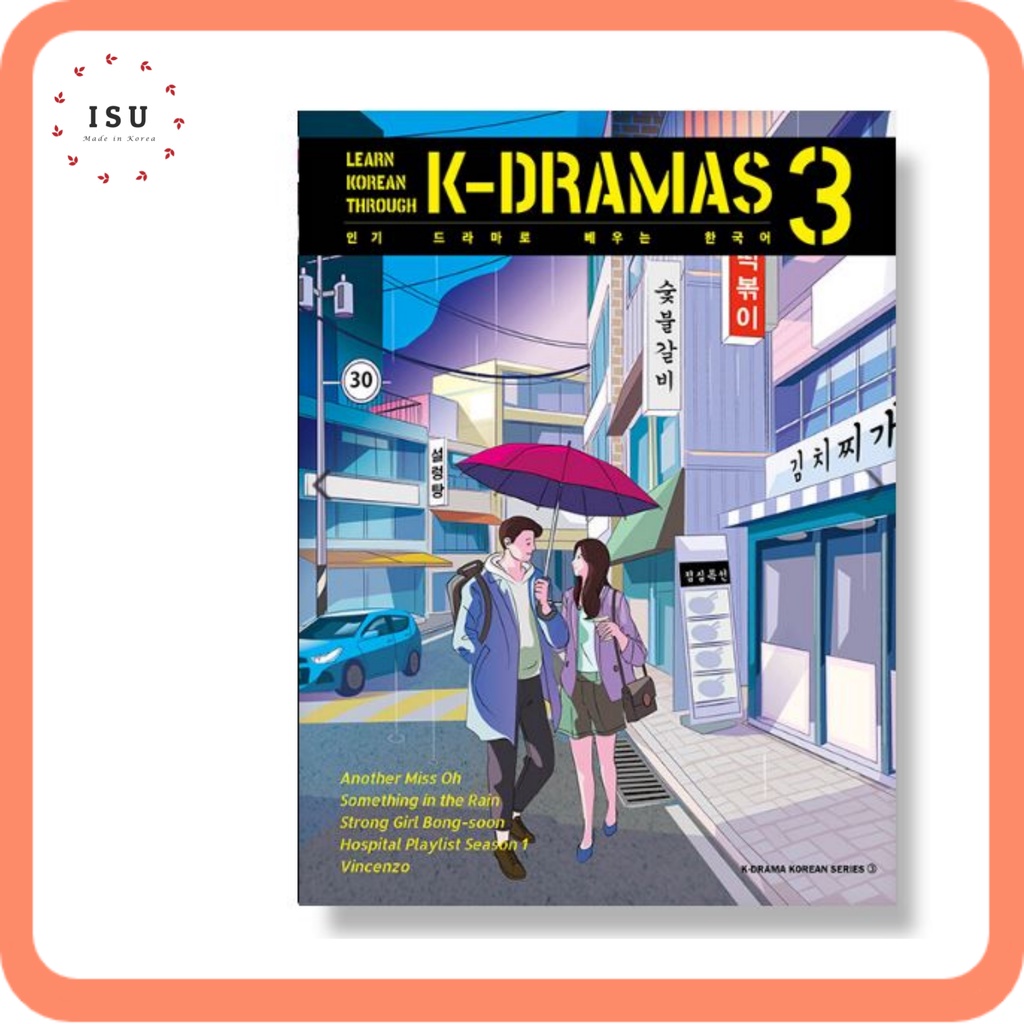
Using Korean dramas as a medium for language acquisition has gained significant popularity among learners worldwide. This approach combines entertainment with education, making the process of learning Korean both engaging and effective. Dramas offer a rich source of authentic language use, cultural nuances, and contextual expressions that are often absent in traditional classroom settings.
Historically, the global rise of Korean pop culture, particularly through the Korean Wave (Hallyu), has played a pivotal role in influencing language learning. As Korean dramas gained international popularity in the early 2000s, they became a natural resource for learners seeking to immerse themselves in the language. This cultural phenomenon has contributed to a broader understanding of Korean society, history, and social norms, enriching the language learning experience.
Benefits of using Korean dramas as a language learning resource
Integrating Korean dramas into language study routines offers multiple advantages that enhance both linguistic and cultural proficiency. These benefits include exposure to colloquial language, idiomatic expressions, and natural speech patterns that are often not taught in textbooks. Additionally, watching dramas improves listening skills and pronunciation, helping learners develop a more authentic accent and intonation.
Furthermore, dramas introduce cultural context, which deepens understanding of social norms, humor, and emotional expressions. This cultural immersion fosters greater engagement and motivation, making learning enjoyable and sustainable over time. Learners can also revisit scenes repeatedly, enabling reinforcement and better retention of new vocabulary and grammatical structures.
Historical influence of Korean dramas on language acquisition
Since the early 2000s, the global dissemination of Korean dramas has significantly impacted language learning trends. Platforms like YouTube, Netflix, and other streaming services have made Korean dramas accessible worldwide, breaking geographical barriers. This accessibility has led to an increase in non-native speakers seeking to learn Korean through visual media.
Research indicates that exposure to authentic language use in dramas accelerates language acquisition by providing context-rich environments. For example, viewers often pick up common expressions, slang, and pronunciation nuances from casual or conversational scenes. The impact is especially notable among young learners who relate closely to contemporary Korean culture depicted in dramas, resulting in higher motivation and faster learning progress.
Effective strategies for learning Korean by watching dramas
Engaging with Korean dramas offers a rich and immersive environment for language acquisition. To maximize learning outcomes, viewers should adopt active viewing techniques that promote comprehension, vocabulary retention, and cultural understanding. Implementing structured strategies transforms passive entertainment into a productive language learning experience, enabling learners to develop their listening skills, expand their vocabulary, and grasp idiomatic expressions naturally.
By following deliberate methods such as note-taking, repeated viewing, and strategic use of subtitles, learners can enhance their language proficiency while enjoying popular Korean dramas. Establishing a consistent routine and employing targeted techniques allow for a balanced approach that integrates entertainment with effective language practice, making the learning process engaging and sustainable.
Designing a step-by-step method for active viewing
Active viewing involves intentional engagement with the content, focusing on understanding and internalizing language patterns. The following structured approach ensures that each viewing session contributes meaningfully to language acquisition:
- Pre-watch preparation: Familiarize yourself with the episode’s context, characters, and key vocabulary. Look up cultural references or idiomatic expressions relevant to the scene to set a purpose for watching.
- Initial viewing without subtitles: Watch the scene once, focusing on comprehension and context. Avoid using subtitles initially to challenge your listening skills.
- Note-taking during re-watch: Play the scene again, this time taking notes on new words, phrases, or idiomatic expressions. Record the time stamps for easy reference later.
- Repeat viewing: Rewatch scenes multiple times, each time with a focus on specific language features, such as pronunciation or colloquial expressions, to deepen understanding.
- Post-viewing review: Review your notes, practice pronunciation, and try to use new vocabulary and expressions in your own sentences or conversations.
Techniques for identifying and practicing new vocabulary and idiomatic expressions
Enhancing vocabulary acquisition requires active identification and deliberate practice of new language elements encountered during drama viewing. The following strategies aid in this process:
- Contextual analysis: Pay close attention to how words and idioms are used in context to understand their meanings and nuances. For example, the phrase “눈치 빠르다” (being perceptive) often appears in scenes involving social cues.
- Creating personalized flashcards: Use digital tools like Anki or Quizlet to record new vocabulary and idioms, including example sentences and context notes. Regular review solidifies retention.
- Practice in varied situations: Incorporate newly learned expressions into daily conversations or writing exercises to reinforce usage and understanding.
- Imitation and shadowing: Repeat dialogues aloud, mimicking pronunciation and intonation to improve speaking fluency and internalize expressions naturally.
Using subtitles efficiently: from native subtitles to removing them
Subtitles serve as valuable tools in scaffolded language learning, guiding comprehension and vocabulary recognition. An effective approach involves a gradual reduction of dependency on subtitles:
- Start with native language subtitles: Watch dramas with subtitles in Korean to familiarize yourself with written forms of spoken language, emphasizing reading and listening simultaneously.
- Switch to Korean subtitles: Once comfortable, enable Korean subtitles to connect spoken and written language, aiding in spelling, grammar, and vocabulary recognition.
- Practice without subtitles: Challenge yourself to watch scenes without any subtitles, relying solely on listening skills. Use your notes to clarify misunderstood parts.
- Review and comprehension check: After viewing, verify your understanding by reviewing the script or transcript, if available, to consolidate learning and correct misinterpretations.
Developing a routine for integrating drama watching into daily language practice
Consistency and structured scheduling are key to making drama viewing an effective habit for language development. Consider the following routine elements:
- Set dedicated time slots: Allocate specific times during the day, such as 20-30 minutes in the evening, for watching dramas, ensuring regular exposure.
- Combine with active study sessions: Pair drama viewing with vocabulary review, note revision, or speaking practice to reinforce learning objectives.
- Vary content and difficulty levels: Mix genres, themes, and difficulty levels to broaden vocabulary and cultural understanding while maintaining engagement.
- Track progress: Keep a learning journal or log to record new words, expressions, and insights gained during each session, fostering motivation and continuous improvement.
Embedding drama viewing into a daily language practice routine transforms passive entertainment into an effective learning activity that nurtures listening, speaking, and cultural literacy over time.
Enhancing Listening and Comprehension Skills

Developing strong listening and comprehension abilities is essential for achieving fluency in Korean. Watching dramas provides an immersive environment that exposes learners to authentic speech patterns, cultural nuances, and everyday vocabulary. By actively engaging with the audio content, learners can significantly improve their understanding of spoken Korean, which is crucial for meaningful communication and confidence building in real-life situations.
Focused strategies and consistent practice are vital to leverage the full potential of drama-based learning. Repeated exposure to dialogues, varied accents, and speech speeds helps learners internalize pronunciation, intonation, and contextual language usage. The following methods, exercises, and tips can optimize the process of enhancing listening skills through Korean dramas.
Using Repeated Exposure to Improve Comprehension
Repeated listening to the same dialogues or scenes reinforces neural pathways associated with language processing, making understanding more automatic over time. This approach helps learners distinguish words and phrases in different contexts, increasing familiarity with colloquial expressions and regional variations. Incremental repetition, where learners revisit scenes multiple times, enables them to catch details missed initially, thereby strengthening overall comprehension.
Consistent exposure to authentic spoken Korean bridges the gap between passive listening and active understanding, fostering better vocabulary retention and contextual awareness.
Recognizing Different Accents and Speech Speeds in Dramas
Korean dramas feature a variety of accents and speech tempos that reflect regional differences, social contexts, and character backgrounds. Recognizing these variations enhances comprehension and prepares learners for real-world interactions where such diversity exists. Understanding the characteristics of different accents involves paying attention to pronunciation nuances, intonation patterns, and speech tempo.
For example, the Seoul standard dialect tends to be clearer and more standardized, while regional accents, such as Gyeongsang or Jeolla, may feature distinctive pronunciation shifts or intonation patterns. Speech speed can vary from slow, deliberate speech used in emotional or dramatic scenes to rapid, casual exchanges in everyday conversations. Familiarity with these differences allows learners to adapt quickly and interpret context more accurately.
Exercises for Shadowing Dialogue and Mimicking Pronunciation
Shadowing and mimicking are effective techniques to improve listening accuracy and pronunciation. These exercises require active participation and focused attention on the audio content, enabling learners to imitate native speech patterns closely. Integrating these exercises into regular practice enhances phonetic awareness, intonation, and overall fluency.
- Repeated Shadowing: Play a short scene or dialogue at a manageable speed, then repeat it immediately, trying to match the speaker’s pronunciation, rhythm, and intonation as closely as possible. Gradually increase the difficulty by reducing pauses or increasing speed.
- Pronunciation Mimicry: Pause after each sentence or phrase to analyze and replicate specific sounds, paying close attention to vowel and consonant pronunciation, pitch, and stress patterns.
- Intonation and Stress Practice: Record your shadowing attempts and compare them with the original audio. Focus on matching pitch variations and emphasis to sound more natural.
- Dialogue Drills: Break down dialogues into smaller chunks, practicing each segment repeatedly until comfort is achieved before progressing to longer passages.
- Accent Imitation Exercises: Select scenes featuring characters with distinct regional accents, and practice mimicking their speech to become familiar with diverse pronunciation styles.
Consistent shadowing and pronunciation exercises foster a more intuitive understanding of spoken Korean, making real-time comprehension more effortless and natural.
Improving Speaking and Pronunciation with Dramas

Watching Korean dramas is not only effective for developing listening skills but also a valuable tool for enhancing speaking and pronunciation. By actively engaging with the dialogues and mimicking actors, learners can adopt authentic pronunciation, natural intonation, and colloquial expressions. This immersive approach allows for a more nuanced understanding of speech patterns, rhythm, and emotional expression in Korean communication. Developing these skills through dramas builds confidence and fluency, enabling learners to speak more naturally and accurately in real conversations.To optimize language improvement, it is essential to incorporate specific activities that focus on mimicking and practicing pronunciation.
These activities help internalize accent, intonation, and speech flow, making spoken Korean more authentic and fluent.
Mimicking Actors’ Speech to Develop Accent and Intonation
Engaging in active mimicking of actors’ dialogues is a fundamental activity to improve pronunciation and intonation:
- Selective scene practice: Choose scenes with clear pronunciation, varied emotional tone, and natural speech patterns. Watch the scene multiple times to familiarize yourself with the rhythm and pronunciation.
- Repeat and shadow: Pause after each line and repeat exactly what the actor says, paying close attention to pronunciation, pitch, and emotional delivery. Shadowing involves speaking simultaneously with the actor to mimic speech flow accurately.
- Focus on intonation and emphasis: Notice how actors emphasize certain words and use pitch variations to convey emotion. Mimicking these nuances enhances natural speech production.
Recording and Comparing for Pronunciation Accuracy
Recording oneself is an effective method to evaluate and improve pronunciation:
- Record your practice sessions: Use a clear recording device to capture your voice while repeating lines from dramas. Ensure your pronunciation closely matches the original dialogue.
- Compare with original audio: Play back your recording alongside the actor’s original dialogue. Pay attention to differences in pronunciation, intonation, and rhythm.
- Identify areas for improvement: Note specific words or phrases where your pronunciation deviates. Focus on those areas in subsequent practice sessions.
- Repeat and refine: Practice the problematic lines until your pronunciation aligns more closely with the original. Re-record to validate your progress.
“Consistent self-assessment through recording fosters awareness of pronunciation nuances and accelerates improvement.”
Role-Play Exercises Based on Drama Scenes
Role-play exercises based on scenes from dramas deepen speaking skills by simulating real-life interactions:
- Choose relatable scenes: Select scenes that reflect everyday situations, such as ordering food, greeting friends, or making plans, to practice practical vocabulary and expressions.
- Assign roles and scripts: Take on specific character roles and memorize key lines, paying attention to tone and emotion conveyed in the scene.
- Practice with partners: Engage with language partners or tutors, performing the role-play aloud and providing feedback on pronunciation and delivery.
- Improvise variations: Once familiar with the scene, introduce variations or new dialogues to expand expressive abilities and spontaneous speech.
These role-playing activities simulate natural conversations, helping learners internalize pronunciation, develop confident speech, and adapt intonation to different contexts. Incorporating such exercises regularly fosters fluency and accent refinement grounded in authentic Korean speech patterns.
Learning Cultural Context and Idiomatic Expressions
Understanding the cultural nuances and idiomatic phrases embedded within Korean dramas significantly enhances language acquisition. By delving into cultural references and idioms, language learners can gain deeper insights into Korean society, traditions, and social norms, making their language skills more authentic and nuanced. This process involves analyzing plot elements, character interactions, and dialogues that reflect cultural practices and beliefs.
Immersing oneself in these cultural elements not only improves comprehension but also helps in grasping subtle humor, emotions, and societal values conveyed through idiomatic expressions. As Korean dramas often depict everyday life and social relationships, they serve as a rich resource for contextual learning of cultural references and colloquial language used by native speakers.
Analyzing Cultural References and Their Meanings
To effectively analyze cultural references within dramas, it’s essential to pay close attention to contextual clues provided by the plot, setting, and characters’ reactions. Cultural references may include traditional festivals, historical events, customary practices, or societal roles. Recognizing these elements aids in understanding their significance and how they influence character behavior and dialogue.
For instance, a scene depicting a traditional Korean wedding ceremony is not merely about the event but also about conveying values such as family loyalty and respect for elders. Annotating these moments by noting the cultural symbols, attire, and rituals enhances comprehension and helps relate these references to broader societal concepts.
Compiling and Memorizing Common Idioms and Slang
Building a personal repository of idiomatic expressions and slang used in dramas is crucial for achieving fluency and natural speech patterns. Regularly noting down idioms encountered during viewing—along with their meanings and usage contexts—facilitates active learning. Creating flashcards, digital notes, or a dedicated vocabulary list can streamline this process.
Revisiting these idioms repeatedly solidifies memory retention, and practicing their usage in speaking or writing helps internalize their applications. Recognizing slang and colloquialisms in dialogues enriches conversational skills and makes interactions with native speakers more authentic and relaxed.
Organizing a Cultural Notes Table
Structuring cultural notes linked to specific scenes or dialogues allows for organized learning and quick reference. A well-designed table can include columns such as the Scene Description, Cultural Reference, Explanation, and Related Vocabulary or Idioms. This format helps contextualize cultural elements, understand their significance, and recall them effectively during conversations.
| Scene Description | Cultural Reference | Explanation | Related Vocabulary/Idioms |
|---|---|---|---|
| A family gathering celebrating Chuseok (Korean harvest festival) | Traditional Chuseok customs | Depicts ancestor memorial rites and communal sharing, emphasizing filial piety and family bonds | 송편 (songpyeon – rice cake), 차례 (charye – ancestral memorial ceremony), 풍습 (customs) |
| Scene at a traditional Korean wedding | Jeonrye (traditional wedding rituals) | Shows the significance of filial duty, societal expectations, and respect for elders in marriage | 새댁 (new bride), 신랑 (groom), 예물 (wedding gift) |
| Dialogue involving someone offering a ‘jeong’ (deep emotional bond) | Concept of ‘jeong’ (affection, attachment) | Reflects the importance of emotional intimacy and social harmony in Korean culture | 정 (jeong), 마음 (mind/heart), 친근감 (familiarity) |
| Scene featuring a traditional Korean market | Market etiquette and trading customs | Highlights community interaction, bargaining culture, and respect for vendors | 흥정 (hngjeong – bargaining), 값 깎기 (price reduction), 인심 (generosity) |
Using supplementary materials to reinforce learning
Integrating supplementary resources alongside watching Korean dramas can significantly enhance language acquisition. These tools serve to reinforce vocabulary, improve retention, and deepen understanding of cultural nuances. By employing various study aids, learners can transform passive viewing into an active and engaging learning process, ensuring steady progress and long-term mastery of the language.Supplementary materials such as vocabulary lists, flashcards, and quizzes are essential components that help consolidate what learners absorb during their drama sessions.
These resources enable learners to revisit specific language elements, test their knowledge, and observe their progress over time. Creating a well-rounded study plan that incorporates these materials maximizes the benefits gained from drama-based learning.
Incorporating vocabulary lists, flashcards, and quizzes based on dramas
Using vocabulary lists, flashcards, and quizzes derived from drama content is an effective way to reinforce language lessons. These tools focus on the most frequently encountered words, idiomatic expressions, and cultural references, ensuring learners target relevant and practical language skills.
- Vocabulary Lists: Extract key words and phrases from dramas, especially those used in context, to create thematic lists. For example, compile words related to family, daily activities, or emotions, which are often recurrent in dramas. Organize these lists alphabetically or thematically to facilitate targeted review.
- Flashcards: Convert vocabulary lists into flashcards, with the Korean word on one side and the meaning, pronunciation, and example sentence on the other. Digital flashcard apps like Anki or Quizlet allow learners to customize decks, incorporate audio pronunciations, and use spaced repetition algorithms to optimize memorization.
- Quizzes: Develop short quizzes based on the vocabulary and expressions encountered in dramas. These can include multiple-choice questions, fill-in-the-blank exercises, or matching activities to test comprehension and recall. Regular quiz sessions help reinforce learning and identify areas needing further review.
Creating personalized study guides from drama content
Personalized study guides enable learners to tailor their learning process to their interests and proficiency levels, making practice more relevant and engaging. Developing these guides involves systematic extraction of content from dramas and organizing it into structured learning modules.
Steps for creating personalized study guides include selecting key scenes or episodes, noting down new vocabulary, idiomatic expressions, and cultural references, and creating thematic sections for focused practice.
- Identify specific scenes or dialogues that feature language points relevant to your learning goals.
- Transcribe and translate important lines, paying attention to pronunciation, intonation, and contextual usage.
- Organize vocabulary, expressions, and cultural notes into sections, such as “Common Idioms” or “Everyday Phrases.”
- Create exercises and revision notes based on the content, including fill-in-the-blank sentences, matching exercises, or shadowing practice sheets.
- Regularly update the guide with new content from subsequent dramas or episodes, ensuring ongoing relevance and challenge.
Online resources and communities for drama-based language learners
Numerous online platforms and communities support learners engaged in drama-based Korean language acquisition. These resources provide access to curated materials, peer support, and opportunities for practical application.
- Language Learning Forums and Social Media Groups: Platforms such as Reddit’s r/Korean or Facebook groups dedicated to Korean learners facilitate sharing drama recommendations, study tips, and resources. Engaging with community members fosters motivation and exposes learners to diverse learning strategies.
- Online Learning Platforms: Websites like Talk To Me In Korean and HowToStudyKorean offer supplementary lessons, vocabulary lists, and cultural explanations aligned with drama content. Many also feature forums and discussion boards for community interaction.
- Streaming Services and Subtitles: Subtitled dramas on platforms like Viki, Netflix, or KOCOWON enable learners to watch with multiple subtitle options, including Korean and native languages. Some platforms also provide viewer comments, quizzes, and discussion sections for deeper engagement.
- Resource Sharing Websites: Sites such as Memrise and AnkiWeb host pre-made flashcard decks related to popular dramas, which learners can download and customize. These decks often include audio files for pronunciation practice.
Tracking Progress and Maintaining Motivation
Engaging consistently with Korean dramas is an effective way to enhance language skills, but tracking progress and staying motivated are crucial elements to sustain this learning journey. Regular assessment helps in recognizing improvements, identifying areas needing focus, and setting realistic milestones. Simultaneously, maintaining enthusiasm prevents burnout and keeps the learning process enjoyable and rewarding. By implementing structured tracking methods and motivational strategies, learners can achieve steady progress while preserving their passion for learning Korean through dramas.
Effective language learners incorporate systematic methods to monitor their development across vocabulary acquisition, comprehension, and speaking abilities. These practices enable them to adjust their study routines, celebrate successes, and stay committed over the long term. Additionally, setting clear and measurable goals aligned with specific drama episodes or series can anchor progress and provide tangible milestones to work toward.
Designing a Progress Monitoring Chart
Creating a visual and organized chart is instrumental in tracking improvements comprehensively. The chart should encompass key skill areas such as vocabulary, comprehension, and speaking skills. For each area, learners can record their current proficiency level, set targets, and note achievements over time.
| Skill Area | Initial Level | Target Level | Achievements | Date of Review |
|---|---|---|---|---|
| Vocabulary | 150 words | 300 words | 250 words learned | 2024-10-15 |
| Comprehension | Can understand basic dialogues | Follow entire episodes with minimal subtitles | Understood 80% of recent episodes | 2024-10-15 |
| Speaking | Basic greetings and phrases | Self-introduction and common expressions | Practiced daily with language partner | 2024-10-15 |
This chart allows learners to visualize progress clearly, motivate continued effort, and identify specific areas requiring further practice. It can be updated weekly or after each episode or series completed, providing a tangible record of growth and perseverance.
Setting Achievable Goals Based on Drama Episodes or Series
Setting concrete, realistic goals tied to specific drama episodes or series enhances motivation and provides clear direction. Such goals should be tailored to individual proficiency levels and learning pace, avoiding overwhelming aspirations that can lead to frustration.
- Break down episodes into smaller language tasks, such as mastering key vocabulary, understanding main plot points, or mimicking dialogue pronunciation.
- Set goals for completing a certain number of episodes within a specified time frame, such as finishing three episodes per week.
- Focus on specific language elements in each episode, like idiomatic expressions, colloquialisms, or cultural references, and aim to incorporate them into daily practice.
- Use episode completion as a benchmark for progressing from beginner to intermediate, or intermediate to advanced levels, creating a clear sense of achievement.
Goals should be revisited regularly, adjusting difficulty and scope based on ongoing performance and confidence levels. Celebrating small successes, like understanding a scene without subtitles or accurately pronouncing a line, sustains motivation and ensures steady progress.
Motivational Tips for Sustaining Interest and Overcoming Challenges
Maintaining enthusiasm and resilience is essential to long-term language acquisition through dramas. Learners often encounter obstacles such as plateaus in progress, difficulty understanding fast speech, or losing interest over time.
- Reward milestones: Celebrate completing a season, mastering a set of vocabulary, or confidently mimicking dialogue, reinforcing positive behavior.
- Vary your activities: Mix watching dramas with active speaking practice, vocabulary quizzes, or cultural studies to keep the learning experience lively.
- Join language communities: Engage with fellow learners or native speakers through online forums or local clubs, sharing progress and encouraging each other.
- Keep a learning journal: Document challenges faced and strategies used to overcome them, providing insight and motivation to persist.
- Remind yourself of the purpose: Regularly revisit your reasons for learning Korean, such as traveling, work, or cultural interest, to reinvigorate your dedication.
- Set flexible goals: Recognize that setbacks are part of learning; adjust your expectations and maintain patience during difficult periods.
“Consistency and perseverance are the backbone of language mastery.” Recognizing small achievements along the way builds confidence and fosters a positive learning environment that keeps your passion alive.
Concluding Remarks

In conclusion, using Korean dramas as a learning tool provides a unique blend of entertainment and education that accelerates language mastery. With the right choices and techniques, learners can enjoy the journey while achieving their Korean language goals. Embracing this method opens up a world of cultural insights and linguistic skills, making language learning both effective and enjoyable.