Discovering how to learn spanish fast as a beginner can open up exciting opportunities for personal growth and cultural exploration. Whether you aim to communicate confidently or understand the rich nuances of the language, adopting effective strategies is essential for rapid progress. This guide provides a comprehensive overview of practical methods, resources, and immersive techniques to help you start speaking and understanding Spanish in the shortest possible time.
By focusing on efficient learning techniques, utilizing the right tools, creating an immersive environment, and maintaining a structured study schedule, beginners can accelerate their language acquisition journey. From building foundational vocabulary to practicing pronunciation, each step is designed to maximize learning outcomes and keep motivation high along the way.
Effective Techniques for Fast Language Acquisition as a Beginner
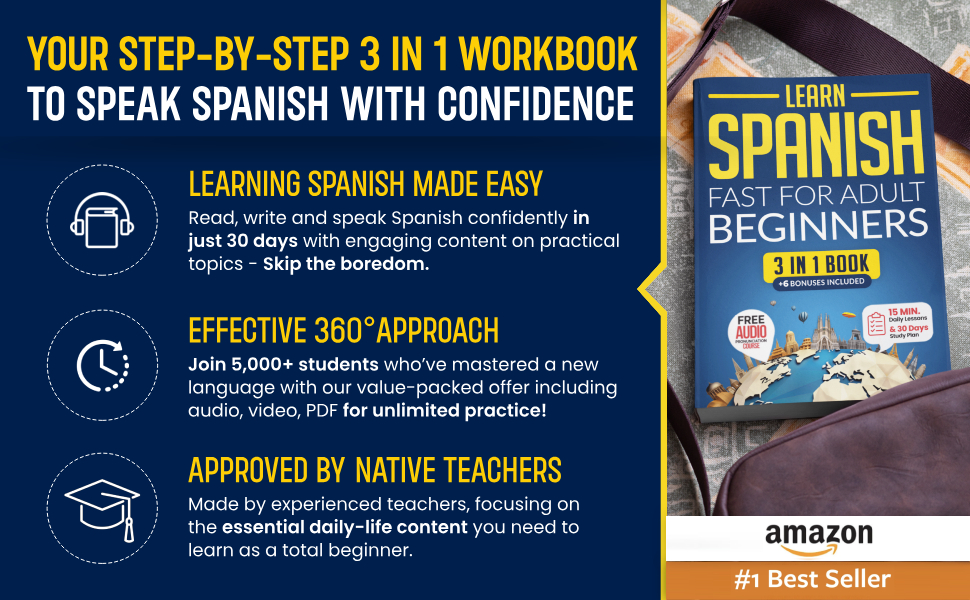
Embarking on the journey to learn Spanish quickly as a beginner requires strategic methods that maximize efficiency and retention. By adopting proven techniques and establishing daily routines, you can accelerate your language learning process and build confidence rapidly.
Implementing targeted strategies enables beginners to develop foundational vocabulary and grammar skills effectively. Combining active practice with consistent exposure ensures steady progress, making the learning experience both engaging and productive. Below are essential techniques designed to help you achieve fluency in a shorter period.
Utilize Immersive and Contextual Learning Methods
Immersion is one of the most effective ways to learn a new language rapidly. For beginners, this involves surrounding oneself with Spanish in daily life, even if not physically in a Spanish-speaking environment. Contextual learning emphasizes understanding language through real-life situations, which enhances memory and comprehension.
- Engage with multimedia resources such as Spanish movies, music, podcasts, and news broadcasts to familiarize yourself with natural speech rhythms and vocabulary usage.
- Practice language through interactive apps that simulate conversational scenarios, helping to solidify vocabulary within context.
- Use visual aids like flashcards with images and words to associate vocabulary with real-world objects and actions, facilitating quicker recall.
Implement a Step-by-Step Vocabulary and Grammar Building Process
A structured approach to vocabulary and grammar development ensures a strong linguistic foundation. Focusing on high-frequency words and essential grammatical structures allows beginners to communicate effectively early on.
- Begin with the most common Spanish words, such as greetings, numbers, days of the week, and everyday objects. Use flashcards or spaced repetition software to reinforce these words daily.
- Learn basic grammar rules, including verb conjugations in the present tense, gender agreements, and sentence structure. Focus on regular verb patterns first for consistency.
- Practice constructing simple sentences by combining vocabulary and grammar rules, gradually increasing complexity as confidence grows.
- Review regularly to prevent forgetting previously learned material, integrating new vocabulary into existing knowledge.
Consistent repetition and gradual complexity are key to internalizing vocabulary and grammar effectively.
Establish Effective Daily Routines for Accelerated Learning
Consistency is critical when learning a language quickly. Structuring daily routines around language practice ensures continual exposure and reinforcement, which leads to faster mastery.
- Dedicate specific time blocks each day for focused study, such as 30 minutes of vocabulary review, 20 minutes of grammar exercises, and 20 minutes of listening practice.
- Incorporate language practice into everyday activities—label household items with their Spanish names, think in Spanish during routine tasks, or narrate your actions aloud.
- Set achievable daily goals, like learning five new words or completing a grammar lesson, to maintain motivation and track progress.
- Engage with native speakers through language exchange platforms or conversational meetups to practice real-life communication and improve fluency.
By integrating these techniques and routines, beginners can create an effective learning environment that fosters rapid progress and builds a solid foundation for advanced Spanish skills.
Essential Resources and Tools for Rapid Spanish Learning

Embarking on a fast-track journey to learn Spanish requires leveraging the right educational resources and tools. These resources can significantly enhance your learning efficiency, providing structured guidance, interactive practice, and authentic language exposure. Selecting the appropriate platforms, apps, and textbooks tailored for beginners can make the process engaging, effective, and aligned with your goal of rapid acquisition.
Utilizing a combination of digital and traditional resources ensures a balanced approach—offering flexibility, multimedia engagement, and comprehensive coverage of vocabulary, grammar, and pronunciation. Effective use of these tools can accelerate your progress and build confidence in speaking, listening, reading, and writing in Spanish.
Top Online Platforms, Apps, and Textbooks for Beginners
Choosing the right resources involves understanding their features, costs, and usability. The following table compares popular options suitable for beginners aiming to learn Spanish quickly:
| Resource | Features | Cost | Usability |
|---|---|---|---|
| Duolingo | Gamified lessons, daily practice, interactive exercises, speech recognition | Free; optional premium subscription | |
| Babbel | Structured courses, real-life dialogues, grammar tips, cultural insights | Monthly subscription (~$12.95/month) | |
| Rosetta Stone | Immersive learning, pronunciation practice, speech analysis | Subscription (~$11.99/month) | |
| SpanishDict | Comprehensive dictionary, conjugation tools, grammar explanations | Free | |
| Textbooks (e.g., “Easy Spanish Step-By-Step”) | In-depth grammar, exercises, cultural context | Approx. $20-$30 |
Each resource has distinct strengths; for instance, Duolingo offers engaging daily practice suitable for beginners, while textbooks provide detailed explanations necessary for solid foundational understanding. Combining these tools allows for a well-rounded learning experience, enhances retention, and caters to different learning styles.
Strategies for Using Multimedia Resources Effectively
Multimedia resources such as videos, podcasts, and flashcards serve as powerful supplements to structured learning, providing authentic language exposure and reinforcing vocabulary and pronunciation skills. Strategic integration of these tools enhances retention and makes learning more dynamic.
“Active engagement with multimedia content accelerates language acquisition by mimicking real-life communication scenarios and stimulating multiple senses simultaneously.”
To maximize benefits:
- Videos: Incorporate Spanish language videos from platforms like YouTube or Netflix, focusing on content with subtitles. Watching dialogues and cultural programs improves listening comprehension and exposes learners to colloquial expressions.
- Podcasts: Listen to beginner-friendly Spanish podcasts during commutes or workouts. Repetition and contextual listening foster better understanding and pronunciation.
- Flashcards: Use digital flashcard apps such as Anki or Quizlet to memorize vocabulary. Regular review sessions help transfer words into long-term memory and facilitate quick recall during conversations.
Consistency is key: setting aside dedicated daily time for multimedia activities and actively engaging with content—such as shadowing speakers or participating in language exchanges—can significantly expedite your Spanish learning process.
Creating an Immersive Learning Environment at Home
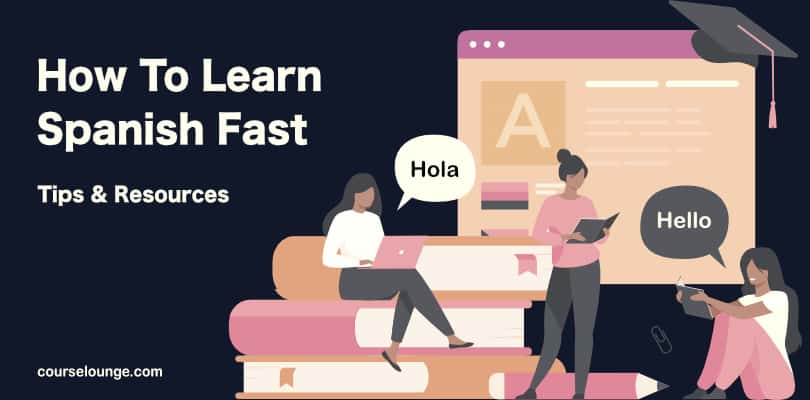
Establishing an immersive atmosphere for learning Spanish at home significantly accelerates language acquisition by integrating the language into everyday routines. This method transforms passive learning into active engagement, making vocabulary, grammar, and pronunciation more natural and intuitive. By designing various practical activities and leveraging available resources, beginners can simulate the experience of immersion without the need to travel to a Spanish-speaking country.
Implementing these strategies not only enhances listening and speaking skills but also boosts confidence and cultural understanding. A consistent, immersive environment encourages learners to think in Spanish, develop better pronunciation, and internalize grammatical structures more effectively, ultimately leading to faster and more sustained progress in language mastery.
Designing Daily Life Incorporations of Spanish
Creating a language-rich environment begins with integrating Spanish into daily routines through simple, consistent practices. Labelging household items with their Spanish names fosters passive vocabulary acquisition. Playing Spanish music during chores or relaxation times helps familiarize learners with pronunciation, rhythm, and intonation. Engaging in daily conversations, even if just with oneself or family members, encourages active use of the language.
- Label household objects such as “la mesa” (the table), “la puerta” (the door), and “la silla” (the chair) using sticky notes. This constant visual exposure reinforces vocabulary.
- Play Spanish radio stations, podcasts, or music playlists during daily activities to develop listening skills and attune the ear to different accents and speeds of speech.
- Incorporate Spanish into daily routines, such as narrating activities (“Voy a cocinar”
-I am going to cook) or describing surroundings and actions in Spanish. - Use flashcards or mobile applications to review vocabulary during short breaks, ensuring continuous reinforcement.
- Practice speaking out loud while performing tasks, so speech production becomes habitual, like saying “Estoy levantándome” (I am getting up) when waking up.
Simulating Immersion Without Travel
While physically traveling to a Spanish-speaking country provides authentic exposure, virtual methods can effectively replicate immersion experiences. Engaging with online communities and language exchange partners offers real-time conversational practice, critical for developing fluency and cultural understanding.
- Participate in language exchange platforms such as Tandem, HelloTalk, or Speaky, where learners connect with native speakers for conversation exchanges. Scheduling regular chats allows for authentic, spontaneous language use.
- Join online Spanish-speaking groups, forums, or social media communities dedicated to language learners or cultural topics. Engaging in discussions helps contextualize vocabulary and idiomatic expressions.
- Attend virtual cultural events, webinars, or online classes conducted in Spanish, which expose learners to diverse accents, idioms, and cultural nuances.
- Utilize video conferencing tools for virtual language meetups, which simulate face-to-face interactions and foster conversational confidence.
- Consume multimedia content such as Spanish movies, TV series, or documentaries with subtitles to practice listening comprehension and observe contextual language usage in real-world scenarios.
Practicing Listening and Speaking in Real-World Contexts
To develop conversational skills akin to real-life situations, learners must actively practice listening and speaking in contexts that mimic authentic interactions. This can be achieved through targeted activities that simulate everyday conversations and listening scenarios.
| Method | Description | Example |
|---|---|---|
| Role-Playing | Recreating common social interactions to practice vocabulary, phrases, and responses in context. | Simulating ordering food at a restaurant or shopping at a market with a partner or through self-dialogue. |
| Listening to Authentic Content | Engaging with real-world Spanish audio sources to improve comprehension and intonation recognition. | Listening to Spanish news podcasts, interviews, or radio shows, then summarizing or discussing the content aloud. |
| Speech Shadowing | Repeating after native speakers in real-time to improve pronunciation, rhythm, and intonation. | Using transcripts of dialogues or speeches and mimicking the speakers immediately afterward. |
| Conversation Practice with Partners | Scheduling regular conversations with native speakers or fluent learners to simulate natural dialogue. | Participating in virtual language exchanges or tutoring sessions focusing on spontaneous speaking. |
| Immersive Listening Environments | Creating scenarios where only Spanish is used, such as during specific hours or activities. | Setting a “Spanish hour” where all interactions, music, and media are exclusively in Spanish, encouraging immersive thinking. |
Incorporating these methods into daily routines and utilizing technology effectively transforms a basic learning space into an active, immersive environment. This approach accelerates language acquisition by promoting natural language use, cultural understanding, and contextual comprehension, essential for achieving fluency efficiently.
Developing a Customized Study Schedule for Quick Results
Creating a personalized study schedule is essential for maximizing your efficiency and ensuring consistent progress when learning Spanish as a beginner. Tailoring your timetable to fit your unique goals, availability, and learning preferences can significantly accelerate your language acquisition journey. A well-structured plan helps in maintaining motivation, avoiding burnout, and ensuring that all core language skills are systematically developed over time.A thoughtfully designed schedule balances dedicated practice for speaking, listening, reading, and writing, while accommodating your personal commitments.
It also involves strategic prioritization and time management techniques that adapt to your pace, helping you achieve rapid results without feeling overwhelmed. As a beginner, establishing a flexible yet disciplined routine paves the way for steady improvement and long-term retention.
Organizing a Weekly Plan Emphasizing Core Skills
Developing a weekly plan that targets all fundamental language skills ensures a comprehensive approach to Spanish learning. Allocate specific days or time blocks for each skill, considering your strengths and areas that require more focus. For example, dedicate Mondays and Thursdays to speaking practice through conversation exchanges or self-recordings, while Tuesdays and Fridays can focus on listening exercises such as podcasts or dialogues.
Reserve weekends for reading and writing exercises, including reading short articles, journaling, or vocabulary practice.A sample weekly Artikel could be:
- Monday: 30 minutes speaking practice + 20 minutes vocabulary review
- Tuesday: 30 minutes listening comprehension + 20 minutes grammar exercises
- Wednesday: 30 minutes reading and comprehension + 20 minutes writing exercises
- Thursday: 30 minutes speaking + 20 minutes listening
- Friday: 30 minutes reading + 20 minutes vocabulary expansion
- Saturday: Review of all skills, casual conversation practice, or engaging with media in Spanish
- Sunday: Rest or light review to consolidate learning
Adjust the durations based on your available time and energy levels, ensuring consistent, manageable daily goals that foster steady progress.
Time-Blocking Techniques and Prioritization Strategies for Busy Beginners
Time-blocking involves scheduling specific time periods for different tasks, which aids in minimizing distractions and increasing focus. For busy beginners, this method ensures that even limited time is used effectively. For instance, breaking your study sessions into 25-30 minute blocks with short breaks in between can maintain high levels of concentration, a technique often referred to as the Pomodoro Technique.Prioritization strategies help determine which skills or topics to focus on first.
Beginners should prioritize foundational skills like vocabulary and pronunciation early on, as these serve as building blocks for all subsequent skills. Using a matrix to categorize tasks based on urgency and importance can guide daily planning, ensuring that critical learning activities are addressed promptly.A practical approach includes:
- Designating specific daily time slots for focused practice, such as early mornings or lunch breaks.
- Setting clear, measurable goals for each session, like learning 20 new words or mastering a specific grammar point.
- Adjusting your schedule weekly based on progress and upcoming commitments, maintaining flexibility to prevent burnout.
This disciplined yet adaptable approach enhances learning efficiency, making it possible to achieve tangible results despite a busy schedule.
Comparison of Study Intensities and Their Impact on Learning Speed
Understanding how different study intensities affect learning speed allows learners to tailor their schedules effectively. Below is a responsive table comparing various study intensities, their typical time commitments, and the expected outcomes regarding progress in Spanish proficiency:
| Study Intensity | Weekly Study Duration | Focus Areas | Expected Learning Rate | Suitability |
|---|---|---|---|---|
| Light (1-2 hours/week) | 1-2 hours | Basic vocabulary, listening, casual practice | Slow but steady; suitable for casual learners and maintenance | Limited time, beginners with tight schedules |
| Moderate (3-6 hours/week) | 3-6 hours | Core grammar, vocabulary, regular speaking & listening | Moderate progress, suitable for motivated beginners | Recommended for most busy learners aiming for quick results |
| Intensive (7+ hours/week) | 7+ hours | Comprehensive practice, immersion, active speaking | Rapid progress, fast fluency gains, ideal for immersion | Suitable for learners with flexible schedules or urgent goals |
Note: Increasing weekly study time generally correlates with faster language acquisition, but consistency and quality of practice are equally essential. A balanced approach tailored to individual circumstances ensures sustainable progress and prevents burnout.
Practical Methods to Improve Pronunciation and Speaking Confidence

Mastering pronunciation and developing confidence in speaking are vital components of language acquisition, especially for beginners aiming to communicate effectively in Spanish. These techniques not only help in sounding more natural but also boost overall language fluency and self-assurance when engaging in conversations. Implementing practical, consistent methods can accelerate progress and make the learning journey enjoyable and rewarding.Pronunciation can be refined through targeted exercises that mimic native speech patterns.
Combining audio tools with shadowing techniques allows learners to internalize authentic pronunciation, rhythm, and intonation. Additionally, practicing specific exercises to clarify accents and enhance speech flow, along with engaging with native speakers or tutors, provides immediate feedback and real-world experience, solidifying speaking skills.
Mimicking Native Pronunciation with Audio Tools and Shadowing
Achieving native-like pronunciation requires attentive listening and active replication. The following step-by-step procedures can guide learners in this process:
- Select Authentic Audio Resources: Use high-quality recordings of native speakers, such as podcasts, language apps, or dialogues from movies. Focus on materials that match your proficiency level to ensure comprehensibility and effective mimicry.
- Active Listening and Repetition: Play the audio segment multiple times. Pay close attention to sounds, intonation, and rhythm. Repeat each segment aloud immediately afterward, trying to match the speaker’s pronunciation exactly.
- Implement Shadowing Technique: Once comfortable, playback the audio at normal speed and speak simultaneously with the recording. This practice enhances auditory processing and speech fluency. Gradually increase speed to match more natural speech patterns.
- Record and Compare: Use recording devices to capture your speech. Play back your recordings alongside the original audio to identify discrepancies and areas for improvement. Repeat this process regularly to track progress.
Exercises to Enhance Accent Clarity and Natural Speech Flow
Clear pronunciation and a smooth speech flow contribute significantly to confidence and comprehensibility. Consider these exercises to refine these aspects:
- Minimal Pair Practice: Focus on pairs of words that differ by a single sound, such as “pero” (but) and “perro” (dog). Practice saying these words repeatedly to distinguish subtle pronunciation differences, which sharpens accent clarity.
- Tongue Twisters and Phonetic Drills: Utilize Spanish tongue twisters that target specific sounds or syllable patterns. Repeating these helps develop muscle memory and improves articulation speed and clarity.
- Breath Control and Speech Rhythm Exercises: Practice controlled breathing to sustain speech without hesitation. Incorporate rhythmic reading, such as poetry or song lyrics, to enhance natural speech flow and intonation.
- Mirror Practice: Stand in front of a mirror to observe mouth movements and facial expressions when pronouncing difficult sounds. This visual feedback helps correct misarticulations and promotes more natural pronunciation.
Practicing with Native Speakers and Language Tutors Efficiently
Engaging regularly with native speakers or qualified tutors is crucial for contextual feedback and real-life practice. To maximize learning efficiency:
- Schedule Regular Conversations: Set consistent times for speaking practice, whether through language exchange meetups, online platforms, or tutoring sessions. Consistency fosters gradual improvement and confidence building.
- Prepare Topics in Advance: Prioritize relevant and practical topics to reduce hesitation and increase fluency. Preparing key vocabulary and phrases beforehand enables more natural interactions.
- Seek Constructive Feedback: Encourage native speakers or tutors to correct pronunciation errors and provide tips for improvement. Focus on specific sounds or intonation patterns that challenge you most.
- Record Sessions for Self-Review: With permission, record conversations to analyze pronunciation and speech flow afterwards. Recognize progress and identify persistent issues to target in future practice.
- Utilize Technology and Apps: Use language exchange apps or video conferencing tools that allow for real-time interaction. Combining these with in-person practice offers diverse exposure and adaptive learning opportunities.
Tracking Progress and Staying Motivated During the Learning Journey
Achieving fluency in Spanish as a beginner requires not only consistent effort but also effective strategies to monitor advancement and maintain enthusiasm. Recognizing milestones, celebrating achievements, and finding ways to stay engaged are essential components of a successful language learning process. Implementing systematic tracking and motivational techniques can significantly enhance your confidence and persistence, ultimately leading to more rapid mastery of the language.Tracking your progress provides tangible evidence of your efforts and helps identify areas needing improvement.
When combined with motivational strategies such as gamification, rewards, and social accountability, these methods create a dynamic learning environment that encourages ongoing commitment. Additionally, visual progress charts and achievement logs serve as powerful tools to boost self-confidence and reinforce a sense of accomplishment, making the journey toward Spanish fluency both rewarding and sustainable.
Effective Methods for Self-Assessment and Milestone Setting
Self-assessment is vital for understanding your current proficiency level and setting realistic, attainable goals. It involves regular reflection on your skills across listening, speaking, reading, and writing, ensuring a balanced development of competencies. Incorporating formal and informal assessments can help measure progress accurately.To establish effective milestones, it is helpful to break down your overall goal into smaller, specific objectives. Examples include mastering 100 common phrases within the first month, being able to hold a basic conversation after three months, or understanding a Spanish movie without subtitles after six months.
These milestones serve as checkpoints that motivate continued effort and provide clarity on your growth trajectory.Regularly recording your achievements through language tests, vocabulary quizzes, or speaking exercises allows you to evaluate progress objectively. Additionally, journaling about your daily practice and experiences helps in self-reflection, highlighting improvements and areas for adjustment.
Incorporating Gamification, Rewards, and Social Accountability
Adding elements of gamification transforms language learning into an engaging and interactive experience. Utilizing apps and platforms that feature points, badges, or leaderboards incentivizes consistent practice and fosters a sense of friendly competition. For instance, completing a series of daily vocabulary challenges can earn you virtual rewards, encouraging you to maintain daily habits.Rewards serve as motivational reinforcements. Setting up a system where you treat yourself to small rewards—such as enjoying a favorite snack or taking a short trip—upon reaching specific milestones sustains enthusiasm.
External accountability partners, such as language exchange partners, tutors, or learning groups, provide social encouragement and create a supportive environment. Sharing your progress with others not only enhances motivation but also adds a layer of accountability, making it less likely to postpone practice sessions.Engaging with communities of fellow learners through online forums or local meetups fosters social accountability. Celebrating each other’s successes and exchanging feedback cultivates a sense of belonging and shared purpose that bolsters perseverance.
Using Visual Progress Charts and Achievement Logs to Boost Confidence and Persistence
Visual tools such as progress charts and achievement logs serve as concrete representations of your journey, making abstract goals more tangible. Designing a simple chart that tracks daily or weekly tasks—like new vocabulary learned, hours dedicated to speaking practice, or comprehension scores—provides ongoing motivation.Achievement logs, whether digital or physical, record milestones and notable accomplishments. For example, noting the successful completion of a language challenge or the ability to hold a 10-minute conversation in Spanish reinforces your sense of achievement.
These logs help in recognizing patterns of improvement, maintaining motivation, and adjusting learning strategies as needed.Displaying visual progress, such as stickers on a calendar for each completed session or a colorful chart illustrating your overall advancement, can significantly boost your confidence. Seeing consistent progress encourages persistence, especially during challenging phases of learning. The act of regularly reviewing these visual tools reinforces your commitment and reminds you of how far you have come, making the pursuit of fluency more rewarding and attainable.
Epilogue
In summary, mastering how to learn spanish fast as a beginner involves a combination of strategic learning methods, resourcefulness, and consistent practice. With dedication and the right approach, you can achieve conversational fluency sooner than you might expect. Embrace the journey with confidence, and enjoy the rewarding experience of becoming proficient in Spanish.