Discovering how to learn Spanish for travel in Mexico opens the door to a richer, more authentic experience in this vibrant country. By acquiring essential language skills, travelers can navigate local interactions with confidence and enjoy a deeper cultural connection. This guide provides practical strategies and useful tips to prepare effectively for your journey.
From mastering basic vocabulary to understanding cultural norms, exploring effective learning methods ensures you are well-equipped for your adventure. Engaging with real-life scenarios and utilizing helpful resources will enhance your proficiency and make your trip more enjoyable and meaningful.
Basic Spanish Vocabulary for Travel in Mexico
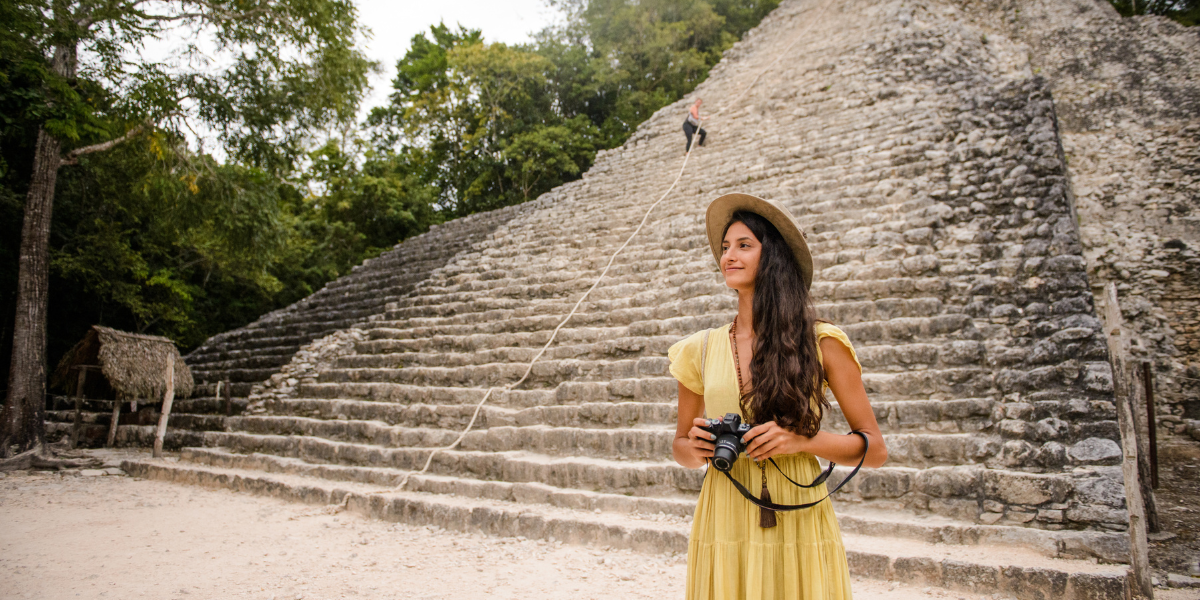
Embarking on a journey through Mexico requires more than just a map and a travel guide; basic knowledge of essential Spanish vocabulary can significantly enhance your experience. Familiarity with common words and phrases related to travel enables smoother communication with locals, helps navigate public services, and fosters meaningful interactions. This section provides a foundation of key Spanish vocabulary tailored for travelers exploring Mexico, ensuring you feel more confident and connected during your visit.
Learning these fundamental terms and expressions not only facilitates everyday interactions but also demonstrates respect for the local culture. From asking for directions to ordering food, mastering these basic phrases will serve as your linguistic toolkit for a more enjoyable and authentic travel experience across Mexico’s vibrant regions.
Essential Travel-Related Words and Phrases in Spanish
Below is a curated list of essential Spanish words and phrases commonly used by travelers in Mexico. Each entry includes pronunciation tips to aid in accurate speaking, along with the English translation for quick reference. Familiarity with these terms will help you handle common situations with ease and politeness.
| Spanish Phrase | English Translation | Pronunciation Tip |
|---|---|---|
| Hola | Hello | /oh-lah/ – a simple and friendly greeting used at any time of day. |
| Por favor | Please | /pohr fah-VOHR/ – essential for polite requests. |
| Gracias | Thank you | /GRAH-syahs/ – show appreciation after receiving help or service. |
| ¿Dónde está…? | Where is…? | /DOHN-deh es-TAH/ – used when asking for directions or locations. |
| El baño | The bathroom/restroom | /el BAH-nyoh/ – a crucial word when seeking restroom facilities. |
| La comida | The food | /lah koh-MEE-dah/ – useful when ordering or discussing meals. |
| El hotel | The hotel | /el oh-TEL/ – refers to accommodations. |
| Una mesa para dos, por favor | A table for two, please | /oo-NAH MEH-sah PAH-rah DOHS, pohr fah-VOHR/ – helpful when dining out. |
| ¿Cuánto cuesta? | How much does it cost? | /KWAN-toh KWEHS-tah/ – essential for shopping and transactions. |
| Ayuda | Help | /ah-YOO-dah/ – crucial in emergency situations. |
Quick Reference: Common Phrases with English Equivalents
To streamline communication, the following table offers a quick comparison of frequently used Spanish phrases alongside their English translations. This handy guide ensures you can recall essential expressions quickly, especially in situations demanding immediate response or clarification.
| Spanish Phrase | English Equivalent |
|---|---|
| ¿Habla inglés? | Do you speak English? |
| ¿Cuánto cuesta esto? | How much is this? |
| Necesito ayuda | I need help |
| Perdón/Disculpe | Excuse me (to get attention or apologize) |
| Estoy perdido/a | I am lost |
| ¿Puede ayudarme? | Can you help me? |
| La cuenta, por favor | The check, please |
| ¿Dónde puedo comprar…? | Where can I buy…? |
| ¿A qué hora cierra? | What time does it close? |
| ¡Buenos días! | Good morning! |
| ¡Buenas tardes! | Good afternoon! |
| ¡Buenas noches! | Good evening / Good night! |
Pronunciation Tips for Key Words and Phrases
Correct pronunciation enhances understanding and demonstrates respect for the local language. In Spanish, vowels are generally pronounced clearly and consistently, unlike in English. Here are some helpful pronunciation guidelines:
- Vowels: /a/ as in “father,” /e/ as in “met,” /i/ as in “see,” /o/ as in “for,” /u/ as in “true.” For example, “Hola” (/oh-lah/) emphasizes the open /o/ and /a/ vowels.
- Consonants: The letter “r” is rolled or tapped lightly, especially at the beginning of words, such as in “Gracias” (/GRAH-syahs/). The letter “j” is pronounced as a guttural /h/ sound, similar to the “h” in “hello,” as in “Gracias” (/GRAH-syahs/).
- Stress: Pay attention to accent marks, which indicate stressed syllables, impacting pronunciation and meaning. For example, “¿Dónde está?” (/DOHN-deh es-TAH/) emphasizes the first syllable of “dónde” and the second of “está.”
Practicing these pronunciation tips with native speakers or through audio resources can significantly improve your confidence and clarity when communicating in Mexico.
Common Travel Scenarios and Practical Language Use
Understanding and practicing common travel scenarios in Spanish can significantly enhance your confidence and ability to navigate Mexico with ease. From asking for directions to shopping and dining, mastering practical phrases tailored to these situations allows for smoother interactions with locals and enriches your overall travel experience.
This section provides essential dialogues and scripts that illustrate typical situations encountered while traveling in Mexico. Using relevant vocabulary and common phrases, these examples aim to prepare travelers for real-life exchanges, facilitating effective communication and cultural integration during your journey.
Asking for Directions
Asking for directions is an everyday necessity when exploring new areas. Clear and polite inquiries help you find your way to attractions, transportation hubs, or accommodations without confusion. The following table offers useful phrases, their English equivalents, and notes on typical usage.
| Scenario | Spanish Phrase | English Translation | Notes |
|---|---|---|---|
| Asking for directions to a specific location |
|
Where is the museum? | Use “el” or “la” depending on the gender of the place. “Museo” is masculine. |
| Asking for general directions |
|
Can you show me how to get to the plaza? | Polite and formal, suitable for unfamiliar situations. |
| Clarifying directions |
|
Is it far from here? | Helps determine if walking or transportation is needed. |
| Confirming directions |
|
Am I going the right way here? | Useful when you’re unsure if you’re on the correct route. |
Ordering Food in Restaurants
Dining out in Mexico offers an excellent opportunity to practice Spanish and enjoy authentic cuisine. Knowing how to order efficiently and politely ensures a pleasant dining experience. The table below provides common phrases for ordering food and beverages.
| Scenario | Spanish Phrase | English Translation | Notes |
|---|---|---|---|
| Requesting the menu |
|
Could you bring me the menu, please? | Use “por favor” to show politeness. |
| Ordering food and drinks |
|
I would like the chicken soup and a mineral water, please. | Formal and polite; “quisiera” is a courteous way to order. |
| Asking for recommendations |
|
What do you recommend? | Useful when unsure about dishes. |
| Requesting the check/bill |
|
The check, please. | Common closing phrase when ready to pay. |
Booking Accommodations
Communicating effectively with hotels or hostels ensures a smooth reservation process. It is important to inquire about availability, amenities, and check-in/out times. The following table demonstrates typical phrases used when booking accommodations.
| Scenario | Spanish Phrase | English Translation | Notes |
|---|---|---|---|
| Inquiring about availability |
|
Do you have rooms available for tonight? | Useful for immediate reservations. |
| Requesting specific amenities |
|
Does the room have air conditioning? | Ask about amenities important to you. |
| Confirming reservation details |
|
I would like to confirm my reservation for two people, under the name Juan Pérez. | Clear confirmation avoids misunderstandings. |
| Asking about check-in and check-out times |
|
What time is check-in and check-out? | Important for planning your schedule. |
Shopping and Bargaining
Shopping at markets or stores is a vibrant part of Mexican culture. Knowing how to ask for prices, sizes, and to negotiate politely can enhance your purchasing experience. The following table presents essential phrases for shopping scenarios.
| Scenario | Spanish Phrase | English Translation | Notes |
|---|---|---|---|
| Asking for the price |
|
How much does it cost? | Basic question for price inquiry. |
| Negotiating price |
|
Can you give me a discount? | Use politely; “por favor” can be added. |
| Asking for a different size or color |
|
Do you have it in another size/color? | Helpful for clothing and accessories. |
| Paying and thanking |
|
Thank you, here you go. | Polite closing after payment. |
Effective Methods to Learn Spanish for Travel Preparation
Preparing to travel to Mexico with a good grasp of Spanish can significantly enhance your experience, making interactions more authentic and reducing potential misunderstandings. Employing a variety of language learning techniques tailored to travel needs can accelerate your proficiency and confidence. Combining structured study methods with immersive experiences ensures a comprehensive approach that fits into your schedule and learning style.
This section explores practical strategies and resources that will help you develop effective Spanish language skills specifically aimed at facilitating travel within Mexico. By following a systematic plan, you can maximize your learning efficiency and be well-equipped for your journey.
Personalized Language Learning Techniques for Travel
Adopting diverse learning methods ensures a well-rounded acquisition of language skills essential for travel. Incorporating tools like flashcards for quick vocabulary reinforcement, language apps for on-the-go practice, immersive experiences such as conversing with native speakers, and engaging with multimedia content can make learning engaging and effective. Each method targets different language competencies—reading, listening, speaking, and vocabulary retention—necessary for smooth travel communication.
Creating a personalized learning plan involves setting clear goals, identifying priority vocabulary and scenarios, and scheduling regular practice sessions. Focus on common travel situations such as ordering at restaurants, asking for directions, and shopping. Allocate specific times daily or weekly to practice different techniques, ensuring consistency and gradual improvement.
Step-by-Step Procedure to Develop a Travel-Focused Learning Plan
- Assess Your Current Level: Take a brief online quiz or self-evaluate to understand your basic Spanish proficiency. Identify gaps in vocabulary and conversational skills relevant to travel.
- Define Specific Goals: Set achievable milestones, such as mastering essential phrases for ordering food or navigating transportation within one month before your trip.
- Prioritize Travel Vocabulary and Phrases: Focus on daily-use words and common expressions, such as greetings, numbers, directions, and emergency phrases.
- Select Appropriate Resources and Tools: Choose apps, books, and multimedia content aligned with your goals and learning style.
- Schedule Regular Practice Sessions: Dedicate fixed times each day for studying vocabulary, practicing dialogues, and engaging in listening comprehension.
- Engage in Practical Conversations: Use language exchange platforms to practice speaking with native speakers or fellow learners focusing on travel scenarios.
- Review and Adjust: Track your progress weekly, adjust your plan based on difficulty encountered, and incorporate more immersive experiences as confidence grows.
Example Resources and Tools to Support Your Learning
Utilizing a variety of resources enhances the learning experience, providing diverse contexts and practical exposure to the language. Below is a categorized list of recommended tools and materials:
| Type | Resources and Tools |
|---|---|
| Digital Apps |
|
| Books |
|
| Podcasts and Audio Resources |
|
| Multimedia and Videos |
|
Cultural Insights and Etiquette in Mexico
Understanding Mexican culture and social customs is essential for travelers seeking meaningful and respectful interactions during their visit. Familiarity with local traditions, greetings, and manners not only enriches the travel experience but also facilitates smoother communication, making your interactions more genuine and courteous. Recognizing cultural norms helps prevent misunderstandings and demonstrates respect for the host community, fostering positive relationships and memorable experiences.A deep appreciation of Mexico’s cultural nuances enhances language comprehension by providing context to common expressions, gestures, and social behaviors.
When you recognize the significance behind certain greetings or gestures, your ability to engage effectively in everyday conversations improves. Moreover, being culturally aware demonstrates respectful curiosity and openness, which locals often appreciate, leading to more authentic exchanges and deeper connections during your travels.
Important Cultural Norms, Greetings, and Polite Expressions
When traveling in Mexico, demonstrating politeness and cultural sensitivity is crucial. Local customs emphasize warmth, respect, and personal connections, which can be reflected through language and gestures. Here are key cultural tips to enhance your travel interactions:
- Greetings and Salutations: A common and respectful greeting is a handshake, often accompanied by a friendly smile. In more familiar settings or with acquaintances, a light cheek kiss (usually two, one on each cheek) is customary, particularly among women or close friends.
- Use of Formal and Informal Language: Address others using titles like “Señor” (Mr.), “Señora” (Mrs.), or “Señorita” (Miss), especially in initial encounters. Switching to the informal “tú” is acceptable once familiarity is established, but when in doubt, default to formal speech.
- Polite Phrases and Expressions: Incorporate phrases such as
“Por favor” (Please)
,
“Gracias” (Thank you)
, and
“Perdón” or “Disculpa” (Excuse me or Sorry)
to show courtesy.
- Gestures and Body Language: Maintaining eye contact conveys sincerity and interest. Avoid overly aggressive gestures; instead, use open palms and nodding to show attentiveness and respect.
- Respect for Personal Space and Social Customs: Mexicans generally value warmth and friendliness, but it’s important to observe personal boundaries. Physical touch, such as a pat on the shoulder, is common among friends, but should be avoided with strangers unless a rapport has been established.
- Dining Etiquette: When invited to a meal, wait for the host to begin eating or to say “Buen provecho” as a polite acknowledgment. Using utensils properly and complimenting the food are appreciated gestures.
By incorporating these cultural norms and etiquette into your language use, your interactions will be more respectful and authentic, fostering positive connections with locals and enriching your travel experience in Mexico.
Listening and Speaking Practice Strategies
Mastering listening and speaking skills is essential for effective communication during your travels in Mexico. Developing these abilities enhances your confidence, helps you understand native speakers better, and allows you to engage more authentically with local culture. Implementing targeted practice routines and utilizing available resources can significantly accelerate your progress in conversational Spanish, ensuring a smoother and more enjoyable travel experience.Achieving fluency in listening and speaking requires consistent effort through interactive exercises and real-world practice.
Incorporating audio exercises, immersive listening, and active speaking routines into your study plan helps improve pronunciation, comprehension, and conversational flow. By engaging with native speakers and authentic materials, you can adapt your language skills to real-life scenarios, making interactions during your trip more natural and effective.
Audio Exercises and Real-Life Practice
Effective listening and speaking improvement strategies involve both structured exercises and spontaneous practice opportunities. Listening to authentic Mexican Spanish audio materials, such as podcasts, music, or radio broadcasts, exposes you to regional accents, colloquial expressions, and natural speech rhythms. These resources aid in developing a keen ear for understanding diverse pronunciations and intonations, which are vital when navigating different areas within Mexico.Incorporating daily audio exercises, such as shadowing, can enhance pronunciation and intonation.
Shadowing involves listening to a sentence and immediately repeating it aloud, mimicking the speaker’s pronunciation and rhythm. This method reinforces muscle memory for sounds and helps internalize common phrases used in travel contexts, such as ordering food, asking for directions, or bargaining at markets.Engaging in role-playing exercises simulates real travel situations, such as checking into a hotel or asking for assistance.
Practicing these scenarios with a language partner or through online platforms boosts confidence and fluency. Additionally, recording yourself during these exercises allows you to analyze pronunciation, identify areas for improvement, and track progress over time.
Practice Routines and Engagement with Native Speakers
Consistent and varied practice routines are crucial for language acquisition, especially when preparing for travel. Allocate dedicated time each day to listening and speaking activities, aiming for at least 15-30 minutes of immersive practice. Combining different methods enhances retention and keeps practice engaging.Utilize language exchange platforms to connect with native Mexican Spanish speakers, either virtually or in person. These exchanges provide authentic conversational opportunities, expose you to regional slang, and improve your understanding of cultural nuances.
During travel preparation, seek out local community classes, language meetups, or cultural clubs that offer conversational practice. Participating in such activities not only enhances language skills but also enriches your cultural insight, making your interactions more meaningful.In addition, consider scheduling regular sessions with language tutors who specialize in travel Spanish. They can provide personalized feedback, address specific pronunciation challenges, and simulate travel scenarios relevant to your itinerary.
Building rapport with native speakers through consistent interaction accelerates language learning, fosters confidence, and ensures you are well-prepared to navigate Mexico’s diverse regions effectively.
Resources and Tools for Learning Spanish for Travel in Mexico
Equipping yourself with the right resources and tools can significantly enhance your Spanish learning journey, especially when preparing for travel in Mexico. Utilizing a variety of online platforms, mobile applications, and educational websites allows travelers to learn efficiently, practice essential phrases, and immerse themselves in the language at their own pace. The following overview provides a curated list of the most effective and user-friendly tools tailored specifically for travelers aiming to communicate confidently during their Mexican adventure.
These resources are designed to support different learning styles, offering interactive exercises, real-life scenarios, pronunciation guides, and cultural insights. By integrating these tools into daily practice, travelers can build a solid foundation of practical vocabulary, improve listening and speaking skills, and gain confidence in engaging with locals in various travel situations.
Online Platforms, Mobile Apps, and Educational Websites
The following table summarizes prominent resources, highlighting their features to assist travelers in mastering Spanish for Mexico travel effectively.
| Resource Name | Type | Features | Access Details |
|---|---|---|---|
| Duolingo | Mobile App / Website |
|
Free with optional premium features; available on iOS, Android, and web at duolingo.com |
| Babbel | Mobile App / Website |
|
Subscription-based; accessible via babbel.com for iOS, Android, and web |
| SpanishDict | Educational Website / App |
|
Free; available on web at spanishdict.com and as mobile app |
| Pimsleur Spanish | Audio Course / App |
|
Paid; subscription and one-time purchase options available on pimsleur.com and mobile app stores |
| Memrise | Mobile App / Website |
|
Freemium model; available at memrise.com |
| italki | Online Tutoring Platform |
|
Paid sessions; booking through italki.com |
These platforms and tools provide a comprehensive approach to language acquisition, combining self-paced learning with interactive and conversational practice. When used regularly, they help travelers develop the essential skills needed for smooth and enjoyable interactions during their trip to Mexico.
Final Thoughts
In conclusion, learning how to speak Spanish for travel in Mexico is a valuable investment that enriches your travel experience and fosters genuine interactions. By consistently practicing and immersing yourself in the language and culture, you will gain confidence and appreciation for the local customs and people. Prepare thoroughly, and your journey will be truly unforgettable.