Discover effective strategies on how to learn German grammar with examples, enabling you to grasp the language’s structure and usage confidently. This guide provides clear explanations and practical exercises to facilitate your learning journey.
Understanding German grammar can be challenging, but with the right approach and illustrative examples, learners can master core concepts such as noun genders, verb conjugations, sentence structure, and more. This comprehensive overview aims to make your learning process both systematic and engaging.
Overview of German Grammar Fundamentals
Understanding the foundational elements of German grammar is essential for developing proficiency in the language. This overview covers the core components such as nouns, verbs, adjectives, and sentence structure, providing a clear framework for learners to build upon. By comparing these elements to English grammar, learners can identify similarities and differences that facilitate more effective language acquisition.
German grammar features unique rules that influence how sentences are constructed and meaning is conveyed. Recognizing these fundamental principles helps in mastering correct usage, avoiding common mistakes, and gaining confidence in speaking, reading, and writing in German.
Nouns, Articles, and Gender
In German, nouns are gendered and are classified as masculine, feminine, or neuter. Unlike English, which typically relies on context and word order, German assigns a specific gender to each noun, affecting the form of articles and adjectives used with it.
- Definite articles vary depending on gender and case:
- Masculine:
der
- Feminine:
die
- Neuter:
das
- Masculine:
- Plural forms generally use
die
regardless of gender.
For example, the German word for “book” is das Buch (neuter), whereas “woman” is die Frau (feminine). Remembering gender and articles is crucial, as they influence sentence structure and adjective endings.
Verbs, Conjugation, and Tenses
German verbs are conjugated to reflect tense, mood, and person. The verb forms change based on the subject, making verb conjugation a vital aspect of grammar mastery.
- Present tense conjugation example:
- ich gehe (I go), du gehst (you go), er/sie/es geht (he/she/it goes)
- Past tense uses the simple past (Präteritum) and perfect tense, each with specific auxiliary verbs and participles:
- Präteritum: ich ging (I went)
- Perfect: ich bin gegangen (I have gone)
German verb placement in sentences often follows strict rules, with the conjugated verb typically appearing second in main clauses and at the end in subordinate clauses.
Adjectives and Declensions
Adjectives in German vary based on gender, case, and definiteness of the noun they describe. Proper declension ensures grammatical correctness and clarity.
- Adjective endings differ in:
- Definite articles: der schnelle Hund (the quick dog)
- Indefinite articles: ein schneller Hund (a quick dog)
- No article: schneller Hund (quick dog)
- Common exceptions involve irregular adjective forms and cases where adjectives are used predicatively versus attributively.
Sentence Structure and Word Order
The typical sentence structure in German is subject-verb-object (SVO), but variations occur especially in subordinate clauses and questions. Understanding the placement of verbs, objects, and time expressions is crucial for correct sentence formation.
- Main clauses generally follow the pattern:
Subject – Verb – Object
- In subordinate clauses, the conjugated verb moves to the end:
Ich weiß, dass du das Buch liest
(I know that you are reading the book)
Mastering word order also involves recognizing the importance of case endings and how prepositions influence the grammatical case of nouns and pronouns within sentences.
Comparison of German and English Grammar Rules
German and English, although both Germanic languages, exhibit notable differences in grammar rules. These differences can pose challenges but also serve as learning opportunities for advanced language understanding.
| Aspect | German Grammar | English Grammar | Common Mistakes |
|---|---|---|---|
| Noun Gender | Every noun has a gender (masculine, feminine, neuter) that affects articles and adjective endings. | Gender is generally not assigned; nouns are neutral unless personal or specific. | Confusing gendered articles, e.g., using die Buch instead of das Buch. |
| Verb Placement | Verb position is flexible; in main clauses, it’s second; in subordinate clauses, at the end. | Verb order remains consistent, typically after the subject. | Misplacing the verb in complex sentences, leading to grammatical errors. |
| Adjective Endings | Adjective endings change based on case, gender, and article presence. | Adjective endings are generally static or rely on comparison forms. | Incorrect declensions leading to misunderstandings. |
| Plural Formation | Plural forms vary greatly and often require memorization or rules based on noun endings. | Pluralization is more regular, often adding -s or -es. |
Learning Noun Genders and Cases

Understanding noun genders and cases is fundamental to mastering German grammar. Correctly identifying the gender of nouns and applying the appropriate case forms ensures accurate sentence structure and clear communication. This section provides a comprehensive overview of the three grammatical genders in German and the four cases, along with practical examples and a helpful reference table to facilitate learning.
German nouns are classified into three genders: masculine, feminine, and neuter. Each gender influences the form of articles and adjectives used with the noun, and these forms change depending on the grammatical case. The four cases—nominative, accusative, dative, and genitive—serve different functions within a sentence, such as indicating the subject, direct object, indirect object, or possession. Recognizing these cases and their effects on noun forms is essential for constructing grammatically correct sentences.
German Noun Genders
German nouns are categorized into three genders, with each gender associated with specific articles and often, but not always, with certain noun endings. Correctly identifying gender aids in choosing the appropriate article and adjective endings, which vary depending on the case.
- Masculine (der): Typically used for male beings, professions, and many nouns ending in certain suffixes. For example,
der Mann
(the man),
der Tisch
(the table).
- Feminine (die): Usually for female beings, many nouns ending in -heit, -keit, -ung, and for most nouns denoting female roles. For example,
die Frau
(the woman),
die Blume
(the flower).
- Neuter (das): Commonly for young beings, diminutives, and nouns ending in -chen or -lein. For example,
das Kind
(the child),
das Buch
(the book).
Practical identification involves recognizing common patterns and memorizing irregular nouns. For example, many nouns ending in -e tend to be feminine, but exceptions exist, so exposure and practice are essential.
The Four Cases in German
The grammatical cases in German modify nouns and their articles, reflecting their roles within a sentence. Proper understanding of the cases helps in constructing clear and grammatically correct sentences.
- Nominative (Der Fall des Subjekts): Marks the subject of the sentence — the noun performing the action. For example,
Der Hund läuft schnell.
(The dog runs fast.)
- Accusative (Der Fall des direkten Objekts): Indicates the direct object of a verb — who or what is affected by the action. For example,
Ich sehe den Mann.
(I see the man.)
- Dative (Der Fall des indirekten Objekts): Shows the indirect object — to whom or for whom something is done. For example,
Ich gebe dem Kind das Buch.
(I give the child the book.)
- Genitive (Der Fall des Besitzes): Expresses possession or relationships between nouns. For example,
Das ist das Auto des Mannes.
(That is the man’s car.)
Each case affects the form of the noun and its article. Understanding these modifications is crucial for sentence accuracy and fluency.
Reference Table: Noun Forms Across Genders and Cases
Below is a responsive table illustrating the different forms of nouns across genders and cases. This table serves as a quick reference to help learners memorize and correctly apply noun declensions in various contexts.
| Gender | Case | Definite Article | Example Noun | Full Form |
|---|---|---|---|---|
| Masculine | Nominative | der | Hund | der Hund |
| Accusative | den | Hund | den Hund | |
| Dative | dem | Hund | dem Hund | |
| Genitive | des | Hund | des Hundes | |
| Feminine | Nominative | die | Frau | die Frau |
| Accusative | die | Frau | die Frau | |
| Dative | der | Frau | der Frau | |
| Genitive | der | Frau | der Frau | |
| Neuter | Nominative | das | Buch | das Buch |
| Accusative | das | Buch | das Buch | |
| Dative | dem | Buch | dem Buch | |
| Genitive | des | Buch | des Buches |
Sentence Structure and Word Order

Understanding the typical sentence structure and word order in German is fundamental for constructing correct and meaningful sentences. German syntax differs notably from English, especially in the placement of verbs and the positioning of various sentence components. Mastery of these rules allows learners to communicate effectively and comprehend complex texts with confidence.
German sentence structure is characterized by specific patterns that vary depending on whether the sentence is a main clause or a subordinate clause. Recognizing these patterns enhances clarity and grammatical accuracy, especially when forming complex sentences with multiple clauses.
Sentence Structure in Main and Subordinate Clauses
In German, the placement of the conjugated verb is a key feature that distinguishes main clauses from subordinate clauses:
- Main Clauses: The conjugated verb typically occupies the second position in the sentence, regardless of what element comes first. This rule is known as the V2 rule. For example, in the sentence
“Ich lese ein Buch.”
(“I am reading a book”), the subject Ich comes first, and the verb lese is in the second position.
- Subordinate Clauses: When a clause is subordinate, introduced by conjunctions like weil (because), dass (that), or wenn (if/when), the conjugated verb moves to the end of the clause. For example,
“Ich lese ein Buch, weil ich gern lese.”
(“I am reading a book because I like reading”), where lese appears at the end of the subordinate clause.
Such differences are crucial for constructing complex sentences that correctly convey relationships and nuances between ideas.
Examples of Complex Sentences Demonstrating Correct Word Order
Here are elaborated examples showcasing various sentence structures with explanations of the word order:
| Clause Type | Sentence | Explanation |
|---|---|---|
| Main Clause |
|
The subject Der Lehrer is first, followed by the conjugated verb erklärt, which is in the second position. The object die Grammatik follows. |
| Subordinate Clause |
|
The subordinate clause introduced by weil ends with the conjugated verb ist. The main clause maintains the standard order with the subject first. |
| Complex Sentence |
|
The concessive subordinate clause Obwohl es regnet concludes with the verb regnet. The main clause begins with the subject ich and the verb gehe in second position. |
| Complex Sentence with Multiple Clauses |
|
The subordinate clause dass sie morgen kommen wird ends with the future tense verb wird, while the main clause places the subject Sie and the verb sagte at the beginning. |
Common Grammar Challenges and How to Overcome Them
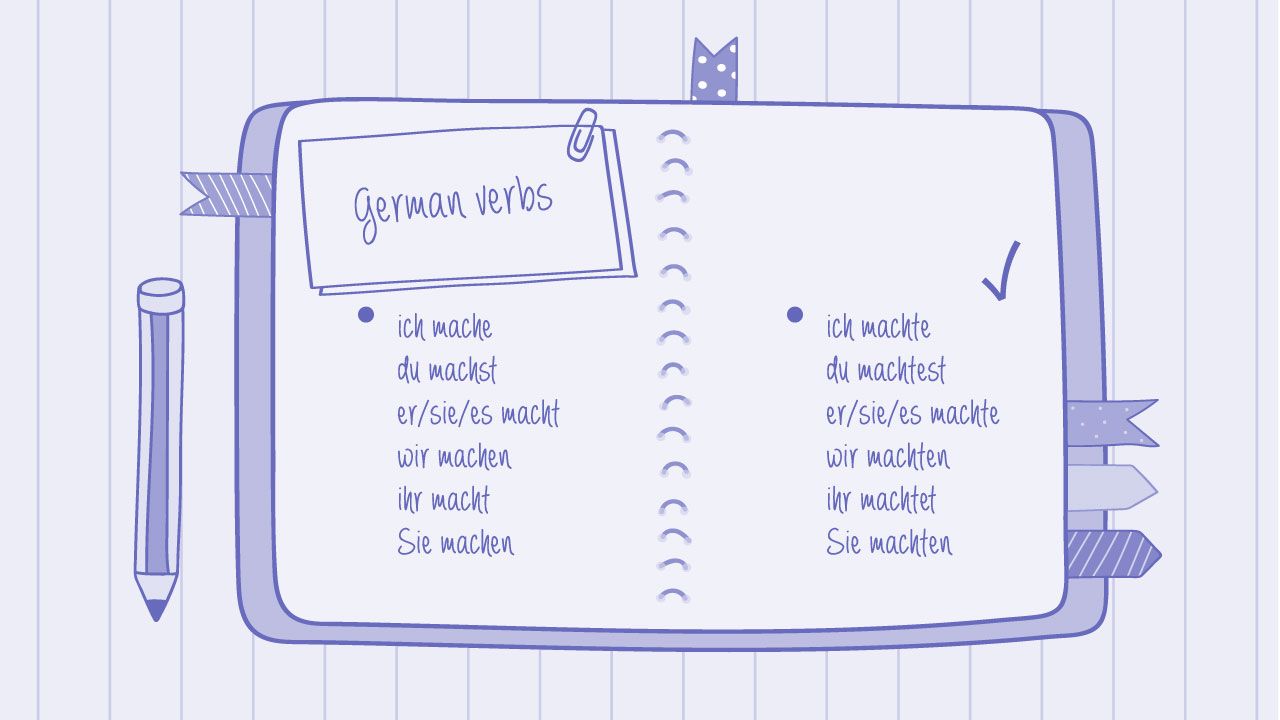
Mastering German grammar can be a complex journey, as learners often encounter specific challenges that can hinder fluency. Recognizing these common pitfalls and implementing targeted strategies to overcome them is essential for making steady progress. By understanding where mistakes frequently occur and practicing systematically, learners can develop confidence and accuracy in their German language skills.German learners typically struggle with issues such as incorrect noun declensions, misapplication of gender rules, errors in verb conjugation, and inconsistent sentence structure.
These mistakes often stem from differences between German and the learner’s native language, as well as the complexities of grammatical exceptions and irregular forms. Overcoming these challenges requires deliberate practice, patience, and the use of effective exercises designed to reinforce correct rules and usage.
Addressing Frequent Errors with Practice Strategies
To systematically reduce common errors, it is beneficial to adopt a variety of practice activities that focus on targeted grammatical issues. These exercises should be structured to promote active engagement, error correction, and reinforcement of rules. Here are some effective methods and examples:
- Noun Genders and Declensions: Since German nouns are gendered and decline differently depending on their case, learners should focus on memorizing noun genders through repetition and context. Practice activities include:
- Matching nouns with their correct definite articles (der, die, das) in flashcards.
- Completing gap-fill exercises where students choose the appropriate declension based on case and gender.
- Creating sentences that incorporate nouns in different cases to reinforce declension patterns.
- Verb Conjugation Practice: Verbs in German change form based on tense and person. Regular practice helps internalize these patterns:
- Conjugation drills with common verbs across various tenses, such as present, past, and future.
- Writing exercises that involve transforming sentences from present to past tense, focusing on correct conjugation.
- Using online quizzes that provide immediate feedback on conjugation errors.
- Sentence Structure and Word Order: German sentence construction often differs from English, especially in subordinate clauses and auxiliary positioning.
- Rearrangement exercises where learners reorder jumbled words into correct sentence structure.
- Constructing sentences based on prompts, paying attention to the positioning of verbs and clauses.
- Practicing with complex sentences that include subordinate clauses to master the verb placement rules.
- Common Mistakes and Correction Methods
Understanding typical errors allows learners to focus their practice effectively. For example, learners often confuse the use of case endings, especially in the accusative and dative. They may also omit the correct article or conjugate verbs incorrectly in different tenses. To address these issues:
- Use
error correction exercises
where learners identify and correct mistakes in sentences.
- Engage in peer review activities that encourage self and peer editing.
- Keep a grammar journal to track recurring mistakes and review corrected examples regularly.
Practice Activities to Reinforce Correct Grammar Usage
Active engagement through diverse exercises helps solidify grasp of German grammar rules. The following activities, organized step-by-step, are effective for reinforcing correct usage:
- Daily Grammar Drills: Allocate time each day for focused practice on specific grammar points, such as article-noun agreement or verb conjugations.
- Interactive Quizzes and Apps: Utilize language learning platforms that offer immediate feedback and adaptive difficulty levels to target weak areas.
- Sentence Construction Challenges: Write sentences using newly learned grammar rules, then review for accuracy and correctness.
- Role-Playing Conversations: Practice real-life scenarios, such as ordering in a restaurant or asking for directions, emphasizing correct sentence structure and grammar during spontaneous speech.
- Error Analysis Sessions: Review mistakes made during exercises, analyze the reasons behind them, and create correction strategies to prevent recurrence.
Employing these activities regularly cultivates a habit of self-correction and enhances overall grammatical proficiency, paving the way for more natural and accurate German communication.
Practical Examples and Exercises for Mastery
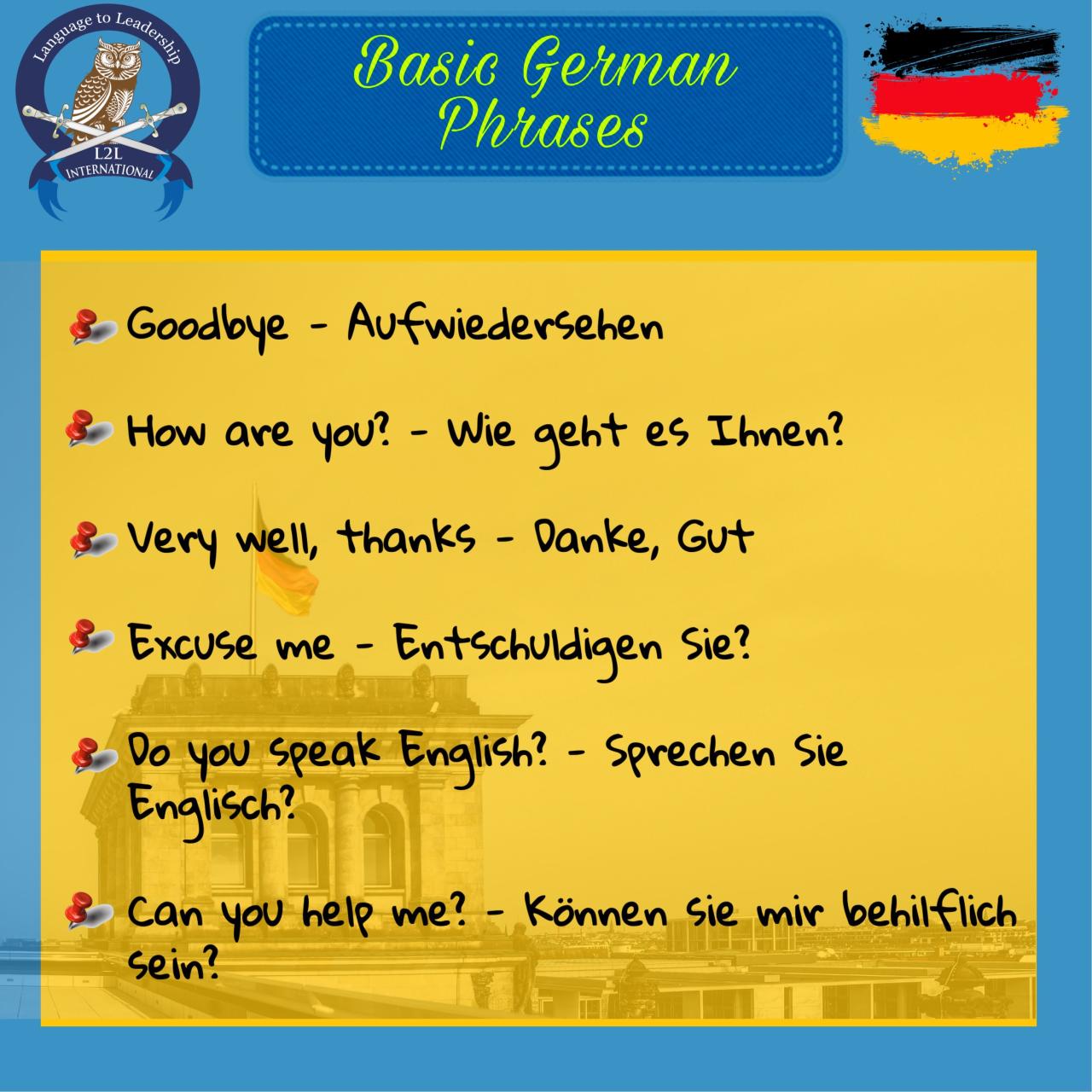
Engaging with practical examples and targeted exercises is essential for consolidating German grammar skills. By analyzing real sentences and practicing dissecting their components, learners develop a deeper understanding of grammatical rules and their applications. This approach transforms theoretical knowledge into practical competence, enabling more confident and accurate communication in German.
Below, we present a series of sample sentences designed to illustrate key grammatical structures. These examples will be accompanied by step-by-step procedures to analyze each sentence, helping learners identify parts of speech, grammatical cases, verb conjugations, and word order. An accompanying HTML table summarizes each example, providing clarity and a quick reference for grammatical focus and explanations.
Sample Sentences for Translating and Analyzing Grammatical Structures
| Example Sentence | Grammatical Focus | Explanation |
|---|---|---|
| Der Hund läuft im Park. | Subject, Verb, Prepositional Phrase |
|
| Ich sehe den kleinen Vogel. | Verb, Direct Object, Adjective |
|
| Sie gibt dem Freund ein schönes Geschenk. | Verb, Indirect Object, Direct Object, Adjective |
|
| Wir werden morgen nach Deutschland reisen. | Future tense, Adverb, Prepositional Phrase |
|
| Das Buch, das auf dem Tisch liegt, ist interessant. | Relative clause, Noun, Verb |
|
Step-by-Step Procedures for Dissecting Sentence Components
To deepen understanding, learners should follow a systematic approach when analyzing sentences. This method involves identifying each grammatical element, understanding its role, and recognizing how it fits within the sentence structure. The steps below serve as a guide for breaking down sentences effectively:
- Identify the main verb: Locate the verb and note its tense, mood, and conjugation.
- Determine the subject: Find the noun or pronoun performing the action, typically in the nominative case.
- Locate direct and indirect objects: Identify nouns or pronouns that receive the action directly or indirectly, noting their cases (accusative or dative).
- Analyze prepositional phrases: Recognize prepositions and the cases they govern, understanding the spatial, temporal, or directional context.
- Spot adjectives and their noun modifications: Note descriptive words and their grammatical agreement in gender, number, and case.
- Examine sentence clauses: For complex sentences, identify main and subordinate clauses, especially relative clauses, and analyze their structures.
Practicing these steps regularly will enhance grammatical intuition and improve sentence construction skills. Combining analysis with translation exercises ensures that learners not only recognize grammatical patterns but also apply them confidently in real-world contexts.
Ultimate Conclusion
In summary, mastering German grammar requires a solid understanding of fundamental rules combined with consistent practice using real-life examples. By applying these methods, learners can overcome common challenges and achieve proficiency more efficiently, paving the way for confident communication in German.