Embarking on the journey to learn Japanese hiragana and katakana can be both exciting and rewarding. These two scripts form the foundation of the Japanese writing system and are essential for anyone aiming to achieve fluency in the language. Understanding their significance, differences, and practical application sets the stage for effective and enjoyable learning.
This guide offers a structured approach to mastering these characters through clear steps, effective techniques, and resource integration, empowering learners to progress confidently and efficiently in their language acquisition journey.
Introduction to Learning Japanese Hiragana and Katakana

Mastering the Japanese writing systems is a fundamental step in becoming proficient in the language. Among these, hiragana and katakana serve as the foundation for reading, writing, and overall communication in Japanese. Developing a solid understanding of these scripts not only enhances literacy but also provides insight into the structure and phonetics of the language.
Hiragana and katakana are both syllabaries, each comprising a set of characters that represent specific sounds. While they share similar phonetic values, their applications differ significantly. Hiragana is primarily used for native Japanese words, grammatical functions, and particle markings. Conversely, katakana is commonly employed for foreign loanwords, onomatopoeia, scientific terms, and emphasis. Recognizing these distinctions is crucial for learners to interpret and produce Japanese text accurately.
Basic Differences and Uses of Hiragana and Katakana
Understanding the basic distinctions between hiragana and katakana is essential for effective learning and application. Both scripts consist of approximately 46 basic characters, each representing a distinct syllable, but their visual styles and contextual uses set them apart.
- Visual Style: Hiragana characters are characterized by their flowing, cursive-like appearance, which often appears rounded and smooth. Katakana characters, on the other hand, are more angular and sharply defined, giving them a blockier and more geometric look.
- Primary Uses:
- Hiragana: Used for native Japanese words, grammatical particles (such as は, が, を), verb and adjective endings, and words without kanji representations.
- Katakana: Utilized for foreign loanwords (e.g., パソコン for computer), onomatopoeic words, technical and scientific terms, plant and animal names, and to add emphasis similar to italics.
Initial Steps and Mindset for Learning the Alphabets
Embarking on the journey to master hiragana and katakana requires a strategic approach combined with the right mindset. Consistency, patience, and a positive attitude are key components that facilitate effective learning. Recognizing that this process takes time helps set realistic expectations and maintains motivation.
Starting with a systematic method—such as learning a handful of characters daily, practicing writing by hand, and engaging with pronunciation—ensures gradual progress. Utilizing flashcards, writing exercises, and digital apps designed for beginners can reinforce memorization. Embracing mistakes as part of the learning process fosters resilience and encourages continuous improvement.
Remember that mastering hiragana and katakana opens the door to understanding more complex aspects of Japanese language and culture, serving as the foundation for reading and writing proficiency.
Structuring Your Learning Process
Establishing a clear and organized approach to learning Japanese scripts is essential for steady progress and long-term retention. Having a structured plan helps you stay motivated, track your achievements, and ensures that your practice sessions are balanced and effective. By breaking down the learning journey into manageable steps and setting specific milestones, you can make consistent progress in mastering both hiragana and katakana.
Thoughtful planning involves creating a step-by-step schedule that aligns with your personal pace, available time, and learning goals. This systematic approach not only facilitates comprehension but also boosts confidence as you see tangible results. Organizing your learning process into phases with clear objectives allows for a more enjoyable and less overwhelming experience, especially when balancing study with other commitments.
Step-by-Step Learning plan for Hiragana and Katakana
Developing a sequential plan ensures that foundational characters are mastered before moving on to more complex combinations and usage. Typically, begin with the basic set of hiragana characters, followed by katakana, as each set serves different purposes in Japanese. A phased approach minimizes confusion and helps reinforce learning through repetition and review.
- Introduction to the basic characters: Focus on the core 46 hiragana characters, learning their shapes, sounds, and writing techniques over one to two weeks. Use flashcards, writing practice, and pronunciation drills to embed these characters into memory.
- Practice with simple words and phrases: Combine learned characters to form basic words, paying attention to correct pronunciation and stroke order. This step solidifies recognition and application.
- Introduce the katakana characters: Once comfortable with hiragana, start learning katakana, especially its distinct shapes and sound correspondences. Allocate similar time frames for mastery.
- Compare and contrast: Study the differences and similarities between hiragana and katakana characters, which helps prevent confusion during reading and writing.
- Apply in context: Practice reading simple sentences, signage, and menus, gradually increasing complexity and integrating vocabulary.
Designing a Weekly Practice Schedule
Consistency is key to mastering Japanese scripts. A well-balanced weekly schedule ensures that practice, review, and new material are integrated effectively. Striking the right balance prevents burnout and promotes retention by reinforcing previous lessons while introducing new content.
Below is a sample weekly schedule tailored for learners aiming to learn both hiragana and katakana within a manageable timeframe:
| Day | Focus | Activities |
|---|---|---|
| Monday | Hiragana Practice | Write and memorize 10-15 characters; pronunciation drills; quick review of previous characters |
| Tuesday | Hiragana Review & Application | Practice writing words and short phrases; flashcard review; listening exercises |
| Wednesday | Katakana Introduction | Learn 10-15 katakana characters; compare shapes with hiragana; practice writing |
| Thursday | Katakana Practice | Form words; recognize katakana in context; pronunciation drills |
| Friday | Combined Review | Review all learned characters; quizzes; reading simple sentences |
| Saturday | Application & Reinforcement | Practice writing short paragraphs; engage with Japanese media (e.g., signs, labels) |
| Sunday | Rest or Light Practice | Casual review; listening to Japanese audio; watching videos with subtitles |
Adapting this schedule according to personal progress and comfort ensures sustainable learning. Regular assessments every few weeks can help measure progress and adjust timelines or focus areas as needed.
Organizing Learning Goals with Milestones and Timelines
Setting concrete goals with measurable milestones provides motivation and clear direction. Effective goal organization involves defining specific, achievable objectives within set timelines, enabling learners to track their development and celebrate progress.
“Break your learning journey into milestones, such as mastering a set of characters, reading simple sentences, or recognizing characters in real-world contexts, within fixed timeframes.”
For example, a three-month plan might include:
- Mastering all 46 basic hiragana characters within the first month.
- Using flashcards and writing exercises to reinforce memorization, with a goal of recalling characters with 95% accuracy.
- Introducing katakana characters during the second month, aiming to recognize and write the entire set.
- Practicing reading and writing basic words and sentences by the end of the third month, progressively increasing difficulty.
Regularly reviewing these goals and adjusting timelines keeps the learning process flexible yet focused. Tracking milestones with a journal or digital app can enhance motivation and provide a sense of achievement as progress unfolds.
Learning Methods and Techniques
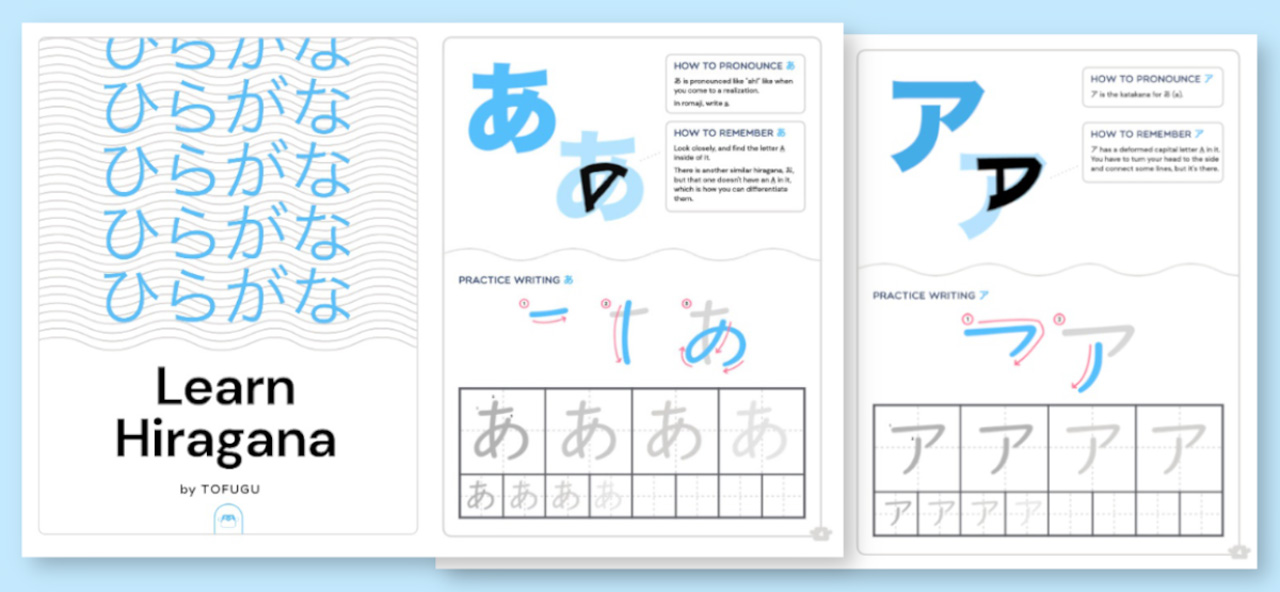
Mastering Japanese Hiragana and Katakana requires not only memorization but also the effective application of proven learning strategies. Employing diverse techniques can significantly enhance retention, reinforce recognition, and develop fluency in reading and writing these scripts. A structured approach that integrates various methods will facilitate consistent progress and deepen understanding of the characters in contextual usage.
Implementing effective learning methods involves combining visual aids, active recall, and interactive practice. These techniques help encode information more efficiently in long-term memory and allow for practical application in real-life reading and writing situations. The following s delve into specific strategies that can optimize your Japanese script learning journey.
Memorization Techniques and Repetition Strategies
Consistent exposure and active recall are key components for memorizing Hiragana and Katakana characters. Utilizing diverse techniques can make the learning process engaging and more effective:
- Flashcards: Creating physical or digital flashcards with characters on one side and their sounds or meanings on the other aids in quick recall. Repeated review using spaced repetition systems (SRS) like Anki or Quizlet enhances long-term retention by scheduling reviews at optimal intervals.
- Mnemonics: Associating each character with a memorable image, story, or phrase helps anchor the symbol to its sound. For example, the Katakana character for ‘ka’ (カ) can be visualized as a “car” with the strokes resembling its shape, making it easier to remember.
- Repetition: Frequent writing practice, aloud pronunciation, and reading exercises reinforce the shape-sound connection. Consistent daily practice sessions, even for 10-15 minutes, dramatically improve familiarity with the characters over time.
Tip: Combining visual mnemonics with repetition accelerates memorization. Engage in daily mini-quizzes to test recall and adjust your study plan accordingly.
Interactive Exercises for Contextual Practice
Applying characters in meaningful contexts enhances understanding and recall. Interactive exercises that simulate real-life reading and writing scenarios make learning more engaging and effective:
- Matching Games: Pair characters with their sounds or meanings through digital or physical matching exercises. This reinforces recognition and association skills.
- Sentence Construction: Practice creating simple words or sentences using learned characters. For example, assembling basic words like あい (ai – love) or さくら (sakura – cherry blossom) helps familiarize learners with character combinations and reading flow.
- Reading Practice: Use beginner-friendly texts, such as children’s books or online lessons, that incorporate Hiragana and Katakana. Reading in context improves comprehension and reinforces character recognition in authentic settings.
- Dictation Exercises: Listen to recordings of simple words and transcribe them into hiragana or katakana. This process enhances listening skills and reinforces character-to-sound associations.
Utilization of Digital Tools and Apps
Technology offers numerous resources for tracking progress and practicing characters interactively. Utilizing digital tools can streamline your learning process and keep motivation high:
- Language Learning Apps: Applications like Duolingo, LingoDeer, and Kana Town provide structured lessons with gamified exercises, quizzes, and progress tracking, making consistent practice enjoyable.
- Progress Tracking Tools: Apps such as Anki or Memrise allow learners to set daily goals, monitor review schedules, and visualize improvement over time. These features help maintain motivation and ensure regular practice sessions.
- Online Quizzes and Drills: Websites offering interactive quizzes enable learners to test their knowledge of individual characters or entire scripts. Immediate feedback helps identify areas requiring additional focus.
- Digital Flashcard Systems: Using apps like Anki or Quizlet facilitates customizable flashcards that incorporate images, mnemonics, and audio pronunciations, creating a comprehensive learning environment.
Tip: Regularly integrating these digital tools into your study routine ensures consistent practice, progress tracking, and sustained motivation on your journey to mastering Japanese scripts.
Visual and Audio Resources for Mastery
Mastering Japanese scripts like Hiragana and Katakana requires engaging with a variety of multimedia resources that cater to different learning styles. Incorporating visual aids and audio tools enhances memory retention, pronunciation accuracy, and listening comprehension. These resources serve as essential components in establishing a well-rounded and enjoyable learning experience, helping learners progress efficiently from recognition to active use.
Effective utilization of visual and audio materials can transform the study process by making abstract characters tangible and familiar. By integrating these tools into daily routines, learners can develop a more intuitive understanding of the scripts and improve their overall language skills with consistency and confidence.
Visual Aids and Chart Designs
Visual aids are fundamental in helping learners recognize and memorize Hiragana and Katakana characters. Well-designed charts and flashcards serve as quick reference tools, reinforcing character shapes, stroke order, and pronunciation cues.
For example, a comprehensive chart might display all Hiragana characters with their corresponding Romanized sounds, arranged in rows based on the syllabary order. Each character should be accompanied by a mnemonic image or story to aid memory. Flashcards can feature the character on one side and the pronunciation, stroke order animation, or example words on the other. Using color coding—such as yellow background for vowels or distinct colors for consonant groups—can further enhance visual differentiation and recall.
Designs should prioritize clarity and simplicity, avoiding clutter, and ensuring that learners can easily scan and focus on individual characters. Incorporating stroke order diagrams within charts aids learners in developing proper writing habits alongside recognition skills.
Creating Audio Recordings for Pronunciation and Listening Practice
Audio resources are vital for developing accurate pronunciation and listening comprehension. Creating high-quality audio recordings involves recording native speakers pronouncing each character and common combinations, ensuring clarity and correct intonation.
For learners, recording their own voice practicing characters and words allows for self-assessment and improvement. Listening to these recordings repeatedly helps develop an ear for authentic pronunciation, intonation, and rhythm of the language. It is beneficial to include variations, such as different speakers or background contexts, to expose learners to diverse pronunciations and accents.
Utilizing mobile devices or dedicated language learning apps for recording and playback makes integration into daily routines seamless. Repetition through listening exercises—such as shadowing or dictation—accelerates mastery and builds confidence in speaking and comprehension.
Integrating Multimedia Resources into Daily Study Routines
Consistency in practice is crucial for language acquisition, and multimedia resources make daily study sessions more engaging and effective. Incorporating visual and audio tools into routine practice ensures learners remain motivated while steadily progressing.
To optimize learning, learners can set aside specific times each day for reviewing flashcards, watching animated videos of stroke orders, or listening to pronunciation recordings. Using spaced repetition software that combines visual cues with audio prompts enhances long-term retention by revisiting characters at optimal intervals.
Additionally, integrating multimedia into interactive activities—such as online quizzes, language apps with voice recognition, or virtual flashcard games—creates an immersive environment. These methods not only reinforce recognition and pronunciation but also build listening skills in an enjoyable and manageable way, ensuring sustained engagement and gradual mastery of Japanese scripts.
Practice and Reinforcement Strategies
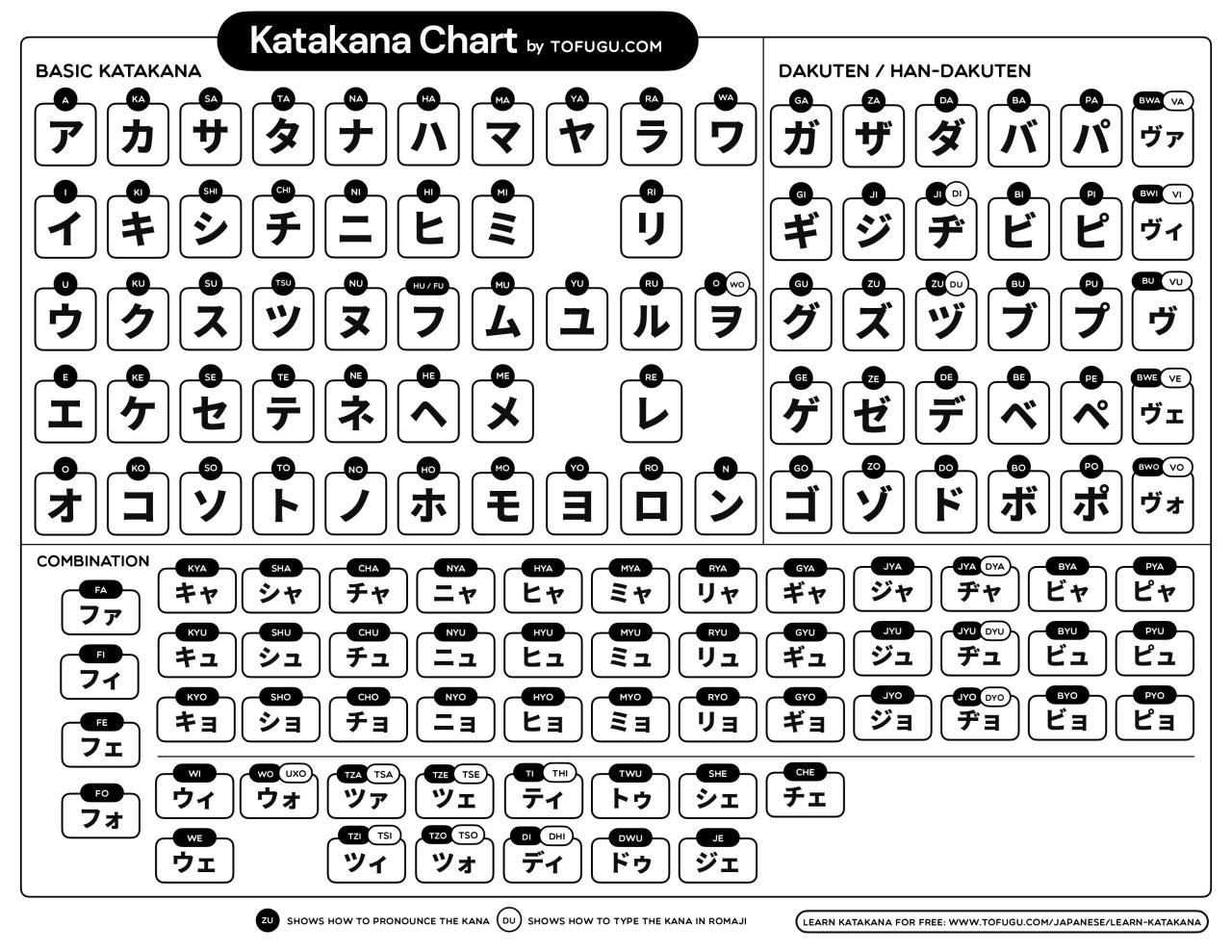
Effective language acquisition requires consistent effort and deliberate practice. Reinforcing your knowledge of Japanese Hiragana and Katakana through daily routines enhances recognition and writing skills, ensuring steady progress and long-term retention. Implementing varied practice methods and engaging with community opportunities can significantly accelerate your mastery of these scripts, leading to greater confidence and fluency in reading and writing Japanese. Consistent practice not only solidifies your familiarity with the characters but also develops muscle memory and cognitive recognition.
Reinforcement strategies should be integrated into your daily schedule, incorporating both active and passive learning techniques. By employing structured self-assessment tools and engaging with native speakers or fellow learners, you can maintain motivation and track your improvement over time.
Daily Writing and Recognition Drills
Regular, intentional practice is fundamental to mastering Hiragana and Katakana. Establishing a daily routine that includes writing exercises and recognition drills helps reinforce memorization and fluency. Start by writing each character multiple times, focusing on stroke order and character shape, to build muscle memory. Incorporate recognition practice by reviewing flashcards or digital apps that present characters randomly, forcing quick recall.To diversify your practice, consider setting aside specific times of the day—such as morning review sessions or evening writing exercises—that become habitual.
Using printable worksheets with characters arranged randomly ensures you practice both recognition and recall. Designing your own mini-tests and timing yourself adds an element of challenge, encouraging faster recognition and more accurate writing.
Self-Testing and Quizzes Using Tables and Fill-in-the-Blank Formats
Self-assessment is crucial for identifying areas that require further focus and for consolidating knowledge. Creating tables and fill-in-the-blank quizzes allows for interactive learning sessions that can be tailored to your current proficiency level. Tables are effective for comparing Hiragana and Katakana characters side by side, which helps in visual differentiation:
| Hiragana | Katakana | Romanization |
|---|---|---|
| あ | ア | a |
| い | イ | i |
Fill-in-the-blank formats can be used for self-testing:
Complete the following by writing the correct character:
1. _ri_ in Hiragana: ___
2. The Katakana for “ka”: ___
3. Write the Hiragana character for the sound “sa”: ___
You can also design digital quizzes that randomize characters to challenge recognition speed. Regularly scheduling these self-assessments ensures steady progress and highlights characters that need more focused practice.
Community and Language Exchange Opportunities for Immersive Practice
Engaging with native speakers and fellow learners provides invaluable real-world context and enhances your learning experience. Participating in online language exchange platforms, local language meetups, or Japanese cultural events allows for practical application of your knowledge in conversational settings.Joining language exchange communities—such as Tandem, HelloTalk, or local clubs—facilitates practice through structured conversations, where you can read and write in real-time.
These interactions not only improve your recognition and writing skills but also deepen your understanding of pronunciation, intonation, and contextual usage. Immersive practice in social environments fosters confidence and helps you adapt your learning to natural language flow.Furthermore, community projects, such as volunteering for Japanese language events or participating in cultural workshops, provide authentic opportunities to use Hiragana and Katakana actively.
These engagements serve as motivating milestones and help solidify your skills through meaningful interaction and cultural immersion.
Common Challenges and How to Overcome Them
Learning Japanese characters, specifically Hiragana and Katakana, presents unique challenges for students. These difficulties can hinder progress if not addressed with effective strategies. Recognizing common obstacles and implementing solutions is essential for maintaining motivation and achieving mastery in reading and writing these scripts. A mindful approach to overcoming hurdles can transform an initially daunting task into an achievable and rewarding experience.Understanding the typical difficulties faced when learning characters is vital to developing perseverance and a positive mindset.
Many learners encounter issues such as confusion between similar characters, inconsistent memorization, and plateaus in progress. These challenges often lead to frustration or loss of confidence, which can impede ongoing learning. By adopting targeted techniques and maintaining a steady study routine, learners can navigate these obstacles efficiently.
Difficulty in Differentiating Similar Characters
Hiragana and Katakana characters include many with subtle visual differences, which can cause confusion for beginners. For example, the Hiragana characters こ (ko) and さ (sa) or the Katakana シ (shi) and ツ (tsu) are visually similar but represent different sounds and meanings. This similarity often leads to mistakes in reading and writing.
To overcome this, learners should focus on distinctive features of each character through detailed visual analysis. Creating comparison charts that highlight the unique strokes and shapes can reinforce differentiation. Regularly practicing characters in context—such as reading simple words—helps solidify recognition and reduces errors over time.
Consistent review and active comparison of similar characters greatly enhance visual discrimination skills, preventing common mistakes.
Inconsistent Memorization and Retention
Many students struggle with retaining characters due to insufficient repetition or ineffective memorization techniques. Relying solely on passive study, such as passive reading or flashcards without active recall, diminishes the likelihood of long-term retention.
Effective practices include spaced repetition, which involves reviewing characters at increasing intervals to reinforce memory. Using mnemonic devices—such as associating characters with familiar images or sounds—can also boost memorization. Engaging with the characters through writing exercises and daily practice sessions helps transfer knowledge from short-term to long-term memory.
Active engagement, spaced repetition, and mnemonic strategies are proven to improve retention and facilitate steady progress.
Common Mistakes Versus Correct Practices
Understanding the difference between typical errors and correct approaches allows learners to refine their study habits. A common mistake is attempting to memorize characters without understanding their structure or sound, leading to superficial knowledge that crumbles under pressure.
Correct practice involves integrating multiple learning methods—visual, auditory, and kinesthetic. For example, writing characters repeatedly while saying their sounds aloud helps reinforce the connection between visual form and pronunciation. Avoiding rote memorization alone by contextualizing characters within words and sentences encourages meaningful learning.
Regular self-assessment, correction of mistakes, and applying characters in real language contexts foster deeper understanding and lasting mastery.
Motivational Strategies for Consistent Study Habits
Maintaining motivation is essential for long-term language acquisition, particularly when facing repetitive or challenging tasks. Setting clear goals, such as mastering a set number of characters each week, provides measurable milestones that foster a sense of achievement.
Incorporating variety into study routines—such as listening to Japanese audio resources, engaging with interactive apps, or practicing with language partners—keeps the learning process engaging and dynamic. Celebrating small successes, like successfully reading a simple sentence, reinforces positive momentum.
Creating a supportive learning environment, whether through community groups or online forums, offers encouragement and accountability. Remembering the broader purpose of learning Japanese—such as communicating with native speakers or exploring Japanese culture—can sustain motivation during challenging periods.
Persistent effort, diversified methods, and celebrating progress are key to overcoming difficulties and achieving fluency in Hiragana and Katakana.
Applying Knowledge in Context

Mastering Japanese Hiragana and Katakana extends beyond memorization; it involves actively applying your knowledge in practical, real-world situations. Engaging with contextual exercises helps reinforce learning, improve reading comprehension, and develop writing skills. Incorporating structured practice scenarios and authentic materials ensures a well-rounded approach to language acquisition, enabling learners to confidently use characters in everyday communication.Understanding how to utilize learned characters in various contexts enables learners to bridge the gap between recognition and meaningful application.
By designing exercises that simulate real-life situations—such as reading simple texts or constructing sentences—you create opportunities for immersive learning. This approach not only solidifies memory but also enhances fluency and comprehension, making your journey toward Japanese proficiency both effective and enjoyable.
Designing Example Sentences and Phrases Using Learned Characters
To cement your understanding, develop sentences that incorporate familiar Hiragana and Katakana characters. Start with simple phrases that mirror daily interactions or basic expressions. For example:
- こんにちは。 (Konnichiwa.) – Hello.
- わたしは学生です。 (Watashi wa gakusei desu.) – I am a student.
- これはペンです。 (Kore wa pen desu.) – This is a pen.
- ありがとう。 (Arigatou.) – Thank you.
Creating such sentences enables you to practice character combinations and sentence structures, fostering both reading and writing skills. As your vocabulary expands, incorporate new words into these sentences to enhance contextual understanding.
Organizing Exercises for Reading Simple Texts
Reading authentic, simple texts is crucial for reinforcing character recognition and comprehension skills. Utilizing materials such as children’s stories, manga excerpts, or basic dialogues provides engaging content that aligns with your current proficiency level. These texts often feature repetitive vocabulary and straightforward sentence structures, which aid in familiarizing learners with natural language flow.Structured reading exercises include:
- Annotating unfamiliar characters or words and looking up their meanings.
- Practicing reading aloud to improve pronunciation and fluency.
- Summarizing short passages to ensure understanding of content and context.
For example, reading a children’s story about a cat (“ねこ”) and a dog (“いぬ”) introduces basic vocabulary within a narrative context, reinforcing both characters’ recognition and comprehension.
Creating Practice Scenarios for Writing Practice
Writing practice from explanations involves creating scenarios that simulate typical daily situations or familiar contexts. For instance, writing short descriptions of your daily routine using learned characters helps integrate vocabulary and grammar skills.Sample practice scenarios include:
- Describing your morning routine, such as “I wake up at 7 o’clock” (“7じにおきます。”).
- Writing a shopping list using Katakana for borrowed words, e.g., “ice cream” (“アイスクリーム”) and “juice” (“ジュース”).
- Drafting simple dialogues between two characters, practicing greeting exchanges and introductions.
These exercises encourage active recall, improve character writing accuracy, and foster the ability to produce meaningful sentences. Regular practice within varied scenarios ensures that learners can implement their knowledge flexibly and confidently across different contexts, ultimately leading to greater language proficiency.
Tracking Progress and Adjusting Strategies
Effective language learning requires consistent monitoring of progress to ensure that methods remain aligned with individual goals and learning pace. Tracking your advancement not only boosts motivation but also provides valuable insights into areas needing improvement. Regular assessment helps in making informed adjustments, leading to a more efficient and tailored learning experience.
This section explores various practical approaches for recording progress, evaluating understanding, and refining study plans to optimize mastery of Japanese Hiragana and Katakana.
Methods for Recording Progress with Charts and Progress Tables
Maintaining visual records of your achievements is essential for recognizing improvements and identifying patterns over time. Utilizing charts and tables simplifies tracking your mastery of character sets and reinforces accountability.
Consider the following methods:
- Progress Charts: Create weekly or monthly charts that mark the number of characters mastered in Hiragana and Katakana. Use color-coding to indicate proficiency levels—e.g., red for areas needing review, green for mastered sections.
- Mastery Tables: Develop tables listing each character alongside columns for the date of first recognition, recall accuracy, and recall speed. This structured approach provides a detailed view of your learning curve.
- Digital Tools: Employ apps or spreadsheet software to automate progress tracking, enabling real-time updates and easy visualization of trends.
Consistent recording creates a tangible sense of achievement and highlights specific characters or groups requiring additional focus.
Assessing Understanding and Retention Periodically
Periodic evaluation of your comprehension and retention ensures that memorization translates into long-term knowledge. Structured assessments can include quizzes, recitations, or writing exercises.
Strategies for effective assessment:
- Regular Quizzes: Schedule weekly tests where you write or recognize characters without assistance, gradually increasing difficulty or the number of characters tested.
- Self-Testing: Use flashcards or digital flashcard applications that track correct and incorrect responses to monitor improvement over time.
- Application Tasks: Engage in reading simple texts or writing exercises using Hiragana and Katakana to assess practical understanding.
Tracking scores and accuracy rates over intervals—such as every two weeks or monthly—provides measurable data to inform your study adjustments.
Periodic assessments serve as checkpoints to confirm that learning progress is on track and help identify retention gaps before they become significant barriers.
Guidelines for Refining Study Plans Based on Performance Feedback
Flexibility in your study plan is crucial for sustained progress. Analyzing your performance feedback allows you to modify your approach, prioritize weaker areas, and optimize study efficiency.
Practical guidelines include:
- Identify Patterns: Review your progress charts and assessment results to detect recurring challenges with specific characters or groups.
- Adjust Focus: Allocate more time to characters or concepts that show slower progress or lower retention rates, employing targeted exercises or mnemonic techniques.
- Modify Study Methods: If certain techniques, such as visual flashcards, are less effective, incorporate alternative methods like listening practice or writing drills.
- Set Realistic Milestones: Break down larger goals into smaller, achievable targets, and celebrate each milestone to maintain motivation.
- Seek Feedback: Engage with language learning communities or tutors for external input that can provide additional insights into your progress.
Consistent review and adjustment of your study plan ensure that your learning journey remains dynamic and responsive to your evolving needs, ultimately leading to greater mastery of Japanese Hiragana and Katakana.
Conclusion
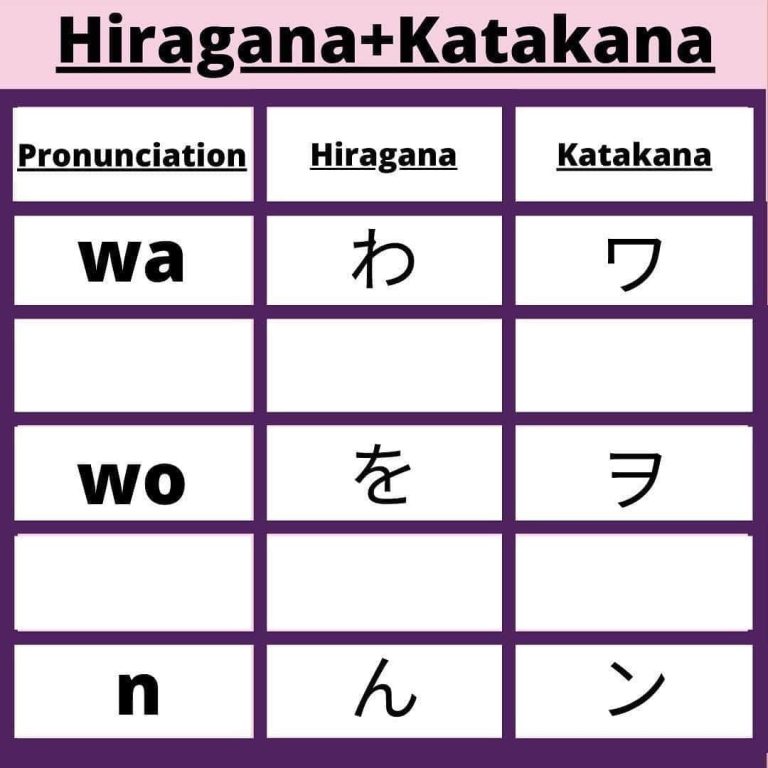
In conclusion, learning Japanese hiragana and katakana step by step is a rewarding process that opens the door to deeper language comprehension and cultural appreciation. By following a well-structured plan, utilizing diverse resources, and practicing consistently, learners can achieve proficiency and enjoy the rich nuances of the Japanese language.