Discovering how to learn German by watching movies offers an engaging and immersive approach to language acquisition. This method not only makes learning enjoyable but also provides exposure to natural speech, cultural nuances, and authentic vocabulary in context. By integrating films into your routine, you can enhance your listening, speaking, and comprehension skills in a dynamic and effective manner.
This guide explores how to select suitable movies, employ effective viewing strategies, and leverage cinematic content to accelerate your German language learning journey. With practical tips and organized resources, you’ll be well-equipped to turn movie-watching into a powerful learning tool.
Introduction to Learning German Through Movies
Engaging with German movies offers an immersive and enjoyable method to enhance language skills. This approach leverages the natural flow of authentic speech, cultural nuances, and contextual vocabulary, making the learning process both effective and entertaining. Watching movies in German provides learners with exposure to colloquial expressions, idiomatic phrases, and pronunciation patterns that are often absent in traditional classroom settings.
Furthermore, movies can serve as a motivational tool, inspiring learners to progress by connecting language learning to personal interests such as cinema, storytelling, or specific genres. This method also allows learners to develop listening comprehension and cultural literacy simultaneously, fostering a well-rounded understanding of the German language and its cultural context.
Benefits of Watching Movies to Learn German
Incorporating movies into language learning routines offers numerous advantages:
- Realistic language exposure: Learners encounter everyday conversations, slang, and idioms used by native speakers, enhancing authenticity.
- Improved listening skills: Regular exposure to spoken language in various accents and speeds sharpens comprehension abilities.
- Cultural insight: Films portray cultural norms, traditions, humor, and societal issues, enriching learners’ cultural understanding.
- Contextual vocabulary acquisition: Vocabulary is learned within meaningful scenes, facilitating better retention and recall.
- Learning at one’s own pace: Learners can pause, rewind, and replay scenes, tailoring their study to individual needs and comprehension levels.
Suitable Movie Genres for Language Learners
Choosing the right genres can significantly impact learning efficiency. Different genres provide varied linguistic and cultural insights, catering to diverse learner interests and proficiency levels. Here are some recommended genres:
| Genre | Characteristics | Learning Benefits |
|---|---|---|
| Comedy | Light-hearted, humorous dialogues, often featuring colloquial language and everyday expressions. | Enhances understanding of informal speech and cultural humor, making language learning enjoyable. |
| Drama | Emotional, character-driven stories with complex dialogues and varied vocabulary. | Improves comprehension of nuanced language and emotional expressions. |
| Crime/Thriller | Fast-paced narratives with specific jargon and suspenseful dialogues. | Expands vocabulary related to law enforcement, justice, or investigation themes. |
| Historical Films | Period-specific language and cultural references. | Provides insights into historical context, idiomatic expressions, and societal norms of different eras. |
| Animated Films | Accessible language, vivid visuals, and often simpler vocabulary suitable for beginners. | Facilitates initial vocabulary building and pronunciation practice. |
Step-by-Step Guide to Incorporating Movies into German Learning Routine
Effective integration of movies requires a strategic approach to maximize language acquisition benefits. The following steps Artikel an efficient routine:
- Choose Appropriate Films: Select movies aligned with your proficiency level and interests, ensuring subtitles are available in both German and your native language.
- Set Clear Goals: Define specific objectives, such as understanding common phrases, improving listening comprehension, or learning cultural expressions.
- Begin with Subtitles: Watch movies initially with native language subtitles to familiarize yourself with the storyline, then switch to German subtitles to reinforce vocabulary and spelling.
- Active Watching: Take notes of new words, idioms, or phrases. Pause and replay scenes to clarify understanding or practice pronunciation.
- Repeat and Review: Re-watch scenes or entire movies periodically, focusing on areas that challenge you the most.
- Supplement Learning: Combine movie watching with other activities like speaking practice, vocabulary exercises, or listening to German podcasts for a comprehensive approach.
By consistently applying these steps, learners can transform casual movie viewing into a powerful tool for mastering the German language and deepening cultural comprehension.
Selecting Appropriate German Movies for Learners
Choosing the right German movies is essential for effective language learning, as it ensures that learners are exposed to suitable language complexity, cultural context, and comprehensible subtitles. An appropriate selection can significantly enhance vocabulary acquisition, listening skills, and cultural understanding while maintaining motivation and confidence in the learning process.
When selecting movies for language practice, it is important to consider factors such as the learner’s proficiency level, the use of subtitles, the genre, and the clarity of speech. Movies that align with a learner’s current language ability help prevent frustration and promote steady progress. Additionally, movies with clear dialogue and accurate subtitles provide a foundation for developing listening comprehension and vocabulary.
By understanding these criteria, learners can curate a personalized viewing list that optimizes their German language acquisition journey.
Criteria for Choosing Movies Based on Language Complexity and Subtitles
Several criteria should guide learners in selecting appropriate German movies:
- Language Complexity: Determine whether the movie’s dialogue involves simple, everyday language or more complex vocabulary and idiomatic expressions. Beginners benefit from movies with straightforward language, while intermediate and advanced learners can challenge themselves with more nuanced and diverse vocabulary.
- Use of Subtitles: Opt for movies with German subtitles to reinforce reading skills and facilitate understanding. For beginners, dual subtitles (German and native language) can be helpful, whereas intermediate and advanced learners should aim for German-only subtitles to deepen immersion.
- Speech Clarity: Choose movies where actors speak clearly and at a moderate pace. Films with heavy accents, rapid speech, or background noise may hinder comprehension for less experienced learners.
- Genre and Content: Select genres and themes that interest the learner, as engagement improves retention. Comedies, family films, and slice-of-life stories often feature everyday language suitable for beginners, while dramas and historical movies may challenge more advanced learners.
Comparison of Popular Movies and Series for Different Proficiency Levels
In the table below, popular German movies and series are organized by recommended difficulty level, genre, and suitability for learners at various stages of language proficiency. This organized approach helps learners select content aligned with their current skills and learning objectives.
| Movie/Series | Genre | Recommended Difficulty Level | Notes |
|---|---|---|---|
| Beginner | Focus on movies with simple language, slow speech, and clear pronunciation. | ||
| Das kleine Gespenst (The Little Ghost) | Animation, Family | Beginner | Uses basic vocabulary with engaging visuals; ideal for children and beginners. |
| Oh Boy (A Coffee in Berlin) | Comedy, Drama | Intermediate | Features everyday language and colloquial expressions; suitable for learners with some experience. |
| Dark | Science Fiction, Thriller | Advanced | Complex plot with intricate dialogues and thematic vocabulary; best for advanced learners. |
| Beginner | Series with clear dialogue and slow pacing are also recommended for beginners. | ||
| Tatort (Crime Scene) | Crime, Drama | Intermediate | Long-running series with varied vocabulary; useful for familiarizing with colloquial speech. |
| Charité | Historical Drama | Advanced | Features formal medical and historical language; suited for learners with a strong vocabulary base. |
Effective Viewing Strategies
Engaging with German movies as a language learning tool requires more than passive watching. To maximize comprehension, vocabulary acquisition, and pronunciation, learners should adopt active viewing strategies. These methods transform movie time from mere entertainment into an immersive, educational experience that accelerates language proficiency.Active viewing involves deliberate engagement with the content, allowing learners to absorb new language elements efficiently. By implementing structured techniques such as pausing, note-taking, and repeated viewing, learners can deepen their understanding of spoken German, idiomatic expressions, and cultural nuances.
The goal is to make each viewing session purposeful, fostering retention and confidence in using the language in real-world contexts.
Note-taking and Pausing During Watching
Effective language acquisition through movies hinges on actively interacting with the material. Pausing scenes at strategic moments enables learners to analyze dialogues, clarify unfamiliar words, and process new grammatical structures. Taking notes during these pauses helps in consolidating vocabulary, idioms, and sentence patterns encountered in the dialogue.Learners should focus on jotting down new words or phrases, along with their context and meaning.
For example, when a character uses a colloquial expression, noting it along with the scene’s situation enriches understanding and aids in memorization. Pausing also provides an opportunity to imitate pronunciation, which is vital for developing authentic accents and intonation.In addition, maintaining a vocabulary journal or digital document to record new terms ensures that vocabulary building continues outside of viewing sessions.
Consistently revisiting these notes reinforces retention and helps integrate new words into active use.
Using Subtitles Effectively to Enhance Comprehension
Subtitles serve as a bridge between spoken language and text, making them invaluable for learners. To maximize their benefit, learners should adopt a strategic approach to their use. Beginning with German subtitles allows learners to match spoken sounds with written words, improving both listening skills and spelling accuracy.It is advisable to start with subtitles in the target language rather than translations, as this encourages reading and comprehension in German.
During viewing, learners should pay close attention to how words are spelled and how sentences are constructed, which provides clues to pronunciation and grammar. This dual engagement of listening and reading accelerates vocabulary acquisition and helps internalize sentence structures.As proficiency develops, learners can alternate between watching scenes with German subtitles and without them. When encountering unfamiliar words, pausing and noting the spelling and pronunciation is beneficial.
Repeating scenes or phrases after reading the subtitles solidifies pronunciation and intonation, making speech more natural over time.
Re-watching Scenes for Reinforcement
Repetition is a fundamental technique for consolidating language skills. Re-watching specific scenes multiple times allows learners to focus on particular language features, such as pronunciation, intonation, or idiomatic expressions. This repetitive exposure enhances both recognition and recall, leading to improved fluency.A structured approach involves first watching a scene to understand the general context, followed by a second viewing with subtitles to clarify details.
During subsequent re-watches, learners can pause frequently to imitate speech, practice pronunciation, and analyze sentence structures. This iterative process helps internalize vocabulary and grammatical patterns naturally.Moreover, by focusing on specific scenes containing challenging language or cultural references, learners can target areas requiring improvement. For example, re-watching a conversation with a complex idiomatic expression multiple times ensures accurate understanding and correct usage in real-life situations.
Documenting key phrases from these scenes further reinforces learning and builds confidence in conversational German.
Vocabulary Acquisition from Movies
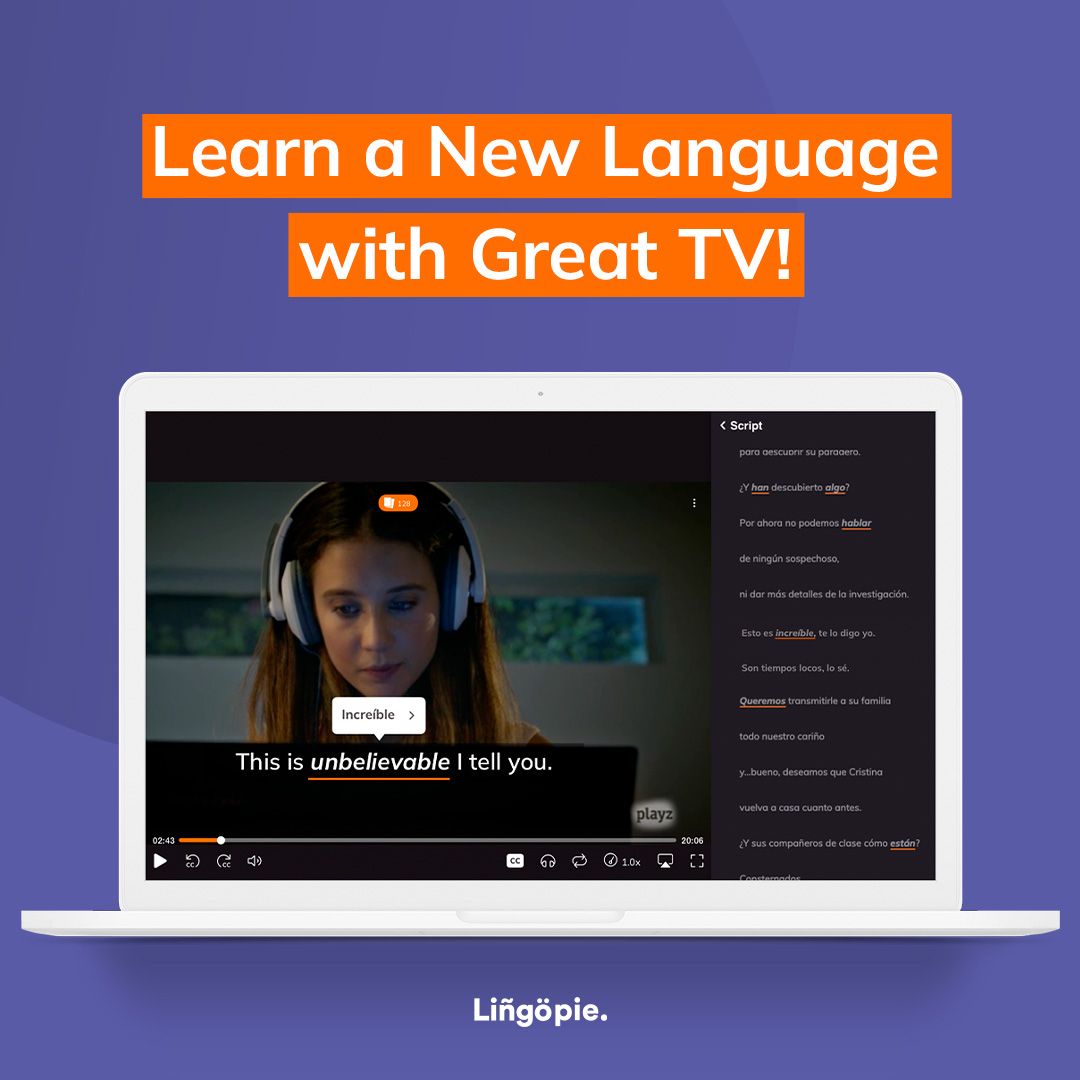
Learning German through movies offers a dynamic and immersive way to expand vocabulary. As you watch authentic dialogues, you’ll encounter common words, phrases, idiomatic expressions, and colloquialisms that native speakers use in everyday conversations. Recognizing and understanding these words in context not only enhances your vocabulary but also improves your listening comprehension and fluency.
This section highlights effective methods for acquiring new German words from movies, including identifying common vocabulary, organizing it systematically, and extracting idiomatic expressions that enrich language learning. By focusing on contextual learning, learners can internalize vocabulary more naturally and confidently use it in real-life situations.
Common German Words and Phrases in Movies
Movies frequently feature a range of vocabulary that reflects everyday interactions, cultural references, and situational language. Familiarity with these common words and phrases enables learners to understand dialogues more easily and participate in conversations more effectively. Here is a list of frequently encountered German words and expressions:
- Hallo – Hello
- Danke – Thank you
- Bitte – Please / You’re welcome
- Entschuldigung – Sorry / Excuse me
- Ja – Yes
- Nein – No
- Wie geht’s? – How are you?
- Guten Morgen / Tag / Abend – Good morning / day / evening
- Ich verstehe nicht – I don’t understand
- Wo ist…? – Where is…?
- Ich habe Hunger/Durst – I am hungry/thirsty
- Ich liebe dich – I love you
- Bis bald – See you soon
Organizing Vocabulary with Dialogues, Translations, and Context
To maximize vocabulary retention, it is beneficial to organize words and phrases within the context of real scenes. Creating a structured table that includes dialogue excerpts, their translations, and situational context helps learners see how words are used naturally and remember them more effectively. This approach transforms passive watching into active learning.
| Dialogue | Translation | Context |
|---|---|---|
| „Wie viel kostet das?“ | „How much does that cost?“ | Shopping scene where a character checks the price of an item. |
| „Ich habe keine Ahnung.“ | „I have no idea.“ | Casual conversation where someone is uncertain about plans. |
| „Können Sie mir bitte helfen?“ | „Can you please help me?“ | Asking for directions or assistance in a public place. |
| „Das ist eine gute Idee.“ | „That is a good idea.“ | Expressing agreement during a discussion or decision-making. |
Extracting Idiomatic Expressions and Colloquialisms
Scenes in movies are rich sources for idiomatic expressions and colloquialisms that are often used in informal speech. Recognizing these phrases helps learners gain a more authentic understanding of the language and develop a more natural speaking style. Pay close attention to how characters express emotions, reactions, or cultural nuances through idiomatic language.
For example, the German idiom
„Da liegt der Hund begraben“
literally translates to “That’s where the dog is buried,” but it is used idiomatically to mean “That’s the heart of the matter” or “That’s where the problem lies.” Identifying such expressions involves noting phrases that seem figurative or unfamiliar, then researching their meanings and usage.
Colloquialisms like „Na klar!“ (Of course!), „Was geht ab?“ (What’s up?), or „Alles klar!“ (All right!) are common in casual conversations. Observing the context and tone in which these expressions are used helps in understanding their nuances and appropriate usage in everyday speech.
Improving Listening Skills Through Movies
Watching movies in German is an engaging and effective way to enhance auditory comprehension. Exposure to the natural flow of speech, diverse accents, and colloquial expressions immerses learners in authentic language use, which is essential for developing listening proficiency. As movies often feature everyday conversations and cultural nuances, they serve as rich resources for understanding spoken German in various contexts.
Improving listening skills through films involves not only passive absorption but also active engagement with the audio content, helping learners become more comfortable and proficient in understanding spoken language in real-life situations.Listening comprehension can be significantly boosted by focusing on the nuances of pronunciation, intonation, and speech patterns that are characteristic of native speakers. This exposure enables learners to recognize different accents and dialects, which are common across the German-speaking regions such as Germany, Austria, and Switzerland.
It also trains the ear to process varied speaking speeds, from slow dialogues in beginner movies to rapid exchanges in more advanced films, thereby gradually increasing auditory stamina and understanding.
Exposure to Natural Speech and Dialects
The diversity of accents and dialects in German movies reflects the country’s regional linguistic variations. Recognizing and understanding these variations are crucial for achieving conversational fluency and comprehension in real-world interactions. Movies filmed in different regions showcase distinct pronunciation, vocabulary, and idiomatic expressions, providing learners with a broader auditory experience.To maximize this exposure, learners should select movies set in various German-speaking areas.
For example, films from southern Germany or Austria often feature Bavarian or Austrian accents, while northern German movies may incorporate more standard Hochdeutsch. Listening to these differences helps learners adapt their ear and avoid over-reliance on a single accent, thus preparing them for diverse listening situations.
Methods to Tune into Different Speaking Speeds and Dialects
Attuning to varying speech rates and regional accents requires deliberate practice. One effective approach is to initially watch movies with subtitles in German, which helps associate spoken words with their written form and pace. As comprehension improves, learners can gradually reduce the reliance on subtitles, challenging themselves to understand speech solely through listening.Furthermore, focusing on segments where characters speak quickly or with strong regional accents allows learners to practice active listening.
Repeatedly listening to these segments enhances the ability to recognize words and phrases even when spoken rapidly or with dialectal nuances.To systematically improve, learners can:
- Use slowed-down audio features available on many media players to dissect fast dialogues.
- Record and listen to specific scenes repeatedly, paying close attention to pronunciation and intonation.
- Compare different versions of the same scene, if available, to notice pronunciation differences across dialects.
Exercises for Transcribing Dialogues to Improve Auditory Understanding
Transcription exercises are powerful tools for honing listening skills because they require careful attention to detail and active processing of spoken language. By transcribing dialogues from movies, learners engage with the material on a deeper level, reinforcing vocabulary, pronunciation, and grammatical structures.Begin with short, clear scenes featuring everyday conversations. Play the scene multiple times, pausing frequently to write down what is heard.
Focus on accurately capturing words, phrases, and intonations. This process not only improves comprehension but also enhances spelling, punctuation, and grammatical awareness.For more advanced practice, learners can:
- Transcribe longer dialogues or entire scenes, then compare their transcripts with subtitles or scripts to identify areas for improvement.
- Highlight unfamiliar words or idiomatic expressions encountered during transcription, then look up their meanings and practice using them in sentences.
- Record their own reading of dialogues aloud and compare their pronunciation with the original to improve accent and clarity.
These exercises develop active listening and help internalize the rhythm and melody of German speech, leading to more confident and nuanced understanding of spoken language in movies and beyond.
Cultural Context and Idiomatic Expressions
Integrating cultural insights and idiomatic language into German learning through movies enhances not only language proficiency but also cultural literacy. Movies serve as a vibrant reflection of societal norms, traditions, humor, and everyday life, offering learners a window into the authentic German experience. Understanding cultural context and idiomatic expressions allows learners to communicate more naturally and accurately, bridging the gap between textbook language and real-world usage.
Analyzing cultural references and idiomatic expressions within movies helps learners grasp the nuances of German society, values, and humor. Recognizing these elements promotes deeper comprehension, enabling learners to interpret dialogues more effectively and respond appropriately in various social situations. It also provides insight into historical backgrounds, regional differences, and contemporary issues faced by German speakers, enriching overall language mastery.
Cultural Reflection in Movies and Their Relevance to Language Use
German movies vividly depict cultural norms, social behaviors, traditions, and historical contexts that influence language use. For instance, films often portray regional dialects, societal hierarchies, and customary practices, which shape how characters speak and interact. By paying attention to these details, learners can better understand subtle differences in tone, politeness levels, and vocabulary choices that are culturally embedded.
Analyzing these cultural elements involves noting references to local customs, festivals, historical events, or societal values. For example, movies set during Oktoberfest may include specific phrases related to Bavarian culture, or a scene depicting the German “Pflichtbewusstsein” (sense of duty) can reveal societal expectations around responsibility and punctuality. Recognizing these references enhances contextual understanding and helps learners use language more appropriately in similar settings.
Examples of Idiomatic Expressions and Slang in Movies
Movies are rich sources of idiomatic expressions and slang that are commonly used by native speakers. These expressions often carry meanings that go beyond literal translations and are integral to authentic communication. Understanding these idioms is essential for sounding natural and for grasping the humor or sarcasm that is prevalent in daily conversations.
“Da liegt der Hund begraben” – This expression translates literally to “There lies the buried dog,” but idiomatically it means “That’s where the problem lies” or “That’s the crux of the matter.” It indicates the core issue that needs addressing.
Slang and colloquialisms frequently appear in movies, especially in casual conversations among friends or in comedic scenes. For example, the phrase ” Alter Fritz” is a colloquial way of addressing someone in a familiar or teasing manner, akin to “Old Fritz” or “Mate.” Additionally, ” Ich bin fix und fertig” translates to “I’m completely exhausted,” with “fix” and “fertig” emphasizing total fatigue.
Another common slang term is ” cool,” borrowed from English, used to describe something impressive or trendy, reflecting modern youth language. Recognizing and understanding such expressions in context allows learners to interpret dialogues accurately and participate more confidently in informal conversations.
Supplementary Learning Tools and Resources
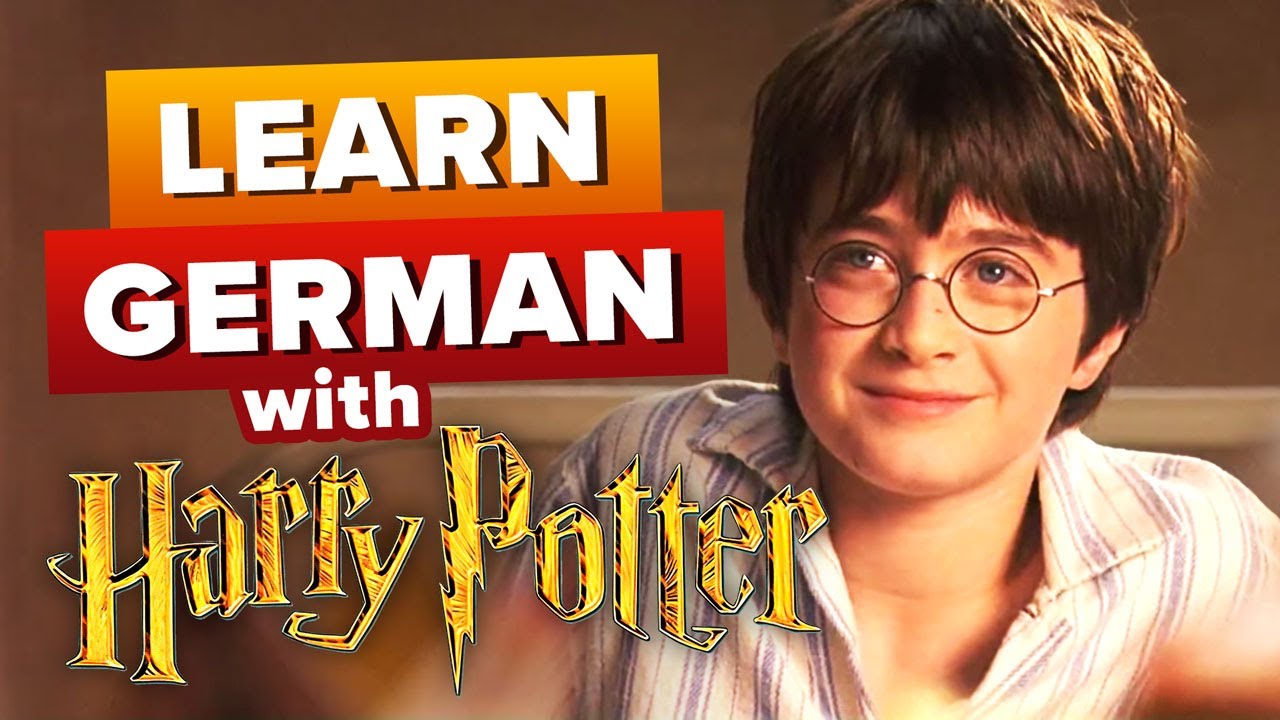
Engaging with movies to learn German offers a dynamic and immersive experience, but supplementing this method with additional learning tools and resources can significantly enhance language acquisition. These materials not only reinforce vocabulary and grammar but also provide diverse avenues for practice and understanding, catering to different learning styles and preferences. Incorporating such resources into your study routine ensures a well-rounded approach, increasing retention and fluency over time.
Effective language learning through movies is supported by a variety of supplementary tools. These include subtitles in multiple languages, transcripts of dialogues, vocabulary lists derived from movies, and interactive platforms that facilitate practice beyond passive viewing. Utilizing these resources allows learners to deepen their comprehension, clarify contextual meanings, and expand their vocabulary systematically. When combined with regular viewing, these tools transform movies from entertainment into powerful educational assets.
Online Platforms and Apps for Immersive Practice
To maximize the benefits of learning German through movies, learners should explore online platforms and mobile applications designed to foster immersive language practice. These resources provide interactive exercises, quizzes, and real-time feedback that complement movie viewing and reinforce acquired skills.
- Duolingo: A widely used app offering gamified language lessons, including vocabulary and listening exercises tailored for beginners and intermediate learners. It integrates movie-based vocabulary into its modules, providing contextual practice.
- Babbel: Focuses on conversation skills and vocabulary, often using authentic audio clips and dialogues from movies or similar sources to simulate real-life scenarios.
- LingQ: Offers extensive collections of authentic content, including movie transcripts, audio lessons, and vocabulary building tools. Users can import movie scripts and create personalized learning experiences.
- Yabla: Provides video-based language learning, including clips from movies, TV shows, and interviews with subtitles, enabling learners to practice listening and comprehension interactively.
- Netflix with Subtitles and Extensions: Platforms like Netflix allow learners to watch movies with customizable subtitles. Browser extensions such as Language Learning with Netflix (LLN) enable users to switch between subtitles, pause for vocabulary checks, and replay segments for better understanding.
Designing a Recommended Learning Schedule
An effective learning schedule that combines movies with other language activities ensures consistent progress and balanced skill development. A well-structured routine allows learners to integrate immersive watching with active practice, review, and reinforcement.
Devote specific days or times of the week to movie viewing, alternating with dedicated vocabulary and grammar sessions. For instance, allocate three days a week for watching movies with subtitles, followed by review sessions with vocabulary lists and exercises. Incorporate listening drills using platforms like Yabla on alternate days to enhance auditory skills. Consistent practice, combined with periodic assessments, helps monitor progress and adjust the schedule as needed.
To create an efficient timetable:
- Set aside regular viewing sessions, ideally 2-3 times per week, focusing on movies suited to your proficiency level.
- Follow each viewing with dedicated review, including vocabulary exercises and comprehension questions.
- Incorporate online practice tools into daily or bi-weekly routines to reinforce vocabulary and grammar.
- Include speaking and writing activities, such as shadowing dialogues or writing summaries of movies watched.
- Periodically evaluate progress through language tests or conversations with native speakers, adjusting the schedule to focus on areas needing improvement.
By combining these supplementary tools, online platforms, and a structured schedule, learners can transform passive movie viewing into an engaging, comprehensive, and effective German language learning experience.
Troubleshooting Common Challenges
When engaging with learning German through movies, learners often encounter certain hurdles that can hinder progress or diminish motivation. Recognizing these challenges and implementing effective strategies can significantly enhance the learning experience, turning obstacles into opportunities for growth. This section offers practical solutions and guidance to overcome typical difficulties faced during passive viewing of German films.Understanding fast speech is a common obstacle, particularly since native speakers often talk quickly and with varied intonations.
Maintaining motivation during passive viewing can also be challenging, especially when initial comprehension is minimal. Addressing these issues proactively ensures consistent progress and sustained enthusiasm for learning.
Overcoming Difficulty Understanding Fast Speech
Fast-paced speech can be overwhelming for learners, as it often leads to missed words and frustration. To improve comprehension of rapid dialogue, several strategies can be employed:
- Break down the viewing sessions into manageable segments, focusing on short scenes to gradually build familiarity with natural speech patterns.
- Use subtitles initially, preferably in German, to connect spoken words with their written forms, aiding in faster recognition and understanding.
- Implement active listening exercises outside of movie viewing, such as listening to German podcasts or audio recordings at varying speeds, to train the ear for different speech tempos.
- Repeatedly watch scenes or dialogues, pausing to analyze and repeat lines aloud, which helps internalize pronunciation and rhythm.
- Focus on context clues and body language within scenes to infer meaning when words are unclear, enhancing overall comprehension.
Practice patience and consistency; over time, exposure to authentic speech will naturally lead to improved speed comprehension.
Maintaining Motivation During Passive Viewing
Sustaining motivation is vital for consistent progress in language learning through movies. Passive viewing might sometimes feel unproductive, especially when initial understanding is limited. To keep motivation high:
- Set clear, achievable goals for each viewing session, such as understanding a particular scene or grasping specific vocabulary.
- Vary movie selections to include genres or topics of personal interest, ensuring engagement and emotional connection with content.
- Combine movie watching with active note-taking, such as jotting down new words or idiomatic expressions, making the process more interactive.
- Celebrate small victories, like understanding a scene without subtitles or recognizing familiar phrases, to reinforce progress.
- Integrate social elements, such as discussing movies with fellow learners or native speakers, to add social motivation and accountability.
Consistency and enjoyment are the cornerstones of sustained motivation; approaching movies as an enjoyable learning adventure fosters long-term commitment.
Troubleshooting Checklist for Common Pitfalls
A structured approach helps identify and resolve typical issues encountered when learning German through movies. This checklist can serve as a quick reference to optimize the learning process:
| Issue | Possible Cause | Recommended Solution |
|---|---|---|
| Difficulty understanding fast speech | Insufficient exposure to natural speed conversations | Practice with slower audio, then gradually increase speed; use subtitles and repeat scenes |
| Loss of motivation over time | Boredom or lack of perceived progress | Set specific goals, vary content, and celebrate small successes |
| Overreliance on subtitles | Fear of missing out or difficulty understanding | Gradually reduce subtitle use; focus on listening skills first, then verify with subtitles |
| Limited vocabulary retention | Passive exposure without active review | Maintain vocabulary journals, review regularly, and use new words in context |
| Inconsistent viewing schedule | Busy routines or forgetfulness | Establish a fixed routine, such as watching at the same time daily or weekly |
Regular self-assessment and flexible adaptation of strategies are essential to overcoming persistent challenges in language acquisition through movies.
Final Thoughts
Incorporating movies into your German learning process opens up a world of cultural insights and language practice that is both enjoyable and educational. By applying the strategies discussed, you can improve your skills steadily while immersing yourself in authentic German media. Embrace this approach to make your language journey more engaging and rewarding.