Learning how to learn English for travel conversations is an essential step for any traveler aiming to communicate effectively abroad. Mastering practical language skills can transform travel experiences, making interactions smoother and more enjoyable. Whether you’re navigating airports, ordering meals, or asking for directions, having a solid grasp of key phrases and strategies can significantly enhance your journey.
This guide provides comprehensive insights into understanding the importance of English in travel contexts, acquiring essential vocabulary, adopting effective learning strategies, practicing through role-plays, and overcoming common challenges. Additionally, cultural tips are included to ensure respectful and successful communication in diverse environments.
Understanding the importance of learning English for travel conversations
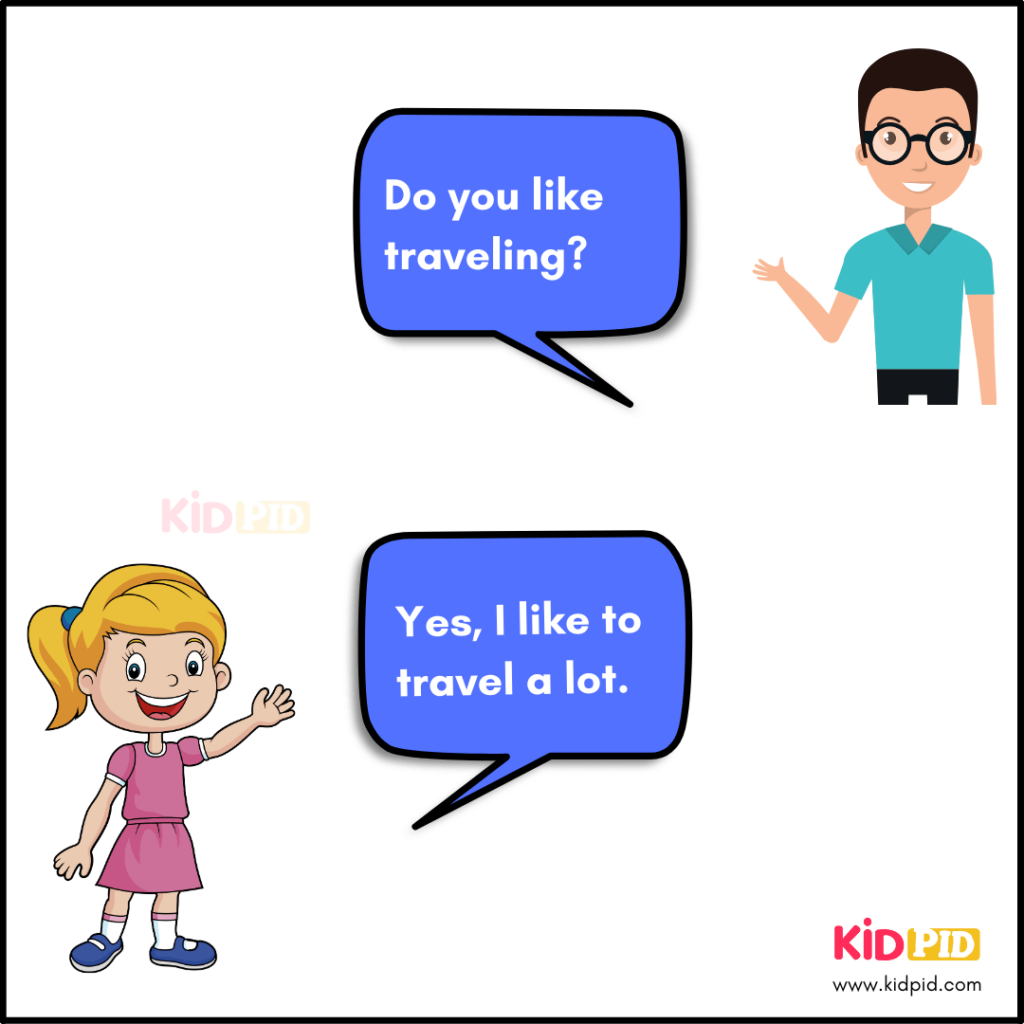
Mastering English for travel conversations significantly enhances the overall travel experience, providing travelers with greater confidence and independence in foreign environments. English is widely regarded as a global lingua franca, facilitating communication across diverse cultures and nations. For travelers, having a functional knowledge of English can mean the difference between smooth, enjoyable interactions and stressful misunderstandings.
In many travel scenarios, English serves as the common language that bridges communication gaps. Whether navigating airports, hotels, restaurants, or transportation services, possessing basic English skills ensures travelers can express their needs clearly and understand responses effectively. This proficiency not only helps in obtaining essential information but also in building rapport with locals and service providers, enriching cultural exchanges and ensuring safety.
Common travel situations that require English proficiency
During travel, there are numerous situations where English becomes indispensable. These include asking for directions in unfamiliar areas, communicating with hotel staff for check-in or assistance, ordering food at restaurants, and handling emergencies such as medical issues or lost belongings. English is frequently used in ticketing, baggage handling, and in digital interactions like online bookings or information kiosks, making it a vital skill for seamless travel experiences.
Comparison of language needs for different travel destinations
| Destination | Language Requirement |
|---|---|
| United States | English proficiency is essential, although many locals speak other languages; basic English helps in most situations. |
| France | Moderate knowledge of English is useful, especially in tourist areas, but learning basic French enhances interactions. |
| Japan | Basic English may suffice in big cities and tourist spots; however, understanding some Japanese phrases improves experiences. |
| Brazil | English is helpful in major cities and tourist sites; Portuguese skills are advantageous but not mandatory. |
| Thailand | English is somewhat common in tourist centers; local language skills can facilitate more meaningful interactions. |
Effective strategies to learn travel-specific English quickly
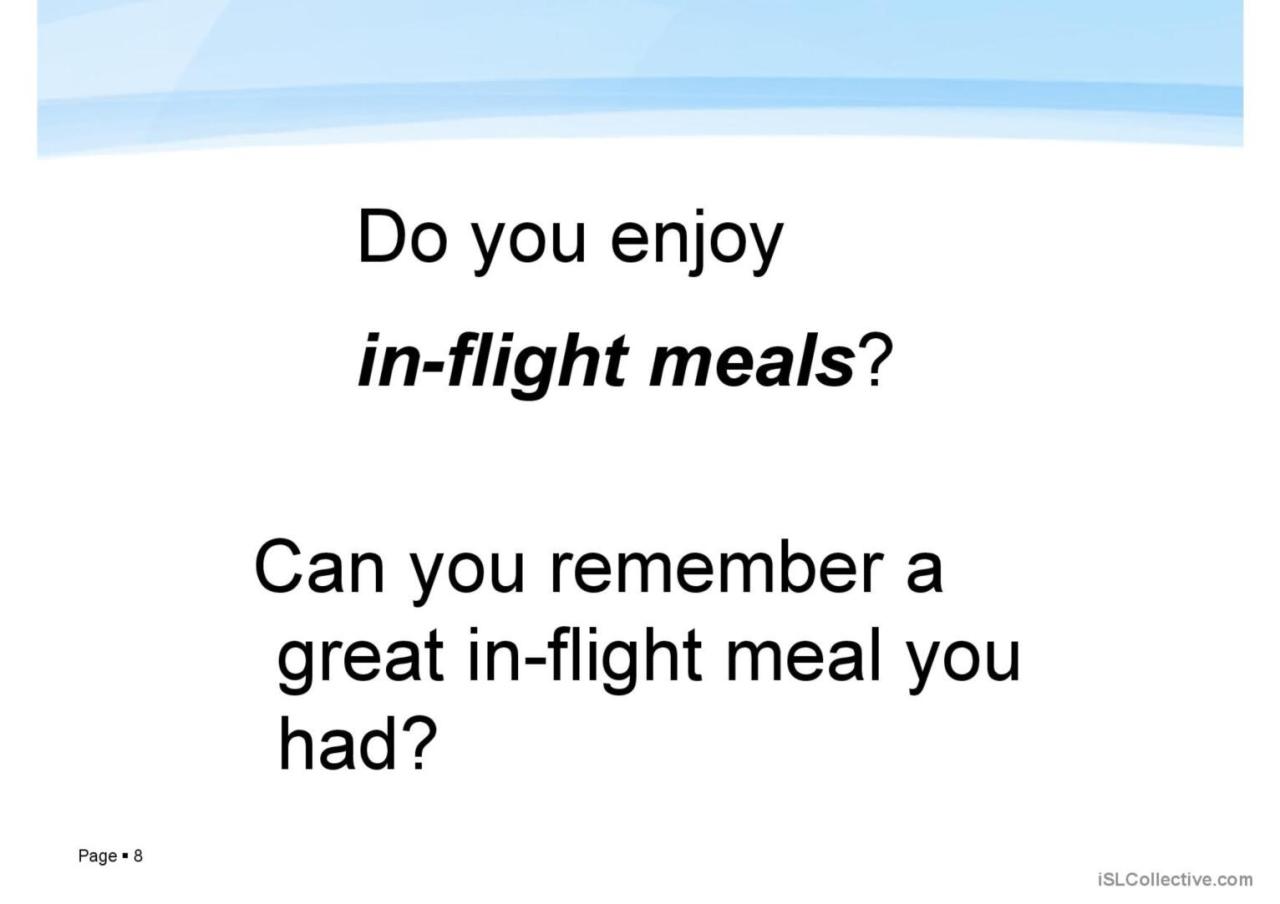
Mastering travel-related English efficiently is essential for navigating diverse situations abroad with confidence. Implementing targeted strategies can significantly accelerate language acquisition, making your travel experiences more enjoyable and less stressful. By adopting immersive and practical methods, learners can develop functional vocabulary and conversational skills tailored specifically to travel scenarios.
These strategies focus on integrating technology, active practice, and structured learning pathways. Using travel apps, audio resources, flashcards, and engaging with native speakers creates a dynamic environment for language acquisition. The goal is to build proficiency from basic phrases to more complex interactions in a systematic and enjoyable manner.
Designing an immersive learning process using travel apps, audio resources, and flashcards
Immersive learning involves engaging daily with practical language tools that simulate real-world travel situations. It is critical to select resources that emphasize listening, speaking, and memorization of common travel phrases. A step-by-step approach ensures steady progress and builds confidence in real-life interactions.
- Identify suitable travel apps that offer interactive lessons, scenario simulations, and pronunciation practice. Examples include Duolingo, Babbel, and Memrise, which have modules specifically tailored to travel vocabulary and dialogues.
- Incorporate audio resources such as podcasts, language learning channels, and recorded dialogues. Listening to native speakers in travel contexts enhances pronunciation, intonation, and comprehension skills. Regularly mimic pronunciation to improve clarity and natural speech flow.
- Create personalized flashcard sets focusing on essential phrases, vocabulary, and common expressions used in airports, hotels, restaurants, and transportation. Utilize spaced repetition techniques to reinforce memory and recall accuracy over time.
- Schedule daily practice sessions integrating these tools to ensure consistent exposure. For example, dedicate 15-20 minutes daily to app exercises, 10 minutes listening to audio clips, and flashcard review sessions for reinforcement.
- Simulate real travel scenarios by role-playing with language partners or through app features that recreate conversations, such as booking a hotel or asking for directions. Practicing in context enhances retention and confidence.
Practicing speaking with native speakers or language partners
Active conversational practice is crucial for acquiring fluency and understanding authentic language use in travel settings. Engaging regularly with native speakers or proficient language partners enables learners to receive immediate feedback, correct pronunciation, and adapt to various accents and colloquialisms.
Best practices include scheduling language exchange sessions through online platforms like Tandem, HelloTalk, or language cafes. These exchanges should focus on travel scenarios, encouraging learners to use targeted vocabulary and phrases in realistic contexts. Consistent practice not only improves speaking skills but also boosts confidence in handling unpredictable travel conversations.
Effective communication relies on contextual practice; engaging with native speakers offers exposure to natural speech patterns, idiomatic expressions, and cultural nuances essential for seamless travel interactions.
Prior to conversations, learners should prepare by practicing common questions and responses related to travel, ensuring they can participate actively. Recording sessions can help identify pronunciation issues, while receiving constructive feedback refines overall communication. Incorporating role-playing exercises, such as ordering food or asking for directions, enhances adaptability and conversational flow.
Flowchart for progressing from basic phrases to complex conversations
This visual tool guides learners through a structured pathway, ensuring systematic advancement in language proficiency tailored to travel needs. It emphasizes a gradual increase from simple expressions to nuanced dialogues, aligning learning stages with real-world application.
| Stage | Focus Area | Examples | Goals |
|---|---|---|---|
| Beginner | Essential phrases and vocabulary | “Hello,” “Thank you,” “Where is…?,” “How much?” | Introduce basic greetings and common questions used in travel situations |
| Intermediate | Simple dialogues and responses | Booking a hotel, ordering food, asking for directions | Handle routine interactions confidently and understand common responses |
| Advanced | Complex conversations and cultural nuances | Discussing travel plans, explaining preferences, handling complaints | Engage in detailed conversations, express opinions, and navigate unexpected situations effectively |
Progression is mapped through mastery of stages, with each phase building upon the previous. Learners should focus on practical usage, gradually increasing the complexity of dialogues they can handle. Regular review and real-world practice are vital for consolidating skills and ensuring readiness for actual travel encounters.
Practical Exercises and Role-Playing Scenarios for Mastering Travel English
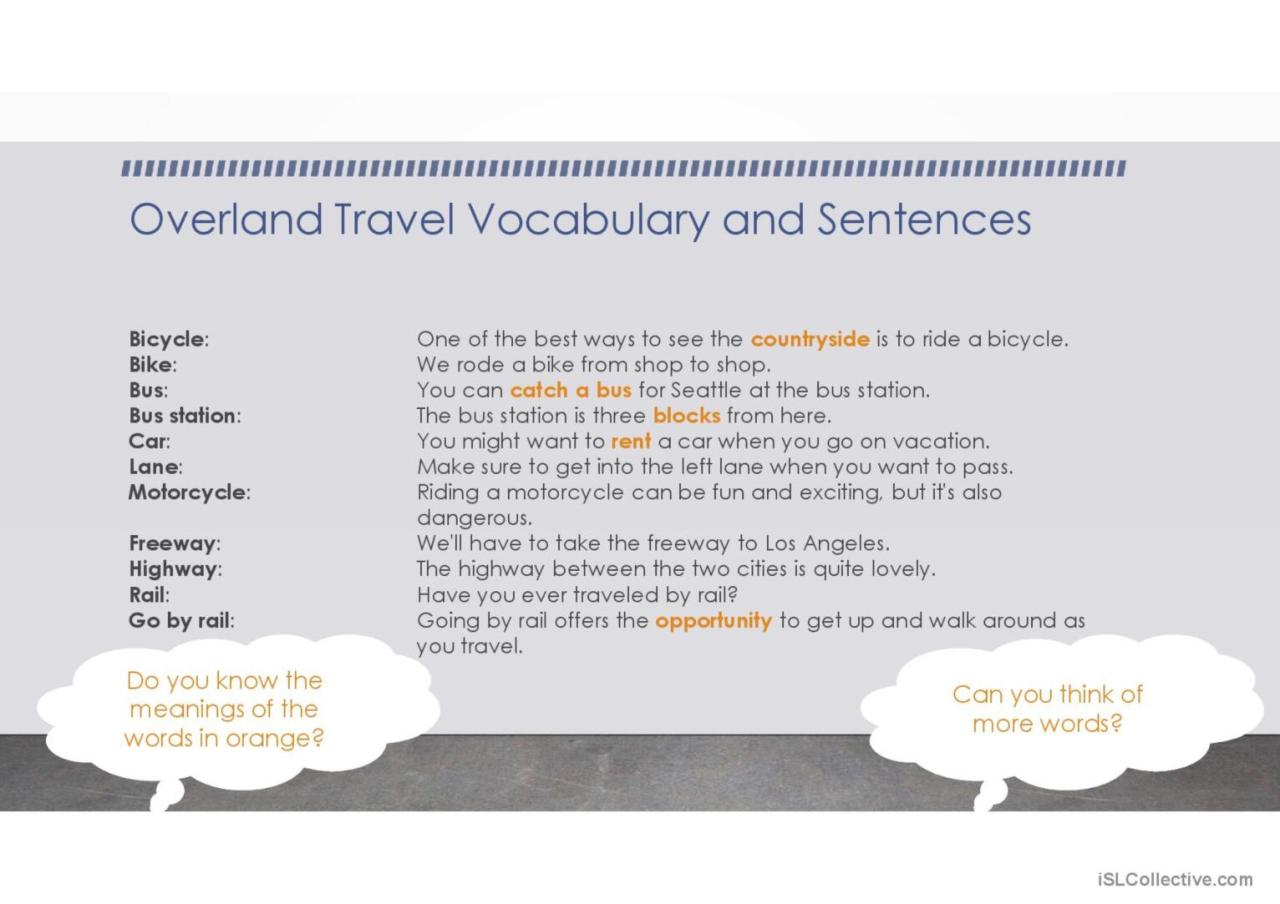
Engaging in practical exercises and role-playing activities is essential for developing confidence and fluency in travel-related English conversations. These methods allow learners to simulate authentic travel encounters, helping them internalize vocabulary, common phrases, and cultural nuances. By actively participating in simulated situations, learners can better prepare for real-life interactions, reducing anxiety and enhancing their ability to communicate effectively during travel experiences.Role-playing activities serve as dynamic tools to mimic common travel scenarios, encouraging learners to practice language in a safe and supportive environment.
These exercises foster spontaneous speaking, listening, and comprehension skills, which are vital when navigating airports, hotels, restaurants, or transportation services abroad. Additionally, incorporating listening exercises and comprehension drills with simulated conversations enables learners to attune their ears to various accents and speech patterns, making them more adaptable to diverse travel environments.Creating interactive quizzes and flashcard assessments with multiple-choice options further reinforces learning.
These tools help consolidate vocabulary, key phrases, and situational language, making practice engaging and accessible across different devices. Implementing responsive table formats ensures that assessments are visually organized and easy to navigate, promoting effective self-evaluation and continuous improvement.
Organizing Role-Play Activities Simulating Real-Life Travel Encounters
Organizing role-play activities requires a structured approach that encourages realistic simulation of travel situations. It involves pairing or grouping learners to act out scenarios based on typical travel encounters such as checking into a hotel, asking for directions, ordering food, or handling lost luggage. Each participant takes turns assuming different roles, which fosters adaptability and empathy.To maximize effectiveness, scenarios should be tailored to the proficiency level of the learners, gradually increasing in complexity.
For example, beginners might practice basic greetings and simple questions, while advanced learners can simulate complex interactions like negotiating prices or resolving issues with service providers. Incorporating props such as maps, fake tickets, or menus enhances realism and helps learners become accustomed to using authentic materials.Debriefing after each role-play offers valuable feedback, highlighting areas of strength and opportunities for improvement.
Recording these sessions allows learners to review their performance and identify pronunciation issues, hesitations, or grammatical errors. Regular practice in a variety of scenarios ensures learners develop a versatile vocabulary and the confidence needed for spontaneous travel conversations.
Methods for Practicing Listening and Comprehension through Simulated Conversations
Effective listening practice is crucial for understanding diverse accents and speech rates encountered during travel. Simulated conversations, created from authentic dialogues or recordings, provide an excellent platform for enhancing listening skills. These exercises expose learners to real-life language patterns, idiomatic expressions, and cultural nuances.One method involves listening to recorded dialogues followed by comprehension questions. These questions can range from multiple-choice to open-ended, testing the learner’s ability to grasp main ideas, specific details, and implied meanings.
For example, after listening to a conversation between a tourist and a taxi driver, questions might focus on the destination, fare, or directions provided.Another approach uses scripted role-plays where learners listen to a dialogue and then practice repeating or paraphrasing key parts. This repetition reinforces understanding and helps improve pronunciation. Additionally, integrating technology such as language learning apps or online platforms allows learners to access diverse audio materials, practice at their own pace, and receive immediate feedback.Encouraging learners to transcribe short dialogues also sharpens listening and note-taking abilities.
Over time, consistent exposure to varied audio content enhances overall comprehension and prepares learners to decipher different accents and speech styles during travel.
Developing Interactive Quizzes and Flashcard Assessments with Multiple-Choice Options in a Responsive Table Format
Interactive quizzes and flashcard assessments are effective tools for reinforcing vocabulary, phrases, and situational language use. These assessments can be designed to challenge learners’ knowledge while providing immediate feedback, fostering active engagement and self-assessment.In a responsive table format, each question is presented alongside multiple-choice options, making it easy to navigate on various devices. For example, a quiz question might present a scenario like “You want to buy a train ticket.
What phrase should you use?” with options such as:
| Question | Options |
|---|---|
| How much is a ticket to the city center? |
|
This format allows learners to select the most appropriate response and receive instant feedback, helping them solidify correct language use.Creating diverse questions covering greetings, directions, transportation, accommodations, and emergencies ensures comprehensive practice. Incorporating explanations or brief rationales for correct answers enhances understanding. Regularly updating and customizing these assessments based on learner progress maintains engagement and supports targeted learning goals.
Common Challenges and Solutions in Learning Travel English
Learning travel English presents unique challenges due to the specific vocabulary, situational contexts, and cultural nuances involved. Many learners face difficulties in mastering practical language skills that are essential for effective communication during travel. Recognizing these challenges and implementing targeted solutions can significantly enhance the learning process, making it more efficient and enjoyable.Understanding the typical hurdles learners encounter allows for the development of tailored strategies that address these issues directly.
Whether it’s overcoming pronunciation barriers, expanding vocabulary related to travel scenarios, or building confidence in speaking, identifying specific obstacles is the first step toward overcoming them. Consistent practice, positive reinforcement, and applying real-world contexts are key to transforming challenges into opportunities for growth.
Common Difficulties Faced by Learners and Strategies to Overcome Them
Many individuals studying travel English find certain aspects particularly challenging, such as pronunciation, understanding native speakers, or using appropriate idiomatic expressions. Addressing these issues requires a combination of practical methods and psychological resilience. For example, pronunciation difficulties can be mitigated through targeted phonetic exercises and listening to native speakers regularly. Building vocabulary tailored to travel scenarios can be facilitated through flashcards, thematic word lists, and contextual learning.
One common challenge is the fear of making mistakes during speaking practice. This often leads to hesitation and reduced practice opportunities. To combat this, learners are encouraged to adopt a growth mindset, viewing errors as part of the learning process. Engaging in supportive language exchange programs or role-playing activities can help build confidence, as learners receive constructive feedback in a non-judgmental environment.
Tips for Maintaining Motivation and Consistency During Language Practice
Sustained motivation and regular practice are crucial for achieving fluency in travel English. Setting clear, achievable goals such as mastering common travel phrases or successfully navigating a hotel check-in can provide a sense of progress. Incorporating language learning into daily routines, like listening to travel-related podcasts or practicing dialogues during commutes, reinforces consistency.
“Consistency over intensity is often more effective in language learning.”
Language Education Experts
Celebrating small milestones, such as successfully ordering coffee at a cafe or asking for directions, boosts motivation and reinforces learning. Engaging with authentic materials, such as travel blogs or videos, makes practice more relevant and enjoyable. Joining online communities or travel-focused language groups can also provide social support and accountability, making the learning journey more engaging.
Troubleshooting Common Speaking Errors: A Comparative Chart
Identifying and correcting speaking errors is vital for effective communication during travel. The following table Artikels typical errors, their causes, and practical troubleshooting steps that can help learners improve their spoken English in real-life situations.
| Common Error | Likely Cause | Troubleshooting Steps |
|---|---|---|
| Mispronunciation of key travel words (e.g., “reservation,” “terminal”) | Lack of familiarity with pronunciation or phonetic patterns |
|
| Incorrect use of prepositions in directions or requests | Limited exposure to context-specific language |
|
| Fluency hesitations or frequent pauses | Lack of practice or confidence |
|
| Incorrect pronunciation of intonation, leading to misunderstandings | Insufficient listening practice or tone awareness |
|
| Using formal language in casual travel situations | Overly formal learning materials or lack of contextual practice |
|
Cultural Tips for Effective Communication During Travel
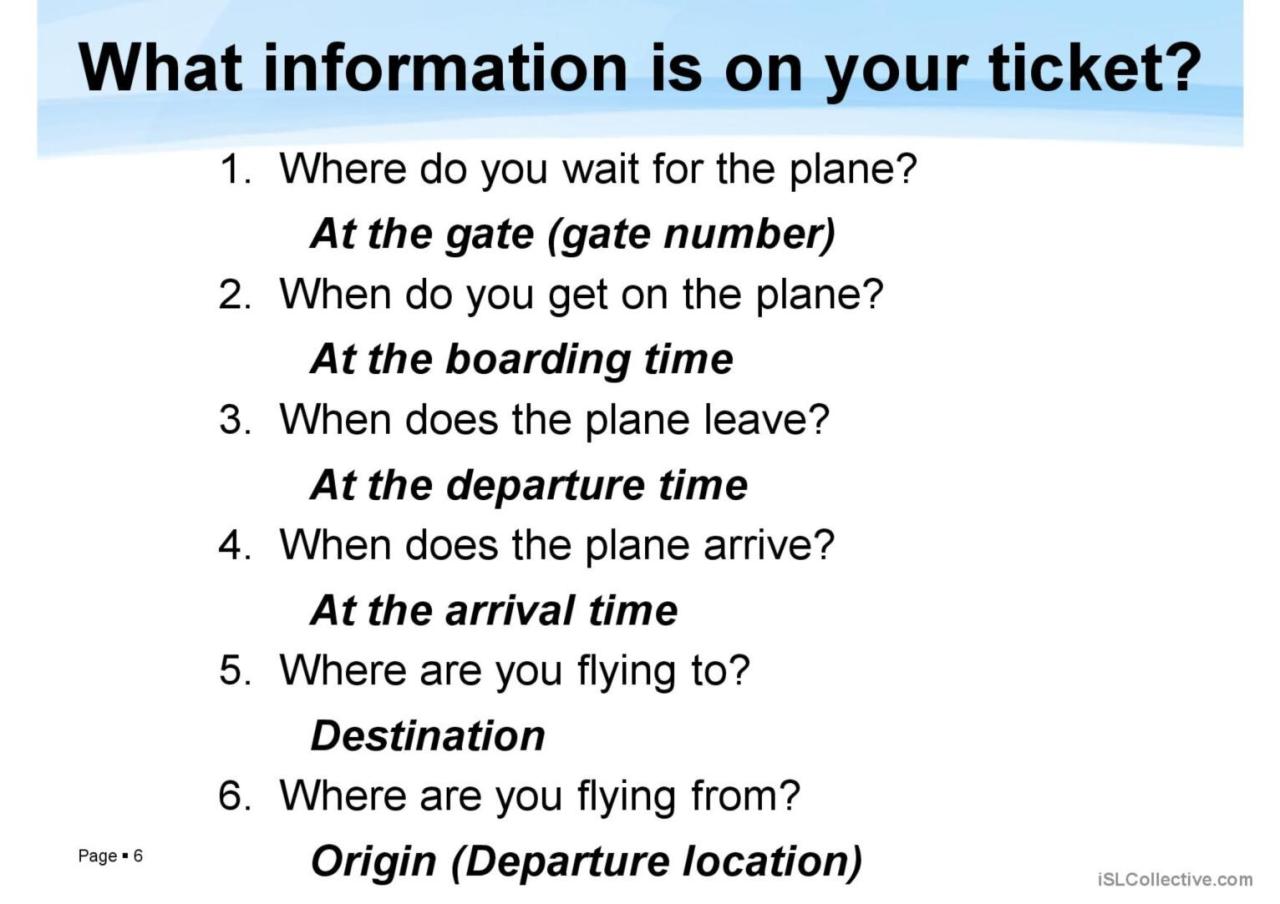
When traveling to English-speaking countries, understanding and respecting local cultural norms greatly enhances communication and fosters positive interactions. Recognizing cultural sensitivities and etiquette can prevent misunderstandings and demonstrate your respect for local customs, thereby enriching your travel experience.
Incorporating cultural understanding into language learning routines allows travelers to communicate more effectively and authentically. By studying cultural practices alongside language skills, travelers become more adaptable and sensitive interlocutors, capable of navigating diverse social settings with confidence and respect.
Understanding Cultural Sensitivities and Etiquette in Various English-Speaking Travel Environments
Different regions within English-speaking countries often have unique customs, social norms, and etiquette practices. Being aware of these differences is crucial for effective communication and respectful engagement. For example, in the United Kingdom, politeness and understatement are valued, whereas in Australia, directness and friendliness are common. In North America, punctuality is often appreciated, but informal greetings like handshakes or hugs may vary depending on context and familiarity.
Common cultural sensitivities include appropriate dress codes, gestures, and conversational topics. Avoiding sensitive subjects such as politics, religion, or personal finances unless invited to discuss them can prevent uncomfortable situations. Also, understanding local dining etiquette, gift-giving customs, and body language cues helps in creating positive interactions with locals and fellow travelers alike.
Ways to Incorporate Cultural Understanding into Language Learning Routines
Effective language acquisition for travel includes integrating cultural learning into daily routines. This can be achieved by engaging with authentic materials such as movies, documentaries, and podcasts that showcase local customs and social behaviors. Participating in cultural exchanges, whether in-person or virtual, offers practical experience in applying language skills within cultural contexts.
Practicing role-playing scenarios that emphasize cultural nuances enhances readiness for real-life interactions. For instance, rehearsing polite greetings, requesting directions politely, or expressing gratitude appropriately can boost confidence in unfamiliar environments. Keeping a cultural journal or notes about new customs encountered during travel helps reinforce learning and promotes ongoing awareness.
Additionally, engaging with native speakers through language exchange platforms allows learners to ask questions about etiquette and cultural practices directly, fostering a deeper understanding and more authentic communication skills.
Organized Insights into Cultural Aspects, Do’s, and Don’ts
| Culture Aspect | Do’s | Don’ts |
|---|---|---|
| Greeting and Personal Space | Offer a firm handshake; Maintain eye contact; Smile warmly | Ignore social cues; Stand too close; Use overly casual gestures with strangers |
| Politeness and Formalities | Use polite expressions like “please,” “thank you,” and “excuse me” | Be overly informal in formal settings; Forget to show appreciation |
| Dining Etiquette | Follow local customs for table manners; Say “Bon appétit” or equivalent if customary | Start eating before others are served; Reach across the table for items |
| Body Language and Gestures | Use positive gestures; Be mindful of gestures that may be offensive in certain cultures | Pointing with fingers; Making exaggerated or inappropriate hand movements; Crossing arms in certain contexts |
| Conversation Topics | Discuss local attractions, food, or positive travel experiences | Engage in politically sensitive topics; Criticize local customs or traditions |
Last Point
In conclusion, investing time in learning how to learn English for travel conversations empowers travelers to navigate new destinations with confidence and ease. By understanding key phrases, practicing regularly, and embracing cultural nuances, you can turn language barriers into bridges for memorable and enriching travel experiences. Prepare yourself today for a smoother journey tomorrow.