Discovering how to learn Spanish online free with Duolingo opens the door to accessible and effective language acquisition. As one of the most popular free language learning platforms, Duolingo offers an engaging and user-friendly environment that caters to learners at all levels. Whether you’re starting from scratch or seeking to improve your skills, understanding how to navigate and utilize Duolingo’s features can significantly enhance your learning experience.
This guide explores the steps to set up a free Duolingo account, effectively navigate its interface, follow structured learning paths, engage with interactive exercises, and leverage additional free resources. By adopting these strategies, learners can stay motivated and overcome common challenges, making their journey to mastering Spanish both enjoyable and productive.
Overview of Learning Spanish Online for Free
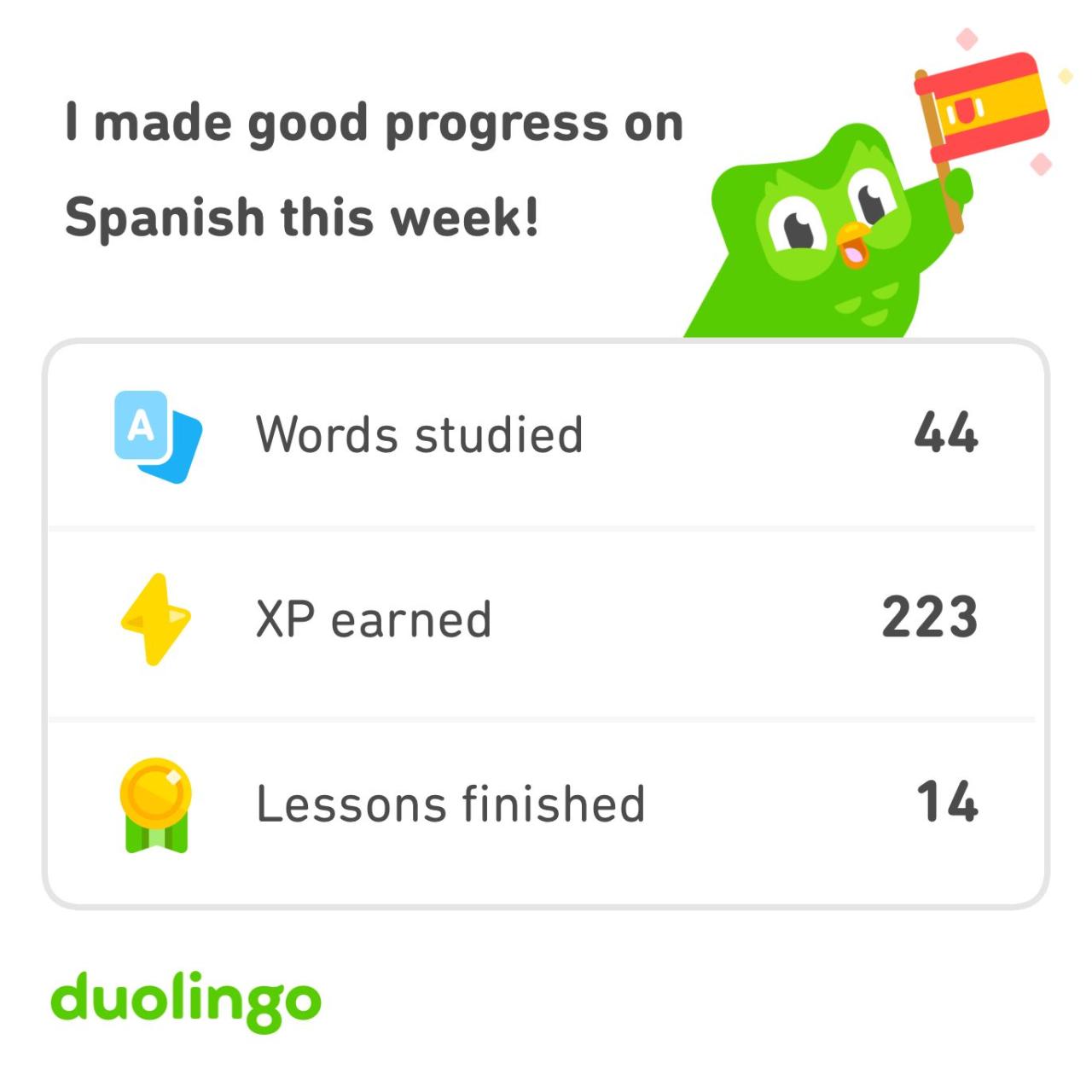
Learning Spanish online has become an accessible and cost-effective way for individuals worldwide to acquire a new language. Among the many platforms available, Duolingo stands out as a popular choice due to its engaging interface, comprehensive content, and zero cost. This approach empowers learners to practice at their own pace, making language acquisition flexible and immediate.
Duolingo’s platform facilitates learning through gamified exercises, interactive lessons, and instant feedback, ensuring users stay motivated and engaged throughout their journey. Its adaptive learning algorithms tailor the experience to individual progress levels, allowing beginners and advanced learners to benefit equally. Additionally, the platform provides a variety of resources such as vocabulary practice, pronunciation exercises, and grammar lessons that collectively enhance language proficiency.
The availability of a mobile app also ensures that learning can continue seamlessly anytime and anywhere.
Comparison of Free Online Resources for Learning Spanish
With numerous free resources available, selecting the most suitable platform requires understanding their key features, user-friendliness, and overall accessibility. The table below offers a comparative overview of some popular options beyond Duolingo, providing insights to help learners make informed choices.
| Resource Name | Features | User Friendliness | Accessibility |
|---|---|---|---|
| Duolingo | Gamified lessons, vocabulary drills, pronunciation, grammar exercises, progress tracking | Highly intuitive interface suitable for all ages, engaging visual design | Web and mobile app, offline mode available for premium users, compatible with iOS and Android devices |
| Memrise | Spaced repetition system, real-life context videos, pronunciation practice, user-generated content | User-friendly with clear layout, emphasis on multimedia learning | Web platform and mobile app, free access with optional premium features, easy navigation across devices |
| Busuu | Interactive exercises, conversation practice with native speakers, grammar tips | Structured lessons with straightforward interface, user support tools included | Accessible via web and app, free tier with limitations, available on iOS and Android |
| BBC Languages | Audio and video lessons, cultural insights, basic vocabulary, grammar explanations | Simple, easy-to-navigate site suitable for beginners | Web-based, free access, no registration required, compatible with all browsers |
| OpenLearn from the Open University | Comprehensive courses, grammar tutorials, cultural modules, quizzes | Structured learning paths, user-friendly interface for learners of all levels | Online platform, free registration required, accessible on any device with internet |
Note: While each platform offers unique features, the choice depends on individual learning preferences and goals. Incorporating multiple resources can enrich the learning experience and provide a well-rounded understanding of the Spanish language.
Setting Up a Free Duolingo Account for Spanish
Creating a Duolingo account is the initial step towards mastering Spanish online at no cost. The platform offers a user-friendly registration process designed to be accessible for learners of all ages and backgrounds. By setting up your free account, you gain access to a comprehensive suite of interactive lessons, practice exercises, and progress tracking tools tailored to help you learn Spanish effectively and conveniently from the comfort of your own home.
The registration process is straightforward, requiring only a few basic details to get started. Once you have your account set up, you can select Spanish as your target language and begin your language learning journey immediately. Below, we detail each step to ensure a smooth setup experience, along with common troubleshooting issues and their solutions to help you resolve potential difficulties efficiently.
Steps for Creating a Duolingo Account at No Charge
- Visit the official Duolingo website or download the mobile app. Navigate to https://www.duolingo.com using a web browser or download the app from your device’s app store (Google Play Store or Apple App Store).
- Click on the “Sign Up” button. This is prominently displayed on the homepage or login screen, guiding new users to initiate the registration process.
- Choose your preferred registration method. You can sign up using your email address, or opt for social media accounts such as Google, Facebook, or Apple ID for quicker registration.
- Fill in the required details. Enter your email address, create a secure password, or log in through your selected social media account, following the prompts provided.
- Verify your account if prompted. Some methods may require email verification through a confirmation link sent to your registered email address. Follow the instructions in the email to complete verification.
- Set up your profile and select your target language. After account creation, you will be prompted to choose your learning language, in this case, Spanish.
Selecting Spanish as the Target Language During Registration
Choosing Spanish as your learning language is a simple yet crucial step in customizing your Duolingo experience. During the registration process, after your account is created, Duolingo will ask you to select the language you wish to learn. This ensures that all lessons, exercises, and progress tracking are tailored specifically to your goal of learning Spanish. The platform supports a wide variety of languages, so it is essential to make this selection accurately to access the appropriate course content.
To select Spanish, you will typically find it listed among popular options on the main menu or in the language selection section. If you are using the mobile app, the language choice is usually made during initial setup or within account settings for adjustments later on. Confirming your language choice allows Duolingo’s algorithms to personalize your learning path, provide relevant vocabulary, and adapt exercises to your proficiency level.
Common Troubleshooting Issues During Account Setup and Solutions
While the process of creating a Duolingo account is designed to be seamless, some users may encounter issues. Recognizing these common problems and understanding the solutions can facilitate a smoother registration experience.
| Issue | Possible Cause | Solution |
|---|---|---|
| Email already in use | Trying to register with an email that is already associated with an existing account. | Use the “Forgot Password” feature to reset your password or register with a different email address. |
| Verification email not received | The email may be caught in spam filters or delayed. | Check your spam/junk folder. Add Duolingo to your email contacts or request a new verification email. |
| Login issues with social media accounts | Incorrect credentials or account linking problems. | Ensure you are logged into the correct social media account. Reauthorize or reconnect the accounts if needed. |
| App or website not loading properly | Internet connectivity issues or browser incompatibility. | Check your internet connection, update your browser or app, or try accessing via a different device or browser. |
| Difficulty selecting the target language | Language list not displayed correctly or interface glitches. | Refresh the page, clear browser cache, or reinstall the app. Contact Duolingo support if the issue persists. |
By following these detailed steps and troubleshooting tips, learners can confidently set up their free Duolingo account for Spanish, ensuring a smooth start to their language learning adventure. Remember, patience and persistence are key when navigating initial technical challenges, and Duolingo’s support resources are available to assist if needed.
Navigating Duolingo’s Interface for Spanish Learners
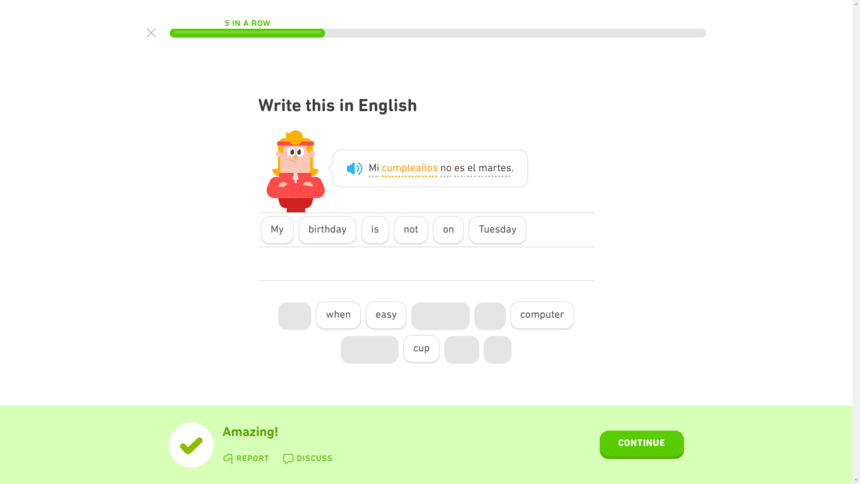
Understanding how to effectively navigate Duolingo’s interface is essential for maximizing your Spanish learning experience. The platform offers a user-friendly layout designed to guide learners through structured lessons, practice activities, and progress tracking features seamlessly. Familiarity with each section enables learners to utilize the platform efficiently, ensuring consistent practice and steady advancement in language proficiency.
Duolingo’s interface is organized into distinct sections that collectively support the learning process. Each component serves a specific purpose, from introducing new vocabulary to consolidating existing knowledge through review and challenges. Customizing your experience by adjusting settings and exploring available features enhances engagement and helps tailor your learning journey to your personal preferences and goals.
Duolingo’s Main Features and Layout for Spanish Courses
Duolino’s dashboard for Spanish learners is designed for intuitive navigation, presenting key features prominently to facilitate easy access. The main layout typically includes the following components:
| Section | Description |
|---|---|
| Dashboard | The central hub where learners see their current lesson streak, upcoming lessons, and overall progress. It provides quick access to ongoing courses and personalized recommendations. |
| Lessons | Structured modules divided into skill trees, covering vocabulary, grammar, and conversational skills. Each lesson builds on previous knowledge and includes interactive exercises. |
| Practice & Review | Dedicated sections for reinforcing learned material through exercises like flashcards, multiple-choice questions, and listening activities. Regular practice helps solidify retention. |
| Challenges & Quests | Weekly or daily challenges that motivate learners through gamified tasks such as earning crowns, completing streaks, or participating in special quests to boost engagement. |
| Progress Tracking | Displays detailed metrics including completed lessons, mastery levels, experience points (XP), and streaks. Visual indicators like progress bars and badges help monitor advancement. |
Customizing Learning Settings to Enhance Spanish Learning
Personalization of the learning environment allows learners to create a more comfortable and effective study routine. Duolingo provides several options to adjust settings based on individual needs:
- Notification Preferences: Enable or disable reminders to stay consistent with daily practice, which is crucial for language retention.
- Learning Goals: Set daily XP targets or time commitments to match your availability and motivation levels, helping to maintain a sustainable pace.
- Audio and Visual Settings: Adjust sound effects, speech playback speed, and visual themes to improve accessibility and reduce distractions.
- Language Settings: Change interface language or switch learning modes, such as practice-only or challenge-based modes, to focus on specific skills or aspects of the language.
“Customizing your settings ensures that your language learning experience on Duolingo remains engaging, personalized, and aligned with your objectives.”
Effective navigation and thoughtful customization of Duolingo’s interface empower learners to take control of their Spanish acquisition journey. By understanding and utilizing these features, learners can optimize their study sessions for better retention and enjoyment.
Structured Learning Paths in Duolingo for Spanish
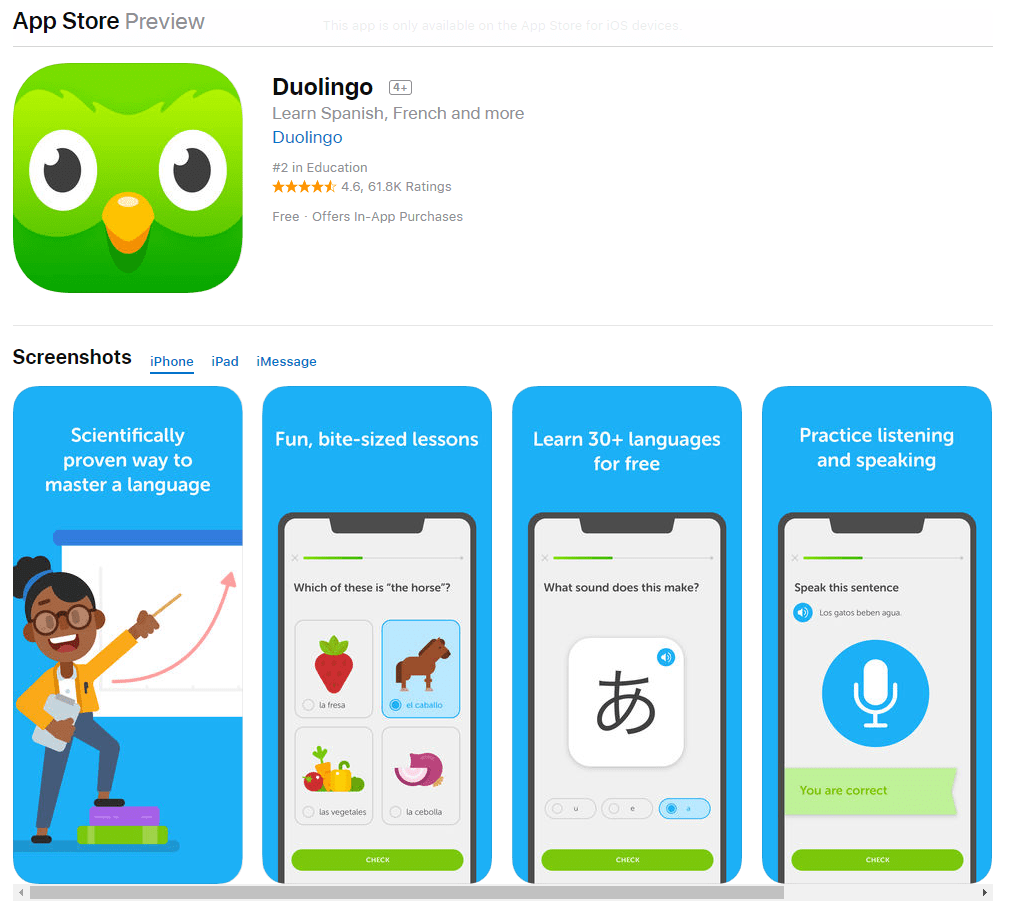
Embarking on a structured language learning journey with Duolingo provides a clear pathway to mastering Spanish efficiently. By following the organized course levels and units, learners can systematically build their vocabulary, grammar, and comprehension skills, ensuring steady progress and confidence in real-world communication.
Understanding how to navigate and utilize these structured paths effectively can significantly enhance your learning experience. This involves knowing how to approach lesson sequences, manage your daily goals, and utilize the course modules to maximize retention and skill development.
Following the Structured Course Levels and Units for Effective Learning
Duolingo’s Spanish course is divided into progressive levels and thematic units designed to develop comprehensive language skills. Each level introduces new vocabulary, grammatical concepts, and conversational phrases, building upon the previous content to create a cohesive learning experience.
To ensure effective learning, it’s important to complete lessons within each unit sequentially. Skipping ahead may lead to gaps in understanding, as later modules often rely on foundational knowledge established earlier. Regularly reviewing completed lessons reinforces retention and helps solidify understanding.
Starting from the initial introduction to basic phrases and gradually advancing through more complex grammatical structures and vocabulary ensures a balanced progression. It’s advisable to pay close attention to feedback provided during exercises and to revisit challenging lessons as needed.
Methods to Efficiently Progress Through Lessons and Manage Daily Goals
Maximizing your learning efficiency involves strategic planning of your daily practice sessions and goal management. Setting achievable daily goals—such as completing a specific number of lessons or practicing for a set duration—helps maintain consistency and momentum.
Utilize Duolingo’s goal-setting feature to tailor your practice schedule according to your availability. For example, a beginner might start with a 10-minute daily goal, gradually increasing as proficiency improves. Consistency outweighs intensity; regular short sessions are often more effective than sporadic, lengthy practices.
To further enhance progress, incorporate review sessions of previously completed lessons, especially those covering challenging topics. Use the “Practice” feature to reinforce vocabulary and grammar skills. Tracking your XP (experience points) and milestones can serve as motivation and benchmarks for your development.
Typical Course Modules, Content Focus, and Recommended Pace
To provide clarity on the course structure, the following table Artikels common modules, their content focus, and suggested pacing to optimize learning outcomes:
| Module | Content Focus | Recommended Pace |
|---|---|---|
| Introduction to Basic Phrases | Greetings, introductions, common expressions | 1 week, 3-4 lessons per day |
| Basic Grammar and Vocabulary | Nouns, pronouns, simple verb tenses, essential vocabulary | 2 weeks, 4-5 lessons per day |
| Conversational Phrases and Practical Dialogue | Everyday conversations, questions, essential interactions | 2-3 weeks, 3-4 lessons daily |
| Intermediate Grammar and Sentence Structure | Past and future tenses, adjective agreement, complex sentences | 3 weeks, 4 lessons per day |
| Advanced Vocabulary and Cultural Context | Idiomatic expressions, cultural nuances, listening comprehension | 2-3 weeks, 3-4 lessons daily |
“Consistent, paced practice aligned with structured modules ensures comprehensive mastery and sustained motivation.”
Engaging with Interactive Spanish Practice on Duolingo
Interactive practice sessions on Duolingo provide a dynamic and effective way to reinforce learning, build confidence, and develop practical language skills. Leveraging these features maximizes the benefits of your Spanish learning journey by transforming passive study into active engagement, which is essential for retention and fluency. Understanding how to utilize these tools effectively can significantly enhance your overall progress in acquiring the Spanish language.
Duolingo offers a variety of interactive activities, including practice sessions, quizzes, and speaking exercises, each designed to target different language competencies. Engaging regularly with these features ensures consistent practice, helps identify areas needing improvement, and deepens vocabulary and grammar understanding. Thoughtful use of these tools supports sustained motivation and makes the learning process both enjoyable and productive.
Utilizing Practice Sessions, Quizzes, and Speaking Exercises
Practice sessions in Duolingo are tailored to reinforce learned concepts through repetition and targeted exercises. These sessions often appear as “strengthening” activities, encouraging learners to revisit previous lessons to solidify their mastery. Quizzes provide an assessment of your comprehension, enabling you to track progress and identify weak spots, while speaking exercises develop pronunciation and oral fluency. Engaging with all these components consistently ensures a well-rounded language acquisition process.
| Practice Components | Purpose | Best Practice Tips |
|---|---|---|
| Practice Sessions | Reinforce vocabulary and grammar skills through targeted exercises | Repeat exercises until you reach full strength, and focus on challenging areas |
| Quizzes | Assess understanding and retention of previous lessons | Attempt quizzes without rushing; review incorrect answers to improve |
| Speaking Exercises | Improve pronunciation and conversational skills | Use headphones for clarity; mimic native pronunciation; record and compare your speech |
Best Practices for Maximizing Retention During Interactive Activities
“Consistent, deliberate practice with varied activities enhances long-term retention and language proficiency.”
Adopting specific strategies during these interactive activities can greatly improve memorization and understanding. Prioritize quality over quantity by engaging mindfully with each exercise, aiming for accuracy rather than speed. Repeating exercises until they are mastered ensures that language concepts are firmly embedded. Taking notes on difficult words or grammar points encountered during practice can aid subsequent review and consolidate learning.
- Set specific goals for each practice session, such as mastering particular vocabulary sets or grammar rules.
- Use the “Practice Weak Skills” feature regularly to target areas needing improvement.
- Incorporate speaking exercises into your routine to develop pronunciation and confidence in verbal communication.
- Combine interactive activities with other learning methods, like listening to Spanish podcasts or reading articles, to reinforce context and usage.
Using In-Platform Tools to Enhance Vocabulary Building
Duolingo provides several tools designed specifically to expand vocabulary and improve recall. Flashcards, for instance, are an effective way to memorize new words and their meanings through spaced repetition. Vocabulary practice sections offer targeted exercises that challenge learners to recall and use vocabulary in context, fostering deeper understanding and retention. Integrating these tools into your daily routine ensures a steady expansion of your Spanish lexicon.
“Active engagement with vocabulary tools accelerates language acquisition, making new words more accessible in real-life conversations.”
To maximize the benefits of these tools, regularly review flashcards and use the vocabulary practice feature after completing lessons. Creating personalized flashcard decks for challenging words allows for focused revision. Additionally, applying new vocabulary in sentences or speaking exercises helps solidify retention and improves your ability to recall words naturally in conversations.
Utilizing Additional Free Resources within Duolingo
![[Free] Learn Duolingo Spanish Free Lessons 2025 | DPC](https://teknoline.web.id/wp-content/uploads/2025/09/how-long-does-it-take-to-learn-spanish-with-duolingo-1024x579-1.jpg "[Free] Learn Duolingo Spanish Free Lessons 2025 | DPC")
Enhancing your Spanish learning journey beyond the core lessons on Duolingo can significantly improve your language proficiency. Supplementary resources such as Stories, Podcasts, and Discussion Forums provide diverse exposure to real-life language use, cultural context, and interactive engagement. Integrating these tools into your routine can make learning more dynamic, enjoyable, and effective.
These additional materials are designed to reinforce vocabulary, improve listening skills, and foster active participation in the language community. They allow learners to practice Spanish in varied formats, catering to different learning styles and increasing overall language retention. Properly accessing and leveraging these resources can transform a basic learning experience into a comprehensive immersion into the Spanish language.
Accessing and Leveraging Duolingo Stories, Podcasts, and Discussion Forums
Duolingo provides a range of free resources that are easily accessible within the platform, enhancing your immersion and comprehension. To maximize their benefits, learners should incorporate these activities into their daily study routines, dedicating specific times to listen, read, and participate. This consistent engagement ensures continual exposure to authentic language use, leading to better retention and fluency.
Duolingo Stories are short, engaging narratives that feature vocabulary and grammar in context. Podcasts offer conversational practice and cultural insights, making them invaluable for listening skills. Discussion Forums foster community interaction, allowing learners to ask questions, share experiences, and clarify doubts with fellow Spanish speakers and enthusiasts. Access these resources directly through the Duolingo app or website, often via dedicated tabs or links within each course section.
Downloading episodes or stories for offline use can further facilitate practice during commutes or offline periods.
Extra Free Resources for Comprehensive Spanish Exposure
| Resource | Purpose | Tips for Effective Use |
|---|---|---|
| Duolingo Stories | Enhances reading comprehension and vocabulary through contextual narratives | Read along with audio to improve pronunciation; try retelling stories to reinforce understanding |
| Duolingo Podcasts | Improves listening skills with real-life stories and cultural insights | Listen actively without subtitles; pause and repeat difficult sections; take notes of new phrases |
| Discussion Forums | Provides community support, practice opportunities, and clarification of doubts | Participate regularly by asking questions, commenting on posts, and engaging with other learners |
| Language Exchange Platforms (e.g., Tandem, HelloTalk) | Real-time conversation practice with native speakers | Engage in regular conversations; set specific goals such as vocabulary practice or cultural exchange |
| Online Spanish News Websites (e.g., BBC Mundo, El País) | Exposure to current events and diverse vocabulary in context | Read articles daily; use dictionaries for unfamiliar words; try summarizing articles aloud |
| YouTube Channels (e.g., Butterfly Spanish, SpanishDict) | Visual and auditory explanations of grammar, vocabulary, and culture | Follow along with lessons; pause and replay segments to reinforce learning; take notes |
“Consistent integration of diverse resources accelerates language acquisition by exposing learners to real-world usage, cultural nuances, and interactive dialogue.”
Language Learning Expert
Overcoming Common Challenges in Free Online Spanish Learning
Learning Spanish through free online platforms like Duolingo offers immense flexibility and accessibility. However, learners often encounter obstacles that can impede progress and reduce motivation. Addressing these challenges proactively is essential for sustained improvement and successful language acquisition. By understanding common issues and implementing effective strategies, learners can maintain momentum and achieve their language goals more efficiently. Overcoming these challenges involves recognizing specific hurdles such as plateaus in progress, limited opportunities for speaking practice, waning motivation, or difficulty staying consistent.
Employing tailored solutions and adopting best practices can significantly enhance the online learning experience, ensuring that learners remain engaged and steadily advance in their proficiency.
Dealing with Learning Plateaus
Learning plateaus occur when progress seems to stagnate despite consistent effort. This is a common experience among language learners, often leading to frustration and diminished motivation. To overcome this, learners should diversify their study methods and set new, achievable goals that challenge their current skills.
- Incorporate varied practice activities, such as listening to Spanish podcasts, watching movies, or engaging with Spanish music to stimulate different areas of language comprehension.
- Set specific, short-term targets, like mastering a particular topic or vocabulary set, to regain a sense of achievement and direction.
- Periodically review previously learned material to reinforce retention and identify gaps in knowledge.
“Breaking through a plateau requires changing your routine, setting fresh goals, and embracing new learning strategies to reignite motivation.”
Lack of Practice Partners
A significant challenge in online learning is the limited availability of immediate conversational practice with native speakers or fellow learners. This can hinder speaking and listening skills development. To address this, learners should actively seek out online communities and language exchange partners.
- Join language exchange platforms like Tandem or HelloTalk to connect with native speakers interested in language swapping.
- Participate in Duolingo’s community forums or social media groups dedicated to Spanish learners for peer support and practice opportunities.
- Utilize virtual meetups or language cafes that offer free conversational sessions, fostering real-time interaction beyond structured exercises.
“Engaging with native speakers or fellow learners enhances pronunciation, fluency, and cultural understanding, which are crucial for language mastery.”
Maintaining Motivation and Consistency
Sustaining motivation over time is vital for continuous progress in a self-directed online environment. Fluctuations in enthusiasm can lead to inconsistent study habits and setbacks. Effective strategies involve creating a structured routine and rewarding oneself for milestones achieved.
- Develop a consistent daily or weekly study schedule, integrating Spanish practice into your routine to build habit and discipline.
- Track your progress and celebrate small victories, such as completing a level or mastering a new set of vocabulary, to reinforce motivation.
- Mix studying with enjoyable activities like watching Spanish films or playing language games to keep engagement high.
- Set realistic expectations and remember that language learning is a gradual process with ups and downs.
“Persistence, variety, and setting attainable goals are key ingredients for maintaining motivation and ensuring steady language improvement.”
Best Practices Checklist for Continued Improvement
To maximize the effectiveness of free online Spanish learning, establishing a set of best practices helps in overcoming obstacles and maintaining progress. The following checklist serves as a practical guide:
- Establish a consistent learning schedule and stick to it.
- Set clear, achievable short-term and long-term goals.
- Diversify learning activities to include listening, speaking, reading, and writing.
- Engage with native speakers or language exchange communities regularly.
- Keep a vocabulary journal or digital flashcards for daily review.
- Participate in Duolingo’s challenges or community events to boost motivation.
- Integrate Spanish into daily life through media, social interactions, or practical use cases.
- Track your progress to identify improvements and areas needing reinforcement.
- Be patient and adaptable; accept setbacks as part of the learning journey.
“Consistent effort, diversified learning methods, and active engagement form the foundation for overcoming challenges and achieving fluency in Spanish.”
Conclusive Thoughts
In conclusion, mastering how to learn Spanish online free with Duolingo offers a flexible and comprehensive approach to language learning. By utilizing the platform’s features, engaging with supplementary materials, and maintaining consistent progress, learners can achieve their language goals efficiently. Embarking on this journey with dedication and the right strategies ensures a rewarding and successful experience in learning Spanish online.