Embarking on the journey to master French for exams and certifications can seem daunting, but with the right approach, it becomes an achievable and rewarding endeavor. This guide is designed to equip you with the essential knowledge, strategies, and resources needed to navigate the world of French language exams, from the foundational A1 level to the advanced C2. Whether your goal is to pass the DELF/DALF, TEF, TCF, or other recognized certifications, this resource will serve as your trusted companion.
Within these pages, you’ll discover a detailed overview of exam structures, scoring systems, and effective study techniques. We’ll delve into the nuances of French grammar and vocabulary, provide practical tips for honing your listening, speaking, reading, and writing skills, and explore the role of technology and feedback in your learning journey. Prepare to transform your approach to French learning and unlock your potential for success.
Understanding the French Exam Landscape
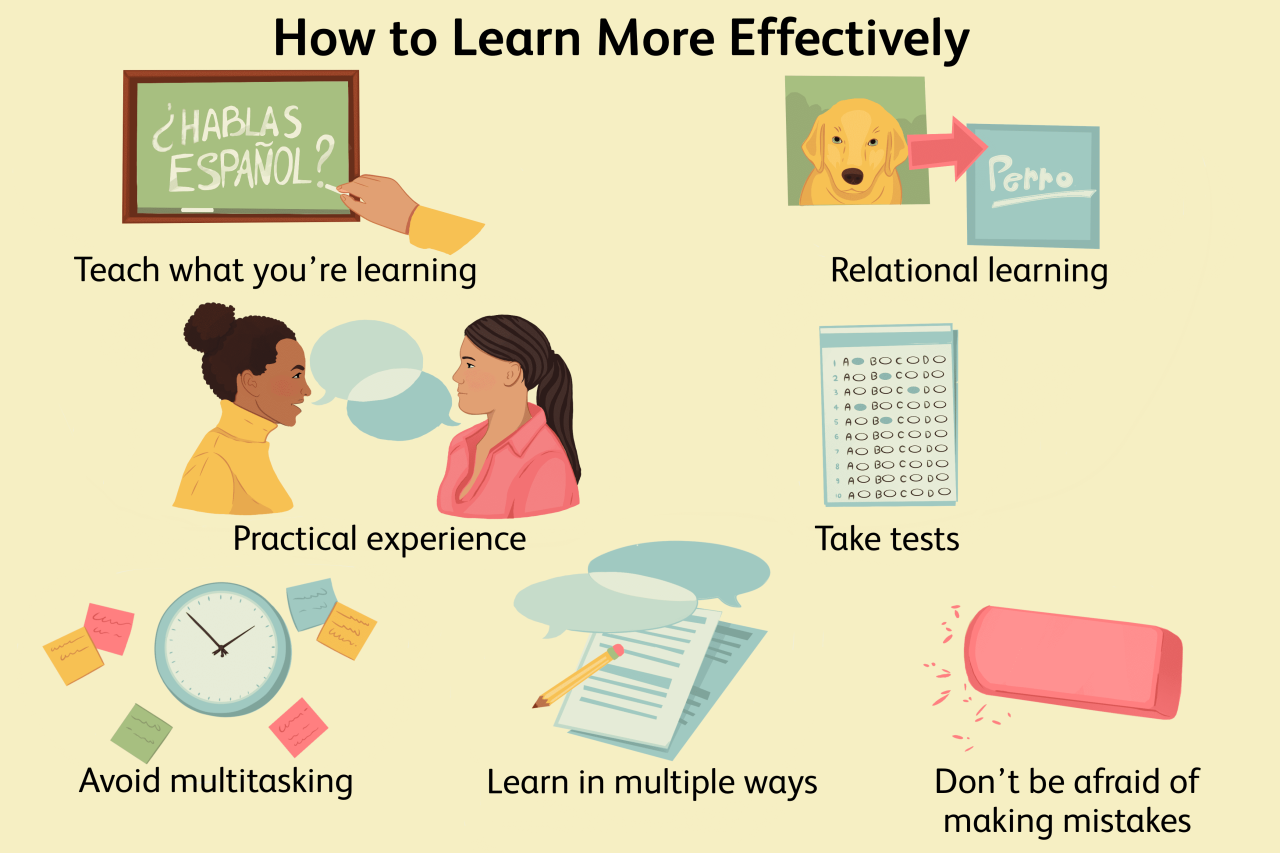
The landscape of French language exams and certifications is vast and varied, designed to assess proficiency in French for different purposes, from academic pursuits to professional opportunities. Understanding the different types of exams, their structures, and scoring systems is crucial for anyone aiming to demonstrate their French language skills. This knowledge allows learners to choose the most appropriate exam for their goals and to prepare effectively.
Common French Exams and Certifications
Several standardized exams are recognized globally for evaluating French language proficiency. Each exam has its own format, focus, and purpose.
- DELF/DALF (Diplôme d’Études en Langue Française / Diplôme Approfondi de Langue Française): These diplomas, issued by the French Ministry of Education, are the most widely recognized French language certifications. They are valid for life and assess proficiency at six levels: A1, A2, B1, B2, C1, and C2, aligned with the Common European Framework of Reference for Languages (CEFR). DELF covers levels A1 to B2, while DALF covers levels C1 and C2.
- TEF (Test d’Évaluation de Français): The TEF is a general French language proficiency test, often used for immigration and academic purposes. It assesses comprehension and expression skills in written and oral forms. It is available in various formats (TEF Canada, TEF Québec, etc.) tailored to specific needs.
- TCF (Test de Connaissance du Français): Similar to the TEF, the TCF is a standardized test designed to assess general French language skills. It is also aligned with the CEFR and is used for various purposes, including immigration and university admissions. The TCF is issued by the French Ministry of Education.
- TCF ANF (Test de Connaissance du Français pour l’accès à la nationalité française): This specific version of the TCF is designed for individuals seeking French citizenship.
- Other Specialized Exams: Beyond the main exams, there are specialized French language tests, often tailored for specific professional fields (e.g., French for Tourism, French for Business).
Levels of French Proficiency and Exam Structures
French language proficiency is categorized into six levels according to the CEFR, providing a standardized framework for assessing language skills. Each level builds upon the previous one, with increasing complexity and requirements.
- A1 (Beginner): Learners at this level can understand and use very basic expressions to satisfy immediate needs. They can introduce themselves and ask basic personal information.
- A2 (Elementary): Individuals at this level can understand sentences and frequently used expressions related to areas of immediate relevance (e.g., very basic personal and family information, shopping, local geography, employment).
- B1 (Intermediate): At this level, learners can understand the main points of clear standard input on familiar matters regularly encountered in work, school, leisure, etc. They can produce simple connected text on topics that are familiar or of personal interest.
- B2 (Upper-Intermediate): Learners can understand the main ideas of complex text on both concrete and abstract topics, including technical discussions in their field of specialization. They can interact with a degree of fluency and spontaneity that makes regular interaction with native speakers quite possible without strain for either party.
- C1 (Advanced): Individuals at this level can understand a wide range of demanding, longer texts, and recognize implicit meaning. They can express themselves fluently and spontaneously without much obvious searching for expressions.
- C2 (Mastery): At this highest level, learners can understand with ease virtually everything heard or read. They can summarize information from different spoken and written sources, reconstructing arguments and accounts in a coherent presentation.
Each exam, whether DELF/DALF, TEF, or TCF, assesses these levels differently, using a combination of listening comprehension, reading comprehension, written expression, and oral expression components. The specific structure of each exam varies depending on the level being tested. For example, DELF A1 focuses on basic communication, while DELF B2 requires more complex language skills.
Scoring System and Grading Criteria for French Exams
The scoring systems and grading criteria differ among the French language exams. However, all exams are designed to assess the four key language skills: listening comprehension, reading comprehension, written expression, and oral expression.
- DELF/DALF: These exams are graded out of 100 points, with each of the four skills assessed independently. A passing score for each section is generally 50/100, and a total score of 50/100 is needed to pass the exam. However, specific requirements may vary depending on the level.
- TEF/TCF: These tests often use a different scoring system, with scores presented on a scale that corresponds to the CEFR levels. The results provide a detailed profile of the candidate’s language abilities.
Interpreting the results involves understanding the scores achieved in each skill area and their corresponding CEFR level. For instance, achieving a score that places a candidate in the B1 level indicates that they have attained the language skills required for that level. Certificates provide a breakdown of scores, enabling candidates to identify their strengths and weaknesses. Candidates who do not achieve the required score may retake the exam.
DELF and DALF Exam Structure, Duration, and Scoring
The DELF and DALF exams, being the most widely recognized French language certifications, share a common structure, yet they differ in their level of difficulty and scope. Here’s a comparison:
| Exam Level | Components | Duration (Approximate) | Scoring |
|---|---|---|---|
| DELF A1 | Listening comprehension, Reading comprehension, Written production, Oral production | 1 hour 20 minutes | Total score out of 100 (50/100 to pass) |
| DELF A2 | Listening comprehension, Reading comprehension, Written production, Oral production | 1 hour 40 minutes | Total score out of 100 (50/100 to pass) |
| DELF B1 | Listening comprehension, Reading comprehension, Written production, Oral production | 1 hour 45 minutes | Total score out of 100 (50/100 to pass) |
| DELF B2 | Listening comprehension, Reading comprehension, Written production, Oral production | 2 hours 30 minutes | Total score out of 100 (50/100 to pass) |
| DALF C1 | Listening comprehension, Reading comprehension, Written production, Oral production | 3 hours 30 minutes | Total score out of 100 (50/100 to pass) |
| DALF C2 | Listening comprehension, Reading comprehension, Written production, Oral production | 3 hours 30 minutes | Total score out of 100 (50/100 to pass) |
The table provides a concise overview of the key differences between the DELF and DALF exams. The time allocated for each exam increases with the level of difficulty. The scoring system remains consistent, with candidates needing to score a minimum of 50/100 overall to pass. The content and complexity of the tasks increase with each level, requiring a deeper understanding of the French language.
Effective Study Strategies for French Exams
Preparing for French exams requires a strategic approach that goes beyond simply memorizing vocabulary. This section focuses on practical techniques and resources to help you develop an effective study plan and maximize your chances of success. By implementing these strategies, you can transform your study sessions into productive and enjoyable learning experiences.
Setting Realistic Goals and Creating a Structured Study Plan
Establishing clear objectives and organizing your study time are essential components of effective exam preparation. A well-defined plan provides structure and direction, allowing you to track your progress and stay motivated.To create a successful study plan:* Define Specific Goals: Begin by identifying what you want to achieve. For example, instead of setting a general goal like “improve French,” aim for something specific, such as “score 80% on the next DELF A2 exam.” This specificity makes your goals measurable and attainable.
Break Down the Material
Divide the exam content into manageable chunks. This could involve separating grammar topics, vocabulary themes, or sections of a textbook.
Allocate Time Wisely
Estimate the time required for each task and allocate study sessions accordingly. Consider your strengths and weaknesses when deciding how much time to dedicate to each area.
Create a Realistic Schedule
Develop a weekly or daily schedule that incorporates all the necessary study components, including grammar, vocabulary, listening, speaking, reading, and writing practice. Be sure to include breaks and review sessions.
Regularly Review and Adjust
As you progress, review your study plan and make adjustments as needed. This could involve changing the time allocated to certain topics or adding extra practice sessions.
Track Your Progress
Keep a record of your completed tasks and the scores you achieve on practice tests. This helps you monitor your progress and identify areas that require further attention.
Designing a Study Schedule Template
A structured study schedule is the cornerstone of effective exam preparation. The following template provides a framework for incorporating all essential components of French language learning. Sample Weekly Study Schedule (Adjustable based on individual needs and exam level)| Time Slot | Monday | Tuesday | Wednesday | Thursday | Friday | Saturday | Sunday || ————– | —————— | —————— | —————— | —————— | —————— | —————— | —————— || 9:00 – 10:00 | Grammar (Review) | Vocabulary (New) | Listening Practice | Grammar (Practice) | Vocabulary (Review) | Reading Practice | Rest/Review || 10:00 – 11:00 | Vocabulary (Review) | Grammar (New) | Speaking Practice | Vocabulary (New) | Listening Practice | Writing Practice | Rest/Review || 11:00 – 12:00 | Reading Practice | Listening Practice | Grammar (Review) | Reading Practice | Speaking Practice | Review (All Week) | Rest/Review || 12:00 – 13:00 | Lunch Break | Lunch Break | Lunch Break | Lunch Break | Lunch Break | Lunch Break | Lunch Break || 13:00 – 14:00 | Writing Practice | Speaking Practice | Vocabulary (Review) | Writing Practice | Grammar (Practice) | Practice Test | Rest/Review || 14:00 – 15:00 | Practice Test | Review (All Week) | Writing Practice | Practice Test | Review (All Week) | Free Time/Review | Free Time/Review || 15:00 – 16:00 | Free Time/Review | Free Time/Review | Free Time/Review | Free Time/Review | Free Time/Review | Free Time/Review | Free Time/Review | Explanation of Components:* Grammar: Includes reviewing grammar rules, practicing exercises, and identifying areas of weakness.
Vocabulary
Focuses on learning new words, reviewing previously learned vocabulary, and practicing usage in context.
Listening
Involves listening to French audio materials, such as podcasts, news reports, or dialogues, and completing comprehension exercises.
Speaking
Includes practicing pronunciation, participating in conversations, and preparing for oral presentations.
Reading
Entails reading French texts, such as articles, short stories, or novels, and improving comprehension skills.
Writing
Focuses on practicing different writing styles, such as essays, letters, or reports, and improving grammar and vocabulary usage.
Practice Tests
Provides opportunities to simulate exam conditions and assess progress.
Review
Consists of revisiting previously learned material and reinforcing knowledge.This is a sample schedule, and you should modify it to fit your personal learning style, the exam’s format, and your current skill level. The key is to create a plan you can realistically follow and stick to consistently.
Effective Techniques for Memorizing Vocabulary and Grammatical Rules
Efficient memorization techniques are critical for retaining vocabulary and grammatical rules. Employing various strategies can make the learning process more engaging and effective.* Mnemonics: Use memory aids to associate new words or grammatical rules with something memorable.
Acronyms
Create acronyms to remember lists of information. For example, to remember the French definite articles (le, la, les), create an acronym like “LLL” (Le, La, Les).
Rhymes and Songs
Create rhymes or songs to remember vocabulary or grammar rules.
Visualization
Visualize the word or concept. For example, when learning the word “soleil” (sun), imagine a bright yellow sun shining.
Example
To remember the irregular verb “être” (to be), create a sentence using each form: “Je
- suis* content. Tu
- es* mon ami. Il
- est* ici. Nous
- sommes* heureux. Vous
- êtes* prêts. Ils
- sont* partis.”
* Spaced Repetition: Review material at increasing intervals to reinforce memory.
Flashcards
Use flashcards to practice vocabulary and grammar rules. Review the flashcards at increasing intervals (e.g., after one day, three days, one week, two weeks). Digital flashcard programs like Anki utilize spaced repetition algorithms to optimize the learning process.
Regular Review Sessions
Schedule regular review sessions to revisit previously learned material. This could involve reviewing vocabulary lists, grammar rules, or practice exercises.
Example
If you learn a new vocabulary word, review it within 24 hours, then again in 3 days, then again in a week, and so on. This helps transfer the information from short-term to long-term memory.* Contextual Learning: Learn vocabulary and grammar rules within a context.
Reading
Read French texts, such as articles, short stories, or novels, to encounter new vocabulary and grammatical structures in context.
Listening
Listen to French audio materials, such as podcasts or dialogues, to hear vocabulary and grammar used in natural conversation.
Speaking and Writing
Practice using new vocabulary and grammar rules in speaking and writing exercises.* Active Recall: Actively try to remember information rather than passively rereading it.
Self-Testing
Regularly test yourself on vocabulary and grammar rules. Use practice quizzes, create your own questions, or ask a friend to test you.
Teaching Others
Explain concepts to someone else. This helps solidify your understanding and identify areas where you need to review.
Identifying Resources for Exam Preparation
A wide range of resources are available to support your French exam preparation. Choosing the right resources can significantly enhance your learning experience and improve your exam performance.* Textbooks: Comprehensive textbooks provide structured grammar explanations, vocabulary lists, and practice exercises.
Advantages
Provide a structured and organized approach to learning, covering all aspects of the language.
Disadvantages
Can be expensive, and some textbooks may not be updated with the latest exam formats.* Online Courses: Online platforms offer interactive lessons, video tutorials, and practice quizzes.
Advantages
Offer flexibility and convenience, allowing you to study at your own pace. Many online courses provide immediate feedback and personalized learning paths.
Disadvantages
Quality can vary significantly, and some courses may require a subscription fee.* Practice Tests: Practice tests simulate exam conditions and allow you to assess your progress.
Advantages
Familiarize you with the exam format, help you identify your strengths and weaknesses, and provide valuable feedback.
Disadvantages
Can be expensive, and some practice tests may not accurately reflect the current exam format.* Tutoring Services: Tutors provide personalized instruction, guidance, and feedback.
Advantages
Offer personalized instruction tailored to your specific needs, provide one-on-one feedback, and can help you overcome challenges.
Disadvantages
Can be expensive, and finding a qualified tutor can be time-consuming.* Language Exchange Partners: Connecting with native French speakers for conversation practice.
Advantages
Improves speaking and listening skills in a natural context, provides cultural insights, and is often free.
Disadvantages
Requires finding a reliable partner, and the focus may not always be on exam preparation.* Language Learning Apps: Mobile applications offer interactive lessons, vocabulary building, and grammar exercises.
Advantages
Convenient and accessible, often free or low-cost, and can be used on the go.
Disadvantages
May not provide comprehensive coverage of all exam topics and can be less effective than structured courses.* Websites and Blogs: Many websites and blogs offer free resources, such as grammar explanations, vocabulary lists, and practice exercises.
Advantages
Offer a wide range of free resources, including grammar explanations, vocabulary lists, and practice exercises.
Disadvantages
Information quality can vary, and the resources may not be specifically tailored to your exam.* French Language Films and TV Shows: Immersing yourself in French through media can significantly improve your listening comprehension and vocabulary.
Advantages
Engaging and enjoyable way to learn, exposes you to authentic French language and culture.
Disadvantages
Requires a certain level of proficiency to understand, and may not provide explicit grammar instruction.By carefully selecting and utilizing these resources, you can create a well-rounded study plan and significantly improve your chances of success on your French exams. Remember to experiment with different methods and find what works best for your individual learning style.
Mastering French Grammar and Vocabulary

Developing a robust command of French grammar and vocabulary is crucial for excelling in any French exam. This section provides a comprehensive guide to the essential grammatical concepts, effective vocabulary-building techniques, and commonly used French expressions. This knowledge will equip you with the tools necessary to understand and express yourself accurately and confidently.
Essential French Grammar Concepts
Mastering French grammar requires a solid understanding of key concepts. These concepts form the foundation upon which you’ll build your fluency and accuracy.
- Verb Conjugations: French verbs change form depending on the tense, mood, and subject pronoun. Learning the conjugation patterns for regular and irregular verbs is fundamental. Understanding the different tenses (present, past, future, conditional, subjunctive) allows you to express actions in various time frames. For example:
- Present tense: Je parle (I speak)
- Past tense (Passé Composé): J’ai parlé (I spoke/I have spoken)
- Future tense: Je parlerai (I will speak)
- Tenses: Tenses are critical for conveying the timing of events. Beyond the basic tenses, mastering more complex tenses, like the passé simple and imparfait, is often necessary for higher-level exams. For example, the difference between theimparfait* and
passé composé* is crucial
- J’habitais à Paris (Imparfait – I used to live in Paris – a description of a past state or habit)
- J’ai habité à Paris (Passé Composé
-I lived in Paris – a completed action in the past)
- Pronouns: Pronouns replace nouns and are essential for avoiding repetition and creating coherent sentences. This includes subject pronouns ( je, tu, il/elle/on, nous, vous, ils/elles), direct object pronouns ( me, te, le/la/les), indirect object pronouns ( me, te, lui/leur), and reflexive pronouns ( me, te, se, nous, vous, se). The correct placement of pronoun is also a key component to learn. For example:
- Subject Pronoun: Elle chante (She sings)
- Direct Object Pronoun: Je la vois (I see her)
- Indirect Object Pronoun: Je lui donne le livre (I give her the book)
- Adjectives and Adverbs: Adjectives describe nouns, and adverbs modify verbs, adjectives, or other adverbs. Agreement of adjectives with nouns in gender and number is essential.
- Adjective Agreement: Une belle maison (A beautiful house – feminine singular) vs. Un beau garçon (A handsome boy – masculine singular)
- Adverb Example: Il parle couramment (He speaks fluently)
- Prepositions: Prepositions link words and phrases, indicating relationships of time, place, and direction.
- Examples: à, de, en, sur, sous, avec, pour.
- Usage: Je vais à Paris (I go to Paris)
- Sentence Structure: French sentence structure generally follows a Subject-Verb-Object (SVO) order, but there are exceptions, especially with pronouns and complex sentence structures.
Building a Strong Vocabulary Base
Expanding your vocabulary is a continuous process. Here’s a strategy to effectively learn new words and phrases.
- Active Learning: Actively engage with new vocabulary, don’t just passively read. Use new words in sentences, write them down, and say them out loud.
- Contextual Learning: Learn words within their context. Read articles, books, and listen to podcasts or watch videos in French to see how words are used in real-world situations.
- Use Flashcards: Flashcards are an effective tool for memorization. Use digital or physical flashcards to test yourself regularly. Include the French word, its English translation, and a sample sentence.
- Thematic Vocabulary: Focus on learning vocabulary related to specific topics, such as travel, food, or current events. This helps you build relevant vocabulary for specific exam sections.
- Vocabulary Notebook: Keep a vocabulary notebook to record new words and phrases. Include the word, its definition, example sentences, and any related words.
- Spaced Repetition Systems (SRS): SRS tools, like Anki, use algorithms to optimize your learning by showing you words at increasing intervals. This is based on the forgetting curve and can significantly improve retention.
- Root Words and Affixes: Learn common prefixes and suffixes to understand the meaning of new words more easily. For example, knowing that “re-” often means “again” (e.g., refaire
-to redo) can help you deduce the meaning of unfamiliar words.
Common French Idioms and Expressions
French idioms and expressions add color and nuance to your language skills. Knowing these will significantly enhance your comprehension and fluency.
- Avoir le cafard (To have the cockroach)
To be down in the dumps, to be depressed.
- Example: Il a le cafard parce qu’il a raté son examen. (He’s feeling down because he failed his exam.)
- C’est la goutte d’eau qui fait déborder le vase (It’s the drop of water that makes the vase overflow)
The last straw.
- Example: Après toutes ces erreurs, c’est la goutte d’eau qui fait déborder le vase. (After all these mistakes, that was the last straw.)
- Coûter les yeux de la tête (To cost the eyes from the head)
To cost an arm and a leg, to be very expensive.
- Example: Cette voiture coûte les yeux de la tête. (This car costs an arm and a leg.)
- Être à l’ouest (To be to the west)
To be out of it, to be spaced out.
- Example: Il est à l’ouest aujourd’hui. (He’s out of it today.)
- Poser un lapin à quelqu’un (To leave a rabbit to someone)
To stand someone up.
- Example: Elle lui a posé un lapin. (She stood him up.)
- Tomber dans les pommes (To fall in the apples)
To faint.
- Example: Elle est tombée dans les pommes à cause de la chaleur. (She fainted because of the heat.)
- Avoir le coup de foudre (To have the lightning strike)
To fall in love at first sight.
- Example: Ils ont eu le coup de foudre. (They fell in love at first sight.)
- Faire la grasse matinée (To do the fat morning)
To sleep in.
- Example: J’ai fait la grasse matinée ce week-end. (I slept in this weekend.)
- Mettre les pieds dans le plat (To put your feet in the dish)
To put your foot in it, to say the wrong thing.
- Example: Il a mis les pieds dans le plat en parlant de son ex-femme. (He put his foot in it by talking about his ex-wife.)
- Ne pas avoir froid aux yeux (To not be cold in the eyes)
To be bold, to have guts.
- Example: Elle n’a pas froid aux yeux et ose prendre des risques. (She is bold and dares to take risks.)
Using Grammar Exercises to Reinforce Understanding
Grammar exercises are crucial for solidifying your understanding of grammatical rules. Here’s how to use them effectively.
- Variety of Exercises: Utilize a variety of exercise types, including fill-in-the-blanks, multiple-choice questions, sentence transformations, and error correction. This helps you engage with the material in different ways.
- Focus on Weak Areas: Identify your weak areas and focus your practice on those specific grammar points. This targeted approach is more efficient than practicing everything equally.
- Regular Practice: Consistent practice is key. Dedicate time each day or week to grammar exercises. Even short, regular sessions are more effective than infrequent, long ones.
- Review and Correction: Always review your answers and correct any mistakes. Understand why you made the error. Refer to grammar rules to clarify your understanding.
- Use of Answer Keys: Use answer keys to check your work and identify areas where you need more practice. Analyze the explanations provided in the answer key.
- Real-World Application: Try to apply grammar rules in real-world contexts. Write your own sentences, translate texts, or engage in conversations to practice using the grammar you’ve learned.
- Online Resources: Utilize online resources, such as websites and apps, that offer interactive grammar exercises. These resources often provide instant feedback and personalized learning paths. For example, websites like Bonjour de France offer various exercises on different grammar topics.
Developing Listening and Speaking Skills
Improving your listening and speaking abilities is crucial for success in French exams and certifications. These skills are not only essential for understanding the language but also for effective communication in real-world scenarios. This section will provide practical strategies and techniques to help you hone these vital language skills.
Improving Listening Comprehension
Listening comprehension is fundamental to understanding spoken French. Developing this skill requires consistent practice and exposure to the language in various formats.
- Listening to Podcasts: French podcasts offer a diverse range of topics, from news and current affairs to cultural discussions and language lessons. Podcasts such as “Coffee Break French” or “InnerFrench” are specifically designed for learners. Start with podcasts aimed at your proficiency level and gradually progress to more advanced content. The advantages include flexibility (listen anytime, anywhere), variety of accents and topics, and often free accessibility.
Disadvantages may include varying audio quality and the potential for some podcasts to be overly fast-paced for beginners.
- Watching French Movies/TV Shows: Immersing yourself in French cinema and television provides valuable exposure to natural spoken language, colloquialisms, and cultural context. Watching with subtitles initially is recommended, switching to French subtitles as you progress. Series like “Le Bureau des Légendes” or films like “Amélie” offer engaging content. The advantages are the immersive nature of the experience, the exposure to visual cues that aid comprehension, and the entertainment value that can make learning more enjoyable.
Disadvantages can include the speed of the dialogue, which may be challenging for beginners, and the potential for regional slang that isn’t universally understood.
- Practicing Dictations: Dictations are a powerful tool for improving listening comprehension and spelling accuracy. Choose short audio clips, transcribe what you hear, and then check your work against the transcript. This exercise helps train your ear to recognize individual words and sentence structures. Dictation exercises can be found on websites like “Bonjour de France” or through dedicated language learning apps. The advantages are their focus on accuracy and detail, and their ability to highlight areas of weakness in your understanding.
The disadvantages include the potentially tedious nature of the exercise and the need for a reliable audio source.
Improving Pronunciation and Fluency in Spoken French
Clear pronunciation and fluency are essential for effective communication. Here’s how to improve them.
- Practicing Phonetics: French pronunciation can be challenging due to sounds that don’t exist in English. Learning the International Phonetic Alphabet (IPA) and practicing the sounds associated with French phonemes is crucial. Websites like “Forvo” allow you to hear the pronunciation of individual words and phrases.
- Shadowing: Shadowing involves listening to a recording and repeating what you hear immediately after, mimicking the speaker’s pronunciation, intonation, and rhythm. This technique helps to improve fluency and naturalness. Choose audio at your level and focus on matching the speaker’s pace.
- Recording Yourself: Recording yourself speaking French and then listening back allows you to identify areas for improvement in your pronunciation and fluency. Pay attention to your intonation, pace, and the clarity of your speech.
- Focus on Linking Words: French speakers often link words together, especially when speaking quickly. This is called liaison. Understanding and practicing liaison will improve your fluency and make your speech sound more natural. For example, the ‘t’ in “est” is often linked to the following vowel sound in “est arrivé” (is arrived), sounding like “e-tarrivé.”
Overcoming the Fear of Speaking and Building Confidence in Conversational French
The fear of speaking is a common obstacle for language learners. Building confidence requires practice and a supportive environment.
- Start Small: Begin by speaking with a language partner, tutor, or in a low-pressure environment. Focus on simple conversations and gradually increase the complexity of the topics you discuss.
- Embrace Mistakes: Mistakes are a natural part of the learning process. Don’t be afraid to make them. Instead, view them as opportunities to learn and improve.
- Find a Language Partner or Tutor: Practicing with a native speaker or a more experienced learner can provide valuable feedback and support. Platforms like iTalki or HelloTalk connect you with language partners.
- Prepare Common Phrases: Learn and practice frequently used phrases and expressions. This will help you feel more prepared and confident in various conversational situations. For example, “Je ne comprends pas” (I don’t understand), “Pouvez-vous répéter, s’il vous plaît ?” (Could you repeat, please?), and “Comment dit-on… en français?” (How do you say… in French?).
Role-Playing Scenario: Ordering Food in a Restaurant
Role-playing is an excellent way to practice specific exam-related topics. Here’s a scenario for ordering food in a restaurant.
Scenario: You are in a French restaurant. You need to order a meal, drinks, and ask for the bill. Your partner is the waiter/waitress.
Key Phrases and Vocabulary:
“Bonjour/Bonsoir” (Hello/Good evening)
“Je voudrais…” (I would like…)
“Pour commencer, je vais prendre…” (To start, I will have…)
“Comme plat principal, je prendrai…” (As a main course, I will have…)
“Et comme boisson…” (And for a drink…)
“L’addition, s’il vous plaît.” (The bill, please.)
“C’est délicieux!” (It’s delicious!)
Role-Playing Activity:
- One person takes the role of the customer and the other the waiter/waitress.
- The customer enters the restaurant and greets the waiter/waitress.
- The waiter/waitress asks the customer if they have a reservation.
- The customer orders a starter, a main course, and a drink.
- The waiter/waitress asks if everything is satisfactory.
- The customer asks for the bill.
- The customer pays the bill and thanks the waiter/waitress.
Advantages and Disadvantages of Different Learning Resources
Choosing the right resources is essential for effective language learning.
- Language Learning Apps (e.g., Duolingo, Babbel):
- Advantages: Gamified learning, accessible on mobile devices, structured lessons, and often free or affordable.
- Disadvantages: May lack in-depth grammar explanations, limited speaking practice, and can become repetitive.
- Online Courses (e.g., Coursera, edX):
- Advantages: Structured curriculum, expert instructors, video lessons, and often include interactive exercises.
- Disadvantages: Can be expensive, require self-discipline, and may lack personalized feedback.
- Textbooks and Workbooks:
- Advantages: Comprehensive coverage of grammar and vocabulary, structured exercises, and provide a tangible learning resource.
- Disadvantages: Can be less engaging than interactive resources, may not emphasize speaking practice, and can be less flexible.
- Language Exchange Partners:
- Advantages: Free practice with native speakers, cultural exchange, personalized feedback, and can be a motivating way to learn.
- Disadvantages: Requires finding a reliable partner, may require patience, and can be less structured than formal learning resources.
- Private Tutors:
- Advantages: Personalized instruction, tailored lessons, immediate feedback, and can address specific learning needs.
- Disadvantages: Can be expensive, requires finding a qualified tutor, and may require scheduling flexibility.
Improving Reading and Writing Abilities
Developing strong reading and writing skills is crucial for success in French exams and certifications. These abilities demonstrate a comprehensive understanding of the language and the capacity to effectively communicate in various contexts. This section provides techniques to enhance both reading comprehension and writing proficiency, focusing on strategies for tackling complex texts and producing clear, accurate written work.
Enhancing Reading Comprehension
Reading comprehension involves understanding the meaning of a text, identifying its main ideas, and analyzing its supporting details. Improving this skill requires active engagement with the material and the application of specific strategies.
- Pre-reading strategies. Before diving into a text, scan the title, headings, and any accompanying visuals to get a sense of the topic. Consider the author’s background and the publication’s purpose. This initial overview helps to activate prior knowledge and set expectations.
- Active reading techniques. While reading, actively engage with the text by underlining key words and phrases, highlighting important information, and making annotations in the margins. Summarize paragraphs in your own words to ensure understanding.
- Vocabulary building. Encountering unfamiliar words is inevitable. Use context clues within the sentence and surrounding paragraphs to infer the meaning. Keep a vocabulary journal to record new words, their definitions, and example sentences. Utilize a dictionary to verify your understanding.
- Identifying main ideas and supporting details. Determine the central argument or theme of the text. Look for topic sentences, which often introduce the main idea of a paragraph. Identify supporting details, such as examples, evidence, and explanations, that elaborate on the main idea.
- Analyzing text structure. Recognize the organizational patterns used by the author, such as chronological order, cause and effect, comparison and contrast, or problem and solution. Understanding the structure helps to follow the author’s line of reasoning.
- Practice with diverse text types. Expose yourself to a variety of French texts, including articles, essays, short stories, and news reports. Each type of text has its own unique features and challenges.
Guidelines for Effective Essay Writing
Writing effective essays, letters, and other written assignments requires a structured approach, clear organization, and attention to detail. Understanding the components of a well-written piece is essential for conveying your ideas effectively.
- Planning and outlining. Before writing, brainstorm ideas, identify the main points, and create an Artikel to organize your thoughts. This helps to ensure a logical flow and a clear structure.
- Developing a strong thesis statement. The thesis statement is the central argument of your essay. It should be concise, specific, and clearly state your position on the topic. It serves as a roadmap for your essay.
- Writing clear and concise paragraphs. Each paragraph should focus on a single idea, introduced by a topic sentence. Use supporting details, examples, and evidence to develop and support your points.
- Using transitions effectively. Transition words and phrases help to connect ideas and create a smooth flow between paragraphs. Examples include “en outre” (furthermore), “cependant” (however), and “par conséquent” (therefore).
- Writing a compelling introduction and conclusion. The introduction should grab the reader’s attention and introduce the topic and thesis statement. The conclusion should summarize the main points and restate the thesis in a new way, offering a final thought or perspective.
Avoiding Common Writing Errors
Avoiding common writing errors is crucial for producing clear, accurate, and professional-looking French writing. Paying attention to grammar, spelling, and punctuation significantly enhances the quality of your work.
- Grammar. Master French grammar rules, including verb conjugations, adjective agreement, pronoun usage, and sentence structure. Practice regularly to reinforce your understanding.
- Spelling. Pay close attention to spelling, especially in frequently used words. Utilize a dictionary or spell checker to verify the accuracy of your spelling.
- Punctuation. Use punctuation marks correctly, including commas, periods, question marks, and quotation marks. Punctuation helps to clarify meaning and create a readable text.
- Verb tense consistency. Maintain consistency in verb tenses throughout your writing. Avoid unnecessary shifts in tense that can confuse the reader.
- Agreement errors. Ensure that adjectives and pronouns agree in gender and number with the nouns they modify. This is a common source of errors.
- Common grammatical errors. Be aware of common grammatical errors, such as incorrect use of prepositions, incorrect word order, and misuse of articles.
Writing Exercise: Describing a Personal Experience
This exercise provides an opportunity to practice writing about a personal experience, a common topic in French exams. The exercise focuses on descriptive language, narrative structure, and personal reflection. Topic: Racontez une expérience personnelle significative qui a changé votre perception du monde. (Describe a significant personal experience that changed your perception of the world.) Instructions: Write a short essay (approximately 200-250 words) in French.
Your essay should include an introduction that sets the scene, a description of the experience, and a reflection on how it impacted your perspective. Use descriptive language, vivid details, and clear organization.
Components of a Well-Structured Essay
The following table illustrates the components of a well-structured essay, providing a clear overview of each section and its purpose.
| Component | Description | Purpose | Example |
|---|---|---|---|
| Introduction | The opening paragraph that introduces the topic and states the thesis statement. | To engage the reader, provide context, and present the main argument. | “Le voyage à travers l’Europe a été une expérience transformante. Ce voyage m’a ouvert les yeux sur les réalités économiques et culturelles différentes.” (The trip through Europe was a transformative experience. This trip opened my eyes to different economic and cultural realities.) |
| Body Paragraphs | Paragraphs that develop and support the thesis statement with evidence, examples, and explanations. | To provide details, expand on the main points, and support the argument. | “En France, j’ai été témoin de l’importance de la gastronomie dans la culture locale, où les repas sont des moments de partage.” (In France, I witnessed the importance of gastronomy in the local culture, where meals are moments of sharing.) |
| Conclusion | The final paragraph that summarizes the main points and restates the thesis statement in a new way. | To provide a sense of closure, reinforce the argument, and offer a final thought. | “Ce voyage a changé ma vision du monde et m’a donné une nouvelle appréciation de la diversité culturelle et économique.” (This trip changed my view of the world and gave me a new appreciation for cultural and economic diversity.) |
| Thesis Statement | A concise statement that presents the main argument or point of the essay. | To guide the reader and provide a clear focus for the essay. | “Le voyage à travers l’Europe a profondément changé ma perception du monde en me confrontant à de nouvelles cultures et réalités.” (The trip through Europe profoundly changed my perception of the world by confronting me with new cultures and realities.) |
Exam-Taking Techniques and Practice
Mastering French for exams involves not only language acquisition but also the development of effective exam-taking strategies. This section focuses on equipping you with the skills and techniques necessary to navigate French exams with confidence and achieve your desired results. It covers time management, stress reduction, the strategic use of practice materials, and the step-by-step analysis of exam questions.
Effective Strategies for Managing Time During the Exam and Approaching Different Question Types
Time management is crucial for success in any exam. French exams often have multiple sections, each with its own time allocation. Efficiently managing your time allows you to attempt all questions and maximize your score. Different question types also require different approaches.
- Allocate Time Wisely: Before starting the exam, quickly scan the entire paper to get a sense of the sections and the number of questions. Divide the total exam time proportionally among the sections based on their weight. For example, if the listening comprehension section accounts for 25% of the total marks, allocate 25% of your exam time to it.
- Prioritize Sections: Identify the sections where you feel most confident. Start with these sections to build momentum and confidence. This strategy also allows you to secure marks early on.
- Pace Yourself: Regularly check the time remaining and compare it to the planned schedule. If you are falling behind, adjust your pace. Consider skipping more challenging questions temporarily and returning to them later if time permits.
- Approach Question Types Strategically:
- Listening Comprehension: Read the questions before the audio begins. This helps you focus on what to listen for. Take notes while listening.
- Reading Comprehension: Quickly skim the passage to get the general idea. Then, read the questions and refer back to the text for detailed answers.
- Grammar and Vocabulary: Carefully read the instructions and pay attention to the context. Eliminate incorrect options before selecting the best answer.
- Writing: Plan your response before you start writing. Organize your ideas logically and use clear and concise language. Proofread your work for grammar and spelling errors.
- Speaking: Listen carefully to the prompts. Take a moment to organize your thoughts before responding. Speak clearly and confidently.
- Don’t Dwell: If you are stuck on a question, don’t spend too much time on it. Mark it and move on. Return to it later if you have time.
- Leave Time for Review: Allocate a few minutes at the end of the exam to review your answers, especially for sections like grammar and writing. Check for any careless mistakes.
Tips for Staying Calm and Focused During the Exam
Exam anxiety can significantly impact performance. Employing strategies to stay calm and focused can help you perform at your best.
- Prepare Thoroughly: The more prepared you are, the more confident you will feel. Consistent studying and practice will reduce anxiety.
- Get Enough Sleep: Adequate sleep is essential for cognitive function and reducing stress. Aim for 7-8 hours of sleep in the days leading up to the exam.
- Eat a Healthy Meal: Have a nutritious meal before the exam. Avoid sugary foods and excessive caffeine, which can lead to energy crashes and increased anxiety.
- Practice Relaxation Techniques: Before and during the exam, use relaxation techniques like deep breathing exercises to calm your nerves. Inhale slowly through your nose, hold your breath for a few seconds, and exhale slowly through your mouth.
- Positive Self-Talk: Replace negative thoughts with positive affirmations. Remind yourself of your preparation and abilities.
- Stay Focused: Concentrate on the task at hand. Avoid distractions and focus on answering the questions.
- Take Breaks: If permitted, take short breaks during the exam to stretch, clear your head, and refocus.
- Visualize Success: Imagine yourself successfully completing the exam. This can boost your confidence and reduce anxiety.
How to Use Practice Tests and Mock Exams to Prepare for the Actual Exam
Practice tests and mock exams are invaluable tools for exam preparation. They provide opportunities to familiarize yourself with the exam format, assess your strengths and weaknesses, and refine your exam-taking strategies.
- Familiarize Yourself with the Exam Format: Practice tests allow you to experience the structure of the exam, the types of questions asked, and the time constraints. This familiarity reduces anxiety and improves performance.
- Assess Your Strengths and Weaknesses: After completing a practice test, review your answers carefully. Identify the areas where you excelled and the areas where you struggled. This information helps you focus your study efforts.
- Improve Time Management: Practice tests provide opportunities to practice time management skills. Track the time you spend on each section and question. Adjust your pace as needed.
- Refine Exam-Taking Strategies: Use practice tests to experiment with different strategies, such as starting with the sections you find easiest or skipping difficult questions.
- Simulate Exam Conditions: Take mock exams under realistic exam conditions, including the time limit and the absence of distractions. This simulates the actual exam environment.
- Review and Analyze Your Answers: After completing a practice test or mock exam, review your answers carefully. Understand why you got questions wrong and identify areas for improvement.
- Use a Variety of Practice Materials: Use a range of practice tests, including official practice materials, textbooks, and online resources. This exposes you to different question styles and difficulty levels.
- Track Your Progress: Keep track of your scores on practice tests and mock exams. Monitor your progress over time and identify areas where you are improving.
Step-by-Step Procedure for Analyzing a Sample Exam Question, Breaking It Down, and Answering It Effectively
Analyzing exam questions is a critical skill. It involves understanding the question’s requirements, identifying key information, and formulating a well-reasoned answer.
- Read the Question Carefully: Start by reading the entire question at least twice. Make sure you understand what is being asked. Underline key words and phrases.
- Identify the Task: Determine the specific task the question requires you to perform. Is it asking you to define a term, provide an example, compare and contrast, or analyze a text?
- Break Down the Question: Deconstruct the question into smaller parts. Identify the different components and what each part requires you to do.
- Gather Information: Collect relevant information from the text or your knowledge base. If the question is based on a reading passage, reread the relevant sections.
- Plan Your Answer: Before writing, briefly Artikel your answer. Organize your thoughts logically.
- Write Your Answer: Write your answer clearly and concisely. Use complete sentences and provide supporting evidence.
- Review Your Answer: After writing your answer, review it to ensure it is clear, accurate, and complete. Check for any grammar or spelling errors.
Design a Practice Test Question with Detailed Solutions for Answering
Here’s a sample French exam question, designed to illustrate the analysis and answer process. Question:> Vous lisez un article sur l’importance de l’environnement. L’article dit : “Il est crucial de réduire les émissions de gaz à effet de serre pour lutter contre le changement climatique.” Expliquez, en français, pourquoi il est crucial de réduire les émissions de gaz à effet de serre. Utilisez vos propres mots. (You are reading an article about the importance of the environment. The article says: “It is crucial to reduce greenhouse gas emissions to combat climate change.” Explain, in French, why it is crucial to reduce greenhouse gas emissions. Use your own words.)Detailed Solution for Answering:
- Read the Question Carefully: The question asks you to explain why reducing greenhouse gas emissions is crucial, based on the information provided in the article and your own understanding.
- Identify the Task: The task is to explain the importance of reducing greenhouse gas emissions, which requires understanding the causes and consequences of climate change.
- Break Down the Question: The question requires you to:
- Understand the meaning of “greenhouse gas emissions.”
- Explain the link between these emissions and climate change.
- Describe the negative impacts of climate change.
- Articulate why reducing these emissions is essential.
- Gather Information: Recall what you know about climate change, its causes (e.g., burning fossil fuels, deforestation), and its effects (e.g., rising sea levels, extreme weather events). Refer to the provided sentence to help guide your answer.
- Plan Your Answer: Your answer should follow a logical structure. For example:
- Start by defining greenhouse gas emissions.
- Explain how these emissions contribute to climate change.
- Describe the impacts of climate change (e.g., melting glaciers, rising sea levels, more frequent and intense storms).
- Conclude by emphasizing why reducing these emissions is critical to mitigating these effects.
- Write Your Answer: (Example Answer)
Les émissions de gaz à effet de serre, comme le dioxyde de carbone, sont libérées principalement par la combustion de combustibles fossiles et la déforestation. Ces gaz emprisonnent la chaleur dans l’atmosphère, ce qui entraîne un réchauffement global connu sous le nom de changement climatique. Ce changement climatique provoque de nombreux problèmes, notamment la fonte des glaciers, l’élévation du niveau de la mer, et des phénomènes météorologiques extrêmes. Il est donc crucial de réduire les émissions de gaz à effet de serre pour limiter les impacts du changement climatique et protéger notre planète. (Greenhouse gas emissions, like carbon dioxide, are released primarily by the burning of fossil fuels and deforestation. These gases trap heat in the atmosphere, leading to global warming known as climate change. This climate change causes many problems, including melting glaciers, rising sea levels, and extreme weather events. It is therefore crucial to reduce greenhouse gas emissions to limit the impacts of climate change and protect our planet.) - Review Your Answer: Ensure your answer is clear, concise, and addresses all aspects of the question. Check for grammatical errors and spelling mistakes. The answer provides a clear explanation, using the student’s own words, and demonstrates an understanding of the link between greenhouse gas emissions and climate change.
Utilizing Technology and Resources
In today’s digital age, technology offers unparalleled opportunities for French exam preparation. Integrating online resources into your study plan can significantly enhance your learning experience, providing access to diverse materials, interactive exercises, and personalized feedback. This section explores how to leverage these tools effectively to achieve your language learning goals.
Benefits of Online Language Learning Platforms
Online language learning platforms, apps, and websites offer numerous advantages for French exam preparation. They provide flexibility, allowing you to study anytime, anywhere. These resources often incorporate gamification, making learning more engaging and motivating. They also offer personalized learning paths, adapting to your individual progress and needs. Furthermore, many platforms provide immediate feedback on your performance, helping you identify areas for improvement quickly.
Useful Websites and Apps for French Practice
A variety of websites and apps cater to different aspects of French language learning, offering specialized practice in grammar, vocabulary, listening, and speaking.
- Grammar: Websites like Lawless French offer comprehensive grammar explanations and exercises, covering all essential grammatical concepts. Apps such as Duolingo and Babbel provide interactive grammar lessons and quizzes, making learning fun and accessible.
- Vocabulary: Platforms like Memrise and Quizlet utilize spaced repetition techniques to help you memorize vocabulary effectively. These platforms offer flashcards and games, making vocabulary acquisition more engaging.
- Listening: Websites such as FrenchPod101 and News in Slow French provide audio lessons and podcasts designed to improve your listening comprehension. These resources feature dialogues, interviews, and news reports, catering to various proficiency levels.
- Speaking: Apps like HelloTalk and Tandem connect you with native French speakers for language exchange. These platforms allow you to practice your speaking skills and receive feedback from native speakers.
Effective Use of Online Dictionaries and Translation Tools
Online dictionaries and translation tools are invaluable resources for French learners, but their effective use is crucial.
- Dictionaries: Use dictionaries like WordReference or Larousse to look up unfamiliar words and phrases. Pay attention to the definitions, example sentences, and grammatical information provided. Focus on understanding the context in which a word is used.
- Translation Tools: Translation tools such as Google Translate can be helpful for understanding the general meaning of a text, but they should not be relied upon for accurate translations, especially for exams. Always double-check the translations with a reliable dictionary or consult a native speaker. Be aware of the potential for errors and nuances lost in translation.
Avoid direct translation of sentences from your native language into French. Focus on understanding the meaning and expressing it in your own words.
Recommended YouTube Channels and Podcasts
YouTube channels and podcasts provide authentic French content and can significantly improve your listening comprehension and expose you to different accents and speaking styles.
- YouTube Channels:
- Easy French: Offers street interviews with French speakers, providing authentic language exposure.
- Learn French With FrenchPod101: Provides structured lessons on grammar, vocabulary, and culture.
- Comme une Française: Offers lessons on French culture and language, taught by a native speaker.
- Podcasts:
- Coffee Break French: Provides structured lessons for beginners and intermediate learners.
- InnerFrench: Features interviews and discussions in French, suitable for intermediate and advanced learners.
- Learn French by Podcast: Offers lessons and conversations on various topics.
Advantages and Disadvantages of Learning Resources
Different learning resources offer distinct advantages and disadvantages, and understanding these can help you choose the most effective tools for your needs.
- Online Language Learning Platforms:
- Advantages: Interactive lessons, personalized learning paths, immediate feedback, diverse content.
- Disadvantages: Can be expensive, may lack the depth of traditional textbooks, requires self-discipline.
- Apps:
- Advantages: Convenient, mobile-friendly, gamified learning, affordable.
- Disadvantages: Can be limited in scope, may not cover all aspects of language learning, potential for distractions.
- Websites:
- Advantages: Wide range of resources, often free or low-cost, can be accessed on various devices.
- Disadvantages: Quality varies, requires self-direction, can be overwhelming.
- Textbooks:
- Advantages: Structured curriculum, comprehensive coverage, provides a solid foundation.
- Disadvantages: Can be expensive, less interactive, may feel less engaging.
- YouTube Channels/Podcasts:
- Advantages: Authentic language exposure, free content, improves listening comprehension.
- Disadvantages: Can be passive learning, requires active engagement, content quality varies.
- Dictionaries/Translation Tools:
- Advantages: Quick access to definitions and translations, helpful for understanding unfamiliar words.
- Disadvantages: Translation tools can be inaccurate, overuse can hinder language development, dictionaries may lack contextual information.
The Role of Feedback and Evaluation
Feedback and evaluation are critical components of the language-learning journey, especially when preparing for French exams and certifications. They provide invaluable insights into your strengths and weaknesses, guiding your study efforts and helping you refine your skills. Constructive criticism and self-assessment are essential tools for achieving your language goals.
Seeking Feedback from Teachers, Tutors, or Language Partners
Seeking feedback from qualified sources is crucial for accelerating your progress in French. Teachers, tutors, and language partners offer different perspectives and expertise, each contributing uniquely to your development.
- Teachers and Tutors: They offer structured feedback based on established pedagogical principles. They can identify grammatical errors, pronunciation issues, and areas where your understanding of French culture or nuance needs improvement. They often use standardized assessment tools, such as rubrics, which allow for objective evaluation. For example, a teacher might use a rubric to assess a student’s written essay, focusing on criteria such as grammar, vocabulary, organization, and coherence.
- Language Partners: They provide opportunities for conversational practice and informal feedback. They can help you identify common errors in spoken French and provide insights into natural language use. Interacting with native speakers allows you to improve your fluency and build confidence in your communication skills. A language partner might correct your pronunciation of certain sounds or suggest alternative ways to phrase a sentence for better clarity.
- Benefits of Diverse Feedback: Combining feedback from multiple sources provides a well-rounded understanding of your performance. The teacher’s formal assessment complements the language partner’s informal corrections, offering a comprehensive view of your language skills.
Techniques for Self-Evaluation and Identifying Areas for Improvement
Self-evaluation is a powerful tool for taking ownership of your learning process. Regularly assessing your progress helps you identify areas that need further attention and refine your study strategies.
- Reviewing Recorded Practice: Record yourself speaking French, whether it’s answering practice questions, reading aloud, or having a conversation. Listen back critically, paying attention to your pronunciation, fluency, and grammar. This self-assessment helps identify recurring errors and areas for improvement.
- Using Self-Assessment Checklists: Create a checklist based on the exam criteria. For example, if you are preparing for a writing exam, create a checklist with elements like grammar, vocabulary, organization, and argumentation. After completing a practice writing task, use the checklist to evaluate your work, assigning points for each criterion.
- Keeping a Learning Journal: Maintain a journal to track your progress, note down challenges, and reflect on your learning experiences. Documenting your learning journey helps you identify patterns in your mistakes and recognize areas where you have improved.
- Analyzing Your Mistakes: When you make a mistake, don’t just correct it; analyze why you made it. Was it a grammatical error, a vocabulary gap, or a misunderstanding of the context? Understanding the root cause of your errors helps prevent them from recurring.
Interpreting Feedback and Using it to Improve Exam Performance
Feedback is only valuable if it’s understood and used effectively. Learn to interpret feedback objectively and translate it into actionable steps for improvement.
- Identify Patterns: Look for recurring themes in the feedback you receive. If your teacher repeatedly points out errors in verb conjugation, it indicates a need to focus on that area.
- Prioritize Areas for Improvement: Don’t try to fix everything at once. Prioritize the areas that will have the biggest impact on your overall performance. Focus on the most common errors and those that significantly affect your understanding.
- Develop a Study Plan: Based on the feedback, create a study plan that targets your weaknesses. This might involve reviewing grammar rules, expanding your vocabulary, or practicing specific skills, such as listening comprehension or writing essays.
- Implement Corrective Measures: Actively work on the identified areas. If you struggle with verb tenses, practice conjugating verbs, complete exercises, and seek additional clarification.
- Track Your Progress: Regularly assess your progress to ensure that your efforts are paying off. Review your practice tests and compare your performance to your previous attempts.
Analyzing Past Exam Papers to Identify Common Mistakes and Areas of Weakness
Analyzing past exam papers provides valuable insights into the types of questions asked, the skills assessed, and the common pitfalls to avoid.
- Reviewing the Exam Format: Familiarize yourself with the structure of the exam, the different sections, and the time allocated for each. This will help you manage your time effectively during the actual exam.
- Identifying Common Question Types: Analyze the types of questions that appear frequently. This might include multiple-choice questions, gap-filling exercises, essay prompts, or listening comprehension tasks.
- Analyzing Your Mistakes: When reviewing past papers, carefully analyze the mistakes you made. Categorize your errors by type (e.g., grammar, vocabulary, comprehension) and identify any patterns.
- Understanding the Examiner’s Expectations: Pay attention to the marking scheme and the criteria used to assess your answers. This will help you understand what the examiners are looking for and how to improve your performance.
- Simulating Exam Conditions: Practice taking past papers under exam conditions. This will help you build your confidence and improve your ability to manage your time effectively.
Example of a Feedback Form that a Tutor Could Use to Assess a Student’s Performance on a Writing Task
This example provides a structured framework for assessing a student’s written work, allowing for clear feedback and targeted improvement.
| Criteria | Excellent (4 points) | Good (3 points) | Fair (2 points) | Poor (1 point) | Comments |
|---|---|---|---|---|---|
| Grammar and Syntax | Accurate grammar, complex sentence structures, no errors. | Mostly accurate grammar, few errors. | Some grammatical errors that occasionally hinder understanding. | Frequent grammatical errors that significantly affect understanding. | |
| Vocabulary | Rich and varied vocabulary, appropriate for the context. | Good vocabulary, generally appropriate for the context. | Limited vocabulary, some inappropriate word choices. | Vocabulary is basic and repetitive, many inappropriate word choices. | |
| Organization and Coherence | Well-organized, logical flow, clear introduction, body, and conclusion. | Generally well-organized, clear flow. | Some organizational issues, may lack clear flow. | Poorly organized, difficult to follow. | |
| Content and Argumentation | Strong arguments, well-supported by evidence, relevant to the topic. | Clear arguments, generally supported by evidence. | Arguments are weak or underdeveloped, lack of supporting evidence. | Irrelevant content, lack of arguments. | |
| Overall Impression | Excellent and effective communication. | Good communication. | Adequate communication, some areas for improvement. | Ineffective communication. |
Overall Grade: [Insert Grade]
Areas for Improvement: [Specific recommendations for improvement, e.g., “Focus on verb tenses,” “Expand vocabulary related to…”, “Improve the introduction.”]
Strengths: [Specific strengths, e.g., “Excellent use of idiomatic expressions,” “Well-structured arguments.”]
Closure
In conclusion, mastering French for exams and certifications is a multifaceted process that requires dedication, strategic planning, and the utilization of diverse resources. By understanding the exam landscape, adopting effective study habits, and continuously practicing your language skills, you can confidently approach your exams. Remember to embrace feedback, leverage available technology, and stay persistent in your pursuit of fluency. With the right tools and mindset, you are well on your way to achieving your French language goals and unlocking a world of opportunities.