Embarking on the journey of learning Italian can be both exciting and challenging. One of the most effective tools in your language-learning arsenal is the humble flashcard. This guide delves into the power of flashcards, specifically tailored for Italian learners, offering a comprehensive look at how they can revolutionize your vocabulary acquisition, grammar understanding, and overall fluency.
From the basics of choosing the right flashcard system, comparing digital and physical options, to crafting effective content that includes vocabulary, phrases, grammar, and conjugation, we’ll cover it all. We will also explore advanced techniques such as spaced repetition, incorporating images and audio, and integrating flashcards with other learning resources, all designed to make your Italian learning journey more efficient and enjoyable.
The Power of Flashcards for Italian Learning

Learning Italian can seem daunting, but flashcards provide a powerful and accessible tool to accelerate your progress. They offer a structured and efficient way to memorize vocabulary, grasp grammar concepts, and ultimately, achieve fluency. This method taps into the brain’s natural learning mechanisms, making language acquisition a more manageable and enjoyable experience.
Vocabulary Retention with Flashcards
Flashcards are exceptionally effective for vocabulary acquisition in Italian. The spaced repetition system (SRS), a core principle behind flashcard usage, optimizes learning by presenting information at increasing intervals. This combats the forgetting curve, ensuring that words are reviewed just before they are likely to be forgotten.
- Direct Association: Flashcards directly link Italian words or phrases with their English translations or definitions. For instance, a flashcard might feature the Italian word “caffè” on one side and “coffee” on the other. This straightforward approach facilitates immediate understanding.
- Contextualization: Effective flashcards often include example sentences. For “caffè,” the flashcard could also include “Voglio un caffè, per favore” (I want a coffee, please). This demonstrates how the word is used in everyday conversation.
- Pronunciation Practice: Many flashcard applications incorporate audio recordings. Hearing the correct pronunciation of words like “caffè” alongside seeing the written word aids in both auditory and visual learning.
- Active Recall: The act of retrieving information from memory is a powerful learning tool. Flashcards encourage active recall by prompting you to remember the Italian word or phrase based on the English cue, or vice versa.
Grammar Understanding with Flashcards
Flashcards are not solely for vocabulary; they are also a valuable tool for mastering Italian grammar. They can be used to reinforce complex concepts such as verb conjugations, noun genders, and sentence structure.
- Verb Conjugations: Flashcards can display an Italian verb stem on one side and the conjugated forms for different tenses and pronouns on the other. For example, “parlare” (to speak) could have cards for “io parlo,” “tu parli,” “lui/lei parla,” and so on, for the present tense.
- Noun Genders: Italian nouns have grammatical genders (masculine or feminine), which affect the articles and adjectives used with them. Flashcards can pair a noun with its gendered article (“il” for masculine, “la” for feminine) and an example sentence. For instance, a card might show “il libro” (the book) and the sentence “Il libro è interessante” (The book is interesting).
- Sentence Structure: Flashcards can break down sentence structure by presenting parts of a sentence separately. A card might have “Io” (I) on one side and “vado a scuola” (go to school) on the other, illustrating subject-verb-object order.
- Prepositions: Learning the correct prepositions is crucial for accurate Italian. Flashcards can present prepositions (“a,” “di,” “da,” “in,” “con,” “su,” “per,” “tra/fra”) with example sentences demonstrating their usage. For example, a card could show “in” and the sentence “Sono in Italia” (I am in Italy).
Catering to Different Learning Styles
Flashcards are highly adaptable and can be tailored to suit various learning preferences, ensuring that learners can engage with the material in a way that best suits them.
- Visual Learners: Benefit from the visual presentation of words, phrases, and example sentences on the cards. They can also create their own flashcards, incorporating colors, drawings, or other visual cues to aid memorization.
- Auditory Learners: Can utilize flashcard applications that offer audio pronunciation. This allows them to hear the words and phrases repeatedly, reinforcing their understanding.
- Kinesthetic Learners: Can physically create and manipulate flashcards, writing on them, arranging them, and sorting them based on difficulty. They can also use flashcard apps that involve interactive elements like drag-and-drop activities.
- Read/Write Learners: Thrive on the act of reading and writing. Flashcards provide an opportunity to write out words, definitions, and example sentences, reinforcing the learning process. They can also review written information on both sides of the cards.
Selecting the Right Flashcard System
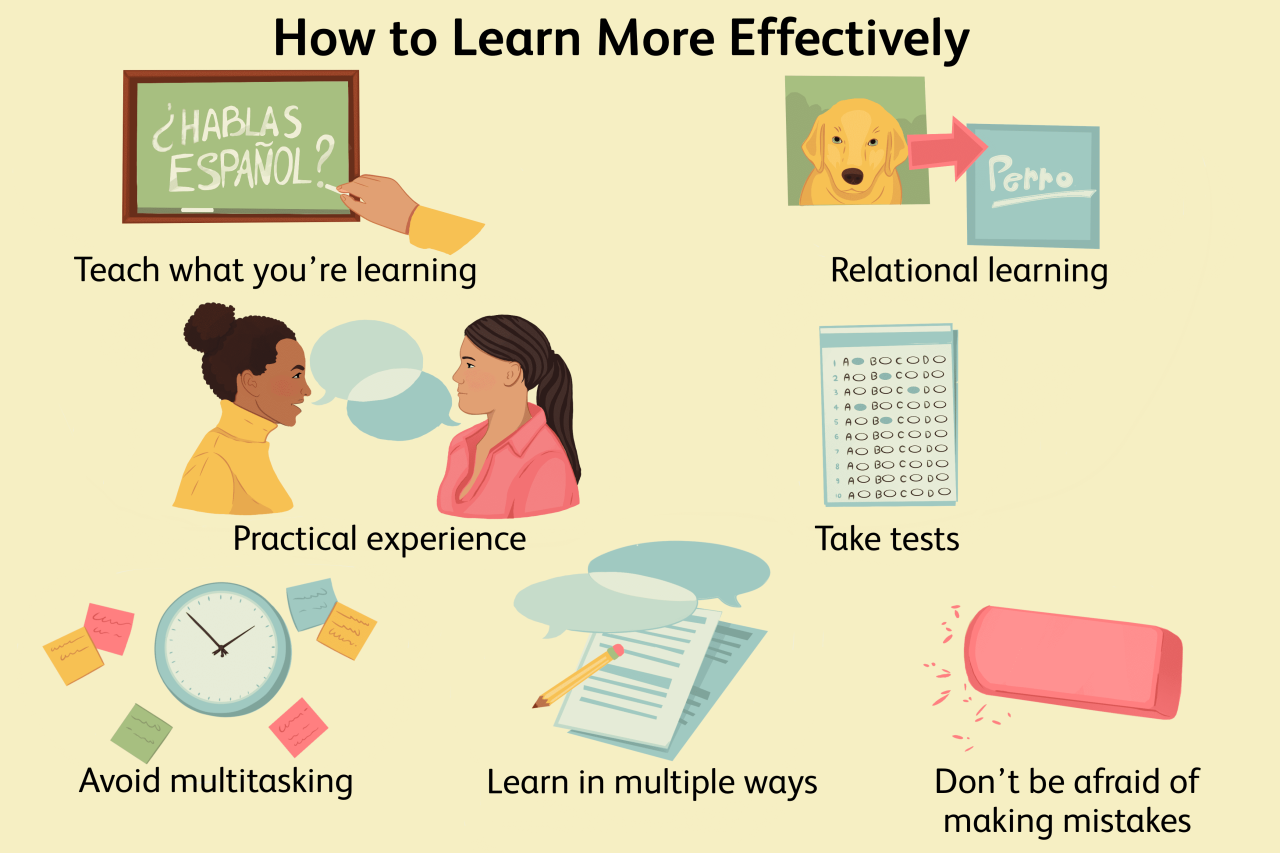
Choosing the appropriate flashcard system is crucial for effective Italian language learning. Different systems offer unique advantages and disadvantages, catering to diverse learning styles and preferences. The optimal choice depends on individual needs, technological comfort, and learning goals. This section explores various flashcard systems to help learners make informed decisions.
Comparing Flashcard Systems: Physical, Digital, and Spaced Repetition
Flashcard systems can be broadly categorized into physical, digital, and spaced repetition methods. Each category possesses distinct characteristics that influence their effectiveness for Italian learners. Understanding the differences is essential for selecting the most suitable system.
- Physical Flashcards: These are the traditional, tangible flashcards. Learners write on cards, using pen and paper to create vocabulary and grammar notes.
- Advantages:
- They offer tactile learning, which can aid memory retention for some learners. The physical act of writing can reinforce learning.
- No reliance on technology or batteries is required.
- They are inexpensive to create.
- They are easily customizable to personal preferences, allowing learners to use colors, drawings, and other visual aids.
- Disadvantages:
- They can be time-consuming to create and manage, especially for extensive vocabulary lists.
- They are less flexible in terms of organization and review compared to digital systems.
- They are susceptible to loss or damage.
- Reviewing a large number of cards can become cumbersome.
- Digital Flashcards: These are flashcards created and used on computers, tablets, or smartphones. They often incorporate multimedia elements like audio and images.
- Advantages:
- They are easily searchable and editable.
- They can include audio pronunciations, which is particularly beneficial for Italian.
- They offer various review modes and customization options.
- They can be accessed from anywhere with an internet connection.
- They often have features for tracking progress and generating statistics.
- Disadvantages:
- They require a device and internet access.
- They can be distracting if learners are prone to multitasking.
- The learning experience can be less engaging for some learners compared to physical flashcards.
- The initial setup may require more technical knowledge.
- Spaced Repetition Systems (SRS): These are digital flashcard systems that use algorithms to optimize the review schedule based on the learner’s performance.
- Advantages:
- They are highly effective for long-term retention.
- They automatically adjust the review frequency based on the learner’s recall.
- They maximize learning efficiency by focusing on the cards that need the most attention.
- They often integrate multimedia elements, such as audio and images.
- Disadvantages:
- They require an initial time investment to learn how to use the system effectively.
- The algorithms can sometimes feel impersonal.
- They depend on accurate input from the learner.
- The initial setup can be more complex than other systems.
Comparing Popular Flashcard Apps for Italian Learning
Several popular flashcard apps cater to language learners, each offering unique features and functionalities. Understanding the strengths and weaknesses of each app can help learners choose the most suitable option for their Italian language journey. The table below compares Anki, Memrise, and Quizlet based on features relevant to Italian learning.
| Feature | Anki | Memrise | Quizlet |
|---|---|---|---|
| Spaced Repetition | Yes, highly customizable | Yes, built-in SRS | Limited SRS, based on learning mode |
| Audio Pronunciation | Requires manual addition or add-ons | Often included in pre-made courses | Often included, community-provided |
| Customization | Extensive, supports HTML, CSS, JavaScript | Limited, pre-made courses | Moderate, options for formatting and multimedia |
| Community Content | Large community, decks available | Extensive, pre-made courses and user-generated content | Very large, user-generated content |
| Cost | Free on most platforms; paid iOS app | Freemium model | Freemium model |
| Ease of Use | Steeper learning curve | User-friendly | Very user-friendly |
For example, a learner prioritizing rigorous SRS and customization might choose Anki, while someone seeking a user-friendly experience with pre-made Italian courses could opt for Memrise or Quizlet. The best choice depends on the individual’s learning style, available time, and technical skills.
Creating Effective Italian Flashcards
Crafting effective Italian flashcards is crucial for maximizing your learning potential. This section focuses on best practices for designing flashcards that facilitate efficient vocabulary acquisition and grammar comprehension. We’ll explore optimal word selection, sentence examples, audio integration, and formatting techniques to enhance your study process.
Best Practices for Creating Italian Flashcards
The cornerstone of effective flashcard creation lies in thoughtful design and content selection. This section will cover the essential elements to consider when building your flashcards, from vocabulary choices to sentence examples and audio integration.
- Word Choice and Frequency: Prioritize high-frequency vocabulary. Start with the most common Italian words, as these will provide the greatest return on your investment. Resources like frequency dictionaries and online word lists can help you identify these essential words. Consider using vocabulary related to everyday topics, such as greetings, family, food, and common verbs. For example, instead of starting with a rare word like “sproloquiare” (to ramble), focus on “mangiare” (to eat), “bere” (to drink), and “parlare” (to speak).
- Sentence Examples: Always include at least one, ideally two, example sentences for each vocabulary word. These sentences provide context and demonstrate how the word is used in practice. Use simple, clear sentences initially, gradually increasing complexity as your proficiency grows. The sentences should be relevant to everyday situations.
- Audio Integration: Incorporate audio recordings of the word and example sentences. This is particularly crucial for mastering pronunciation. Many flashcard platforms allow you to upload your own audio or integrate with text-to-speech services. Hearing the correct pronunciation reinforces auditory memory and helps you to speak Italian with greater accuracy.
- Visual Aids: Consider adding relevant images or illustrations to your flashcards. Visual cues can significantly aid in memory retention, especially for concrete nouns. For example, a flashcard for “tavolo” (table) could include an image of a table.
Formatting Flashcards for Optimal Recall
Effective formatting plays a significant role in optimizing recall. This section explores various formatting techniques, including front/back design and color-coding, to enhance your learning experience.
- Front and Back Design: The front of the flashcard should typically contain the Italian word or phrase, while the back should include the English translation, example sentences, and potentially audio or visual cues. For grammar concepts, the front might feature a grammatical rule, and the back would provide examples of its application.
- Color-Coding: Use color-coding to categorize flashcards. For example, you could use one color for verbs, another for nouns, and a third for adjectives. This visual organization can help you quickly identify the type of word or concept being studied. Alternatively, you could color-code based on topic (e.g., red for food vocabulary, blue for travel vocabulary).
- Font and Layout: Choose a clear and readable font, and ensure the text is large enough to read easily. Keep the layout uncluttered. Avoid overcrowding the flashcard with too much information. Focus on concise, easy-to-digest content.
- Active Recall Practice: Always practice active recall. This means trying to remember the information on the back of the card before looking at it. Cover the back of the card and attempt to recall the translation, example sentences, or grammar rule. This active process strengthens memory.
Examples of Effective Flashcards for Italian Vocabulary and Grammar Concepts
This section provides examples of effective flashcards for Italian vocabulary and grammar, illustrating the principles discussed above.
- Vocabulary Flashcard Example:
- Front: “Ciao” (with an audio icon)
- Back:
- English: Hello/Hi
- Example Sentences: “Ciao, Maria! Come stai?” (Hello, Maria! How are you?) “Ciao a tutti!” (Hi everyone!)
- Pronunciation Audio: (Link to or embedded audio file)
- Grammar Flashcard Example:
- Front: “Present tense of ‘essere’ (to be)”
- Back:
- Io sono (I am)
- Tu sei (You are)
- Lui/Lei è (He/She is)
- Noi siamo (We are)
- Voi siete (You are)
- Loro sono (They are)
- Example Sentence: “Io sono italiano.” (I am Italian.)
- Verb Conjugation Flashcard Example:
- Front: “Parlare – Present Tense” (with an audio icon)
- Back:
- Io parlo (I speak)
- Tu parli (You speak)
- Lui/Lei parla (He/She speaks)
- Noi parliamo (We speak)
- Voi parlate (You speak)
- Loro parlano (They speak)
- Example Sentence: “Io parlo italiano.” (I speak Italian.)
- Pronunciation Audio: (Link to or embedded audio file)
Flashcard Content: Vocabulary and Phrases
Mastering Italian with flashcards hinges on the quality and relevance of the content within them. This section details how to populate your flashcards with essential vocabulary, practical phrases, and idiomatic expressions, transforming your learning experience from rote memorization to fluent communication.
Essential Italian Vocabulary Categories
A well-structured approach to vocabulary acquisition is crucial. Focusing on specific categories allows for targeted learning and efficient recall. Here’s a list of fundamental Italian vocabulary categories to consider for your flashcards:
- Greetings and Basic Interactions: Essential for initiating and maintaining conversations. Includes greetings, introductions, and polite expressions.
- Food and Drink: Vital for ordering food, understanding menus, and discussing culinary preferences.
- Travel and Transportation: Necessary for navigating Italy, including asking for directions, booking transportation, and understanding travel-related terms.
- Numbers and Time: Foundational for telling time, counting, and understanding schedules.
- Family and Relationships: Useful for discussing family members, relationships, and social interactions.
- Shopping and Money: Essential for making purchases, understanding prices, and managing finances.
- Hobbies and Interests: Enables conversation about personal interests and activities.
- Weather and Seasons: Allows for discussing the climate and seasonal changes.
- Colors and Descriptions: Important for describing objects and places.
- Adjectives and Adverbs: Used to enhance descriptions and modify verbs.
Common Italian Phrases for Flashcards with Phonetic Transcriptions
Incorporating practical phrases into your flashcards allows you to immediately apply your vocabulary. Here are some examples of common Italian phrases, along with their phonetic transcriptions, suitable for your flashcards:
- Buongiorno (Good morning/Good day)
-Pronunciation: boo-on-JOR-no - Buonasera (Good evening/Good night)
-Pronunciation: bwo-na-SEH-ra - Come stai? (How are you?
-informal)
-Pronunciation: KO-meh stahy - Come sta? (How are you?
-formal)
-Pronunciation: KO-meh stah - Sto bene, grazie (I’m fine, thank you)
-Pronunciation: sto BEH-neh, GRAH-tsyeh - Mi chiamo… (My name is…)
-Pronunciation: mee KYAH-moh - Piacere (Nice to meet you)
-Pronunciation: pyah-CHEH-reh - Per favore (Please)
-Pronunciation: per fah-VO-reh - Grazie (Thank you)
-Pronunciation: GRAH-tsyeh - Prego (You’re welcome)
-Pronunciation: PREH-goh - Parla inglese? (Do you speak English?)
-Pronunciation: PAHR-lah in-GLEH-zeh - Non capisco (I don’t understand)
-Pronunciation: nawn kah-PEES-koh - Quanto costa? (How much does it cost?)
-Pronunciation: KWAHN-toh KOS-tah - Dov’è…? (Where is…?)
-Pronunciation: doh-VEH - Un caffè, per favore (A coffee, please)
-Pronunciation: oon kahf-FEH, per fah-VO-reh
Incorporating Idiomatic Expressions and Cultural Nuances into Flashcards
Beyond basic vocabulary and phrases, incorporating idiomatic expressions and cultural nuances enriches your understanding of Italian. This adds depth to your language learning and improves your ability to communicate naturally.
Consider the following when including idiomatic expressions and cultural notes in your flashcards:
- Idiomatic Expressions: Include expressions that don’t translate literally. For example:
- Cultural Nuances: Add notes about cultural practices. For example:
- Regional Variations: Note differences in vocabulary or pronunciation based on region. For example:
- Formal vs. Informal Language: Differentiate between formal and informal ways of speaking. For example:
- Proverbs and Sayings: Include common proverbs to add a deeper cultural understanding. For example:
Avere un diavolo per capello (To be extremely angry)
-Literally: To have a devil for a hair.
When greeting someone, a kiss on both cheeks is common, even if you don’t know them well, especially in the south of Italy.
In Rome, “caffè” is often used to mean “espresso,” while in other regions, it might be specified as “espresso.”
“Tu” is used for informal “you,” while “Lei” is used for formal “you.”
“Chi dorme non piglia pesci” (He who sleeps doesn’t catch fish)
-meaning, you must work hard to achieve your goals.
Flashcard Content

Beyond vocabulary and phrases, flashcards are incredibly effective for mastering Italian grammar and verb conjugations. This section details how to design and utilize flashcards to reinforce these crucial aspects of the language, ensuring a more comprehensive and fluent understanding of Italian.
Italian Verb Conjugations
Verb conjugation is fundamental to constructing grammatically correct sentences in Italian. Creating flashcards focused on verb conjugations provides a structured method for memorization and practice. These flashcards should cover the present, past, and future tenses of common verbs.
- Present Tense Flashcards: Create flashcards for regular and irregular verbs.
- Front: Parlare (to speak)
-io - Back: Parlo (I speak)
- Front: Essere (to be)
-tu - Back: Sei (You are)
- Use different color cards for each verb group (-are, -ere, -ire) to visually differentiate them.
- Front: Parlare (to speak)
- Past Tense Flashcards (Passato Prossimo, Imperfetto, etc.): Include the auxiliary verb ( avere or essere) and the past participle.
- Front: Mangiare (to eat)
-io – Passato Prossimo - Back: Ho mangiato (I ate)
- Front: Andare (to go)
-noi – Imperfetto - Back: Andavamo (We were going/used to go)
- Front: Mangiare (to eat)
- Future Tense Flashcards: Practice both the simple and the future perfect tenses.
- Front: Fare (to do/make)
-tu – Futuro Semplice - Back: Farai (You will do/make)
- Front: Partire (to leave)
-loro – Futuro Anteriore - Back: Saranno partiti (They will have left)
- Front: Fare (to do/make)
- Variations and Irregular Verbs: Pay close attention to irregular verbs, which are numerous in Italian. Create separate decks or flag these cards within your existing decks for focused review.
Practicing Italian Grammatical Structures
Flashcards can be effectively utilized to practice Italian grammatical structures, such as articles and prepositions. This structured approach helps to internalize these rules and use them correctly in your speech and writing.
- Articles: Focus on definite ( il, lo, la, i, gli, le) and indefinite ( un, uno, una, dei, degli, delle) articles.
- Front: “libro” (book)
-use the… - Back: il (the)
- Front: “amico” (male friend)
-a… - Back: un (a)
- Include examples with different genders and starting letters to reinforce the rules.
- Front: “libro” (book)
- Prepositions: Cover simple prepositions ( di, a, da, in, con, su, per, tra, fra) and prepositions combined with articles ( al, dello, nella, coi, etc.).
- Front: “vado ____ scuola” (I go ____ school)
- Back: a (to)
- Front: “il libro ____ Marco” (the book ____ Marco)
- Back: di (of)
- Use sentence examples to provide context and demonstrate how prepositions function within sentences.
Illustrating Common Italian Sentence Patterns
To improve fluency and comprehension, flashcards should demonstrate common Italian sentence patterns with example sentences. This helps learners apply grammatical rules in practical contexts.
- Subject-Verb-Object (SVO) Sentences:
- Front: “Io ____ il libro.” (I ____ the book.)
- Back: Leggo (read)
-“Io leggo il libro.” (I read the book.) - Front: “Maria ____ una torta.” (Maria ____ a cake.)
- Back: fa (makes)
-“Maria fa una torta.” (Maria makes a cake.)
- Using Adjectives:
- Front: “La casa è ____.” (The house is ____.)
- Back: bella (beautiful)
-“La casa è bella.” (The house is beautiful.) - Front: “Il ragazzo è ____.” (The boy is ____.)
- Back: alto (tall)
-“Il ragazzo è alto.” (The boy is tall.)
- Using Pronouns:
- Front: “Io vedo ____.” (I see ____.)
- Back: lui (him)
-“Io vedo lui.” (I see him.) - Front: “Lei parla ____.” (She speaks ____.)
- Back: a me (to me)
-“Lei parla a me.” (She speaks to me.)
- Incorporating Compound Sentences:
- Front: “____ piove, ____ esco.” (____ it rains, ____ I go out.)
- Back: Se… non (If… not)
-“Se piove, non esco.” (If it rains, I don’t go out.)
- Illustrative Examples: Include diverse examples reflecting daily life, such as shopping, eating, and traveling, to improve practical application.
Spaced Repetition and Flashcard Optimization

Spaced repetition is a powerful learning technique that significantly enhances retention and recall. It’s particularly effective when used with flashcards for language acquisition, including Italian. This section will explore the principles of spaced repetition, how to implement it with your Italian flashcards, and strategies for optimizing your review schedule for maximum learning efficiency.
Understanding Spaced Repetition
Spaced repetition is a learning method that involves reviewing information at increasing intervals over time. The core idea is to review material more frequently when it’s new and then gradually space out the reviews as you become more familiar with it. This approach leverages the forgetting curve, which illustrates how our memory decays over time. By strategically revisiting information just before we’re about to forget it, we strengthen the memory trace and improve long-term retention.
Applying Spaced Repetition to Italian Flashcards
Implementing spaced repetition with Italian flashcards involves using a system that tracks your performance and adjusts the review intervals accordingly. There are several options for this: manual systems, software-based systems, and apps. Manual systems involve creating a physical card box with compartments, each representing a different review interval (e.g., one day, three days, one week, two weeks, one month). Software and app-based systems, such as Anki, Memrise, and others, automate this process, tracking your performance and scheduling reviews automatically.The process generally works like this:
- Initial Review: When you create a new flashcard, you review it immediately.
- First Review: If you answer correctly, the card is scheduled for review after a short interval (e.g., one day).
- Subsequent Reviews: If you answer correctly again, the interval increases (e.g., three days, one week, etc.).
- Incorrect Answers: If you answer incorrectly, the card is returned to the earlier review intervals.
This dynamic system ensures that you focus on the material you find challenging and reinforce your knowledge of what you already know.
Optimizing Flashcard Review Schedules
Optimizing your flashcard review schedule is crucial for maximizing learning efficiency. Here are some strategies:
- Choose the Right System: Select a flashcard system that suits your learning style and preferences. Software-based systems offer more automation and flexibility.
- Set Realistic Goals: Don’t overwhelm yourself with too many new cards at once. Start with a manageable number and gradually increase it as you become more comfortable. A common recommendation is to learn 10-20 new cards per day.
- Be Consistent: Consistency is key to spaced repetition’s effectiveness. Aim to review your cards regularly, even if it’s just for a short period each day.
- Adjust Intervals: Pay attention to how you’re performing. If you find yourself consistently forgetting a card, reduce the review interval. If you’re consistently remembering a card, increase the interval.
- Prioritize Difficult Cards: Focus on reviewing the cards you find most challenging more frequently. This helps to address your weaknesses and improve your overall proficiency.
- Use Leitner System (Manual System): This is a simple, manual method. Create several boxes/compartments for the flashcards. When you learn a new card, place it in the first box. If you remember the card correctly, move it to the next box. If not, move it back to the first box.
The cards in the last box are considered “mastered.” The review frequency depends on the box’s position (e.g., box 1: daily, box 2: every few days, box 3: weekly, etc.).
Creating a Spaced Repetition Schedule Example
Here’s an example of how a spaced repetition schedule might look using a software-based system:
| Day | Action | Cards Reviewed |
|---|---|---|
| Day 1 | Introduce new cards | 20 new cards |
| Day 2 | Review new cards and any cards failed from Day 1 | 20 new cards + cards failed from Day 1 |
| Day 3 | Review cards from Day 1 and Day 2, plus any failed cards | Cards from Day 1 and Day 2 + cards failed from previous days |
| Day 4 | Review cards from Day 1, Day 2, and Day 3, plus any failed cards | Cards from Day 1, Day 2, and Day 3 + cards failed from previous days |
| Day 7 | Review cards from Day 1, Day 2, Day 3, and Day 4, plus any failed cards | Cards from Day 1, Day 2, Day 3, and Day 4 + cards failed from previous days |
| Day 14 | Review cards from previous weeks, plus any failed cards | Cards from previous weeks + cards failed from previous weeks |
| Day 30 | Review cards from the past month, plus any failed cards | Cards from the past month + cards failed from the past month |
This is a simplified example. The actual schedule will be tailored to your performance. For instance, if you frequently forget a card, the software will bring it back for review sooner. If you consistently remember a card, it will be reviewed less often.
Advanced Flashcard Techniques
As you progress in your Italian learning journey, you’ll find that basic flashcard techniques alone may not be sufficient. Advanced methods can significantly enhance retention and comprehension. This section explores how to leverage visual and auditory aids, incorporate cloze deletion, and design flashcards that test both recognition and production skills to maximize your learning efficiency.
Enhancing Flashcard Effectiveness with Images and Audio
Incorporating multimedia elements into your flashcards can greatly improve memory retention and comprehension. Images and audio provide contextual clues that reinforce vocabulary and pronunciation, making the learning process more engaging and effective.For instance, consider learning the Italian word for “apple,” which is “mela.” Instead of just writing the word on the front and the translation on the back, you could:
- Include an image: On the front of the flashcard, display a clear, colorful image of an apple. This visual association helps you quickly connect the word to its meaning.
- Add audio: On the back of the card, include an audio recording of a native speaker pronouncing “mela.” This helps you learn the correct pronunciation and intonation, which is crucial for effective communication.
This combination of visual and auditory stimuli creates a more robust memory trace. When you see the image and hear the pronunciation, you’re engaging multiple senses, making it more likely that you’ll remember the word. Furthermore, if you are learning a verb, the audio can include a sentence with the verb in use. For example:
- Verb: Mangiare (to eat)
- Front: An image of someone eating a pizza.
- Back: Audio recording of the sentence: “Io mangio la pizza.” (I eat pizza.)
This method is also beneficial for understanding idiomatic expressions. Consider the expression “avere l’acquolina in bocca” (to have one’s mouth water).
- Front: An image of someone looking at delicious food with a happy expression.
- Back: Audio of a native speaker saying “Ho l’acquolina in bocca per quella pizza!” (My mouth is watering for that pizza!) and the translation.
By utilizing these techniques, you move beyond simple rote memorization and build a deeper understanding of the language.
Methods for Incorporating Cloze Deletion into Flashcards
Cloze deletion, a technique where words are removed from a sentence and replaced with blanks, is an excellent way to test and improve your understanding of grammar and vocabulary in context. This method is particularly useful for advanced learners who want to refine their language skills.There are several ways to implement cloze deletion in your Italian flashcards:
- Single-word deletion: The most common method involves removing a single word from a sentence. For example:
“Mi piace _____ gelato.” (I like _____ ice cream.) The answer is “il” (the).
- Multi-word deletion: More challenging, this involves deleting a phrase or multiple words.
“Sono andato al cinema _____ mio amico.” (I went to the cinema _____ my friend.) The answer is “con” (with).
- Sentence completion: Present a sentence with a blank at the end, requiring the learner to complete it.
“Quando ero bambino, mi piaceva _____.” (When I was a child, I liked _____.) The answer will be a noun or verb phrase, e.g., “giocare a calcio” (to play soccer).
When using cloze deletion, ensure that the context provides enough clues for the learner to deduce the missing word or phrase. The goal is to reinforce your understanding of grammar rules and vocabulary in a practical, sentence-based format. You can use flashcard software such as Anki or Memrise to easily create and manage cloze deletion flashcards. This feature automates the process of generating blanks and testing your knowledge.
Creating Flashcards for Recognition and Production Skills
Effective language learning involves both recognition (understanding) and production (speaking and writing) skills. Flashcards can be designed to target both areas, creating a more well-rounded learning experience.Here are techniques for creating flashcards that test both recognition and production skills:
- Recognition Flashcards:
- Word-to-translation: This is the classic format where you see an Italian word and provide the English translation (or vice versa).
- Image-to-word: Show an image on the front and ask for the Italian word on the back. This tests your ability to recognize and recall vocabulary based on visual cues.
- Production Flashcards:
- Translation-to-word: Provide an English word or phrase and ask for the Italian translation. This actively tests your ability to produce the language.
- Sentence-building: Give an English sentence and ask the learner to translate it into Italian. This helps to solidify grammar and vocabulary in a practical context.
- Prompt-based: Provide a prompt (e.g., “Describe your favorite food”) and ask the learner to write or speak a response in Italian. The back of the card could include example answers or key vocabulary.
To enhance production skills, it is beneficial to incorporate audio recordings. For example, on the back of a card with a translation-to-word format, include a native speaker saying the correct Italian word or phrase. For sentence-building or prompt-based cards, record yourself speaking the Italian response. Then, compare your pronunciation and grammar to the provided examples or audio to identify areas for improvement.
Integrating Flashcards with Other Learning Resources
Flashcards are a powerful tool, but they are most effective when used in conjunction with other learning methods. Integrating flashcards with textbooks, online courses, and language exchange partners creates a more comprehensive and engaging learning experience, leading to improved retention and fluency in Italian. This section will explore how to effectively combine flashcards with these complementary resources.
Combining Flashcards with Textbooks
Textbooks provide a structured approach to learning Italian grammar, vocabulary, and cultural context. Flashcards serve as an excellent tool to reinforce the material presented in textbooks.Here’s how to integrate flashcards with textbook study:
- Vocabulary Reinforcement: After completing a chapter, create flashcards for all new vocabulary words. Include the Italian word on one side and the English translation, along with a sentence using the word, on the other. For example:
- Italian Side: affamato
- English Side: Hungry. Sono affamato dopo la lunga camminata. (I am hungry after the long walk.)
- Grammar Practice: Create flashcards to review grammar rules. One side could feature a grammatical concept (e.g., past participle agreement), and the other side could have examples of sentences demonstrating the rule.
- Sentence Structure: Use flashcards to practice sentence structure. One side could present an English sentence, and the other side could have the Italian translation, allowing you to focus on correct word order and grammar.
- Review and Recall: Regularly review flashcards covering vocabulary and grammar points introduced in the textbook. This spaced repetition helps transfer information from short-term to long-term memory.
Combining Flashcards with Online Courses
Online Italian courses offer interactive lessons, audio and video content, and opportunities for practice. Flashcards can enhance the effectiveness of these courses.Here’s how to integrate flashcards with online course study:
- Supplement Lesson Content: Create flashcards based on the vocabulary and phrases introduced in each lesson. Include audio recordings of the words and phrases to improve pronunciation.
- Review Dialogues and Conversations: Many online courses feature dialogues. Create flashcards with key phrases or sentences from these dialogues, using the Italian on one side and the English translation or a prompt on the other.
- Practice Grammar Points: Supplement the grammar lessons with flashcards. Include examples of grammar rules, verb conjugations, and sentence structures to reinforce understanding.
- Track Progress: Use flashcard software to monitor your progress and identify areas where you need more practice. Many software programs offer detailed statistics on your learning.
Combining Flashcards with Language Exchange Partners
Language exchange partners provide opportunities for real-world conversation and feedback. Flashcards can be used to prepare for and reinforce these interactions.Here’s how to integrate flashcards with language exchange:
- Prepare for Conversations: Before a language exchange session, create flashcards with vocabulary and phrases related to the topics you plan to discuss. This will help you feel more confident and prepared.
- Learn from Corrections: During or after the conversation, write down any new vocabulary or grammar corrections made by your partner on flashcards. This will help you avoid repeating mistakes.
- Practice Specific Phrases: If you struggle with specific phrases or sentence structures, create flashcards to practice them. Your partner can help you with pronunciation and usage.
- Focus on Contextual Use: Create flashcards with sentences and phrases that are relevant to the topics you discuss with your partner. This will help you learn how to use the language in real-world situations.
A Study Plan Integrating Flashcards with Other Methods
A well-structured study plan that integrates flashcards with other learning methods can significantly improve your Italian language skills. Here is a sample plan:
- Daily: Spend 15-30 minutes reviewing flashcards. Focus on vocabulary, phrases, and grammar points. Use a spaced repetition system (SRS) to optimize your learning.
- Weekly:
- Complete one or two lessons from an online Italian course, such as Duolingo, Babbel, or Rosetta Stone.
- Read a chapter from an Italian textbook, such as “Italian Demystified” or “Complete Italian.”
- Create flashcards for new vocabulary and grammar points introduced in the course and textbook.
- Practice speaking Italian with a language exchange partner for at least 30 minutes.
- Monthly:
- Review all flashcards created during the month.
- Listen to Italian podcasts or watch Italian movies or TV shows with subtitles.
- Set new learning goals and adjust your study plan as needed.
This plan provides a framework. The specific time allocated to each activity and the resources used can be adjusted based on your individual needs and preferences. The key is to maintain consistency and integrate flashcards with other learning methods for a comprehensive and effective learning experience.
Troubleshooting Flashcard Challenges
Flashcards, while incredibly effective, aren’t without their pitfalls. Learners often encounter hurdles that can hinder their progress in Italian. This section addresses common challenges and provides practical solutions to ensure a smoother and more productive learning experience.
Common Mistakes in Flashcard Use
Many learners inadvertently sabotage their own efforts when using flashcards. Recognizing these common errors is the first step towards overcoming them.
- Overloading Flashcards with Information: Cramming too much information onto a single flashcard makes it difficult to focus on the core concept. Learners might include multiple definitions, example sentences, and grammatical notes, leading to cognitive overload and decreased retention.
- Inconsistent Review Schedules: Skipping review sessions or adhering to an erratic schedule undermines the principles of spaced repetition. This leads to forgetting information more quickly and negates the benefits of the flashcard system.
- Passive Learning Instead of Active Recall: Simply flipping through flashcards without actively trying to recall the information is a passive approach. This diminishes the effectiveness of the flashcards.
- Using Flashcards as the Sole Learning Method: Relying solely on flashcards, without incorporating other learning resources like textbooks, audio lessons, or conversation practice, can lead to a shallow understanding of the Italian language.
- Ignoring Pronunciation: Neglecting the pronunciation of words on flashcards is a significant oversight. Without proper pronunciation practice, learners may struggle with comprehension and communication.
Solutions for Overcoming Flashcard Challenges
Addressing these mistakes requires a strategic approach to flashcard usage. Here are some solutions to improve learning outcomes.
- Keep Flashcards Concise: Limit each flashcard to one key concept. For vocabulary, include the Italian word, its English translation, and perhaps a short, relevant phrase or sentence. For grammar rules, focus on the rule itself with a single example.
- Maintain a Consistent Review Schedule: Implement a spaced repetition system (SRS) and adhere to the schedule diligently. Anki, for example, automatically schedules reviews based on your performance. Consistent reviews are crucial for long-term retention.
- Practice Active Recall: Before looking at the answer on a flashcard, actively try to recall the information. Cover the back of the card, and attempt to remember the translation, definition, or grammatical rule.
- Integrate Flashcards with Other Resources: Use flashcards as a supplement to other learning methods. Combine flashcard study with reading Italian texts, listening to Italian podcasts, and practicing conversation.
- Prioritize Pronunciation Practice: Include audio on your flashcards, if possible. Record yourself saying the Italian words or phrases. Alternatively, utilize online pronunciation resources or language learning apps to hear the correct pronunciation.
Troubleshooting Guide for Common Flashcard Issues
This troubleshooting guide offers practical solutions to frequently encountered flashcard problems.
- Issue: Difficulty Remembering Words
- Solution: Break down complex words into smaller, more manageable parts. Use mnemonic devices to associate the word with a visual or story. Add example sentences to provide context. Review more frequently.
- Issue: Flashcards Becoming Overwhelming
- Solution: Reduce the number of new flashcards introduced per day. Focus on reviewing existing cards. Consider categorizing flashcards to organize content.
- Issue: Losing Motivation to Study
- Solution: Set achievable goals. Vary the study routine. Reward yourself for milestones. Track your progress to stay motivated. Incorporate flashcards into a broader, more engaging study plan.
- Issue: Pronunciation Problems
- Solution: Include audio recordings of words on flashcards. Practice repeating the words aloud. Use online pronunciation guides or language learning apps to check your pronunciation. Focus on difficult sounds.
- Issue: Struggling with Grammar Rules
- Solution: Create flashcards that focus on specific grammar rules. Include examples of how the rules are used in sentences. Supplement with grammar exercises from other resources. Break down complex rules into simpler components.
- Issue: Ineffective Use of Spaced Repetition
- Solution: Ensure you are using a spaced repetition system (SRS) like Anki. Stick to the review schedule recommended by the SRS. If you find yourself forgetting words frequently, increase the frequency of reviews.
Maintaining Motivation and Consistency
Learning a new language, especially through flashcards, can be a marathon, not a sprint. The initial enthusiasm often wanes as the sheer volume of vocabulary and grammar points accumulates. To succeed, it’s crucial to develop strategies for maintaining motivation and establishing a consistent study routine. This section Artikels practical approaches to combatting burnout and staying engaged with your Italian flashcard learning journey.
Strategies for Sustained Motivation
Maintaining motivation is paramount to long-term success. Here are some techniques to keep you enthusiastic about learning Italian with flashcards:
- Set Realistic Goals: Instead of aiming to memorize thousands of words in a week, break down your learning into smaller, achievable goals. For example, focus on learning 10 new words per day or mastering a specific grammar concept each week. Celebrating these smaller victories provides a sense of accomplishment and keeps you motivated.
- Track Your Progress: Use a learning journal, spreadsheet, or the built-in tracking features of your flashcard software to monitor your progress. Seeing how much you’ve learned, even small increments, is a powerful motivator. Visual aids, such as charts or graphs, can be particularly effective in illustrating your progress.
- Reward Yourself: Establish a reward system for reaching your goals. This could be anything from watching an episode of your favorite Italian TV show after a successful study session to treating yourself to a delicious Italian meal after mastering a challenging grammatical concept.
- Find a Study Buddy or Join a Community: Learning with others can make the process more enjoyable and provide accountability. Join an online Italian learning community, find a study partner, or participate in language exchange programs. Sharing your progress and challenges with others can boost your motivation.
- Vary Your Learning Activities: Don’t rely solely on flashcards. Integrate other learning methods, such as reading Italian books, listening to Italian podcasts, watching Italian movies, or practicing speaking with native speakers. This variety keeps things interesting and reinforces your learning in different ways.
- Focus on Relevance: Learn vocabulary and phrases that are relevant to your interests and goals. If you’re planning a trip to Italy, focus on words and phrases related to travel, food, and culture. This makes the learning process more practical and engaging.
Establishing a Consistent Study Routine
Consistency is key to effective language learning. Here are some tips for integrating flashcard study into your daily or weekly schedule:
- Schedule Dedicated Study Time: Treat your flashcard study sessions like important appointments. Schedule specific times in your day or week for studying, and stick to them as closely as possible. This could be first thing in the morning, during your lunch break, or before bed.
- Start Small and Gradually Increase: Begin with manageable study sessions, such as 15-20 minutes per day. As you become more comfortable and your schedule allows, gradually increase the duration of your study sessions.
- Find a Suitable Study Environment: Choose a quiet and comfortable environment where you can focus without distractions. This could be a desk at home, a library, or a quiet corner in a coffee shop.
- Use Spaced Repetition Systems (SRS) Effectively: SRS algorithms are designed to optimize your learning by showing you cards at increasing intervals. Follow the prompts of your SRS software (like Anki) and review cards when they are due. This ensures efficient memorization.
- Review Regularly: Even when you’re not actively learning new material, make sure to review previously learned flashcards regularly. This helps to reinforce your memory and prevent forgetting.
- Be Flexible: Life happens. Don’t beat yourself up if you miss a study session. Simply get back on track as soon as possible. The key is to be consistent overall, not perfect every day.
Techniques to Avoid Burnout and Maintain Enthusiasm
Burnout is a common challenge in language learning. Here’s how to combat it:
- Take Breaks: Schedule regular breaks during your study sessions. Get up, stretch, walk around, or do something else to refresh your mind. Avoid prolonged periods of intense study.
- Vary Your Content: Instead of focusing solely on rote memorization, incorporate different types of flashcards, such as image-based cards, audio cards, and sentence-based cards. This keeps your learning experience dynamic.
- Change Your Study Location: Study in different locations to avoid monotony. This can help to keep your brain engaged and prevent you from associating studying with a specific, potentially boring, environment.
- Focus on the Fun: Make learning Italian enjoyable. Watch Italian movies with subtitles, listen to Italian music, or read Italian comics. Associate the language with positive experiences.
- Celebrate Your Successes: Acknowledge and celebrate your achievements, no matter how small. This reinforces positive feelings and keeps you motivated.
- Don’t Be Afraid to Adjust Your Approach: If your current method isn’t working, don’t be afraid to experiment with different techniques. Try different flashcard systems, study schedules, or learning resources until you find what works best for you.
Concluding Remarks
In conclusion, mastering Italian with flashcards is an achievable goal with the right approach. By understanding the core principles of flashcard usage, optimizing your study schedule, and integrating flashcards with other learning methods, you can significantly accelerate your progress. Remember to stay motivated, embrace consistency, and celebrate your achievements along the way, as you unlock the beauty and richness of the Italian language.