Embark on a journey to master French for everyday use, a skill that opens doors to vibrant cultures and enriching experiences. This guide focuses on equipping you with the practical language skills needed to navigate daily interactions, from ordering a delicious croissant in Paris to understanding directions in a charming French village. Forget dry academic exercises; we’re diving into the essentials, ensuring you can confidently converse in various real-life situations.
We’ll explore the core elements of French conversation, starting with essential vocabulary and grammar, then moving into effective immersion techniques. You’ll discover how to perfect your pronunciation, practice practical conversation skills, and expand your vocabulary beyond the basics. Furthermore, we’ll delve into the cultural context, providing insights into French society and etiquette, enriching your communication skills. Finally, we’ll equip you with valuable resources and tools to support your learning journey, making your path to fluency both efficient and enjoyable.
Introduction
Learning French for daily conversation offers a gateway to a richer, more immersive experience of French-speaking cultures. This approach prioritizes practical communication skills over academic rigor, enabling you to engage confidently in everyday interactions. The focus is on fluency and understanding, allowing you to navigate real-world scenarios with ease.
Essential Daily Situations
The ability to converse in French opens doors to seamless interactions in numerous daily scenarios. From the simplest tasks to more complex situations, conversational French proves invaluable.
- Ordering Food and Drinks: Imagine yourself in a Parisian bistro. Knowing how to order “un café, s’il vous plaît” (a coffee, please) or “une baguette, s’il vous plaît” (a baguette, please) transforms a potentially stressful experience into an enjoyable one. This fundamental skill ensures you get exactly what you want and enhances your dining experience.
- Asking for Directions: Getting lost is a common occurrence, especially in unfamiliar cities. Being able to ask “Où est…?” (Where is…?) or “Comment puis-je aller à…?” (How do I get to…?) can be a lifesaver. Understanding the responses, even if basic, allows you to navigate your surroundings with greater independence.
- Shopping and Bargaining: Whether browsing a local market or shopping in a boutique, the ability to communicate with vendors is essential. Asking “Combien coûte ceci?” (How much does this cost?) or engaging in polite negotiations can significantly enhance your shopping experience and potentially save you money.
- Using Public Transportation: Navigating the public transport system is often necessary when traveling. Knowing how to ask for a ticket or inquire about a route is crucial for smooth travel. For example, asking “Un billet pour… s’il vous plaît” (A ticket to… please) or “Quel est le prochain arrêt pour…?” (What is the next stop for…?) are vital phrases.
- Making Small Talk: Beyond practical necessities, conversational French facilitates casual interactions. Greeting someone with “Bonjour” (Hello) and responding to “Comment allez-vous?” (How are you?) with “Bien, merci, et vous?” (Fine, thank you, and you?) can foster connections and enrich your daily experiences.
Benefits of Learning French
Beyond the immediate utility in daily interactions, learning French offers significant advantages for travel, personal enrichment, and cultural understanding.
- Enhanced Travel Experiences: Conversing in French transforms travel from a passive observation to an active engagement with the local culture. You can delve deeper into conversations with locals, discover hidden gems, and gain a more authentic perspective on the places you visit. This leads to a more memorable and fulfilling travel experience.
- Personal Enrichment: Learning a new language is a stimulating mental exercise. It improves cognitive function, enhances memory, and expands your worldview. The process of mastering French can be a source of immense personal satisfaction and boost your confidence.
- Cultural Understanding: Language and culture are inextricably linked. By learning French, you gain access to the rich literary, artistic, and philosophical heritage of France and other French-speaking countries. You can understand films, literature, and music in their original form, fostering a deeper appreciation for the culture.
- Career Opportunities: Proficiency in French can be a valuable asset in various professional fields, including international business, tourism, diplomacy, and translation. Many companies seek employees with multilingual skills, opening doors to exciting career opportunities.
- Cognitive Benefits: Studies have shown that learning a second language improves cognitive abilities. Bilingual individuals often demonstrate enhanced problem-solving skills, improved memory, and increased focus. The mental workout of learning French can also help to delay cognitive decline.
“Le français est la langue de l’amour.” (French is the language of love.)
Foundational Elements
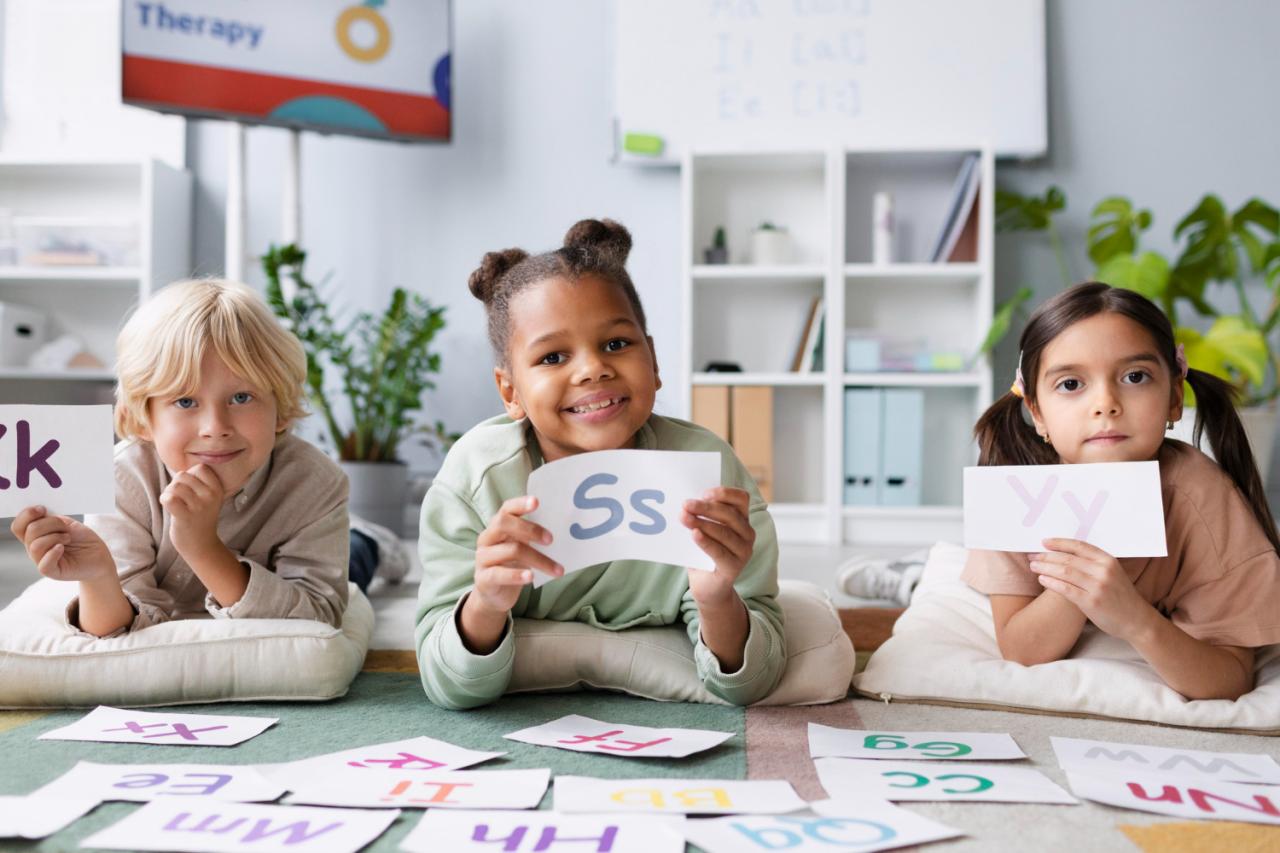
Mastering French for daily conversation requires a solid foundation. This involves learning essential vocabulary, understanding pronunciation nuances, and grasping fundamental grammar rules. These elements will provide the building blocks for constructing simple yet effective sentences and engaging in basic conversations.
This section will cover the crucial components needed to establish a strong base for your French language journey.
Essential Vocabulary for Everyday Use
Building a strong vocabulary is the cornerstone of any language learning process. The following list Artikels essential French vocabulary that will enable you to participate in basic everyday conversations. Memorizing these words and phrases will significantly improve your ability to communicate.
- Greetings:
- Bonjour (Hello/Good morning/Good day)
- Bonsoir (Good evening)
- Salut (Hi/Hello – informal)
- Au revoir (Goodbye)
- À bientôt (See you soon)
- À plus tard (See you later)
- Basic Questions:
- Comment allez-vous? (How are you?
-formal) - Comment vas-tu? (How are you?
-informal) - Ça va? (How’s it going?
-informal) - Qui? (Who?)
- Quoi? (What?)
- Où? (Where?)
- Quand? (When?)
- Pourquoi? (Why?)
- Combien? (How much/many?)
- Numbers (1-10):
- Un (One)
- Deux (Two)
- Trois (Three)
- Quatre (Four)
- Cinq (Five)
- Six (Six)
- Sept (Seven)
- Huit (Eight)
- Neuf (Nine)
- Dix (Ten)
- Days of the Week:
- Lundi (Monday)
- Mardi (Tuesday)
- Mercredi (Wednesday)
- Jeudi (Thursday)
- Vendredi (Friday)
- Samedi (Saturday)
- Dimanche (Sunday)
Pronunciation: Comparing French and English Sounds
French pronunciation can be challenging for English speakers due to unfamiliar sounds and the presence of nasal vowels. Understanding these differences and practicing the correct pronunciation is crucial for effective communication. The table below compares common French sounds with their approximate English equivalents, offering guidance for learners.
| French Sound | Example Word (French) | Approximate English Equivalent | Notes |
|---|---|---|---|
| “u” sound | tu (you) | Similar to the “u” in “flute” (but with the lips rounded and forward) | This sound doesn’t exist in standard American English. Practice rounding your lips and pushing them forward while saying “ee.” |
| Nasal Vowel: “an/en” | maman (mom) | Similar to the “on” sound in the French word “bon” (good) but pronounced through the nose. | Practice by saying “ah” through your nose. The sound is similar to the “an” sound in the English word “want,” but without the “t” sound. |
| Nasal Vowel: “in/ain/aim/ein/eim” | vin (wine) | Similar to the “an” sound in the English word “bank,” but pronounced through the nose. | The key is to block the air from exiting the mouth and direct it through the nasal passages. |
| “r” sound | rouge (red) | A guttural “r” sound, made in the back of the throat. | This is often described as a “gargling” sound. Practice by trying to clear your throat. |
Fundamental Grammar Rules for Basic Sentence Construction
Basic grammar rules are essential for constructing understandable sentences. Focusing on subject-verb-object order and simple tenses will enable you to communicate effectively from the beginning. Mastering these principles provides the structural framework for your French sentences.
French, like English, generally follows a subject-verb-object (SVO) word order. This means the subject (who or what is doing the action) comes first, followed by the verb (the action itself), and then the object (who or what is receiving the action).
Subject + Verb + Object Je mange une pomme. (I eat an apple.)
Simple tenses, such as the present tense, are crucial for basic communication. They allow you to talk about actions happening now. Learning the conjugation of common verbs, such as être (to be) and avoir (to have), is essential. Consider these examples:
- Present Tense: Je parle français. (I speak French.)
- Verb Conjugation: Je suis (I am), Tu es (You are), Il/Elle est (He/She is)
Understanding these fundamental rules provides the structure necessary to build and understand simple French sentences, allowing for basic communication and further language acquisition.
Immersion Techniques
Immersion is a powerful method for accelerating French language acquisition. By surrounding yourself with the language as much as possible, you create a learning environment that fosters natural language acquisition. This section will explore effective strategies for immersion, even without residing in a French-speaking country, and highlight resources to aid in this process.
Creating an Immersive Environment at Home
Even if you cannot travel to France, you can still create an immersive environment. This involves consciously incorporating French into your daily life. The goal is to shift your brain’s default language setting.
- Change Your Devices’ Language: Set your phone, computer, and other devices to French. This exposes you to everyday vocabulary and phrases in a practical context. Initially, it may feel challenging, but the repetitive exposure will accelerate your understanding. For example, the word “Paramètres” (settings) will quickly become familiar.
- Label Your Home: Label common household items with their French names. This reinforces vocabulary in a tangible way. You can use sticky notes or create more permanent labels. This is a simple but effective method for building vocabulary related to everyday objects.
- Think in French: Make a conscious effort to think in French. This can be as simple as mentally describing your surroundings or planning your day in French. Start small, with single words or phrases, and gradually increase the complexity.
- Find a Language Partner: Connect with native French speakers or other learners for regular conversation practice. Online platforms and language exchange apps can facilitate this. This provides opportunities to practice speaking and receive feedback.
Utilizing French Media for Language Learning
French music, podcasts, and movies provide valuable opportunities to improve listening comprehension, expand vocabulary, and familiarize yourself with the rhythm and intonation of the language. This approach is often more engaging than traditional textbook exercises.
- French Music: Listen to French music regularly. Start with artists and genres you enjoy to make it more enjoyable. Pay attention to the lyrics, and try to understand the meaning of the songs. You can use lyrics websites to follow along.
For example, consider listening to artists like Stromae (known for his clear pronunciation and engaging songs) or Edith Piaf (a classic choice for understanding historical French).
The repetitive nature of music aids in memorization and pronunciation.
- French Podcasts: Subscribe to French podcasts on topics that interest you. This can range from news and current events to history, culture, or even comedy. Podcasts offer a variety of accents and speaking styles.
Examples include “Coffee Break French” (for beginners) and “InnerFrench” (for intermediate to advanced learners).
- French Movies and TV Shows: Watch French movies and TV shows with subtitles (initially in your native language, then gradually in French). This helps you understand spoken French in context and exposes you to cultural nuances.
Start with shows and movies that are known for clear pronunciation. For example, the TV show “Extra French” is specifically designed for language learners.
- Analyzing Media Content: Don’t just passively consume media. Actively analyze the content. Pause frequently, rewind sections you don’t understand, and look up unfamiliar words and phrases.
Using the subtitle feature is very important, allowing you to understand the words that are being spoken, and then to learn the correct pronunciation.
Leveraging Online Resources and Apps for Practice
Numerous online resources and apps provide interactive exercises and opportunities to practice French. These tools offer a structured approach to learning, complementing the more informal methods of immersion.
- Language Learning Apps: Utilize language learning apps like Duolingo, Babbel, and Memrise. These apps offer structured lessons, vocabulary building, and grammar exercises.
Duolingo provides a gamified learning experience that keeps learners motivated. Babbel offers more structured courses developed by language experts. Memrise uses spaced repetition to help you memorize vocabulary.
- Online Language Exchange Platforms: Use platforms like iTalki and HelloTalk to connect with native French speakers for conversation practice. These platforms provide opportunities for one-on-one tutoring or language exchange.
iTalki allows you to find qualified teachers and tutors. HelloTalk offers language exchange with native speakers, along with tools for correcting your writing and pronunciation.
- Interactive Websites: Explore interactive websites that offer grammar exercises, vocabulary quizzes, and listening comprehension practice.
Sites like FrançaisFacile and BBC Languages provide free resources and exercises.
- Utilizing Online Dictionaries and Translation Tools: Use online dictionaries and translation tools, such as WordReference and Google Translate, to look up words and phrases. However, be cautious about relying solely on translation tools, and strive to understand the meaning in context.
WordReference provides example sentences and verb conjugations. Google Translate can translate text and websites, but the translations are not always perfect.
Pronunciation Practice: Speaking Clearly and Confidently
Mastering French pronunciation is crucial for effective daily conversation. While understanding grammar and vocabulary is important, being understood hinges on accurate pronunciation. This section provides strategies to overcome common challenges and build confidence in speaking French.
Common Pronunciation Challenges for English Speakers
English speakers face several hurdles when learning French pronunciation. These challenges stem from differences in sound systems, including vowel sounds, consonant articulation, and intonation patterns.* Nasal Vowels: French utilizes nasal vowels, sounds produced by air flowing through the nose, which do not exist in English. Examples include
en, an, in, on, un*.
* The “R” Sound: The French “R” is a guttural sound produced in the back of the throat, distinct from the English “R”.* Vowel Length: French vowel sounds have varying lengths, which can alter the meaning of words.* Silent Letters: French incorporates silent letters at the end of words, or within words, which English speakers are not accustomed to.* Liaison: French often links the final consonant of one word to the beginning vowel of the next word, creating a continuous sound.* Intonation: The melodic contour of French sentences differs from English, affecting the rhythm and flow of speech.
Tips for Improving Pronunciation
Consistent practice and focused attention are key to improving French pronunciation. These tips will help refine your articulation and intonation.* Listen Actively: Immerse yourself in French audio, such as podcasts, music, and movies. Pay close attention to how native speakers pronounce words and phrases.* Mimic Native Speakers: Repeat after native speakers, focusing on their mouth movements, lip positions, and intonation.* Record Yourself: Record your pronunciation and compare it to native speakers.
This allows you to identify areas for improvement.* Focus on Mouth Movements: Practice the specific mouth shapes required for French sounds. This can be facilitated by observing videos of native speakers or consulting phonetic charts.* Practice Intonation: Pay attention to the rise and fall of the voice in French sentences. Try to replicate the intonation patterns you hear.* Break Down Words: Deconstruct complex words into syllables and practice pronouncing each syllable individually before combining them.* Use a Mirror: Use a mirror to observe your mouth and tongue movements while practicing.
This helps you visualize and correct your pronunciation.* Seek Feedback: Ask a native French speaker or a qualified instructor for feedback on your pronunciation. They can identify specific areas where you need to improve.
Guide for Practicing French Pronunciation
This detailed guide provides practice exercises for specific French sounds and pronunciation challenges. Each section includes example sentences.* Nasal Vowels: The nasal vowelsen/an, in, on, un* are a cornerstone of French pronunciation. They require practice to master.
En/An
Pronounced with the air flowing through the nose, similar to the “an” in “can” but more nasal.
Example
Un enfant mange du pain.* (A child eats bread.)
In
Pronounced with the air flowing through the nose, similar to the “in” in “pin.”
Example
Il est important.* (It is important.)
On
Pronounced with the air flowing through the nose, similar to the “on” in “song.”
Example
Nous avons un bonbon.* (We have a candy.)
Un
Pronounced with the air flowing through the nose. There is no direct English equivalent.
Example
J’ai un chat.* (I have a cat.)
* The “R” Sound: The guttural “R” is a key difference between French and English. It is produced at the back of the throat.
Practice
Rouge, rare, rue, parler.* (Red, rare, street, to speak)
Example
Le restaurant est rouge.* (The restaurant is red.)
* Silent Letters: Many French words have silent letters at the end. Familiarity is key.
Practice
chat, grand, petit, ils* (cat, big, small, they)
Example
Le chat est grand.* (The cat is big.)
* Liaison: Liaison connects the final consonant of one word to the beginning vowel of the next.
Practice
Les amis, comment allez-vous?* (The friends, how are you?)
Example
Ils ont aimé.* (They liked it.)
* Intonation Practice: French intonation varies depending on the type of sentence (statement, question, exclamation).
Practice
Statement
Il fait beau.* (The weather is nice.) (Falling intonation)
Question
Il fait beau ?* (Is the weather nice?) (Rising intonation)
Exclamation
Il fait beau !* (The weather is nice!) (Exclamatory intonation)
Example
Vous aimez le café?* (Do you like coffee?) (Rising intonation for question)
Example
J’aime le café.* (I like coffee.) (Falling intonation for statement)
* Common Phrases: Practice common phrases to improve fluency and confidence.
- Bonjour!* (Hello!)
- Au revoir!* (Goodbye!)
- Merci beaucoup.* (Thank you very much.)
- Comment allez-vous?* (How are you?)
- Je ne comprends pas.* (I don’t understand.)
Practical Conversation Skills: Putting Knowledge into Action
Mastering French goes beyond vocabulary and grammar; it’s about applying your knowledge in real-world scenarios. This section focuses on practical conversation skills, providing you with the tools and confidence to navigate everyday interactions. We’ll explore common situations, equipping you with phrases and strategies for effective communication.
Ordering Food in a French Restaurant
Dining in a French restaurant is a quintessential cultural experience. Knowing how to order food politely and confidently will enhance your enjoyment and show respect for the local customs. Below is a sample dialogue demonstrating a typical interaction.
Waiter: Bonjour Madame/Monsieur, bienvenue! La carte, s’il vous plaît? (Hello Madam/Sir, welcome! The menu, please?)
You: Bonjour, merci. Pourriez-vous me donner la carte, s’il vous plaît? (Hello, thank you. Could you give me the menu, please?)
Waiter: Bien sûr. Qu’est-ce que vous désirez boire? (Of course. What would you like to drink?)
You: Je voudrais un verre de vin rouge, s’il vous plaît. (I would like a glass of red wine, please.)
Waiter: Parfait. Et pour manger? (Perfect.And to eat?)
You: Je vais prendre le steak frites, s’il vous plaît. (I will have the steak and fries, please.)
Waiter: Et pour vous, Madame/Monsieur? (And for you, Madam/Sir?)
Companion: Moi, je voudrais la soupe à l’oignon, s’il vous plaît. (I would like the onion soup, please.)
Waiter: Bien sûr. Et comme dessert? (Of course. And for dessert?)
You: Je vais prendre la crème brûlée. (I will have the crème brûlée.)
Waiter: Excellent choix! Je vous apporte ça tout de suite. (Excellent choice! I’ll bring that right away.)
You (later): L’addition, s’il vous plaît. (The bill, please.)
Waiter: Voilà. (Here you go.)
You: Merci beaucoup! Au revoir. (Thank you very much! Goodbye.)
Waiter: Au revoir, Madame/Monsieur! (Goodbye, Madam/Sir!)
This example showcases common phrases and menu items. Remember to adapt the dialogue to your specific needs and preferences.
Useful Phrases for Simple Questions
Being able to ask and answer simple questions is crucial for daily conversation. This list provides essential phrases for gathering information about location, time, and personal details. Mastering these will enable you to navigate basic interactions effectively.
- Location:
- Où est…? (Where is…?)
-Used to inquire about the location of a place or object. - Comment puis-je aller à…? (How do I get to…?)
-Used to ask for directions. - C’est loin d’ici? (Is it far from here?)
-Used to assess the distance. - Time:
- Quelle heure est-il? (What time is it?)
-Used to ask the current time. - À quelle heure…? (At what time…?)
-Used to inquire about the time of an event. - C’est ouvert à quelle heure? (What time does it open?)
-Used to ask about opening hours. - Personal Information:
- Comment vous appelez-vous? (What is your name?)
-Used to ask someone’s name (formal). - Comment t’appelles-tu? (What is your name?)
-Used to ask someone’s name (informal). - Je m’appelle… (My name is…)
-Used to state your name. - D’où venez-vous? (Where are you from?)
-Used to ask where someone is from (formal). - D’où viens-tu? (Where are you from?)
-Used to ask where someone is from (informal). - Je viens de… (I am from…)
-Used to state your place of origin.
Handling Conversational Difficulties
Conversations don’t always go smoothly. Misunderstandings are inevitable, and knowing how to handle them gracefully is essential. This section Artikels strategies for navigating common conversational challenges.To handle misunderstandings, first, remain calm. Then, employ these techniques:
- Asking for clarification:
- Pouvez-vous répéter, s’il vous plaît? (Could you repeat, please?)
-A direct and polite way to ask someone to repeat themselves. - Pourriez-vous parler plus lentement, s’il vous plaît? (Could you speak more slowly, please?)
-Useful when struggling to understand due to speed. - Qu’est-ce que vous voulez dire? (What do you mean?)
-Used when you don’t understand the meaning of a statement. - Je ne comprends pas. (I don’t understand.)
-A straightforward way to acknowledge confusion. - Pouvez-vous expliquer cela différemment? (Can you explain that differently?)
-Encourages a rephrasing for better understanding. - Dealing with unfamiliar vocabulary:
- Comment dit-on… en français? (How do you say… in French?)
-Useful for learning new words. - Qu’est-ce que ça veut dire? (What does that mean?)
-Asking for the definition of a word or phrase. - Responding to mistakes:
- If you make a mistake, acknowledge it and try again. Don’t be afraid to correct yourself.
- Smile and maintain a positive attitude.
Expanding Your Vocabulary: Beyond the Basics
Building a strong vocabulary is crucial for fluency in any language, and French is no exception. Expanding your vocabulary allows you to express yourself more clearly, understand native speakers with greater ease, and engage in more nuanced conversations. This section will delve into effective strategies for broadening your French vocabulary, specifically focusing on vocabulary related to daily life, hobbies, and personal interests, along with techniques for memorization and examples of idiomatic expressions.
Vocabulary Expansion for Daily Activities, Hobbies, and Personal Interests
Focusing on vocabulary related to your daily life, hobbies, and personal interests makes learning more engaging and practical. This targeted approach ensures you acquire words you’ll actually use, leading to quicker retention and increased confidence in speaking.
- Daily Activities: Start by focusing on the vocabulary needed to describe your routine. This includes words for getting ready in the morning ( se lever
-to get up, se doucher
-to shower), eating meals ( le petit-déjeuner
-breakfast, déjeuner
-lunch, dîner
-dinner), and traveling ( prendre le bus
-to take the bus, aller au travail
-to go to work). Create a vocabulary list based on your typical day, including verbs, nouns, and relevant adjectives. - Hobbies: Learning vocabulary related to your hobbies is highly motivating. If you enjoy cooking, learn the names of ingredients ( les ingrédients), cooking methods ( cuire
-to cook, frire
-to fry), and kitchen utensils ( une poêle
-a frying pan, une casserole
-a saucepan). If you’re interested in sports, learn the vocabulary associated with your favorite sport, including equipment, rules, and players. - Personal Interests: Explore vocabulary related to your personal interests, such as travel, music, art, or literature. This might involve learning the names of countries ( un pays), musical instruments ( un instrument de musique), art styles ( un style d’art), or literary genres ( un genre littéraire).
Memorization Methods: Flashcards and Spaced Repetition
Effectively memorizing new vocabulary is essential for long-term retention. Two popular and effective methods are flashcards and spaced repetition systems (SRS).
- Flashcards: Flashcards are a classic and versatile tool. Create physical or digital flashcards with the French word on one side and the English translation (or a definition) on the other. Review the flashcards regularly, focusing on the words you find most challenging. Consider adding example sentences to your flashcards to provide context and aid in understanding.
- Spaced Repetition Systems (SRS): SRS, such as Anki or Memrise, are computer-based learning systems that use algorithms to optimize the timing of your reviews. SRS systems show you words at increasing intervals, based on how well you remember them. This method leverages the spacing effect, which demonstrates that learning is enhanced when information is reviewed at increasing intervals over time. SRS systems typically incorporate flashcards, but the scheduling is automated, making it a highly efficient method for vocabulary acquisition.
- Comparison: Flashcards offer flexibility and are easy to create, but the review schedule is up to you. SRS systems require an initial investment of time to learn the software, but they automate the review process and provide a more personalized learning experience. Both methods are effective, and the best choice depends on your learning style and preferences.
Common Idiomatic Expressions and Slang
Understanding idiomatic expressions and slang is crucial for sounding more natural and understanding native speakers. These expressions often don’t translate directly and can add color and nuance to your conversations.
- Common Idiomatic Expressions:
- C’est la vie.
-That’s life. - Avoir le cafard.
-To be down in the dumps (literally, to have the cockroach). - Coûter les yeux de la tête.
-To cost an arm and a leg (literally, to cost the eyes of the head). - Tomber dans les pommes.
-To faint (literally, to fall into the apples).
- C’est la vie.
- Slang Examples:
- Wesh
-Hey/What’s up (informal greeting). - Kiffer
-To like (very much). - Ouf
-Crazy/Awesome. - Balle
-Money (informal).
- Wesh
- Context is Key: Remember that slang is often regional and changes over time. Use slang cautiously and pay attention to the context to avoid misunderstandings. Listening to French music, watching French movies, and interacting with native speakers are excellent ways to learn and understand slang.
Cultural Context: Understanding French Society
Understanding French culture and etiquette is crucial for effective communication and building meaningful relationships. Language learning goes beyond grammar and vocabulary; it involves grasping the social nuances that shape interactions. Ignoring these cultural aspects can lead to misunderstandings and impede your ability to connect authentically with native speakers.
Importance of Cultural Understanding
Cultural understanding significantly impacts how your French language skills are perceived and utilized. It influences your ability to navigate social situations, interpret nonverbal cues, and build rapport. Being aware of cultural differences helps avoid faux pas and demonstrates respect for the local customs.
- Improved Communication: Knowing the cultural context allows you to interpret what is being said and understand the unspoken messages, leading to clearer and more effective communication.
- Enhanced Relationships: Showing an understanding of French culture demonstrates respect and a willingness to engage with French people on their terms, which fosters stronger relationships.
- Avoidance of Misunderstandings: Cultural differences can easily lead to misinterpretations. Understanding these differences helps prevent awkward situations and miscommunication.
- Increased Confidence: When you understand the cultural norms, you feel more confident in your interactions, leading to more natural and fluent conversations.
Typical French Behaviors, Gestures, and Social Norms
French culture is rich in traditions and social etiquette. Understanding these norms is essential for successful communication. Observing and adopting these behaviors demonstrates respect and facilitates smoother interactions.
- Greetings: The French typically greet each other with a kiss on the cheeks (la bise), the number of kisses varying by region. Generally, the kiss is air kisses, starting on the right cheek. It is important to observe the other person’s cues. For professional contexts, a handshake is often preferred.
- Conversational Styles: French conversation often involves indirectness and a focus on nuance. Discussions can be quite animated, with people interrupting each other more frequently than in some cultures.
- Gestures: French people use hand gestures to emphasize points during conversations. Eye contact is important and considered a sign of attentiveness. Avoid placing your hands in your pockets while speaking, as it can be perceived as rude.
- Dining Etiquette: Dining is a social occasion in France. Mealtimes are taken seriously. It’s considered polite to wait for everyone to be served before beginning to eat. The bread is typically placed on the table, not on your plate. It’s customary to keep your hands visible above the table, not in your lap.
- Personal Space: The French generally maintain a closer personal space than people from some other cultures. Be mindful of this when interacting with French speakers.
A Typical French Cafe Scene
Imagine a sunny Parisian morning. A typical French cafe, “Le Petit Coin,” bustles with activity. The air is filled with the aroma of freshly brewed coffee and warm croissants. Outside, tables and chairs are neatly arranged on the cobblestone pavement.The scene unfolds as follows:
A group of friends, laughing and animated, are seated at a table, their espressos and small glasses of orange juice in front of them.
One person gestures emphatically while telling a story, their hands moving to illustrate a point. The others lean in, attentive, their eyes engaged. The conversation flows freely, with frequent interruptions and enthusiastic contributions.
An older gentleman, impeccably dressed in a navy blazer and a silk scarf, reads his newspaper, occasionally glancing up to observe the passing scene. He sips his coffee slowly, savoring each moment.
He acknowledges the waiter with a nod and a brief “Bonjour” when his cup is refilled.
A couple, seated at a corner table, engage in a quiet conversation, their voices barely audible. They are leaning toward each other, their bodies close, sharing a moment of intimacy. The woman occasionally touches the man’s arm as she speaks.
The waiter, dressed in a crisp white shirt and a black apron, moves efficiently between tables, greeting customers with a friendly “Bonjour” and a smile.
He balances a tray with ease, expertly placing orders.
The ambiance is one of relaxed conviviality. The clinking of cups, the murmur of conversations, and the occasional laughter create a lively yet comfortable atmosphere. People seem to be enjoying each other’s company and the simple pleasures of life. The scene reflects the importance of social interaction and the enjoyment of everyday moments, central to French culture.
Resources and Tools: Supporting Your Learning Journey
A strong foundation in French requires consistent practice and access to reliable resources. Thankfully, a wealth of tools are available to support your learning journey, from online dictionaries and translation services to language exchange partners and interactive apps. This section will guide you through the best resources to accelerate your progress in learning French for daily conversation.
Online Dictionaries and Translation Tools
Accurate and accessible dictionaries and translation tools are crucial for understanding new vocabulary and constructing sentences. Several online resources offer comprehensive features to assist learners of all levels.
- WordReference.com: Widely regarded as a top resource, WordReference.com provides detailed definitions, example sentences, and conjugations for verbs. It also features user-contributed forums where you can ask questions and clarify nuances of the French language. Its ease of use and accuracy make it an indispensable tool.
- Larousse.fr: The online version of the renowned Larousse dictionary offers a comprehensive database of French words, phrases, and expressions. It provides clear definitions, pronunciations, and usage examples, along with synonyms and antonyms. Larousse is particularly helpful for understanding subtle differences in meaning.
- Linguee.com: Linguee.com functions as a multilingual dictionary and translation tool. It’s unique in its ability to display translations within the context of real-world examples. It crawls the web to find sentences where a particular word or phrase is used, helping learners understand how it is used in authentic French.
- Google Translate: While not perfect, Google Translate can be a useful tool for quick translations and understanding the general meaning of text. It’s particularly helpful for understanding the gist of a conversation or document. Remember to use it in conjunction with other resources to verify accuracy.
Finding Language Exchange Partners or Conversation Groups
Practicing with native speakers or other learners is essential for improving fluency and gaining confidence in your speaking abilities. Fortunately, there are numerous platforms and communities designed to connect you with language partners.
- HelloTalk: This mobile app connects you with native French speakers worldwide for language exchange. You can chat via text, voice calls, and video calls, and receive corrections on your written and spoken French. It also allows you to share your experiences and learn about different cultures.
- Tandem: Similar to HelloTalk, Tandem allows you to connect with native French speakers for language exchange. It features a built-in correction tool and offers a range of features, including the ability to participate in group conversations and find language partners based on your interests.
- Meetup.com: Search for French language exchange groups in your local area or online. Meetup.com hosts a variety of events, from casual conversation meetups to structured language classes. This is a great way to practice speaking in a relaxed and social setting.
- Italki: Italki provides access to professional French teachers and tutors for personalized lessons and conversation practice. You can book lessons based on your schedule and budget, and receive feedback on your pronunciation and grammar.
Using Learning Apps and Websites Effectively
Numerous apps and websites offer interactive lessons, exercises, and games to help you learn French. Using these tools effectively can significantly enhance your learning experience.
- Duolingo: This popular app uses gamified lessons to teach vocabulary and grammar. It’s a great way to build a basic foundation and practice regularly. Consistency is key; aim to complete lessons daily.
- Babbel: Babbel offers structured courses that cover various topics, from beginner to advanced levels. Its lessons are designed by language experts and focus on practical conversation skills. Babbel’s lessons are typically short and can fit into your daily routine.
- Memrise: Memrise uses spaced repetition to help you memorize vocabulary and phrases. It offers a wide range of courses created by users and language experts. Create your own personalized courses to focus on specific vocabulary relevant to your goals.
- FrenchPod101: FrenchPod101 offers audio and video lessons, vocabulary lists, and cultural insights. The lessons cover various levels and topics, making it a valuable resource for all learners. The emphasis on listening comprehension is particularly helpful.
Remember to combine these resources with consistent practice and a willingness to embrace mistakes. The key to success in language learning is a combination of utilizing the right tools and dedicating yourself to the process.
Epilogue

In conclusion, learning French for daily conversation is an achievable and rewarding endeavor. By focusing on practical skills, embracing immersive techniques, and understanding the cultural nuances, you can unlock a world of possibilities. This guide has provided a comprehensive roadmap, from foundational elements to advanced conversational strategies. Armed with these tools and a commitment to practice, you’re well on your way to confidently and effectively communicating in French, opening doors to new experiences and connections.