Embarking on the journey of learning Italian might seem daunting, but what if you could make significant progress with just a 20-minute daily commitment? This guide, focused on how to practice speaking Italian daily in 20 minutes, unlocks the secrets to fluency through consistent, manageable practice. We’ll explore effective strategies to integrate Italian learning into your everyday life, proving that language acquisition doesn’t require hours of study, but rather, smart and focused effort.
This guide provides a comprehensive plan, detailing how to structure your practice around your daily routine, from morning routines to evening wind-downs. You’ll discover practical techniques for vocabulary building, pronunciation practice, and engaging in basic conversations. Furthermore, we’ll delve into utilizing technology and overcoming common challenges, ensuring you stay motivated and achieve your Italian language goals. Get ready to transform those spare minutes into opportunities for fluency.
Setting Realistic Expectations
Daily practice, even in short bursts, is key to language acquisition. Consistency is a cornerstone of effective learning, and this approach focuses on making Italian speaking practice a sustainable habit. The goal is not to achieve fluency overnight, but to make steady, incremental progress.
The Power of 20 Minutes
The 20-minute daily commitment is effective for several reasons, rooted in how the brain learns and retains information. It allows for regular exposure to the language without overwhelming the learner. This short, focused practice can be easily integrated into a busy schedule, increasing the likelihood of adherence and making language learning less daunting.
- Enhanced Retention: Regular, spaced repetition, a key principle in language learning, strengthens memory. Twenty minutes a day allows for this, reinforcing vocabulary and grammar more effectively than infrequent, longer sessions. Studies show that shorter, more frequent study periods are superior for retention.
- Habit Formation: Consistent practice, even if brief, helps establish a routine. This routine becomes ingrained over time, making language learning a natural part of your day, rather than a chore. The brain thrives on predictability.
- Reduced Overwhelm: A short, focused session prevents burnout. Longer study sessions can lead to mental fatigue, diminishing the effectiveness of learning. Twenty minutes is manageable and keeps the learner engaged.
Benefits of Consistency Over Length
Choosing consistent, short sessions offers significant advantages compared to infrequent, extended study periods. The brain benefits from the constant re-exposure to the language.
- Improved Recall: Frequent practice reinforces the connections between words and phrases in the brain, leading to better recall and fluency.
- Faster Progress: Consistent exposure accelerates the learning process. Think of it like watering a plant regularly versus giving it a large amount of water infrequently. Regular watering, even if small, is far more beneficial.
- Adaptability: Short sessions are easier to fit into a hectic schedule. This flexibility increases the likelihood of maintaining the practice, regardless of daily demands.
Time Management Within the 20-Minute Window
Effective time management is crucial for maximizing the impact of your 20-minute Italian speaking practice. This requires a structured approach.
- Structured Activities: Dedicate specific time slots for different activities. For example, allocate 5 minutes for vocabulary review, 10 minutes for conversation practice, and 5 minutes for pronunciation exercises.
- Prioritization: Focus on activities that directly involve speaking. These could include role-playing, shadowing native speakers, or recording yourself speaking and then reviewing it.
- Resourcefulness: Utilize readily available resources like language learning apps, online conversation partners, or short Italian audio clips.
Example Breakdown:
A sample 20-minute session could be structured as follows:
- 5 minutes: Review 5-10 new Italian words or phrases using flashcards or a language learning app like Duolingo or Memrise.
- 10 minutes: Engage in a short conversation with an online tutor, a language exchange partner, or record yourself speaking about a daily topic (e.g., what you did today, your plans for the weekend).
- 5 minutes: Practice pronunciation using online resources. Repeat after a native speaker, focusing on intonation and rhythm.
The key is to create a manageable and consistent routine.
Morning Routine
Establishing a consistent morning routine is a powerful strategy for integrating Italian language practice into your daily life. By dedicating just 20 minutes each morning, you can build a solid foundation and steadily improve your speaking skills. This routine not only provides structured practice but also helps to create a habit, making language learning a natural part of your day.
Sample 20-Minute Morning Routine
A well-structured morning routine can be highly effective for language acquisition. The following sample routine allocates specific time slots for different activities, ensuring a balanced approach to speaking practice. This routine is designed to be flexible and adaptable to individual preferences and skill levels.
- 5 Minutes: Vocabulary Review. Begin your day by reviewing vocabulary. Use flashcards, a vocabulary app like Memrise or Anki, or a list of words and phrases you want to learn. Focus on words and phrases related to common morning activities, such as “svegliarsi” (to wake up), “fare colazione” (to have breakfast), and “lavarsi i denti” (to brush your teeth). This provides an immediate context for the words and phrases you are learning.
- 10 Minutes: Pronunciation Practice. Dedicate time to pronunciation practice. This could involve listening to Italian audio, such as a podcast or a short video clip, and repeating phrases after the speaker. Alternatively, you can focus on specific sounds or vowel combinations that are challenging for you. Record yourself speaking and compare your pronunciation to that of a native speaker. The website Forvo (forvo.com) is an excellent resource for hearing pronunciations of individual words by native speakers.
- 5 Minutes: Short Conversation. Engage in a brief conversation. This can be done with a language partner, a tutor, or even yourself. If you are practicing alone, ask yourself simple questions in Italian, such as “Cosa hai mangiato per colazione?” (What did you eat for breakfast?) and answer them aloud. This encourages active recall and conversational fluency.
Incorporating Activities into a Pre-existing Morning Routine
Integrating these Italian practice activities into your current morning routine is achievable with careful planning. The key is to identify moments of free time and seamlessly incorporate language learning.
Consider the following examples:
- While brushing your teeth: Use the 5 minutes allocated for vocabulary review. Have flashcards or a vocabulary list placed near your sink. Review words while brushing.
- During breakfast: While eating breakfast, dedicate the 10 minutes for pronunciation practice. Listen to a podcast or watch a short video clip on your phone or tablet.
- While getting dressed: Spend the remaining 5 minutes engaging in a short conversation. You can talk to yourself, describing your actions, or even send a voice message to your language partner or tutor.
By making small adjustments to your existing routine, you can effectively transform your morning into a valuable Italian learning opportunity. Remember, consistency is key. Even small amounts of daily practice contribute significantly to your language learning progress.
Lunchtime Learning

Incorporating Italian practice into your workday, even with a busy schedule, is entirely achievable. Lunchtime provides a perfect opportunity to dedicate a focused 20 minutes to language learning. This approach breaks down the learning process into manageable chunks, making it less daunting and more sustainable. By strategically using your lunch break, you can steadily improve your Italian skills without sacrificing valuable personal time outside of work.
Framework for a 20-Minute Lunchtime Practice Session
Structuring your lunchtime Italian practice is key to maximizing its effectiveness. A well-defined framework ensures you stay on track and make the most of your limited time. Here’s a suggested breakdown:
- Minutes 1-5: Review. Begin by revisiting material from previous sessions. This could involve reviewing vocabulary lists, grammar rules, or conversational phrases. This initial review solidifies what you’ve already learned.
- Minutes 5-15: Focused Activity. Choose one specific activity to concentrate on. This could be listening to a podcast, using a language learning app, or reading a short Italian text. Focus on a single activity to avoid spreading your attention too thin.
- Minutes 15-20: Review and Planning. Dedicate the final five minutes to a quick review of what you’ve just practiced. Make a mental note of any areas that felt challenging, and plan what you’ll focus on in your next session.
Strategies for Practicing Italian During a Busy Workday Lunch Break
Integrating Italian practice into a busy workday requires strategic planning and adaptability. Consider these strategies:
- Prioritize Consistency. Even short, regular sessions are more effective than sporadic, lengthy ones. Aim for consistency by scheduling your Italian practice into your daily routine.
- Utilize Available Resources. Leverage online resources such as language learning apps (Duolingo, Babbel), Italian podcasts (Coffee Break Italian, Italy Made Easy), or websites with short articles in Italian.
- Multitask Strategically. If possible, combine your Italian practice with other activities, such as listening to a podcast while eating lunch or reviewing flashcards while waiting for your food.
- Embrace Imperfection. Don’t strive for perfection. The goal is to practice and improve, not to become fluent in a single session.
Examples of Discreet Activities
Many activities can be performed discreetly during your lunch break, allowing you to practice Italian without drawing unnecessary attention.
- Language Learning Apps. Apps like Duolingo or Memrise offer bite-sized lessons and quizzes that can be easily completed on your phone during your lunch break. These apps provide structured learning and track your progress.
- Italian Podcasts. Podcasts are an excellent way to improve your listening comprehension. Many podcasts designed for Italian learners offer lessons and conversations that are suitable for beginners to advanced learners. Listen while eating your lunch or taking a short walk.
- Flashcards. Use physical or digital flashcards (Anki is a popular choice) to review vocabulary and grammar. This is a quick and effective way to reinforce what you’ve learned.
- Short Articles or News. Read short articles or news stories in Italian. Many websites and apps offer simplified versions of articles for language learners.
Evening Wind-Down: Italian for Relaxation
After a day filled with activities, winding down in the evening is crucial. Integrating Italian practice into this period can be both enjoyable and beneficial, offering a way to relax while reinforcing language skills. This routine prioritizes relaxation, making language learning feel less like a chore and more like a calming activity.
Designing a Relaxing 20-Minute Evening Routine
Creating a soothing environment is key to an effective evening Italian practice. This 20-minute routine should be designed to promote relaxation and enjoyment.
- Gentle Warm-up (2 minutes): Begin with some light stretching or deep breathing exercises to ease any physical tension. Then, take a few moments to mentally prepare. This could involve simply closing your eyes and visualizing the Italian language, focusing on its sounds and the feeling of speaking it.
- Audio Immersion (8 minutes): Listen to a short Italian podcast episode, a calming audiobook chapter, or a selection of Italian music. Focus on the sounds and the overall tone. Don’t worry about understanding every word; the goal is to simply immerse yourself in the language.
- Mindful Speaking (5 minutes): Choose a simple topic, such as your day or your favorite food. Speak aloud in Italian, focusing on pronunciation and flow rather than perfect grammar. This can be done in front of a mirror or while journaling.
- Review and Reflection (5 minutes): Briefly review a few key phrases or vocabulary words from the audio or your speaking practice. Reflect on what you learned and how you felt during the session. Jot down a few notes or words that resonated with you.
Activities for Unwinding While Practicing Italian
Combining relaxation techniques with Italian practice enhances the learning experience. Consider these activities.
- Italian Music and Meditation: Listen to calming Italian music, such as classical pieces or ambient tracks. During the music, close your eyes and repeat simple Italian phrases related to relaxation, such as “Sono rilassato/a” (I am relaxed) or “Mi sento bene” (I feel good).
- Italian-Themed Journaling: Before bed, write a few sentences in Italian about your day, your feelings, or your dreams. This activity combines language practice with personal reflection. Focus on the emotional aspect of the experience.
- Gentle Italian Conversation with Yourself: As you prepare for bed, engage in a simple Italian conversation with yourself. Talk about the weather, what you ate for dinner, or your plans for the next day. Focus on the flow of the language rather than perfect grammar.
Role of Relaxation in Language Acquisition
Relaxation significantly improves language learning by reducing stress and enhancing focus. Techniques like visualization and mindful speaking play a crucial role.
- Visualization: Visualize yourself confidently speaking Italian in different situations. Imagine yourself ordering food at a restaurant, chatting with a friend, or giving a presentation. This mental rehearsal can boost confidence and reduce anxiety.
- Mindful Speaking: Focus on the present moment while speaking Italian. Pay attention to your breath, the sounds of the words, and the feeling of your tongue and lips as you pronounce them. This can help reduce self-criticism and improve fluency.
- Reduced Stress and Enhanced Memory: Relaxation lowers cortisol levels, which can hinder learning. A relaxed mind is more receptive to new information. The calmer you are, the better you’ll retain what you learn. For example, studies have shown that students who practice mindfulness before studying tend to perform better on tests.
Vocabulary Building: Essential Words and Phrases
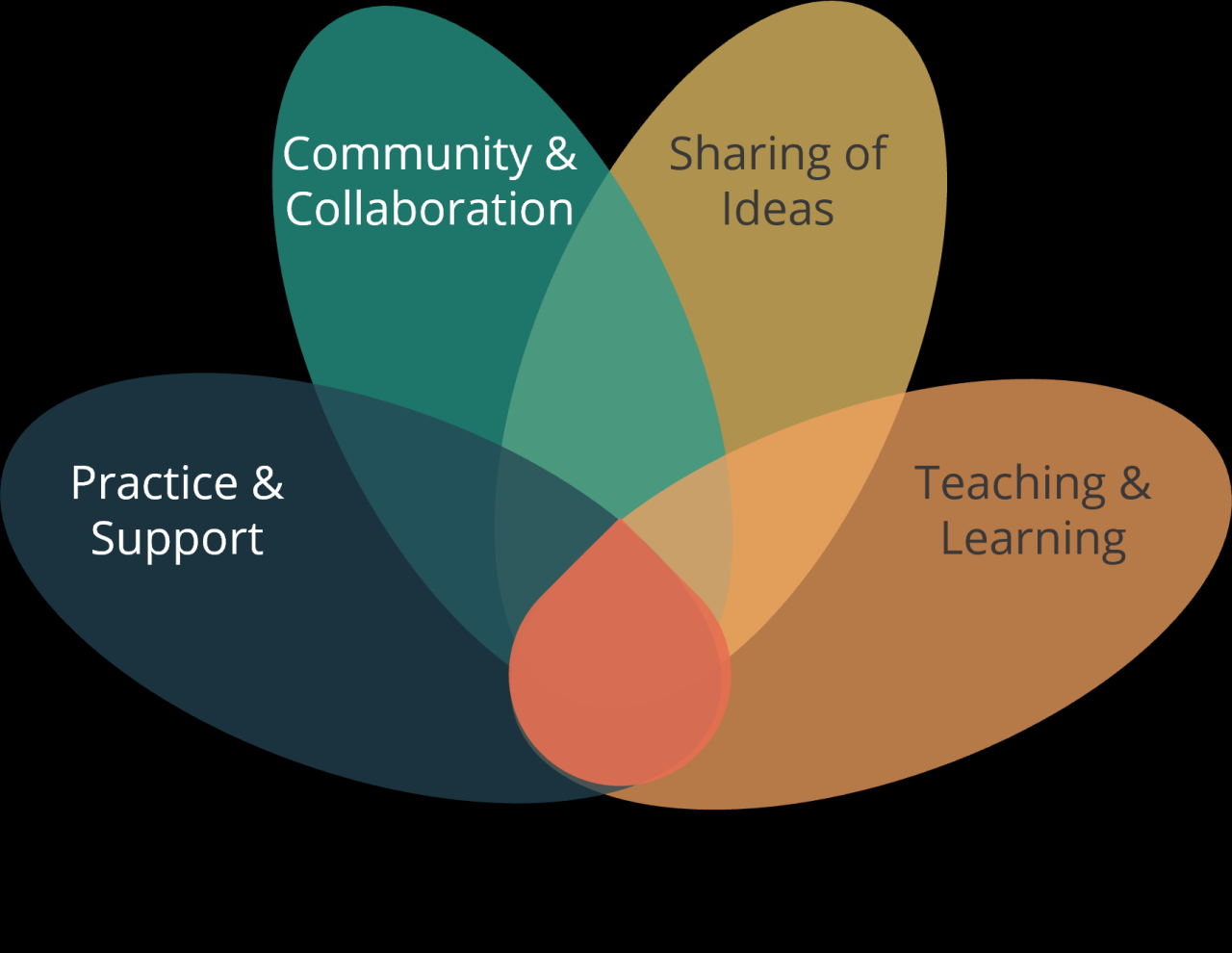
Building a strong vocabulary is crucial for effective communication in any language, and Italian is no exception. Expanding your word bank allows you to express yourself more fluently, understand native speakers with greater ease, and ultimately, enjoy the language more. This section focuses on key vocabulary categories and provides practical strategies for memorization.
Essential Vocabulary Categories for Beginners
Mastering fundamental vocabulary is the first step toward fluency. This table presents essential vocabulary categories for beginners, including greetings, basic verbs, common objects, and essential adjectives, with several examples in each.
| Category | Italian Word | English Translation | Example Sentence (Italian) |
|---|---|---|---|
| Greetings | Ciao | Hello/Goodbye (informal) | Ciao, come stai? (Hello, how are you?) |
| Buongiorno | Good morning/Good day | Buongiorno, signora. (Good morning, madam.) | |
| Arrivederci | Goodbye (formal) | Arrivederci, a domani. (Goodbye, see you tomorrow.) | |
| Basic Verbs | Essere | To be | Io sono italiano. (I am Italian.) |
| Avere | To have | Io ho un libro. (I have a book.) | |
| Fare | To do/to make | Cosa fai? (What are you doing?) | |
| Common Objects | Libro | Book | Leggi il libro. (Read the book.) |
| Casa | House | Questa è la mia casa. (This is my house.) | |
| Acqua | Water | Vorrei un bicchiere d’acqua. (I would like a glass of water.) | |
| Essential Adjectives | Buono | Good | Il cibo è buono. (The food is good.) |
| Grande | Big/Large | La casa è grande. (The house is big.) | |
| Piccolo | Small | Il gatto è piccolo. (The cat is small.) |
Tips for Memorizing New Vocabulary Efficiently
Effective vocabulary memorization techniques are essential for language learning success. Employing various methods can significantly enhance retention.
- Use Flashcards: Flashcards are a tried-and-true method. Write the Italian word on one side and the English translation on the other. Review them regularly. Apps like Anki and Quizlet offer digital flashcards with spaced repetition features, optimizing memorization.
- Contextualize Words: Instead of memorizing isolated words, learn them within sentences. This provides context and helps you understand how the word is used. For example, learn “mangiare” (to eat) within a sentence like, “Io mangio la pizza” (I eat pizza).
- Create Associations: Link new words to images, sounds, or personal experiences. This creates stronger neural connections and makes the words easier to recall. For instance, associate the word “sole” (sun) with the feeling of warmth on your skin.
- Practice Regularly: Consistent review is crucial. Even short, daily practice sessions are more effective than infrequent, lengthy ones. Aim for at least 10-15 minutes of vocabulary review each day.
- Use Spaced Repetition Systems (SRS): SRS algorithms, such as those used in Anki, schedule reviews based on your performance. Words you struggle with are reviewed more frequently, optimizing your learning time.
- Focus on Pronunciation: Correct pronunciation aids memorization. Listen to native speakers and practice saying the words aloud. Recording yourself can help you identify and correct pronunciation errors.
Resources for Expanding Vocabulary
Utilizing various resources can broaden your vocabulary. Many tools and platforms are available to support language learning.
- Flashcard Apps: Anki and Quizlet offer customizable flashcards and spaced repetition features. These apps allow you to create your own decks or use pre-made decks.
- Online Dictionaries: Websites like WordReference.com and Google Translate provide translations, example sentences, and pronunciation guides.
- Themed Word Lists: Websites and textbooks often provide vocabulary lists organized by topic (e.g., food, travel, family). This helps you learn words relevant to your interests.
- Language Exchange Partners: Talking to native speakers provides opportunities to learn new words in context and receive feedback. Platforms like HelloTalk and Tandem connect you with language partners.
- Reading Materials: Reading books, articles, and blog posts in Italian exposes you to new vocabulary in a natural setting. Start with materials appropriate for your level and gradually increase the difficulty.
- Vocabulary-Building Websites: Websites like Memrise and Duolingo offer gamified vocabulary learning experiences. These platforms use interactive exercises and spaced repetition to help you memorize words.
Pronunciation Practice: Mastering Italian Sounds
Perfecting your pronunciation is crucial for effective communication in Italian. It allows you to be understood clearly, enhances your confidence when speaking, and helps you appreciate the nuances of the language. Accurate pronunciation also significantly improves your listening comprehension skills. By dedicating time to pronunciation practice, you’ll not only sound more fluent but also unlock a deeper connection with the Italian language and culture.
Importance of Pronunciation in Italian Speaking
Accurate pronunciation in Italian is paramount for several reasons. Mispronunciation can lead to misunderstandings, and in some cases, it can completely change the meaning of a word or phrase. It also impacts how native speakers perceive your fluency and understanding of the language. Focusing on pronunciation from the beginning allows you to build a strong foundation, making future learning and communication significantly easier.
Moreover, correct pronunciation reflects respect for the language and culture.
Techniques for Practicing Italian Pronunciation
There are several effective techniques to hone your Italian pronunciation skills. One of the most beneficial is mimicking native speakers. This involves listening to Italian audio, such as podcasts, music, or movies, and then attempting to replicate the sounds and intonation as closely as possible.Another valuable resource is online pronunciation guides. These guides often provide audio examples and visual representations of how to pronounce individual sounds and words.
Using these resources alongside the practice of shadowing (repeating phrases immediately after hearing them) can greatly improve your pronunciation accuracy. Consider using resources like Forvo or YouTube channels dedicated to Italian pronunciation.Furthermore, recording yourself speaking Italian and then comparing it to native speaker recordings can highlight areas for improvement. This self-assessment allows you to identify specific sounds or patterns you need to work on.
Don’t be afraid to experiment and adjust your approach based on your progress. Consistent practice, even for short periods, is key to mastering Italian pronunciation.
Common Italian Sounds and Pronunciation Tips
Certain Italian sounds pose challenges for non-native speakers. Here’s a table outlining some of these sounds, along with specific tips to help you master them:
| Challenging Sound | Description | Common Mistakes | Tips for Mastering |
|---|---|---|---|
| The “r” sound (r) | A trilled sound produced by vibrating the tongue against the alveolar ridge (the area behind your upper teeth). | Pronouncing it as the English “r” sound, which is not trilled. | Practice by repeating words with the “r” sound, such as “ragazzo” (boy) or “arrivederci” (goodbye). Try to feel the vibration in your mouth. You can find online tutorials demonstrating the correct tongue position and practice. |
| The “c” and “g” sounds before “i” and “e” | These letters have a soft sound before “i” and “e”. The “c” is pronounced like “ch” in “church,” and the “g” is pronounced like the “j” in “judge.” | Pronouncing them with a hard “k” or “g” sound. | Listen carefully to how native speakers pronounce words like “cena” (dinner) and “gente” (people). Pay attention to the sound change. Practice saying these words slowly, focusing on the soft sound. |
| Double consonants | Italian uses double consonants to lengthen the sound of the consonant. | Omitting the second consonant, resulting in a shorter sound. | Focus on extending the sound of the consonant. For example, in “palla” (ball), the “ll” sound is longer than in English. Try to feel the emphasis. |
| The “gl” sound | The “gl” combination is pronounced like the “lli” in “million” (with a slight “y” sound). | Pronouncing it like “gl” in English. | Practice words like “aglio” (garlic) and “famiglia” (family). Listen to native speakers and try to replicate the sound, making sure to include the “y” sound. |
Conversation Starters
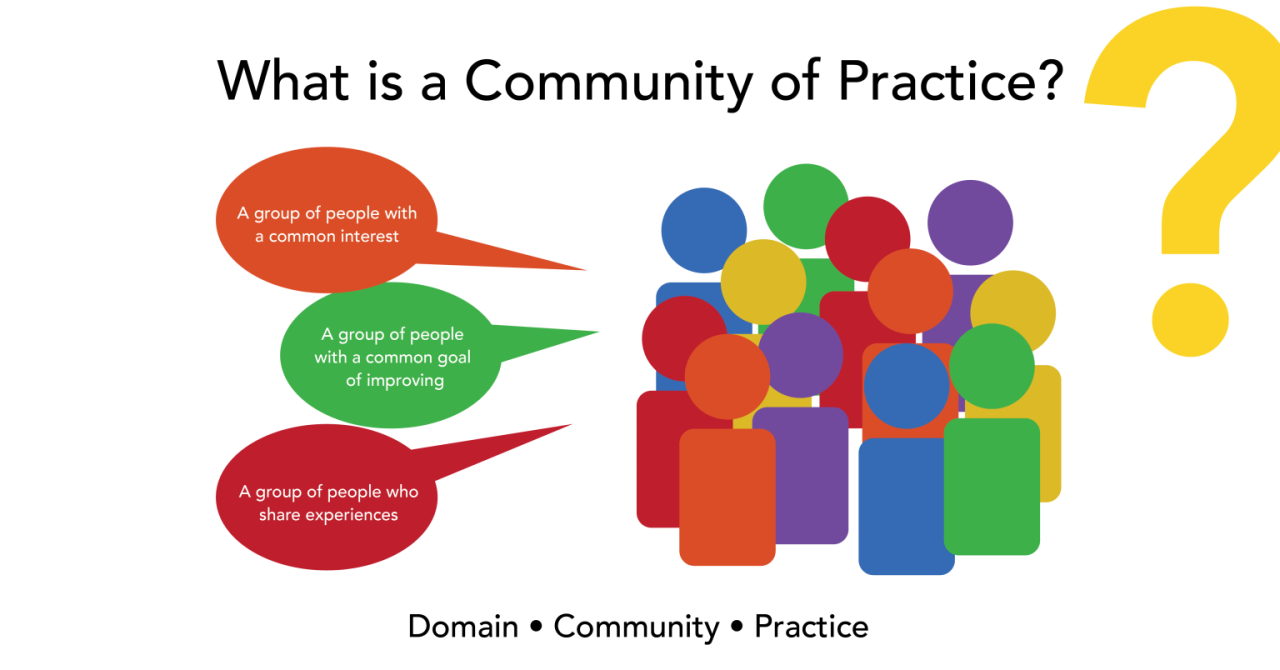
Mastering basic conversation starters is crucial for initiating and maintaining interactions in Italian. These phrases provide a springboard for further dialogue and allow you to practice your speaking skills in a natural, everyday context. Regular use of these starters will build your confidence and fluency, enabling you to engage more effectively with native speakers.
Common Italian Conversation Starters
Here are some frequently used conversation starters in Italian, along with their English translations and examples of how they can be applied:
- “Ciao!” (Hello/Hi!)
-A versatile greeting used in both formal and informal settings. - “Buongiorno!” (Good morning/Good day!)
-Used until around lunchtime. - “Buonasera!” (Good evening!)
-Used from late afternoon onwards. - “Come stai?” / “Come sta?” (How are you?
-informal/formal)
-Used to inquire about someone’s well-being. - “Tutto bene?” (Everything okay?)
-A casual way to ask how someone is doing. - “Come va?” (How’s it going?)
-Another casual greeting and inquiry. - “Piacere!” (Nice to meet you!)
-Used when being introduced to someone. - “Come ti chiami?” / “Come si chiama?” (What’s your name?
-informal/formal)
-Used to ask for someone’s name. - “Di dove sei?” / “Di dov’è?” (Where are you from?
-informal/formal)
-Used to inquire about someone’s origin. - “Cosa fai?” (What do you do?)
-Used to ask about someone’s profession or activities. - “Che tempo fa?” (What’s the weather like?)
-A common conversation starter, especially when the weather is noticeable. - “Hai fatto qualcosa di interessante oggi?” (Have you done anything interesting today?)
-Used to inquire about someone’s activities.
Using Conversation Starters in Social Situations
Understanding the appropriate context for using these conversation starters is vital. Here are some examples:
- Meeting a Friend: You might start with “Ciao, Marco! Come stai?” (Hi, Marco! How are you?) followed by “Tutto bene?” (Everything okay?).
- Meeting Someone New: Introduce yourself with “Piacere! Mi chiamo Giulia.” (Nice to meet you! My name is Giulia.) and then ask “Come ti chiami?” (What’s your name?).
- At a Cafe: Initiate a conversation with the barista by saying “Buongiorno! Che tempo fa oggi?” (Good morning! What’s the weather like today?).
- At a Restaurant: You could start with “Buonasera!” (Good evening!) to the waiter and then order your food.
- In a Shop: “Buongiorno! Posso aiutarla?” (Good morning! Can I help you?) is a common greeting and opening phrase by shop assistants.
Role-Playing Scenario
This role-playing scenario allows you to practice using conversation starters with a partner.
Scenario: You are at a local market. You want to buy some fresh fruit and vegetables.
Person A (You):
- Approach a vendor and say “Buongiorno!” (Good morning!)
- Ask: “Come va?” (How’s it going?)
- Inquire: “Che cosa ha di buono oggi?” (What do you have that’s good today?)
- Practice asking the price: “Quanto costa…?” (How much does… cost?)
Person B (Vendor):
- Respond to “Buongiorno!” with a greeting and a smile.
- Reply to “Come va?” with a brief answer.
- Describe the fresh produce available.
- State the prices of the items.
Dialogue Example:
Person A: Buongiorno! Come va?
Person B: Buongiorno! Va bene, grazie. E tu?
Person A: Bene, grazie. Che cosa ha di buono oggi?
Person B: Abbiamo delle fragole fresche, dei pomodori deliziosi, e delle zucchine. Cosa le serve?
Person A: Quanto costano le fragole?
Person B: Le fragole costano 3 euro al cestino.
This exercise allows you to practice common phrases in a realistic setting. Remember to switch roles and repeat the scenario to reinforce your understanding and build fluency.
Immersive Activities
Integrating immersive activities into your daily Italian practice is crucial for accelerating your fluency. This approach allows you to passively absorb the language while simultaneously improving your comprehension and pronunciation. By surrounding yourself with Italian, you train your brain to think and react in the language, making it feel more natural over time. This section explores effective methods for incorporating listening and speaking practice into your daily routine.
Effective Listening Practice Methods
Consistent listening practice is fundamental for developing a strong foundation in Italian. This practice allows you to become familiar with the rhythm, intonation, and sounds of the language, significantly improving your ability to understand spoken Italian.
- Active Listening: Engage with the audio content by taking notes, pausing to repeat phrases, and focusing on the meaning. This method promotes deeper understanding compared to passive listening. For example, while listening to a podcast, write down new vocabulary or phrases that you encounter.
- Repetitive Listening: Listen to the same audio content multiple times. Each time, you will likely understand more, catching nuances and improving your comprehension. This is especially helpful with challenging content.
- Dictation Exercises: Pause the audio and write down what you hear. This helps improve your listening comprehension and spelling skills. This is a great way to identify areas where you struggle.
- Shadowing: Repeat the audio content immediately after hearing it, mimicking the speaker’s pronunciation and intonation. This technique improves pronunciation and fluency.
Resources for Italian Audio Content
Accessing a variety of Italian audio content is essential for keeping your practice engaging and diverse. Here are some excellent resources to explore:
- Podcasts: Podcasts offer a convenient and varied source of Italian audio. Many podcasts are available for free on platforms like Spotify, Apple Podcasts, and Google Podcasts.
- Coffee Break Italian: A popular podcast for learners of all levels, providing structured lessons and conversations.
- Italy Made Easy: Focuses on practical Italian and cultural insights.
- News in Slow Italian: Delivers news stories read at a slower pace, ideal for intermediate learners.
- Music: Listening to Italian music exposes you to the language in a fun and engaging way.
- Spotify and Apple Music: These platforms offer a vast library of Italian music across various genres.
- Lyric Videos: Watching music videos with lyrics can help you connect the words to the music.
- Audiobooks: Audiobooks provide an excellent opportunity to improve your listening comprehension and vocabulary.
- Audible: Offers a wide selection of Italian audiobooks.
- LibriVox: Provides free audiobooks recorded by volunteers.
- Radio: Listening to Italian radio stations can immerse you in the language and culture.
- TuneIn Radio: Allows you to listen to Italian radio stations from around the world.
Combining Listening and Speaking Practice: Shadowing Technique
Shadowing is a powerful technique for combining listening and speaking practice. This method involves listening to audio content and then immediately repeating what you hear, mimicking the speaker’s pronunciation, intonation, and rhythm.
Here’s a framework for implementing the shadowing technique:
- Choose your content: Select audio content appropriate for your level. Start with short clips and gradually increase the length.
- Listen first: Listen to the audio clip without following along. Focus on understanding the overall meaning.
- Listen and shadow: Play the audio again, and immediately repeat what you hear, trying to match the speaker’s pace and pronunciation.
- Practice regularly: Shadowing is most effective when practiced consistently. Aim for at least 10-15 minutes per day.
- Record yourself: Record yourself shadowing to identify areas for improvement. Compare your recording to the original audio.
“Shadowing is like having a personal Italian tutor constantly available. It helps you internalize the language’s flow and improve your pronunciation naturally.”
Utilizing Technology

Technology offers a wealth of resources for practicing Italian speaking, transforming the way we learn and interact with the language. From interactive apps to online platforms, these tools provide diverse opportunities for learners to immerse themselves in the Italian language and culture, regardless of their location or schedule. Incorporating these technologies into your daily routine can significantly accelerate your progress in speaking Italian.
Useful Apps and Online Tools for Practicing Italian Speaking
A variety of applications and online platforms cater to different learning styles and preferences. Selecting the right tools can enhance the learning experience, making it more engaging and effective.
- Language Learning Apps: These apps offer structured lessons, interactive exercises, and personalized feedback. Popular choices include Duolingo, Babbel, Memrise, and Rosetta Stone.
- Online Language Exchange Platforms: Platforms like HelloTalk, Tandem, and italki connect you with native Italian speakers for language exchange and conversation practice.
- Video and Audio Resources: YouTube channels, podcasts, and Italian radio stations provide exposure to authentic Italian speech and pronunciation. Examples include ItalianPod101, Easy Italian, and Rai Radio.
- Speech Recognition Software: Some apps and websites incorporate speech recognition technology, allowing you to practice pronunciation and receive feedback on your spoken Italian.
- Online Dictionaries and Translation Tools: Websites like WordReference and Google Translate provide quick access to vocabulary and translations, aiding comprehension and vocabulary acquisition.
Comparative Analysis of Different Language Learning Apps
Language learning apps vary significantly in their features, teaching methodologies, and target audiences. Understanding the strengths and weaknesses of each app is crucial for making informed choices that align with your learning goals.
| App | Strengths | Weaknesses |
|---|---|---|
| Duolingo | Gamified learning, free access, short lessons, suitable for beginners. | Limited depth in grammar, less emphasis on conversation, repetitive exercises. |
| Babbel | Structured courses, focus on conversational skills, interactive lessons, subscription-based. | Less gamification than Duolingo, can be more expensive, limited free content. |
| Memrise | Focus on vocabulary acquisition using spaced repetition, user-generated content, engaging format. | Less emphasis on grammar, content quality can vary depending on user-generated courses. |
| Rosetta Stone | Immersive learning environment, focus on pronunciation and natural language acquisition, subscription-based. | Can be expensive, less emphasis on explicit grammar explanations, can be slow-paced for some learners. |
Effective Use of Language Learning Tools
To maximize the learning potential of these tools, a strategic approach is essential. Consistency, active engagement, and a personalized learning plan are key to achieving fluency.
- Set Clear Goals: Define specific objectives, such as learning a certain number of new words per week or practicing conversation for a specific duration.
- Create a Consistent Schedule: Dedicate a specific time each day to studying Italian, ensuring consistency in your practice. For example, use Duolingo for 15 minutes during your morning commute and practice conversation on HelloTalk for 30 minutes in the evening.
- Combine Different Resources: Utilize a combination of apps, online platforms, and other resources to diversify your learning experience. For instance, use Babbel for structured lessons and complement it with conversation practice on Tandem.
- Actively Engage with the Material: Don’t just passively consume content; actively participate in exercises, take notes, and review the material regularly. Record yourself speaking and compare it with native speakers.
- Focus on Speaking Practice: Prioritize speaking practice by using language exchange platforms, recording yourself, or finding a language partner.
- Embrace Mistakes: Don’t be afraid to make mistakes; they are an integral part of the learning process. Learn from your errors and use them to improve.
- Personalize Your Learning: Tailor your learning plan to your individual needs and preferences. If you struggle with grammar, focus on grammar lessons. If you enjoy music, incorporate Italian songs into your routine.
- Track Your Progress: Monitor your progress regularly to stay motivated and identify areas for improvement. Keep a journal of new words and phrases, and track your speaking fluency over time.
- Leverage Technology’s Features: Take advantage of features like speech recognition, flashcards, and personalized feedback to enhance your learning experience.
Overcoming Common Challenges
Learning a new language, especially within a limited time frame like our 20-minute daily practice, inevitably presents challenges. Staying motivated and managing frustration are key to consistent progress. This section addresses common hurdles and provides actionable strategies to navigate them effectively.
Common Challenges Faced by Language Learners
The journey of learning Italian is not always smooth. Several obstacles can impede progress and lead to discouragement. Recognizing these common pitfalls is the first step towards overcoming them.
- Maintaining Motivation: The initial enthusiasm often wanes as the learning curve steepens. Juggling language learning with daily commitments can be challenging.
- Managing Frustration: Difficult concepts, pronunciation struggles, and slow progress can lead to frustration and a desire to give up. The feeling of not understanding or being understood is a significant demotivator.
- Time Constraints: Fitting language practice into a busy schedule, even with a dedicated 20 minutes, requires discipline and efficient use of time. Unexpected events can disrupt routines.
- Fear of Making Mistakes: The fear of sounding foolish or making errors can prevent learners from speaking, hindering their progress. This is a common hurdle for many language learners.
- Lack of Exposure: Insufficient exposure to the Italian language outside of structured learning can limit vocabulary acquisition and understanding of natural speech patterns.
Strategies for Overcoming Challenges
Successfully navigating the challenges requires proactive strategies. These methods focus on building resilience, adapting to setbacks, and staying focused on the long-term goal.
- Setting Realistic Expectations: Understanding that progress is not always linear is crucial. Celebrate small victories and avoid comparing yourself to others. Remember that fluency is a journey, not a destination.
- Finding Enjoyment in the Process: Incorporate activities you enjoy, such as listening to Italian music, watching Italian films (with subtitles initially), or reading Italian comics. Make learning fun.
- Creating a Support System: Connect with other Italian learners, either online or in person. Sharing experiences and encouraging each other can boost motivation. A language partner can be invaluable.
- Breaking Down Tasks: Divide large goals into smaller, manageable steps. This makes the learning process feel less overwhelming and provides a sense of accomplishment as each milestone is reached.
- Embracing Mistakes: View mistakes as opportunities for learning. Correcting errors is an integral part of language acquisition. Don’t be afraid to speak, even if you make mistakes.
- Focusing on Consistency: Dedicate yourself to the daily 20-minute practice, even on days when you don’t feel like it. Consistency is more important than the intensity of each session.
- Using Positive Self-Talk: Encourage yourself and acknowledge your progress. Replace negative thoughts with positive affirmations.
Designing a Plan for Tracking Progress and Celebrating Achievements
Tracking progress and celebrating milestones is essential for maintaining motivation. A well-structured plan helps visualize achievements and reinforces the commitment to learning.
- Establishing Measurable Goals: Define specific, measurable, achievable, relevant, and time-bound (SMART) goals. For example, “I will learn 10 new Italian words each week,” or “I will be able to hold a basic conversation about my hobbies within one month.”
- Utilizing a Progress Tracking Method:
- A Notebook: A dedicated notebook to track vocabulary learned, grammar concepts understood, and conversational topics mastered.
- A Digital Tracker: Apps or spreadsheets to record practice time, lessons completed, and vocabulary gained.
- Regular Self-Assessment: Conduct weekly or monthly self-assessments. Review your progress, identify areas for improvement, and celebrate accomplishments.
- Rewarding Achievements: Create a system of rewards for reaching milestones.
- Small Rewards: Treat yourself to something you enjoy, like a favorite Italian snack, after completing a lesson.
- Larger Rewards: Reward yourself for reaching bigger goals, such as taking an Italian cooking class after completing a course or visiting Italy once you have achieved a certain level of fluency.
- Celebrating Milestones: Acknowledge and celebrate your achievements, no matter how small. This reinforces positive behavior and keeps you motivated.
Concluding Remarks
In conclusion, mastering Italian speaking within a 20-minute daily framework is not only achievable but also incredibly rewarding. By incorporating the techniques and strategies Artikeld in this guide, you can cultivate a consistent learning habit, build a strong foundation in vocabulary and pronunciation, and gain the confidence to engage in Italian conversations. Remember, consistency and a strategic approach are key.
So, embrace the challenge, enjoy the process, and watch your Italian skills flourish.