Embarking on the journey of learning French without a teacher may seem daunting, but with the right approach, it’s entirely achievable. This guide, centered on how to learn French fast without teacher, provides a roadmap for self-directed learners, outlining strategies to accelerate your language acquisition. We’ll explore effective techniques, from immersive learning to leveraging technology, ensuring you build a strong foundation in pronunciation, grammar, and vocabulary.
This resource will delve into the practical aspects of self-study, addressing common challenges and offering solutions to overcome plateaus. You’ll discover how to create a personalized learning plan, incorporating diverse resources and techniques. Furthermore, we’ll emphasize the importance of consistent practice, motivation, and cultural immersion, providing you with the tools and strategies to achieve your French language goals effectively.
Setting Realistic Expectations
Learning French quickly without a teacher presents a significant challenge. While it’s possible to make rapid progress, it’s crucial to understand the limitations and avoid common pitfalls to stay motivated and achieve tangible results. This section focuses on establishing a realistic framework for your self-study journey, setting clear expectations, and identifying the essential skills to prioritize.
Limitations of Self-Learning
Self-learning French, while empowering, has inherent limitations. The absence of a teacher means you lack immediate feedback on pronunciation, grammar, and fluency. Correcting errors becomes more difficult, and identifying areas for improvement requires self-awareness and disciplined practice. Additionally, motivation can be a challenge without the structure and accountability a teacher provides.
Defining ‘Fast’ in Language Acquisition
The definition of “fast” in language learning varies significantly. It’s essential to set achievable goals based on your learning style, time commitment, and the intensity of your study. Rapid progress doesn’t mean fluency overnight.Here’s a realistic timeline:
- Weeks: In a few weeks, you can learn basic greetings, introductions, and essential phrases. You’ll gain familiarity with pronunciation and basic sentence structures.
- Months: After several months of consistent study (e.g., 1-2 hours daily), you can reach an intermediate level. You’ll be able to understand and participate in simple conversations, read basic texts, and write short paragraphs. This might involve a vocabulary of around 1,000-2,000 words.
- Years: Achieving fluency takes longer, typically years of dedicated study and immersion. This involves mastering complex grammar, expanding vocabulary to several thousand words, and consistently practicing speaking, listening, reading, and writing.
Common Pitfalls and Challenges for Self-Learners
Self-learners often encounter specific challenges that can hinder their progress.
- Lack of Corrective Feedback: Without a teacher, you may unknowingly develop incorrect pronunciation or grammatical habits.
- Inconsistent Study: Self-discipline is crucial. Irregular study schedules lead to slower progress and potential demotivation.
- Choosing Ineffective Resources: Not all learning materials are created equal. Poorly designed resources can waste time and lead to frustration.
- Focusing on the Wrong Things: Prioritizing less critical aspects (e.g., memorizing obscure vocabulary) over essential skills (e.g., basic grammar) can be counterproductive.
- Neglecting Speaking Practice: Many self-learners prioritize reading and writing, neglecting crucial speaking practice.
Essential Skills Checklist for Initial Focus
To maximize your progress, prioritize these core skills from the outset:
- Pronunciation: Correct pronunciation is foundational. Start with the French alphabet and phonetics. Use audio resources to mimic native speakers.
- Basic Grammar: Master fundamental grammar rules, such as verb conjugations, noun genders, and sentence structure. Understanding these rules allows you to construct basic sentences.
- Vocabulary: Build a core vocabulary of frequently used words and phrases. Focus on practical vocabulary relevant to everyday conversations.
- Listening Comprehension: Expose yourself to spoken French through podcasts, audio lessons, or simple conversations.
- Speaking Practice: Practice speaking from the start, even if it’s just repeating phrases or recording yourself.
Immersive Learning Techniques
Creating an immersive environment at home is crucial for accelerating French language acquisition. It involves surrounding yourself with the language as much as possible, transforming your living space into a hub of French. This constant exposure, even passively, significantly boosts comprehension and fluency over time. It is like living in a French-speaking country, without physically being there.
Creating an Immersive Environment at Home
Building an immersive environment involves integrating French into your daily life. This goes beyond formal study and encompasses every aspect of your routine. Consistency and creativity are key to success.
- Labeling Objects: Start by labeling common household items with their French names. This constant visual reinforcement helps you build vocabulary organically. For example, label your “table” as “la table,” your “chair” as “la chaise,” and your “door” as “la porte.”
- Changing Device Settings: Change the language settings on your phone, computer, and other devices to French. This exposes you to French terminology in everyday use, from menu options to notifications. This constant exposure helps reinforce the language and improves reading comprehension.
- Listening to French Radio or Podcasts: Play French radio stations or podcasts in the background while you’re working, cooking, or doing chores. Even if you don’t understand everything at first, your brain will start to pick up on the sounds and rhythms of the language.
- French-Language Wall Decor: Display French phrases, quotes, or artwork with French text around your home. This serves as a constant visual reminder and adds a touch of French culture to your environment. For example, you could hang a poster with the phrase “C’est la vie” (That’s life) or a print of a famous French painting.
- French-Language News and Social Media: Follow French news outlets and social media accounts. This helps you stay updated on current events while practicing your reading and comprehension skills. Websites like Le Monde or France 24 provide reliable French news sources.
French Media Resources
Accessing a variety of French media is essential for immersive learning. These resources offer diverse content that caters to different learning styles and interests. The key is to find materials that you enjoy and that match your current proficiency level.
- Movies: Watching French movies is an excellent way to improve listening comprehension and become familiar with French culture. Start with movies with subtitles, and gradually reduce your reliance on them as your skills improve. Some popular choices include “Amélie,” “Intouchables,” and “La Haine.”
- TV Shows: French TV shows offer a wealth of content, from comedies and dramas to documentaries and reality shows. Look for shows with subtitles initially, and then try watching without them. Series like “Dix pour cent” (Call My Agent!) and “Fais pas ci, fais pas ça” are great options for learners.
- Music: Listening to French music is a fun and engaging way to improve your pronunciation and vocabulary. Explore different genres, from classic chanson to contemporary pop. Use lyrics websites to understand the meaning of the songs. Artists like Édith Piaf, Stromae, and Angèle are popular choices.
- Podcasts: Podcasts are an excellent resource for improving listening comprehension, pronunciation, and expanding your vocabulary. There are podcasts for all levels, from beginner to advanced. Some recommended podcasts include “Coffee Break French,” “InnerFrench,” and “Learn French with FrenchPod101.”
- YouTube Channels: YouTube offers a wealth of French-language content, including language lessons, vlogs, and documentaries. Search for channels that match your interests and proficiency level. Channels like “Easy French” and “FrenchPod101” provide structured lessons, while vlogs offer insights into French culture and daily life.
Strategies for Utilizing Media Resources Effectively
Maximizing the benefits of French media requires a strategic approach. These techniques will help you actively engage with the material and accelerate your learning.
- Start with Subtitles: Initially, use French subtitles when watching movies and TV shows. This helps you connect the spoken words with the written text. Gradually reduce your reliance on subtitles as your listening comprehension improves.
- Active Listening: Don’t just passively watch or listen. Take notes on new vocabulary, phrases, and grammar points. Pause and rewind sections you don’t understand. Try to repeat phrases and imitate the pronunciation of native speakers.
- Choose Content at Your Level: Select media that is appropriate for your current proficiency level. Start with simpler content and gradually move to more challenging materials as your skills improve. Don’t be afraid to rewatch or relisten to content to reinforce your understanding.
- Focus on Context: Pay attention to the context in which words and phrases are used. This helps you understand their meaning and how they are used in different situations.
- Use Language Learning Apps: Supplement your media consumption with language learning apps like Duolingo, Babbel, or Memrise. These apps offer interactive exercises and quizzes that reinforce the vocabulary and grammar you learn from media.
Incorporating Daily Routines with French Language Activities
Integrating French into your daily routines makes learning more consistent and effective. This helps create a habit of using the language regularly.
- Morning Routine: Start your day by listening to a French podcast or radio show while getting ready. Read a French news article or a short story while having breakfast.
- Commuting: Listen to French music or podcasts during your commute. This is a great way to utilize otherwise unproductive time.
- Work/Study Breaks: Take short breaks to watch a French video or read a few pages of a French book. This can help refresh your mind and provide a welcome change of pace.
- Evening Routine: Watch a French movie or TV show before bed. Review vocabulary and grammar points from the day’s learning activities.
- Cooking/Chores: Listen to French music or a podcast while cooking or doing chores. This turns mundane tasks into opportunities for language learning.
Effective Study Materials and Resources
To accelerate your French learning journey, choosing the right study materials and resources is crucial. The availability of numerous free and paid options can be overwhelming. This section will guide you through selecting the most effective tools to supplement your self-study approach, maximizing your learning potential.
Identifying the Best Free Online Resources for Learning French
Numerous free online resources can significantly aid your French language acquisition. These resources provide a cost-effective way to access diverse learning materials and practice your skills.
- Websites: Websites offer a structured approach to learning French, often featuring lessons, exercises, and quizzes.
- Duolingo: Duolingo provides gamified lessons covering grammar, vocabulary, and pronunciation. Its strengths lie in its user-friendly interface and short, engaging exercises. It’s suitable for beginners, but advanced learners might find the content insufficient.
- BBC Languages: The BBC Languages website offers a comprehensive range of free resources, including grammar guides, vocabulary lists, and audio and video lessons. It caters to various proficiency levels, providing a solid foundation in French.
- Bonjour de France: Bonjour de France provides a wide array of free materials, including articles, grammar explanations, and interactive exercises. It’s particularly useful for improving reading comprehension and vocabulary.
- Loecsen: Loecsen focuses on essential phrases and vocabulary for everyday situations. It offers audio recordings and visual aids, making it ideal for beginners and travelers.
- Apps: Mobile applications provide a convenient way to learn French on the go.
- Memrise: Memrise utilizes spaced repetition to help you memorize vocabulary and phrases. It incorporates user-generated content, offering a vast library of courses.
- Babbel (Free Version): While primarily a paid service, Babbel offers a limited number of free lessons. These lessons are well-structured and focus on conversational French.
- FrenchPod101: FrenchPod101 provides audio and video lessons, covering various topics and proficiency levels. While it has a premium subscription, it offers numerous free lessons and resources.
- YouTube Channels: YouTube channels provide access to video lessons, pronunciation guides, and cultural insights.
- Easy French: Easy French features street interviews with native speakers, providing authentic listening practice and exposure to natural conversation.
- Learn French with Alexa: Learn French with Alexa offers structured lessons covering grammar, vocabulary, and pronunciation, suitable for beginners and intermediate learners.
- French with Pierre: French with Pierre provides engaging lessons on grammar, vocabulary, and pronunciation. He uses clear explanations and practical examples.
Elaborating on the Benefits and Drawbacks of Different Learning Platforms
Each learning platform possesses unique strengths and weaknesses. Understanding these aspects will help you choose the most suitable resources for your individual learning style and goals.
- Language Learning Apps:
- Benefits: Apps offer convenience, accessibility, and gamified learning experiences. They often track your progress and provide personalized feedback.
- Drawbacks: Some apps may lack depth in grammar explanations or focus primarily on vocabulary memorization. The quality of content can vary depending on the app.
- Websites:
- Benefits: Websites often provide more structured lessons and in-depth explanations of grammar and vocabulary. They frequently offer a wider range of resources, such as exercises, quizzes, and audio/video content.
- Drawbacks: Some websites may lack the interactive elements found in apps. Navigation and user experience can vary significantly.
- YouTube Channels:
- Benefits: YouTube channels offer free access to diverse content, including lessons, cultural insights, and pronunciation guides. They can be highly engaging and provide exposure to native speakers.
- Drawbacks: The quality of content can vary widely. Finding a structured learning path may require more effort.
Creating a Comparison Table of Popular French Learning Apps
The following table provides a comparative overview of popular French learning apps, highlighting their features, pricing, and user reviews. This information will help you make an informed decision about which app best aligns with your learning needs.
| App | Features | Pricing | User Reviews (approximate) |
|---|---|---|---|
| Duolingo | Gamified lessons, vocabulary building, grammar practice, pronunciation exercises. | Free (with ads), Premium subscription available. | Generally positive, praised for its user-friendly interface and engaging approach. Some users find the content insufficient for advanced learners. |
| Memrise | Spaced repetition, vocabulary memorization, user-generated content, video clips of native speakers. | Free (with limited features), Premium subscription available. | Highly rated for its effectiveness in vocabulary retention. Some users find the user-generated content quality inconsistent. |
| Babbel | Structured lessons, conversational focus, personalized learning paths. | Subscription-based. | Generally positive, praised for its structured approach and focus on practical conversation. Some users find it more expensive than other options. |
| Rosetta Stone | Immersive learning, speech recognition, focus on pronunciation and conversational skills. | Subscription-based. | Mixed reviews. Some users praise its immersive approach, while others find it less effective for grammar and vocabulary acquisition. |
Designing a Personalized Study Schedule Incorporating Various Learning Resources
A well-structured study schedule is essential for consistent progress. This section provides guidance on creating a personalized schedule that integrates various learning resources effectively.
- Beginner Level:
- Daily (30-60 minutes): Use Duolingo or Babbel for 15-20 minutes to learn basic vocabulary and grammar. Watch a short Easy French video (5-10 minutes) to practice listening comprehension. Review flashcards on Memrise (10-15 minutes) for vocabulary reinforcement.
- Weekly: Dedicate one day to grammar practice using a website like BBC Languages. Read simple French texts or children’s books for 30 minutes.
- Intermediate Level:
- Daily (60-90 minutes): Use a combination of resources, such as Babbel or a similar app for structured lessons (20-30 minutes). Watch a French YouTube channel like Learn French with Alexa or French with Pierre for grammar and vocabulary (20-30 minutes). Read French articles or short stories (20-30 minutes).
- Weekly: Participate in a language exchange with a native speaker or join an online French conversation group. Watch French movies or TV shows with subtitles.
- Advanced Level:
- Daily (60+ minutes): Engage in more immersive activities, such as reading French novels or newspapers (30-45 minutes). Watch French news or documentaries without subtitles (30 minutes).
- Weekly: Practice writing in French, such as journaling or blogging. Participate in online French courses or workshops to refine your skills.
Note: Adapt the schedule to your availability and learning preferences. Consistency is key.
Mastering Pronunciation and Speaking Skills
Developing strong pronunciation and speaking skills is paramount in learning French. Accurate pronunciation not only enhances comprehension but also boosts confidence, allowing for more fluid and natural communication. The ability to speak clearly and understandably is a crucial element in achieving fluency and engaging effectively with native speakers.
The Significance of French Pronunciation
Precise pronunciation is fundamental for effective communication in French. Subtle differences in pronunciation can drastically alter the meaning of words, leading to misunderstandings. For example, the difference between “père” (father) and “paire” (pair) hinges on the vowel sound. Mastering pronunciation allows for a more accurate interpretation of spoken French and prevents misinterpretations that can hinder conversations. It also significantly contributes to a better understanding of French culture and the nuances of the language.
Mimicking Native Speaker Pronunciation
The key to mastering French pronunciation lies in mimicking native speakers. This involves paying close attention to the sounds, intonation, and rhythm of the language.
- Listen Actively: Immerse yourself in French audio content, such as podcasts, music, and movies. Focus on how native speakers pronounce words and phrases. Pay attention to the flow and rhythm of their speech.
- Record and Compare: Record yourself speaking French and compare your pronunciation to that of native speakers. Identify areas where you can improve.
- Focus on Specific Sounds: French has sounds that may not exist in your native language. Concentrate on mastering these specific sounds, such as the nasal vowels (an, en, in, on, un), the “r” sound (often pronounced in the back of the throat), and the various vowel sounds.
- Use Shadowing Techniques: Shadowing involves listening to a native speaker and repeating what they say immediately afterward, mimicking their pronunciation, intonation, and rhythm. This technique is highly effective for improving pronunciation and fluency.
Practicing Speaking Without a Teacher
Practicing speaking French without a teacher is entirely achievable through various self-guided methods. These techniques allow you to hone your speaking skills at your own pace.
- Self-Recording: Record yourself speaking French on a regular basis. This could involve reading aloud, describing pictures, or answering questions. Review your recordings to identify areas for improvement.
- Voice Recognition Software: Utilize voice recognition software, such as speech-to-text applications, to practice speaking. This software can provide feedback on your pronunciation and accuracy.
- Speak Aloud Regularly: Even if you are alone, make an effort to speak French out loud. Describe your surroundings, narrate your actions, or simply think out loud in French.
- Practice with a Language Partner: Find a language exchange partner online or in person. This provides opportunities to practice speaking with another person and receive feedback.
Utilizing Online Tools for Pronunciation Feedback
Numerous online tools provide valuable pronunciation feedback, helping learners refine their speaking skills. These resources leverage technology to analyze your speech and offer suggestions for improvement.
- Forvo: This website and app provide pronunciations of words and phrases by native speakers. You can listen to the pronunciations and compare them to your own.
- YouGlish: This tool searches YouTube for videos containing a specific word or phrase, allowing you to hear it pronounced in context by native speakers.
- Online Dictionaries with Audio: Many online dictionaries, such as WordReference.com and Larousse.fr, include audio pronunciations of words.
- Speechling: Speechling provides personalized pronunciation feedback from native speakers. You record yourself speaking, and a native speaker provides corrections and suggestions.
Grammar Fundamentals and Vocabulary Building

Building a strong foundation in French grammar and expanding your vocabulary are essential for achieving fluency. This section provides a structured approach to mastering the core grammatical concepts and vocabulary needed for effective communication. We’ll explore essential grammar rules and introduce effective vocabulary learning techniques to accelerate your progress.
Core Grammatical Concepts
Understanding the fundamental grammatical structures is critical for constructing grammatically correct sentences and comprehending the language. This includes understanding verb conjugations, noun genders, and sentence structure.
- Verb Conjugation: French verbs change form depending on the subject and tense. Mastering the conjugations of common verbs like “être” (to be), “avoir” (to have), and “aller” (to go) is fundamental. For example:
- Je suis (I am)
- Tu as (You have)
- Il/Elle va (He/She goes)
- Noun Gender: French nouns are either masculine or feminine. The gender affects the articles (le/la/les) and adjectives used with the noun. Learning the gender of nouns is crucial for accurate sentence construction. For example:
- Le livre (the book – masculine)
- La table (the table – feminine)
- Adjective Agreement: Adjectives must agree in gender and number with the noun they modify. If a noun is feminine and plural, the adjective must also be feminine and plural. For example:
- Un petit chat (a small cat – masculine singular)
- Une petite chatte (a small cat – feminine singular)
- De petits chats (small cats – masculine plural)
- De petites chattes (small cats – feminine plural)
- Pronouns: Pronouns replace nouns and are essential for avoiding repetition and constructing natural-sounding sentences. There are subject pronouns (je, tu, il/elle/on, nous, vous, ils/elles), direct object pronouns, indirect object pronouns, and more. For example:
- Je mange une pomme. Je la mange. (I eat an apple. I eat it.)
-Direct object pronoun - Je donne un cadeau à Marie. Je lui donne un cadeau. (I give a gift to Marie. I give her a gift.)
-Indirect object pronoun - Sentence Structure: The basic French sentence structure is subject-verb-object (SVO), but variations exist. Understanding the typical order and how to modify it is key. For example:
- Je mange une pomme. (I eat an apple.)
-SVO - Hier, j’ai mangé une pomme. (Yesterday, I ate an apple.)
-Adverb placement - Tenses: Mastering the common tenses, such as the present, past (passé composé and imparfait), and future, is necessary for expressing yourself in different time frames. For example:
- Je parle français. (I speak French – present)
- J’ai parlé français. (I spoke French – passé composé)
- Je parlerai français. (I will speak French – future)
High-Frequency French Vocabulary
Focusing on the most commonly used words allows you to build a functional vocabulary quickly. This list provides a starting point, organized by categories for easier learning.
- Greetings and Basic Phrases:
- Bonjour (Hello/Good morning)
- Bonsoir (Good evening)
- Au revoir (Goodbye)
- Merci (Thank you)
- De rien (You’re welcome)
- S’il vous plaît (Please)
- Oui (Yes)
- Non (No)
- Comment allez-vous ? (How are you?)
- Je vais bien, merci. (I am fine, thank you.)
- Common Nouns:
- Le/La/Les (The)
- Un/Une/Des (A/An/Some)
- Homme (Man)
- Femme (Woman)
- Enfant (Child)
- Maison (House)
- Voiture (Car)
- Temps (Time/Weather)
- Jour (Day)
- Nuit (Night)
- Common Verbs:
- Être (To be)
- Avoir (To have)
- Faire (To do/make)
- Aller (To go)
- Parler (To speak)
- Voir (To see)
- Savoir (To know)
- Vouloir (To want)
- Pouvoir (To be able to)
- Devoir (To have to/must)
- Common Adjectives:
- Bon/Bonne (Good)
- Mauvais/Mauvaise (Bad)
- Grand/Grande (Big/Tall)
- Petit/Petite (Small)
- Beau/Belle (Beautiful)
- Nouveau/Nouvelle (New)
- Vieux/Vieille (Old)
- Heureux/Heureuse (Happy)
- Triste (Sad)
- Facile (Easy)
- Numbers:
- Un (One)
- Deux (Two)
- Trois (Three)
- Quatre (Four)
- Cinq (Five)
- Six (Six)
- Sept (Seven)
- Huit (Eight)
- Neuf (Nine)
- Dix (Ten)
Effective Vocabulary Learning Techniques
Employing effective vocabulary learning strategies is essential for long-term retention. This section highlights some proven methods.
- Flashcards: Use flashcards (physical or digital) to learn new words and their meanings. Include the French word on one side and the English translation, along with a sentence example, on the other.
- Spaced Repetition Systems (SRS): SRS, like Anki, is a powerful technique that optimizes vocabulary learning. SRS algorithms show you words at increasing intervals, based on your recall performance. This helps you remember words over the long term. For instance, a word you get right today might reappear in a few days, then a week, then a month, and so on.
- Contextual Learning: Learn words within the context of sentences or phrases. This helps you understand how words are used and remember them more effectively. Read articles, books, or watch videos in French and identify the new words, writing them down with the sentence they were in.
- Mnemonics: Use memory aids, such as rhymes, images, or associations, to connect new words with existing knowledge. For example, if you are trying to remember the word “fenêtre” (window), you could imagine a window shaped like a “fan” that you “enter” through.
- Thematic Vocabulary Lists: Organize vocabulary by topic (e.g., food, family, travel) to make it easier to learn related words. This allows for quicker recall when you’re discussing a particular topic.
- Use Vocabulary in Sentences: Actively use new words in your own sentences. This reinforces your understanding and helps you remember them. Write a short story, or a diary entry using the new words, or participate in a language exchange.
Common Sentence Structures and Phrases
Familiarizing yourself with common sentence structures and phrases allows you to start speaking and understanding French quickly. These phrases are building blocks for more complex sentences.
- Basic Greetings and Introductions:
- Asking and Answering Questions:
- Expressing Needs and Preferences:
- Describing People and Things:
- Making Requests:
- Expressing Time and Dates:
Bonjour, je m’appelle [Your Name]. (Hello, my name is [Your Name].)
Enchanté(e). (Pleased to meet you.)
Comment allez-vous ? (How are you?)
Je vais bien, merci. (I am fine, thank you.)
Où est…? (Where is…?)
Qu’est-ce que c’est ? (What is this?)
Je ne comprends pas. (I don’t understand.)
Pouvez-vous répéter, s’il vous plaît ? (Can you repeat, please?)
J’ai besoin de… (I need…)
Je voudrais… (I would like…)
J’aime… (I like…)
Je n’aime pas… (I don’t like…)
C’est… (This is…)
Il/Elle est… (He/She is…)
C’est [adjective]. (It is [adjective].)
Pourriez-vous m’aider ? (Could you help me?)
Où puis-je trouver…? (Where can I find…?)
Aujourd’hui (Today)
Demain (Tomorrow)
Hier (Yesterday)
Il est… heures. (It is… o’clock.)
Utilizing Technology for Self-Study
Technology has revolutionized language learning, providing unparalleled access to resources and opportunities for practice. By strategically incorporating technology into your French learning journey, you can significantly accelerate your progress and make the process more engaging and effective. This section explores various technological tools and strategies that can be employed for self-study.
The Role of Translation Tools and Responsible Use
Translation tools are powerful aids, but their misuse can hinder language acquisition. They should be used judiciously and as supplementary resources, not as replacements for genuine understanding.
Translation tools should be used to check understanding, not to generate entire texts.
- Benefits: Translation tools offer instant access to the meaning of words and phrases, aiding comprehension and vocabulary building. They can be useful for understanding complex sentences or verifying your own translations. They can help with understanding the gist of a text quickly.
- Responsible Use: Do not rely on translation tools to complete assignments or write original content. Instead, use them to clarify specific points or to compare your own attempts at translation. Always strive to understand the underlying grammatical structures and nuances of the French language.
- Examples of Tools: Popular translation tools include Google Translate, DeepL Translator, and Reverso. Each has its strengths and weaknesses, so experiment to find the one that best suits your needs.
- Avoiding Over-Reliance: Actively try to understand the French text without immediately resorting to translation. Break down sentences, look up unfamiliar words in a dictionary, and use context clues to decipher meaning. Use translation as a final check.
Interactive Language Learning Software
Interactive software offers structured lessons, personalized feedback, and engaging activities that can make learning French more enjoyable and effective.
- Features: Interactive software typically includes a variety of exercises, such as vocabulary quizzes, grammar drills, pronunciation practice, and interactive dialogues. Many programs adapt to your learning pace and provide personalized feedback.
- Examples of Software:
- Duolingo: Offers gamified lessons with a focus on vocabulary and basic grammar. It’s free and accessible, making it a great starting point.
- Babbel: Provides structured courses with a focus on conversational French. It offers a more in-depth approach than Duolingo, with lessons designed by language experts.
- Rosetta Stone: Employs an immersive approach, using images and audio to teach language without translation. It is suitable for developing strong comprehension skills.
- Memrise: Utilizes spaced repetition to help you memorize vocabulary and phrases. It incorporates user-generated content and community features.
- Benefits of Use: These platforms offer a structured learning path, consistent practice, and immediate feedback, which can greatly improve language skills. They often track progress and offer motivational elements.
Strategies for Using Social Media and Online Communities to Practice French
Social media and online communities provide opportunities to engage with native speakers, practice your French in a real-world context, and immerse yourself in the language.
- Finding Communities:
- Facebook Groups: Search for French language learning groups or groups for French speakers. These groups often have discussions, practice sessions, and opportunities to connect with other learners.
- Language Exchange Platforms: Websites like HelloTalk and Tandem connect you with native French speakers for language exchange. You can practice speaking, writing, and receive feedback.
- Online Forums: Participate in online forums dedicated to French language learning or French culture.
- Engaging in Activities:
- Commenting and Posting: Comment on posts in French, share your own thoughts, and participate in discussions.
- Joining Challenges: Participate in language learning challenges or contests.
- Following French-Speaking Accounts: Follow French-speaking individuals, organizations, or media outlets to immerse yourself in the language and culture.
- Benefits of Social Media: Social media provides a low-pressure environment for practicing your French, receiving feedback, and building confidence. It also exposes you to authentic language use and cultural insights.
How to Use Online Dictionaries and Grammar Checkers Effectively
Online dictionaries and grammar checkers are valuable tools for improving your accuracy and fluency. They should be used strategically to support your learning.
- Online Dictionaries:
- Purpose: Use online dictionaries to look up the meaning of words, check their pronunciation, and find examples of their usage in sentences.
- Examples: Popular online dictionaries include WordReference, Larousse, and Le Robert.
- Effective Use: When looking up a word, pay attention to its different meanings, grammatical gender, and any related idioms or phrases.
- Grammar Checkers:
- Purpose: Grammar checkers can identify errors in your writing, such as incorrect verb conjugations, incorrect word order, and spelling mistakes.
- Examples: Grammarly, LanguageTool, and Reverso Context.
- Effective Use: Use grammar checkers to identify and correct errors in your writing. However, do not rely solely on these tools. Review the suggestions carefully and understand why the errors occurred. Use them as a learning tool, not a crutch.
- Combining Tools: Use dictionaries and grammar checkers in conjunction with each other. For example, if a grammar checker flags an error, look up the relevant words in a dictionary to understand their correct usage.
Consistent Practice and Motivation
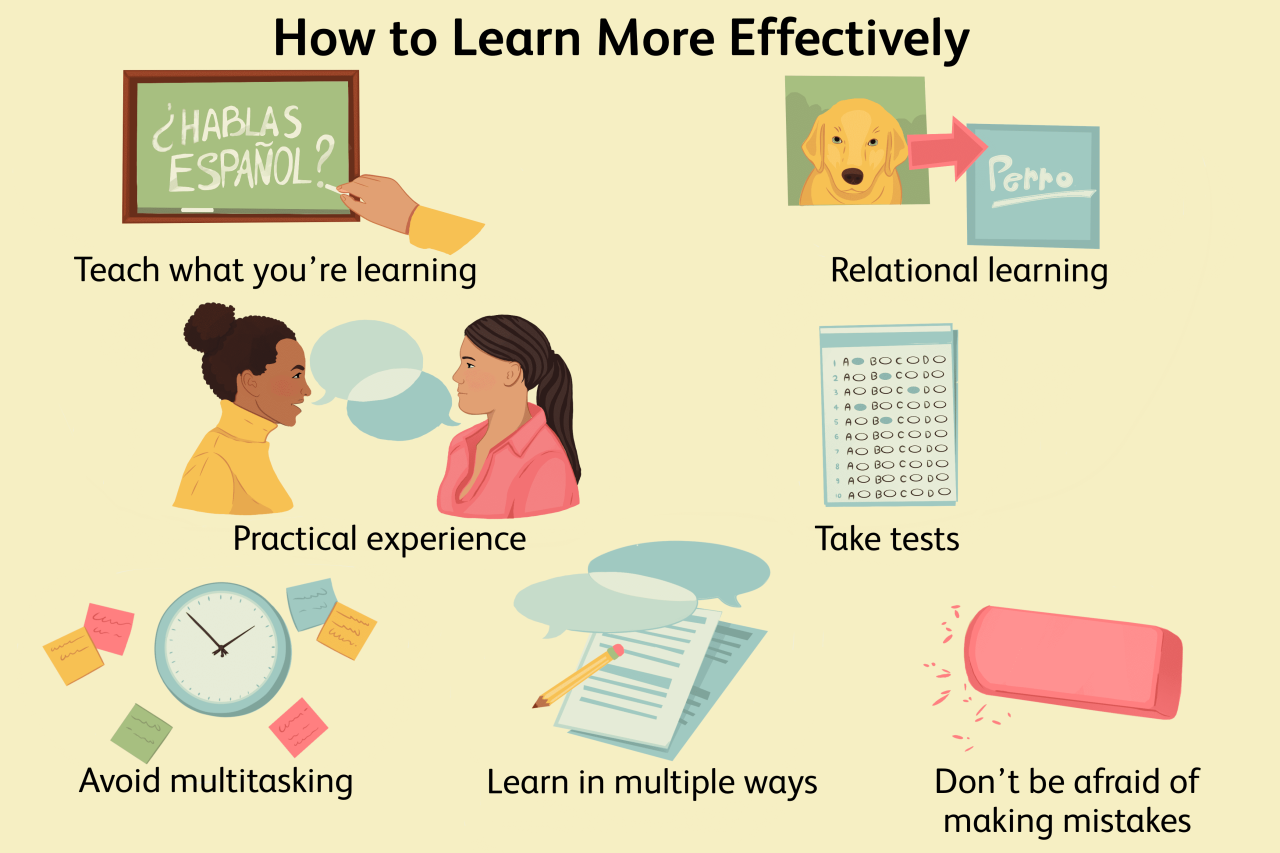
Maintaining consistent practice and staying motivated are crucial components of accelerating your French language learning journey, especially when learning independently. Without regular engagement, the knowledge gained can fade, and the initial enthusiasm can wane. This section will explore the importance of daily practice, strategies to combat burnout, and effective methods for setting and achieving your learning goals.
The Significance of Daily Practice
Daily practice solidifies your understanding of French. Even short, focused sessions are more effective than infrequent, lengthy ones. Consistent exposure reinforces vocabulary, grammar rules, and pronunciation, making them more accessible in real-world conversations.
Think of it like building a muscle; regular exercise, even in small doses, is far more effective than sporadic, intense workouts.
- Neuroplasticity: The brain adapts and rewires itself through repeated exposure to new information. Daily practice fosters this neuroplasticity, making language acquisition more efficient.
- Habit Formation: Integrating French learning into your daily routine transforms it into a habit, reducing the need for willpower and making it easier to stick to your study plan.
- Retention: Regular review and application of learned material significantly improve retention, ensuring that you don’t forget what you’ve learned.
- Confidence Building: Each successful practice session builds confidence and reinforces the belief in your ability to learn French.
Tips for Staying Motivated and Avoiding Burnout
Maintaining motivation is an ongoing challenge, but several strategies can help you stay engaged and prevent burnout. Recognizing the signs of burnout and proactively addressing them is essential.
- Vary Your Activities: Alternate between different learning activities, such as reading, listening, speaking, and writing, to keep things interesting. Avoid monotonous routines.
- Set Realistic Goals: Break down your learning goals into smaller, achievable steps. This prevents feeling overwhelmed and provides a sense of accomplishment as you progress.
- Find a Learning Buddy: Studying with a friend or language partner can provide support, accountability, and motivation. You can encourage each other and share your progress.
- Integrate French into Your Life: Find ways to incorporate French into your daily life. Change your phone’s language settings, listen to French music, or watch French movies with subtitles.
- Take Breaks: Schedule regular breaks to avoid mental fatigue. Step away from your studies and engage in activities you enjoy.
- Celebrate Small Wins: Acknowledge and celebrate your achievements, no matter how small. This positive reinforcement keeps you motivated.
- Focus on Your “Why”: Remind yourself of your reasons for learning French. Whether it’s for travel, career advancement, or personal enrichment, keep your goals in mind.
- Don’t Be Afraid to Adjust: If a particular learning method isn’t working, be flexible and try something new. Experiment with different resources and techniques until you find what suits you best.
Strategies for Setting Realistic Goals and Tracking Progress
Setting realistic goals and meticulously tracking your progress are critical for sustained motivation. Clear goals provide direction, and tracking your progress helps you visualize your achievements and identify areas that need improvement.
- Use the SMART Framework: Ensure your goals are Specific, Measurable, Achievable, Relevant, and Time-bound. For example, instead of “Learn French,” set a goal like “Learn 10 new French words each week” or “Complete one French lesson per day.”
- Break Down Larger Goals: Divide your overarching learning goals into smaller, more manageable tasks. This makes the overall process less daunting and provides a sense of accomplishment as you complete each sub-goal.
- Create a Study Schedule: Allocate specific times each day or week for studying. This helps you establish a routine and stay on track.
- Use a Learning Journal: Keep a journal to record your progress, including new vocabulary, grammar concepts, and any challenges you encounter. This also serves as a record of your achievements.
- Track Your Time: Monitor how much time you spend on each learning activity. This helps you understand where you are investing your time and identify areas where you might need to adjust your focus.
- Regular Self-Assessments: Regularly assess your progress by taking quizzes, doing practice exercises, or testing yourself on vocabulary and grammar.
- Use a Progress Tracker: Utilize apps, spreadsheets, or notebooks to visually track your progress. This can provide a motivating visual representation of your accomplishments.
Rewards to Celebrate Milestones Achieved in Learning French
Rewarding yourself for reaching milestones reinforces positive learning behaviors and provides an extra layer of motivation. The rewards should be meaningful and enjoyable, encouraging you to continue your learning journey.
- Small Milestones (e.g., completing a chapter, learning 50 new words):
- Enjoy a favorite snack or treat.
- Watch a French movie or TV show episode.
- Listen to a French song.
- Take a short break to do something you enjoy, such as reading or playing a game.
- Medium Milestones (e.g., finishing a textbook, passing a test):
- Buy yourself a new book or learning resource.
- Go out to eat at a French restaurant.
- Attend a French conversation meetup.
- Reward yourself with a relaxing activity, like a massage or a day off.
- Large Milestones (e.g., achieving fluency, passing a proficiency exam):
- Plan a trip to a French-speaking country.
- Enroll in an advanced French course.
- Purchase a language learning software or a premium subscription.
- Treat yourself to a special experience, such as a concert or a cultural event.
Overcoming Common Challenges
Learning French, like any new skill, presents its own set of hurdles. These challenges can range from the psychological, such as fear of making mistakes, to the practical, like hitting a learning plateau. Successfully navigating these obstacles is crucial for maintaining momentum and achieving fluency. This section focuses on strategies to overcome these common difficulties and stay on track with your French learning journey.
Dealing with the Fear of Making Mistakes
The fear of making mistakes is a significant barrier to language acquisition. It can prevent learners from speaking, practicing, and ultimately, improving their French skills. This fear often stems from a desire for perfection, which is unrealistic, especially in the initial stages of language learning. It is important to embrace mistakes as a natural part of the learning process.
- Recognize Mistakes as Opportunities: View each mistake not as a failure, but as a valuable learning opportunity. Each error provides insight into areas that need improvement.
- Shift Your Mindset: Instead of focusing on avoiding errors, concentrate on communicating your ideas, even if imperfectly. Fluency is often prioritized over absolute grammatical correctness, especially in the early stages.
- Practice in Low-Stakes Environments: Begin by practicing with supportive friends, language partners, or online platforms where the pressure to perform perfectly is reduced. This creates a safe space to experiment and learn.
- Embrace Imperfection: Accept that making mistakes is inevitable and that everyone, including native speakers, makes them. Focusing on communication and enjoying the process is more important than striving for flawless grammar from the start.
- Celebrate Small Victories: Acknowledge and celebrate every attempt to speak French, regardless of the outcome. This positive reinforcement helps build confidence and reduces the fear of failure.
Solutions for Overcoming Plateaus in Language Learning
Plateaus are periods where progress seems to stall. This is a common experience in language learning, and it can be discouraging. Understanding the causes of plateaus and implementing effective strategies can help learners break through these periods and resume their progress.
- Identify the Root Cause: Determine why progress has stalled. Are you lacking exposure to the language? Is your study routine ineffective? Are you focusing on the wrong skills?
- Vary Your Learning Activities: Switch up your routine to re-engage your brain. Try new methods like watching French films, listening to podcasts, or engaging in conversations with native speakers.
- Focus on a Specific Skill: Concentrate on a skill that needs improvement, such as pronunciation or grammar. This focused approach can lead to noticeable progress in a specific area.
- Set New Goals: Re-evaluate your learning goals and set new, challenging, but achievable targets. This can provide renewed motivation and a sense of accomplishment. For example, aim to read a French novel, hold a simple conversation, or write a short essay.
- Seek Expert Guidance: Consider consulting a tutor or language coach for personalized feedback and guidance. A professional can help identify weaknesses and provide strategies for improvement.
Strategies for Dealing with Frustration and Maintaining Enthusiasm
Frustration is a natural emotion when learning a new language, especially when progress feels slow. Maintaining enthusiasm requires conscious effort and the implementation of strategies to combat discouragement.
- Acknowledge and Accept Frustration: Recognize that frustration is a normal part of the learning process. Don’t let it derail your efforts.
- Take Breaks: When feeling overwhelmed, take a break from studying. Step away from the material and engage in activities that you enjoy. Return to studying when you feel refreshed.
- Connect with the French Language in Enjoyable Ways: Incorporate activities you find enjoyable, such as watching French movies with subtitles, listening to French music, or reading books in French.
- Find a Language Partner or Community: Interacting with other learners or native speakers can provide support, motivation, and a sense of community.
- Celebrate Progress: Regularly acknowledge and celebrate your achievements, no matter how small. This positive reinforcement can help maintain motivation. For instance, if you can understand a simple French song, celebrate that accomplishment.
Methods for Seeking Feedback and Improving Speaking Skills
Receiving feedback is essential for improving speaking skills. Constructive criticism helps learners identify areas for improvement and refine their pronunciation, grammar, and fluency. There are several ways to seek feedback and improve your spoken French.
- Record Yourself Speaking: Record yourself speaking French and listen back to identify areas for improvement. This allows you to assess your pronunciation, intonation, and fluency.
- Find a Language Partner or Tutor: A language partner or tutor can provide personalized feedback on your speaking skills. They can correct your mistakes and offer suggestions for improvement.
- Join a Conversation Group: Participate in conversation groups or language exchange programs to practice speaking with native speakers or other learners. This provides opportunities for feedback in a supportive environment.
- Use Language Learning Apps: Many language learning apps offer features for speaking practice and feedback, such as voice recording and pronunciation analysis.
- Embrace Constructive Criticism: View feedback as a tool for improvement. Don’t take criticism personally, but rather use it to identify areas where you can improve.
Creating a Personalized Learning Plan
Developing a personalized French learning plan is crucial for achieving fluency efficiently and effectively. This tailored approach allows you to focus on your specific needs, learning style, and goals, maximizing your progress and maintaining motivation. A well-structured plan provides a roadmap for your learning journey, helping you stay on track and celebrate milestones along the way.
Designing a Step-by-Step Guide for Personalized French Learning
Creating a successful personalized learning plan involves several key steps. Each stage is essential for building a solid foundation and ensuring sustained progress.
- Define Your Goals: Begin by clearly defining your objectives. Are you learning French for travel, professional purposes, or personal enrichment? Specify what you want to achieve, such as conversational fluency, reading comprehension, or passing a specific exam. The more specific your goals, the better you can tailor your plan. For example, instead of “learn French,” aim for “be able to hold a 15-minute conversation about daily life” or “read a French novel by the end of the year.”
- Assess Your Current Level: Determine your starting point. This involves evaluating your existing knowledge of grammar, vocabulary, pronunciation, and listening comprehension. Use online placement tests, self-assessments, or consult with a language expert to accurately gauge your proficiency level.
- Identify Your Learning Style: Recognize how you learn best. Are you a visual learner, auditory learner, kinesthetic learner, or a combination? This understanding will guide your choice of learning materials and techniques. Visual learners might benefit from flashcards and videos, while auditory learners might prefer podcasts and audio lessons.
- Choose Your Resources: Select appropriate learning materials that align with your goals, level, and learning style. This could include textbooks, online courses, language exchange partners, apps, and immersion resources. Ensure the resources are reputable and cater to your specific needs. For example, if you are a visual learner, choose a textbook with clear diagrams and illustrations.
- Create a Study Schedule: Develop a realistic and consistent study schedule. Allocate specific time slots for learning, considering your daily commitments and energy levels. Break down your learning into manageable chunks, focusing on different skills (grammar, vocabulary, pronunciation, speaking, and listening) each day or week. Aim for regular, consistent practice rather than sporadic, intensive sessions.
- Set Milestones and Track Progress: Establish short-term and long-term milestones to monitor your progress. This could include completing a chapter in a textbook, learning a certain number of new words, or holding a conversation on a specific topic. Regularly assess your progress using the assessment tools mentioned below, and adjust your plan as needed.
- Incorporate Review and Revision: Schedule regular review sessions to reinforce your learning. Revisiting previously learned material helps consolidate your knowledge and prevents forgetting. Use spaced repetition techniques, such as flashcards, to review vocabulary and grammar at increasing intervals.
- Seek Feedback and Practice: Engage in activities that provide feedback and practice. This includes speaking with native speakers, participating in language exchange programs, or taking online quizzes. Actively seek feedback on your pronunciation, grammar, and fluency.
- Stay Flexible and Adapt: Your learning plan is not set in stone. Be prepared to adapt your plan as you progress and your needs evolve. If a particular method isn’t working, try a different approach. Regularly evaluate your plan and make adjustments to keep it effective and engaging.
Assessment Tools for Tracking Progress
Regularly assessing your progress is essential to ensure you’re on track and to identify areas that need improvement. Various tools can help you monitor your French language skills.
- Placement Tests: Utilize online placement tests or those provided by language learning platforms to initially assess your level and periodically to track your advancement. These tests typically evaluate grammar, vocabulary, and comprehension.
- Self-Assessments: Regularly evaluate your own skills. Create a checklist of skills (speaking, listening, reading, writing, grammar, and vocabulary) and rate your proficiency in each area. This provides a subjective but valuable perspective on your progress.
- Quizzes and Exercises: Complete quizzes and exercises from your textbooks, online courses, or language learning apps. These assessments provide immediate feedback on your understanding of grammar and vocabulary.
- Practice Conversations: Engage in regular conversations with native speakers or language partners. Record these conversations and review them to identify areas for improvement in pronunciation, fluency, and grammar.
- Writing Assignments: Write essays, journal entries, or short stories in French. Have them reviewed by a native speaker or language teacher for feedback on grammar, vocabulary, and writing style.
- Listening Comprehension Tests: Listen to French podcasts, audio lessons, or watch French videos and test your comprehension by answering questions or summarizing the content.
- Formal Exams: Consider taking official French language proficiency exams, such as DELF or DALF, to benchmark your progress and earn a recognized certification.
Examples of Study Schedules Adapted to Different Learning Styles
Adaptability is key when it comes to learning styles. The following are examples of study schedules, demonstrating how to tailor your plan.
- Visual Learner Schedule:
- Monday: Grammar lesson with diagrams and visual aids (30 minutes), flashcards for new vocabulary (15 minutes).
- Tuesday: Watch a French video with subtitles (30 minutes), review flashcards (15 minutes).
- Wednesday: Reading a French article or short story (45 minutes).
- Thursday: Grammar exercises with visual examples (30 minutes), flashcards (15 minutes).
- Friday: Watch a French video without subtitles (30 minutes), review flashcards (15 minutes).
- Weekend: Review all vocabulary and grammar learned during the week using visual aids.
- Auditory Learner Schedule:
- Monday: Listen to a French podcast (30 minutes), review new vocabulary (15 minutes).
- Tuesday: Listen to a French audio lesson (30 minutes), practice pronunciation with audio recordings (15 minutes).
- Wednesday: Participate in a language exchange conversation (45 minutes).
- Thursday: Listen to French music and analyze lyrics (30 minutes), review vocabulary through audio flashcards (15 minutes).
- Friday: Listen to a French podcast (30 minutes), review new vocabulary (15 minutes).
- Weekend: Review all vocabulary and grammar learned during the week through audio materials.
- Kinesthetic Learner Schedule:
- Monday: Use flashcards and physically write down new vocabulary and grammar rules (30 minutes), role-playing with a language partner (15 minutes).
- Tuesday: Practice writing in French, focusing on sentence structure and grammar (45 minutes).
- Wednesday: Engage in a language exchange conversation, actively using new vocabulary and grammar (45 minutes).
- Thursday: Review and rewrite previous lessons (30 minutes), role-playing with a language partner (15 minutes).
- Friday: Practice writing in French, focusing on sentence structure and grammar (45 minutes).
- Weekend: Review all vocabulary and grammar learned during the week through active recall exercises and writing practice.
Common Phrases for Everyday Use
Learning practical phrases is an excellent way to gain confidence and begin using French immediately.
Bonjour / Bonsoir (Hello / Good evening)
Au revoir (Goodbye)
S’il vous plaît (Please)
Merci (Thank you)
De rien (You’re welcome)
Excusez-moi (Excuse me)
Parlez-vous anglais? (Do you speak English?)
Je ne comprends pas (I don’t understand)
Comment allez-vous? (How are you?
-formal)Ça va? (How’s it going?
-informal)Je vais bien, merci (I’m fine, thank you)
Où sont les toilettes? (Where is the restroom?)
Je voudrais… (I would like…)
Combien ça coûte? (How much does it cost?)
A bientôt (See you soon)
The Importance of Cultural Immersion

Learning a language is more than just memorizing vocabulary and grammar rules; it’s about understanding the culture that shapes the language. Cultural immersion significantly enhances language acquisition by providing context, motivation, and a deeper understanding of how the language is used in real-life situations. This immersive approach fosters a more natural and fluent command of the language.
Cultural Understanding Enhances Language Acquisition
Cultural understanding provides the necessary context for language comprehension. By understanding the nuances of a culture, learners can better interpret the meaning behind words, phrases, and communication styles. This context is crucial for avoiding misunderstandings and appreciating the richness of the language. Moreover, cultural immersion provides a strong motivation for learning. When learners are interested in a culture, they are more likely to be engaged in the learning process, leading to greater retention and fluency.
Examples of Cultural Elements to Incorporate into the Learning Process
Incorporating cultural elements into your learning routine can significantly enhance your understanding and appreciation of the French language. This can transform the learning process from a dry academic exercise into an engaging and enriching experience.
- Food: Explore French cuisine by trying traditional recipes. Cooking French dishes allows you to learn food-related vocabulary and understand the cultural significance of meals. For instance, learning about boeuf bourguignon involves understanding the regional variations, the ingredients, and the historical context of the dish.
- Music: Listen to French music from various genres, such as chanson, rap, and electronic music. Pay attention to the lyrics, and try to understand the themes and stories. Artists like Édith Piaf and Stromae offer rich cultural insights through their music.
- Art: Study French art, from classic paintings to contemporary installations. Visit virtual museums or read art history books in French. This helps you learn vocabulary related to art, history, and aesthetics, and provides a window into French values and perspectives.
- Film and Television: Watch French films and TV shows with subtitles. Start with shows aimed at learners, and gradually move to more complex productions. This helps you understand spoken French, colloquialisms, and cultural references.
- Literature: Read French literature, from classic novels to contemporary short stories. This exposes you to a wide range of vocabulary, writing styles, and cultural themes. Consider starting with children’s books or simplified versions of classic novels.
Strategies for Connecting with French Culture Online
The internet offers a wealth of resources for connecting with French culture. These online tools can make your learning journey more immersive and enjoyable.
- Language Exchange Partners: Use platforms like HelloTalk or Tandem to connect with native French speakers. Engage in conversations, ask questions, and learn about their lives and experiences.
- Social Media: Follow French-speaking influencers, news outlets, and cultural organizations on platforms like Instagram, Twitter, and Facebook. This provides exposure to everyday language and cultural trends.
- Online Courses and Webinars: Take online courses and webinars focused on French culture, history, and cuisine. These courses often include interactive elements and opportunities to engage with native speakers.
- Virtual Tours: Explore French museums, landmarks, and cities through virtual tours. Many museums and cultural sites offer online tours that provide a detailed view of exhibits and locations.
- Podcasts and Radio: Listen to French podcasts and radio programs. These provide exposure to spoken French and can introduce you to a variety of cultural topics.
Using Cultural Context to Improve Comprehension
Understanding the cultural context is crucial for effective language comprehension. By considering the cultural background of a conversation or text, you can avoid misunderstandings and gain a deeper appreciation for the language.
Consider the phrase ” avoir le cafard.”
Without cultural context, one might interpret this phrase literally (to have a cockroach). However, in French culture, “avoir le cafard” means “to be feeling down” or “to be depressed.”
Understanding this cultural nuance is essential for accurately interpreting the speaker’s emotional state. Another example is the use of ” tu” versus ” vous.”
Knowing when to use each form of “you” ( tu for informal, vous for formal or plural) is critical for maintaining social appropriateness. Incorrect usage can lead to awkwardness or even offense. Similarly, understanding the significance of holidays like Bastille Day or cultural events like the Tour de France can help you understand the cultural references and themes in French media.
Last Point
In conclusion, mastering French without a teacher is a rewarding endeavor that requires dedication and the right strategies. By implementing the techniques Artikeld in this guide, from embracing immersive learning to utilizing technology and staying motivated, you can unlock your potential and achieve fluency. Remember that consistency, patience, and a passion for the language are key. Embrace the journey, celebrate your progress, and enjoy the rich cultural experience that comes with speaking French.