Embarking on the journey of learning French through real-life conversations opens doors to a rich tapestry of culture and communication. This guide is designed to equip you with the tools and strategies needed to navigate the French language in authentic settings. From the basics of immersion to the nuances of cultural understanding, we’ll explore practical techniques to help you converse confidently and fluently.
This comprehensive exploration delves into the core elements of conversational French, including essential vocabulary, grammar, and pronunciation. We will uncover how to find and engage with native speakers, simulate real-life scenarios, and leverage technology to accelerate your learning. Furthermore, we’ll address common challenges, provide strategies for staying motivated, and offer practical methods for tracking your progress towards fluency.
Immersion in Everyday French
Immersing oneself in the French language is a highly effective strategy for accelerated language acquisition. This approach involves surrounding yourself with the language as much as possible, creating an environment where you’re constantly exposed to French in various contexts. This intensive exposure promotes rapid learning and enhances fluency.
Understanding Complete Immersion and Its Benefits
Complete immersion means making French a significant part of your daily life. It goes beyond formal lessons and involves integrating the language into your routines, hobbies, and interactions. This immersive environment facilitates natural language acquisition, mimicking how children learn their native language. The constant exposure helps to build vocabulary, improve pronunciation, and internalize grammatical structures more effectively.The advantages of complete immersion are numerous.
It fosters a deeper understanding of the language’s nuances, including idiomatic expressions and cultural context. It boosts confidence in speaking and understanding French, as you become more comfortable using the language in real-life situations. Moreover, immersion provides a more engaging and enjoyable learning experience, which can lead to greater motivation and persistence.
Incorporating French into Daily Activities
Even without traveling to a French-speaking country, you can create an immersive environment. Here are some practical ways to incorporate French into your daily routine:
- Changing Device Settings: Modify the language settings on your phone, computer, and other electronic devices to French. This exposes you to everyday vocabulary and phrases related to technology and user interfaces.
- Listening to French Music and Podcasts: Regularly listen to French music, podcasts, and audiobooks. Start with content designed for learners and gradually progress to native-speaker material. This improves your listening comprehension and introduces you to diverse accents and speaking styles.
- Watching French Films and Television Shows: Watch French movies and TV shows with subtitles initially. As your comprehension improves, reduce the reliance on subtitles. This exposes you to colloquial language, cultural references, and different conversational styles.
- Reading French Books and Articles: Read French books, magazines, and online articles. Begin with simpler texts and gradually move to more complex material. This expands your vocabulary and improves your reading comprehension skills.
- Labeling Objects in Your Home: Label common objects in your home with their French names. This reinforces vocabulary and helps you associate words with their corresponding objects.
- Cooking with French Recipes: Cook French dishes and follow recipes in French. This combines language learning with a practical skill and introduces you to culinary vocabulary.
- Finding a Language Partner or Tutor: Engage in regular conversations with a French language partner or tutor. This provides opportunities to practice speaking, receive feedback, and improve your pronunciation.
- Using French Social Media: Follow French-speaking accounts on social media and interact with their posts. This exposes you to current slang, trends, and cultural references.
Psychological Benefits of Consistent Exposure
Consistent exposure to French offers several psychological advantages. It enhances cognitive flexibility, as you become accustomed to thinking and processing information in a new language. Learning a new language also boosts memory and improves problem-solving skills. The sense of accomplishment derived from mastering a new language can significantly increase self-esteem and confidence. Furthermore, the immersive experience can reduce stress and improve focus, as your brain becomes more efficient at processing the language.Consistent exposure fosters a sense of connection to French culture, leading to a greater appreciation for its values and traditions.
This cultural understanding enhances the learning experience and makes it more meaningful. The psychological benefits contribute to a more positive and rewarding learning journey, ultimately leading to greater fluency and a deeper appreciation for the French language.
Building a Foundation: Essential Vocabulary and Grammar
To successfully navigate everyday French conversations, a solid foundation in both vocabulary and grammar is crucial. This section focuses on the core elements needed to start communicating effectively, providing a practical roadmap for learners to build their language skills. We’ll cover essential vocabulary categories and fundamental grammar rules, equipping you with the tools to understand and construct simple sentences.
Essential Vocabulary Categories
Mastering these vocabulary categories will empower you to handle common conversational scenarios. They provide the building blocks for basic interactions, allowing you to greet people, introduce yourself, ask for directions, and order food with confidence.
- Greetings and Introductions: This category includes essential phrases for initiating conversations and sharing basic information about yourself.
- Asking for Directions: Knowing how to ask for and understand directions is vital for navigating a French-speaking environment.
- Ordering Food: Ordering food and drinks in restaurants or cafes is a fundamental skill for everyday life.
- Basic Numbers and Dates: Understanding numbers and dates is crucial for scheduling appointments, telling the time, and discussing dates.
- Common Questions: Familiarizing yourself with common question words and phrases will help you gather information and engage in more meaningful conversations.
Here are some examples for each category:
- Greetings and Introductions:
- Bonjour (Hello/Good day)
- Bonsoir (Good evening)
- Salut (Hi/Hello – informal)
- Au revoir (Goodbye)
- Je m’appelle… (My name is…)
- Comment vous appelez-vous? (What is your name?
-formal) - Comment tu t’appelles? (What is your name?
-informal) - Enchanté(e) (Pleased to meet you – masculine/feminine)
- Asking for Directions:
- Où est…? (Where is…?)
- Comment puis-je aller à…? (How do I get to…?)
- À droite (To the right)
- À gauche (To the left)
- Tout droit (Straight ahead)
- Près de (Near)
- Loin de (Far from)
- Ordering Food:
- Je voudrais… (I would like…)
- Un/une… (A/an…)
- L’addition, s’il vous plaît (The bill, please)
- Merci (Thank you)
- De l’eau, s’il vous plaît (Water, please)
- Un café, s’il vous plaît (A coffee, please)
- Basic Numbers and Dates:
- Numbers 1-10 ( un, deux, trois, quatre, cinq, six, sept, huit, neuf, dix)
- Days of the week ( lundi, mardi, mercredi, jeudi, vendredi, samedi, dimanche)
- Months of the year ( janvier, février, mars, avril, mai, juin, juillet, août, septembre, octobre, novembre, décembre)
- Aujourd’hui (Today)
- Demain (Tomorrow)
- Hier (Yesterday)
- Common Questions:
- Comment? (How?)
- Quoi? (What?)
- Qui? (Who?)
- Où? (Where?)
- Quand? (When?)
- Pourquoi? (Why?)
- Combien? (How much/many?)
Essential French Grammar Rules
Understanding these core grammar rules is essential for constructing grammatically correct sentences and comprehending spoken and written French. They form the backbone of the language, allowing you to express yourself clearly and accurately.
- Verb Conjugation: French verbs change form depending on the subject and tense. Mastering the present tense conjugations of common verbs is a priority.
- Noun Gender: Nouns in French are either masculine or feminine, and this affects the articles and adjectives used with them.
- Subject-Verb Agreement: The verb must agree in number and person with the subject of the sentence.
- Basic Sentence Structure: The typical French sentence structure is Subject-Verb-Object (SVO), though variations exist.
- Use of Articles (le, la, les, un, une, des): Articles are essential for specifying the noun.
- Adjective Agreement: Adjectives must agree in gender and number with the nouns they modify.
Here are some examples:
- Verb Conjugation: The verb parler (to speak) in the present tense:
- Je parle (I speak)
- Tu parles (You speak – informal)
- Il/Elle/On parle (He/She/One speaks)
- Nous parlons (We speak)
- Vous parlez (You speak – formal/plural)
- Ils/Elles parlent (They speak)
- Noun Gender:
- Le livre (The book – masculine)
- La table (The table – feminine)
- Subject-Verb Agreement:
- Je mange (I eat)
-The verb manger (to eat) agrees with the subject je. - Nous mangeons (We eat)
-The verb manger agrees with the subject nous.
- Je mange (I eat)
- Basic Sentence Structure:
- Je mange une pomme (I eat an apple)
-Subject ( Je)
-Verb ( mange)
-Object ( une pomme)
- Je mange une pomme (I eat an apple)
- Use of Articles:
- Je lis le livre (I read the book)
-Definite article le is used with livre. - Je mange une pomme (I eat an apple)
-Indefinite article une is used with pomme.
- Je lis le livre (I read the book)
- Adjective Agreement:
- Un homme grand (A tall man – masculine)
- Une femme grande (A tall woman – feminine)
Interactive Exercise: Present Tense Verb Conjugations
This exercise provides a practical way to practice and reinforce your understanding of present tense verb conjugations. The following table focuses on regular -ER verbs, the most common verb type in French.
Instructions: Conjugate the verb in the present tense for each subject pronoun.
| Subject Pronoun | Verb: Parler (to speak) | Verb: Étudier (to study) | Verb: Aimer (to like/love) |
|---|---|---|---|
| Je (I) | parle | étudie | aime |
| Tu (You – informal) | parles | étudies | aimes |
| Il/Elle/On (He/She/One) | parle | étudie | aime |
| Nous (We) | parlons | étudions | aimons |
| Vous (You – formal/plural) | parlez | étudiez | aimez |
| Ils/Elles (They) | parlent | étudient | aiment |
Practice filling in the correct verb conjugations for each subject pronoun. Regular practice with this type of exercise is key to mastering verb conjugation in French. For example, a student might initially struggle with the conjugations, but through consistent practice (e.g., completing this exercise daily for a week), they will likely improve their accuracy and speed.
Finding Authentic Conversation Partners
Finding authentic conversation partners is crucial for solidifying your French language skills. Engaging in real-life conversations allows you to practice what you’ve learned, improve your pronunciation and fluency, and gain a deeper understanding of French culture. This section explores various avenues for connecting with native French speakers and fellow learners, providing practical advice to make your conversations productive and enjoyable.
Platforms and Resources for Finding Conversation Partners
There are numerous platforms and resources available for connecting with French speakers, each offering unique benefits and catering to different learning styles. Selecting the right platform depends on your personal preferences, time commitment, and learning goals.
- Online Language Exchange Platforms: These platforms connect you with native French speakers who are learning your native language. Popular examples include:
- HelloTalk: A mobile app where you can text, voice message, and video call with native speakers. It offers features like text correction and translation tools.
- Tandem: Similar to HelloTalk, Tandem allows you to connect with language partners for text and video chats. It emphasizes cultural exchange alongside language learning.
- italki: Offers both language exchange with native speakers and paid lessons with qualified teachers. This is an excellent option for learners who want structured lessons in addition to casual conversation.
These platforms often utilize a points or currency system to incentivize users to help each other. You can offer to correct their English, and they can correct your French.
- Local Meetups and Language Exchange Groups: Many cities have French language meetups, organized either online (e.g., Meetup.com) or through local cultural centers. These groups provide face-to-face interaction and a chance to practice French in a social setting. Search online for “French language meetup [your city]” to find local events.
- Language Schools and Institutes: Enrolling in a French language course, even a beginner’s class, often provides opportunities to meet other learners and sometimes, native speakers who may be teaching assistants or staff. Some schools also organize conversation practice sessions or cultural events.
- Social Media Groups: Facebook, Reddit (e.g., r/French), and other social media platforms host French language learning groups. These groups can be a good place to find language partners, ask questions, and participate in discussions.
Initiating Conversations and Overcoming the Fear of Mistakes
Initiating conversations and overcoming the fear of making mistakes are essential aspects of language learning. Remember that mistakes are a natural part of the learning process, and native speakers are generally understanding and supportive.
- Start with Simple Greetings and Introductions: Begin by introducing yourself and asking simple questions, such as “Comment allez-vous ?” (How are you?) or “Quel est votre nom ?” (What is your name?).
- Use Icebreakers: Prepare a few conversation starters beforehand. Common topics like hobbies, travel, or food are generally safe and engaging. Asking about the other person’s experience with French can be a great starting point.
- Don’t Be Afraid to Make Mistakes: Embrace mistakes as learning opportunities. Native speakers can often correct you gently, and the process of correcting yourself is valuable.
- Focus on Communication, Not Perfection: The primary goal is to communicate your ideas, not to speak flawlessly. Don’t get bogged down in grammar rules; focus on getting your message across.
- Listen Actively: Pay close attention to how native speakers express themselves. Notice their pronunciation, sentence structure, and vocabulary.
- Record Yourself: Recording your conversations can help you identify areas for improvement. You can review your recordings to pinpoint pronunciation errors or grammatical mistakes.
- Practice Regularly: Consistency is key. The more you practice, the more comfortable you will become speaking French. Even short conversations are beneficial.
Consider these phrases as conversation starters: “Parlez-vous anglais ?” (Do you speak English?) or “Je suis en train d’apprendre le français.” (I am learning French.)
Comparison of Conversation Partner Options
Choosing the right conversation partner option depends on your individual needs and preferences. The following table compares the pros and cons of the different options discussed above:
| Conversation Partner Option | Pros | Cons | Examples |
|---|---|---|---|
| Online Language Exchange Platforms |
|
|
HelloTalk, Tandem, italki (language exchange) |
| Local Meetups and Language Exchange Groups |
|
|
French conversation groups at local cultural centers or community colleges. |
| Language Schools and Institutes |
|
|
Alliance Française, local language schools. |
| Social Media Groups |
|
|
Facebook groups for French learners, r/French on Reddit. |
Simulating Real-Life Scenarios

Practicing French through simulated real-life scenarios is a highly effective method for improving fluency and confidence. This approach allows learners to apply vocabulary and grammar in context, preparing them for actual interactions. Role-playing provides a safe environment to make mistakes and refine conversational skills.
Common Real-Life Situations and Corresponding French Phrases
Many everyday situations require specific vocabulary and phrases. Understanding these will greatly enhance your ability to communicate in French.
- Ordering Food: When ordering food, you will use phrases such as:
- “Je voudrais…” (I would like…)
- “Pourriez-vous me donner…?” (Could you give me…?)
- “L’addition, s’il vous plaît.” (The bill, please.)
- Asking for Directions: Navigating a new city requires the ability to ask for and understand directions. Key phrases include:
- “Où est…?” (Where is…?)
- “Comment puis-je aller à…?” (How do I get to…?)
- “C’est loin d’ici?” (Is it far from here?)
- Shopping: Purchasing items requires vocabulary related to products, sizes, and prices. Essential phrases include:
- “Combien coûte…?” (How much does…cost?)
- “Avez-vous…?” (Do you have…?)
- “Je cherche…” (I’m looking for…)
- Greeting and Introducing Yourself: Starting a conversation often involves greetings and introductions. You will need to know:
- “Bonjour/Bonsoir” (Hello/Good evening)
- “Je m’appelle…” (My name is…)
- “Enchanté(e)” (Pleased to meet you)
Using Role-Playing to Practice Scenarios
Role-playing is a practical way to practice French in a low-pressure environment. It allows you to experiment with different phrases and responses without fear of making mistakes.
- With a Partner: Partner practice is beneficial because you can receive immediate feedback. One person can act as a native speaker or a more advanced learner.
- Decide on a scenario: choose a situation, such as ordering at a restaurant.
- Assign roles: one person plays the customer, the other the waiter.
- Use the vocabulary: utilize the relevant phrases learned, and practice the conversation.
- Switch roles: practice both roles to get a better understanding of the whole conversation.
- Give and receive feedback: discuss any difficulties encountered and how to improve.
- By Yourself: Even without a partner, you can still practice.
- Choose a scenario: imagine yourself in a specific situation, like buying a train ticket.
- Create a script: write down what you would say and what the other person might respond.
- Speak aloud: read your script, practicing your pronunciation and intonation.
- Record yourself: listen back to identify areas for improvement.
Script for a Simple Conversation in a Bakery
This script provides a practical example of a conversation in a bakery, demonstrating the application of relevant vocabulary and expressions.
Setting: A bakery in Paris.
Characters: Customer (C) and Baker (B).
Conversation:
C: Bonjour Madame/Monsieur! (Hello Ma’am/Sir!)
B: Bonjour! Qu’est-ce que vous désirez? (Hello! What would you like?)
C: Je voudrais un pain au chocolat et un croissant, s’il vous plaît. (I would like a pain au chocolat and a croissant, please.)
B: Bien sûr. Et avec ça? (Certainly. And with that?)
C: C’est tout, merci. Combien ça coûte? (That’s all, thank you. How much is it?)
B: Ça fait 3 euros, s’il vous plaît. (That’s 3 euros, please.)
C: Voici. Merci beaucoup! (Here you go. Thank you very much!)
B: De rien. Bonne journée! (You’re welcome. Have a good day!)
Vocabulary and Expressions Used:
- Bonjour (Hello)
- Qu’est-ce que vous désirez? (What would you like?)
- Je voudrais… (I would like…)
- pain au chocolat (chocolate pastry)
- croissant (croissant)
- s’il vous plaît (please)
- Combien ça coûte? (How much is it?)
- Ça fait… (That is…)
- Merci beaucoup (Thank you very much)
- De rien (You’re welcome)
- Bonne journée (Have a good day)
Listening Comprehension Practice
Developing strong listening comprehension skills is paramount for achieving fluency in conversational French. The ability to understand spoken French allows you to actively participate in conversations, grasp nuances of meaning, and react appropriately to what is being said. This skill is not just about recognizing individual words; it’s about processing the flow of speech, understanding intonation, and interpreting the context in which words are used.
Importance of Listening Comprehension
Listening comprehension is a cornerstone of effective communication in any language. It enables you to understand the speaker’s message, respond appropriately, and learn new vocabulary and grammatical structures naturally. Without good listening skills, your ability to engage in meaningful conversations will be severely limited. It also influences pronunciation and overall language acquisition. Improving your listening comprehension is therefore a continuous process, directly proportional to your overall progress in learning French.
Utilizing Podcasts, Radio, and Online Videos
Immersing yourself in authentic French audio content is an excellent method for enhancing your listening comprehension. Podcasts, radio broadcasts, and online videos provide exposure to a wide range of accents, speeds of speech, and topics, mirroring real-life conversational scenarios. Utilizing transcripts alongside these resources offers an invaluable tool for understanding the spoken word.
- Podcasts: Podcasts provide structured lessons, dialogues, and cultural insights.
- Radio: Radio broadcasts expose you to the natural flow of spoken French, including news, interviews, and music.
- Online Videos (with Transcripts): Platforms like YouTube offer a vast library of French-language videos, from tutorials to interviews, often with accompanying transcripts for reference.
Beginner-Friendly French Podcasts
Several podcasts are specifically designed to cater to beginner French learners, offering clear pronunciation, manageable pacing, and accessible vocabulary. Here are a few examples:
- Coffee Break French: This podcast provides structured lessons covering various aspects of French grammar and vocabulary, presented in a clear and concise manner. The hosts often incorporate dialogues and cultural insights to enhance the learning experience.
- Learn French with Alexa: Alexa Polidoro’s podcast focuses on practical conversational French. Lessons are typically short and focus on everyday situations.
- FrenchPod101: FrenchPod101 offers a wide range of lessons at different levels, including beginner. They feature dialogues, grammar explanations, and cultural notes, making it a comprehensive resource for learning French.
- One Thing in French a Day: This podcast delivers short, daily lessons focused on one specific topic or phrase, making it easy to incorporate into a busy schedule. This podcast offers bite-sized content.
- InnerFrench: While not strictly for beginners, this podcast presents content in slower French and focuses on clear pronunciation. The host often discusses cultural topics and provides insights into the French language and culture.
Pronunciation and Accent Improvement
Mastering French pronunciation is crucial for effective communication. Clear and accurate pronunciation allows you to be understood, fosters confidence, and enhances your ability to participate in real-life conversations. Poor pronunciation can lead to misunderstandings and frustration, hindering your progress in the language. This section explores the key aspects of pronunciation and offers practical strategies for improvement.
The Significance of Pronunciation in Conversational French
Accurate pronunciation significantly impacts your ability to be understood and comprehend French. It influences the listener’s perception of your fluency and confidence. Focusing on pronunciation is not merely an academic exercise; it’s fundamental to successful communication.
Common Pronunciation Challenges for English Speakers
English speakers often encounter specific pronunciation difficulties when learning French. These challenges arise from differences in the sound systems of the two languages. Recognizing these common pitfalls is the first step toward overcoming them.
- Nasal Vowels: French utilizes nasal vowels, which do not exist in English. These sounds are produced by allowing air to pass through the nasal cavity. Examples include: “en,” “in,” “on,” “un.” Mastering these sounds is essential for accurate pronunciation.
- The “R” Sound: The French “r” is a guttural sound produced in the back of the throat, unlike the English “r,” which is typically pronounced with the tongue. This sound can be particularly challenging for English speakers to master.
- Silent Letters: French frequently uses silent letters, especially at the end of words. English speakers must learn to recognize these silent letters to pronounce words correctly. For example, the “t” in “petit” (small) is often silent.
- Liaison: Liaison involves connecting the final consonant of one word with the beginning vowel of the next word. This is a key feature of spoken French.
- Vowel Sounds: French has a wider range of vowel sounds than English, and the pronunciation of certain vowels, such as “u,” can be difficult for English speakers.
Using Online Tools and Resources for Pronunciation Improvement
Numerous online tools and resources can aid in improving your French pronunciation. These resources offer diverse approaches, from interactive exercises to expert guidance. Utilizing these tools consistently can accelerate your progress.
- Online Dictionaries with Audio Pronunciation: Websites like WordReference.com and Larousse.fr provide audio recordings of words and phrases, allowing you to hear the correct pronunciation. These resources are invaluable for understanding how words are spoken in context. For instance, typing “bonjour” into WordReference.com will display the word’s meaning and offer a speaker icon that you can click to listen to the pronunciation.
- Pronunciation Apps: Mobile applications like Forvo and Elsa Speak provide interactive pronunciation practice, often including voice recognition features to assess your pronunciation. These apps provide immediate feedback, highlighting areas for improvement.
- YouTube Channels and Podcasts: Many YouTube channels and podcasts are dedicated to French pronunciation. These resources often feature native speakers who explain pronunciation rules and provide practice exercises. Examples include FrenchPod101 and Easy French.
- Language Exchange Platforms: Platforms like HelloTalk and Tandem connect you with native French speakers for language exchange. Practicing with a native speaker offers invaluable feedback and helps you refine your pronunciation. For example, you can record yourself saying a sentence and then ask your language partner to critique your pronunciation.
- Interactive Websites: Websites such as Phonetics.com and BBC Languages offer structured pronunciation lessons and exercises. These websites provide a systematic approach to learning the sounds of French.
- Voice Recording and Self-Assessment: Regularly record yourself speaking French and compare your pronunciation to native speaker recordings. Identify areas where you can improve and focus your practice accordingly.
Utilizing Technology for Learning

Technology has revolutionized language learning, offering a plethora of tools to supplement and enhance conversational practice. Apps and websites provide structured lessons, interactive exercises, and opportunities to connect with native speakers, making the learning process more engaging and accessible. These digital resources can be particularly beneficial for reinforcing vocabulary, grammar, and pronunciation, while also providing a convenient way to practice speaking and listening skills outside of formal lessons.
Language Learning Apps and Websites as Supplements
Language learning apps and websites offer various features that can complement conversational practice. They often provide structured lessons that introduce vocabulary and grammar in a systematic way. Interactive exercises, such as quizzes and games, reinforce the material and make learning more engaging. Many platforms also offer opportunities to practice speaking and listening through simulated conversations, pronunciation guides, and feedback from native speakers.
By using these resources alongside conversational practice, learners can build a solid foundation in the language and improve their fluency.Examples of useful apps and websites include Duolingo, Babbel, Memrise, and italki. Duolingo is known for its gamified approach, making learning fun and accessible. Babbel offers structured courses tailored to different levels and interests. Memrise utilizes spaced repetition to help learners memorize vocabulary.
italki connects learners with native-speaking tutors for personalized lessons and conversation practice. These platforms, and others, provide a range of tools and features that can be adapted to individual learning styles and goals.
Essential Features of a Useful Language Learning App
A useful language learning app should incorporate several key features to maximize its effectiveness. These features contribute to a comprehensive and engaging learning experience, catering to various learning styles and needs.
- Structured Lessons: A well-organized curriculum that introduces vocabulary and grammar concepts in a logical sequence. This ensures a systematic approach to learning the language.
- Interactive Exercises: Quizzes, games, and other interactive activities that reinforce the material and make learning more engaging. This helps learners to actively apply what they have learned.
- Pronunciation Practice: Tools for practicing pronunciation, such as voice recording and feedback features. This helps learners to improve their pronunciation and accent.
- Vocabulary Building: Features that help learners to build their vocabulary, such as flashcards, spaced repetition systems, and word lists. This ensures a broad understanding of the language.
- Conversation Practice: Opportunities to practice speaking and listening skills, such as simulated conversations or connections with native speakers. This allows learners to practice the language in real-world scenarios.
- Progress Tracking: Features that track the learner’s progress and provide feedback. This helps learners to stay motivated and monitor their improvement.
- Personalized Learning: The ability to customize the learning experience to suit individual needs and goals. This helps learners to focus on areas where they need the most improvement.
- Offline Access: The ability to access lessons and exercises offline, allowing learners to study anywhere, anytime. This enhances convenience and flexibility.
Dealing with Mistakes and Setbacks
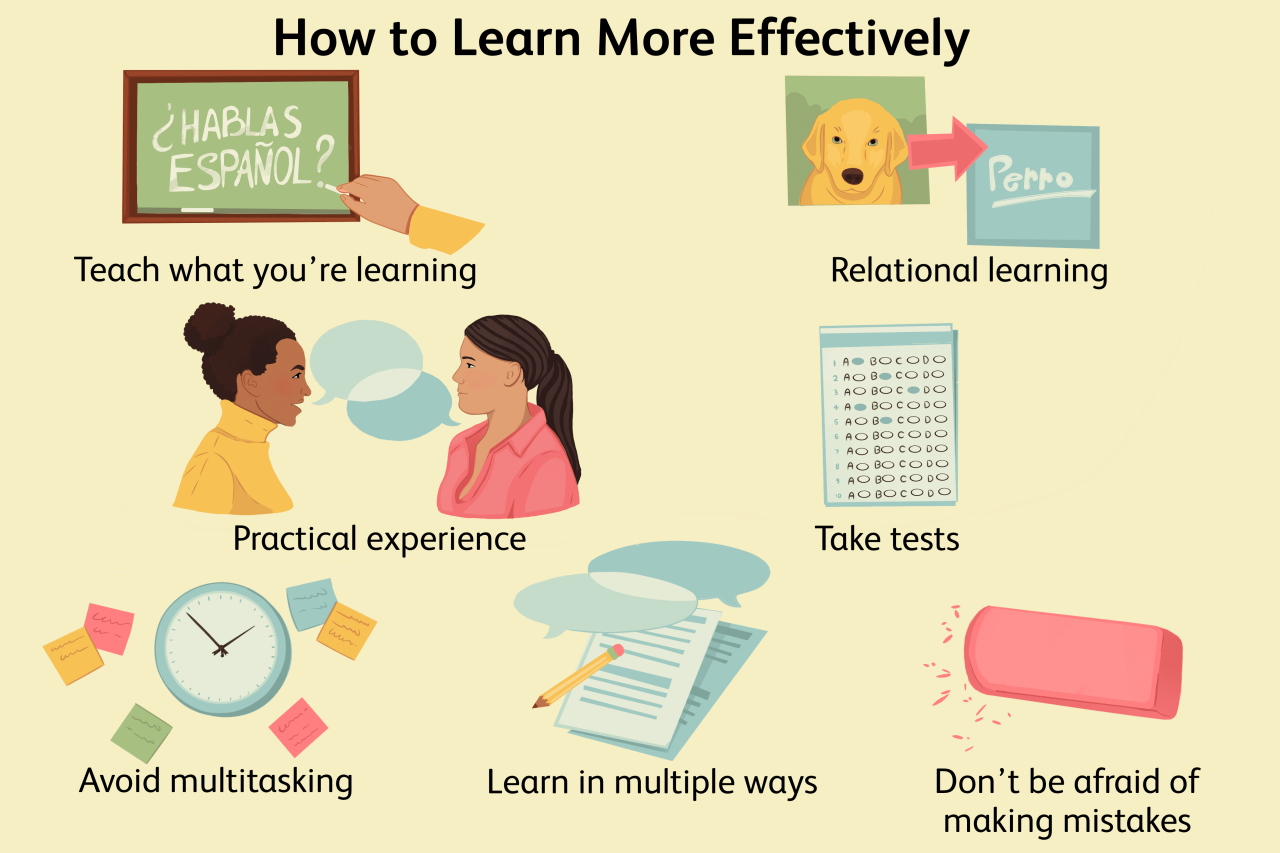
Learning a new language, especially through real-life conversations, inevitably involves making mistakes. It is a natural part of the process and a crucial element for growth. This section focuses on how to embrace these errors, navigate conversational challenges, and maintain the motivation needed to succeed in your French language journey.
Viewing Mistakes as Learning Opportunities
Embracing mistakes is fundamental to language acquisition. Each error provides a valuable opportunity to learn and improve. Instead of viewing mistakes as failures, consider them as stepping stones towards fluency.
- Analyze the Error: When you make a mistake, take a moment to understand why it happened. Was it a grammar issue, a vocabulary gap, or a pronunciation problem? Identifying the root cause is the first step toward correcting it.
- Seek Correction: Actively seek feedback from native speakers or more experienced learners. They can provide accurate corrections and explanations. Don’t be afraid to ask for help; most people are happy to assist.
- Review and Practice: After receiving feedback, review the correct form and practice using it. Create flashcards, write sentences, or engage in other exercises to reinforce your understanding.
- Track Progress: Keep a record of the mistakes you make and the corrections you receive. This will allow you to monitor your progress and identify areas where you need to focus your efforts.
Handling Conversational Setbacks and Staying Motivated
Conversational setbacks are unavoidable. A conversation might go awry, you might misunderstand something, or you might struggle to express yourself. These experiences can be discouraging, but it’s crucial to develop strategies for handling them and staying motivated.
- Acknowledge and Accept: Recognize that setbacks are normal and don’t take them personally. Everyone experiences them, and they don’t reflect on your overall ability to learn.
- Take a Break: If you feel overwhelmed or frustrated, take a break from studying or practicing. Come back to it later with a fresh perspective.
- Celebrate Small Wins: Acknowledge and celebrate your progress, no matter how small. Did you understand a new word? Were you able to hold a short conversation? These accomplishments contribute to your overall success.
- Focus on Your Goals: Remind yourself why you’re learning French. What are your goals? Keeping these goals in mind will help you stay motivated during challenging times.
- Find a Support System: Connect with other French learners or native speakers. Sharing your experiences and getting encouragement from others can make a significant difference.
Politely Asking for Clarification or Repetition in French
Knowing how to ask for clarification or repetition is essential for effective communication. Here are some polite phrases you can use:
- “Pardon?” (Pardon?)
-This is a simple and versatile way to ask someone to repeat what they said. - “Pourriez-vous répéter, s’il vous plaît?” (Could you repeat, please?)
-A more formal and polite way to ask for repetition. - “Je suis désolé(e), je n’ai pas bien compris.” (I’m sorry, I didn’t understand well.)
-This acknowledges your misunderstanding. - “Pourriez-vous parler plus lentement, s’il vous plaît?” (Could you speak more slowly, please?)
-Useful if you’re struggling to keep up with the pace. - “Qu’est-ce que vous voulez dire?” (What do you mean?)
-Use this to ask for clarification about a specific word or phrase. - “Pouvez-vous épeler ce mot, s’il vous plaît?” (Can you spell this word, please?)
-Helpful if you need to understand a word’s spelling.
Example Conversation Snippet: Person A: “Nous allons au cinéma ce soir.” (We’re going to the cinema tonight.) Person B: “Pardon?” (Pardon?) Person A: “Nous allons au cinéma ce soir.” (We’re going to the cinema tonight.)
Tracking Progress and Setting Goals
Tracking your progress and setting realistic goals are crucial components of successful language learning. They provide motivation, allow you to identify areas for improvement, and help you stay on track. Without these elements, the learning process can feel directionless and discouraging.
The Importance of Realistic Goal Setting
Setting achievable goals is paramount for maintaining motivation and measuring success. Unrealistic goals can lead to frustration and abandonment of the learning process. Goals should be Specific, Measurable, Achievable, Relevant, and Time-bound (SMART). This framework ensures goals are well-defined and attainable within a reasonable timeframe.
Strategies for Measuring Language Learning Progress
There are several effective methods for tracking your progress in French. Employing a combination of these strategies offers a comprehensive view of your development.
- Self-Assessment: Regularly assess your abilities in various language skills. This involves evaluating your reading comprehension, writing skills, speaking fluency, and listening comprehension. Consider using a self-assessment grid with rating scales (e.g., Beginner, Intermediate, Advanced) for each skill. This provides a baseline and allows you to track your improvement over time.
- Feedback from Conversation Partners: Seek feedback from native speakers or experienced language learners. Ask them to evaluate your pronunciation, grammar, and overall communication skills. Their insights can highlight areas where you excel and areas needing improvement. Record your conversations and review them later, noting areas for improvement.
- Formal Assessments: Take quizzes, tests, or practice exams to gauge your understanding of grammar, vocabulary, and sentence structure. Many online resources offer these assessments.
- Immersive Activities: Engage in activities like watching French movies or reading books and noting your comprehension. Keep track of the number of new words you encounter and the frequency with which you understand the content.
- Record Keeping: Maintain a language learning journal or notebook to document your progress, including new vocabulary learned, grammatical concepts mastered, and challenges encountered. This journal can serve as a valuable resource for reflecting on your learning journey.
Language Learning Progress Tracker Template
A structured progress tracker is a helpful tool for monitoring your language learning journey. The template below provides a framework for tracking your progress across various skills and areas of focus.
| Date | Activity | Time Spent (Minutes) | Vocabulary Learned | Grammar Focus | Speaking Fluency (1-5) | Listening Comprehension (1-5) | Reading Comprehension (1-5) | Writing Proficiency (1-5) | Notes/Challenges |
|---|---|---|---|---|---|---|---|---|---|
| YYYY-MM-DD | (e.g., Conversation Practice, Reading a Book, Watching a Movie) | ||||||||
| YYYY-MM-DD |
Example of using the progress tracker:
Let’s say you spend 60 minutes practicing French conversation on January 15,
2024. You learned 10 new vocabulary words related to food, and the grammar focus was on the present tense. Your speaking fluency improved to a 3, listening comprehension to a 4, reading comprehension to a 3, and writing proficiency remained at a
2. In the notes section, you could write: “Had some trouble with verb conjugations in the past tense.”
Explanation of Columns:
- Date: The date of the learning activity.
- Activity: The specific activity you engaged in (e.g., conversation practice, reading a book, watching a movie).
- Time Spent (Minutes): The duration of the activity.
- Vocabulary Learned: The number of new words you learned or the specific vocabulary topic.
- Grammar Focus: The grammatical concept you focused on (e.g., past tense, conditional).
- Speaking Fluency (1-5): Your self-assessment of your speaking fluency, with 1 being beginner and 5 being advanced.
- Listening Comprehension (1-5): Your self-assessment of your listening comprehension.
- Reading Comprehension (1-5): Your self-assessment of your reading comprehension.
- Writing Proficiency (1-5): Your self-assessment of your writing proficiency.
- Notes/Challenges: Any notes, challenges, or observations about the activity.
Regularly reviewing your progress tracker will help you identify patterns, areas of strength and weakness, and areas needing further attention. This data-driven approach to language learning promotes continuous improvement and allows you to adjust your learning strategies as needed.
Wrap-Up

In conclusion, mastering French through real-life conversations is an achievable goal. By embracing immersion, building a solid foundation, seeking out authentic interactions, and utilizing available resources, you can unlock the ability to communicate with confidence and connect with French culture on a deeper level. Remember to embrace mistakes as learning opportunities and celebrate your progress along the way. Bon courage!