Embark on an exciting journey to master the art of Italian conversation with this comprehensive guide, designed to equip you with essential phrases for everyday interactions. From greetings and introductions to navigating restaurants and handling emergencies, this resource offers a practical and engaging approach to language learning.
Delve into the nuances of Italian, exploring formal and informal expressions, pronunciation tips, and cultural contexts. Whether you’re planning a trip to Italy, connecting with Italian-speaking friends, or simply eager to expand your linguistic horizons, this guide provides the tools you need to communicate confidently and effectively.
Essential Italian Phrases for Greetings and Introductions

Learning to greet people and introduce yourself is fundamental to any language acquisition, and Italian is no exception. Mastering these essential phrases will allow you to navigate basic social interactions with confidence and pave the way for deeper conversations. This section focuses on the key phrases you need to get started.Understanding the nuances of formality in Italian is crucial for effective communication.
Using the correct form of address shows respect and helps you avoid potential misunderstandings.
Common Italian Greetings
Here are ten common Italian greetings, encompassing both formal and informal options, to help you begin your conversations.
- Ciao: This is the most versatile greeting, meaning “hello” or “goodbye.” It’s used informally with friends, family, and people you know well.
- Buongiorno: Meaning “good morning” or “good day,” this is used from morning until about lunchtime.
- Buonasera: This translates to “good evening” or “good afternoon” and is used from lunchtime onwards.
- Buonanotte: Meaning “good night,” this is used when saying goodbye at night.
- Salve: A more formal “hello” that can be used at any time of day. It’s a good choice when you’re unsure of the level of formality.
- Come stai? (informal): “How are you?” (singular, informal)
- Come sta? (formal): “How are you?” (singular, formal)
- Come state? (informal/formal plural): “How are you?” (plural, informal or formal)
-use this when addressing more than one person, regardless of formality. - Piacere: “Nice to meet you.”
- Arrivederci: “Goodbye” (formal).
Formality in Italian Address
Italian distinguishes between formal and informal address, a crucial aspect of politeness. Using the wrong form can be considered rude or overly familiar. The primary difference lies in the pronouns and verb conjugations used.
- Tu (informal): Used when addressing friends, family, children, and people you know well.
- Lei (formal): Used when addressing strangers, people older than you, or those in positions of authority. Note that “Lei” is the formal “you” and uses the third-person singular verb conjugations.
- Voi (informal/formal plural): Used when addressing multiple people, regardless of the level of formality.
Introducing Yourself and Others
Introducing yourself and others involves specific phrases to facilitate a smooth interaction. Knowing these phrases is crucial for building relationships.
- To introduce yourself:
- To introduce someone else:
- Common responses after being introduced:
Mi chiamo [Your Name].
-“My name is [Your Name].”
Sono [Your Name].
-“I am [Your Name].” (more informal)
Ti presento [Name].
-“I’d like to introduce you to [Name].” (informal)
Le presento [Name].
-“I’d like to introduce you to [Name].” (formal)
Vi presento [Name].
-“I’d like to introduce you to [Name].” (plural, informal/formal)
Piacere.
-“Nice to meet you.”
Molto piacere.
-“Very nice to meet you.” (more emphatic)
Greeting, Translation, Pronunciation, and Usage
The following table provides a comprehensive overview of essential greetings, their English translations, pronunciation tips, and when to use them. This format allows for easy reference and quick learning.
| Italian Greeting | English Translation | Pronunciation Tips | When to Use |
|---|---|---|---|
| Ciao | Hello/Goodbye | Pronounced “chow.” | Informal greeting and farewell, used with friends and family. |
| Buongiorno | Good morning/Good day | Pronounced “bwon-johr-noh.” | Used from morning until about lunchtime. |
| Buonasera | Good evening/Good afternoon | Pronounced “bwoh-nah-seh-rah.” | Used from lunchtime onwards. |
| Buonanotte | Good night | Pronounced “bwoh-nah-not-teh.” | Used when saying goodbye at night. |
| Salve | Hello | Pronounced “sal-veh.” | Formal greeting, can be used at any time of day. |
| Come stai? | How are you? (informal) | Pronounced “koh-meh stahy?” | Used when addressing one person informally. |
| Come sta? | How are you? (formal) | Pronounced “koh-meh stah?” | Used when addressing one person formally. |
| Come state? | How are you? (plural/formal) | Pronounced “koh-meh stah-teh?” | Used when addressing multiple people, regardless of formality. |
| Piacere | Nice to meet you | Pronounced “pyah-cheh-reh.” | Used after being introduced. |
| Arrivederci | Goodbye | Pronounced “ah-ree-veh-dehr-chee.” | Formal goodbye. |
Daily Conversation Starters and Responses

Mastering Italian conversation starters and responses is crucial for navigating everyday interactions. These phrases allow you to initiate conversations, respond appropriately, and express your feelings, facilitating smoother and more meaningful communication. This section provides essential tools for engaging in daily Italian dialogues.
Initiating Conversations
Learning how to start conversations is key to interacting with others. Here are eight Italian phrases commonly used to begin conversations in various everyday situations:
- Ciao! (Hello!/Hi!)
-A versatile greeting suitable for friends, family, and acquaintances. - Buongiorno! (Good morning!)
-Used from sunrise until about noon. - Buon pomeriggio! (Good afternoon!)
-Used from around noon until sunset. - Buonasera! (Good evening!)
-Used from sunset onwards. - Come va? (How’s it going?)
-An informal way to ask how someone is doing. - Come stai? (How are you?)
-An informal way to inquire about someone’s well-being, used with people you know well. - Come sta? (How are you?)
-A formal way to ask how someone is doing, used with people you don’t know well or in professional settings. - Scusa/Scusi, posso chiederle/ti una cosa? (Excuse me, can I ask you something?)
-A polite way to initiate a conversation, often used to ask for directions or information.
Responding to Conversation Starters
Knowing how to respond appropriately to conversation starters is equally important. Here are some common responses:
- To “Ciao!”: Reply with “Ciao!”
- To “Buongiorno!”: Reply with “Buongiorno!”
- To “Buon pomeriggio!”: Reply with “Buon pomeriggio!”
- To “Buonasera!”: Reply with “Buonasera!”
- To “Come va?”: You can respond with “Tutto bene!” (Everything’s fine!) or “Va bene, grazie!” (It’s going well, thank you!).
- To “Come stai?/Come sta?”: Use the responses detailed in the next , specifically for “How are you?”.
- To “Scusa/Scusi, posso chiederle/ti una cosa?”: Respond with “Certo!” (Of course!) or “Dimmi pure!” (Tell me!).
Asking and Responding to “How Are You?”
Asking “How are you?” and knowing how to respond thoughtfully allows for more engaging and personal interactions. Here’s how to ask and respond in Italian, including expressing feelings:
- Come stai? (How are you?)
-Informal, used with people you know. - Come sta? (How are you?)
-Formal, used with people you don’t know well or in professional settings.
Here are some ways to respond:
- Sto bene, grazie. E tu? (I’m fine, thank you. And you?)
-A standard and polite response. - Tutto bene, grazie. (Everything’s fine, thank you.)
-A simple and common response. - Non c’è male, grazie. (Not bad, thank you.)
-A slightly less enthusiastic but still positive response. - Così così. (So-so.)
-To indicate you’re not particularly good or bad. - Sto male. (I’m not well.)
-To express you are not feeling well. Follow up with a brief explanation if you feel comfortable. - Sono stanco/a. (I’m tired.)
-Expressing tiredness. Use “stanco” if you are male and “stanca” if you are female. - Sono felice! (I’m happy!)
-Expressing happiness. - Sono un po’ stressato/a. (I’m a little stressed.)
-Expressing stress. Use “stressato” if you are male and “stressata” if you are female.
Expressing Agreement and Disagreement
Knowing how to express agreement and disagreement effectively is vital for participating in conversations. Here are five Italian phrases for each:
- Agreement:
- Sì. (Yes.)
-The most basic form of agreement. - Certo! (Certainly!/Of course!)
-Expresses strong agreement. - Esatto! (Exactly!)
-Used to agree precisely with what someone said. - Sono d’accordo. (I agree.)
-A more formal way to express agreement. - È vero. (It’s true.)
-Acknowledging the truth of a statement. - Disagreement:
- No. (No.)
-The most basic form of disagreement. - Non sono d’accordo. (I don’t agree.)
-A polite way to disagree. - Non è vero. (It’s not true.)
-Disagreeing with the truth of a statement. - Assolutamente no! (Absolutely not!)
-A strong form of disagreement. - Non credo. (I don’t think so.)
-A more tentative way to disagree.
Asking for and Giving Information
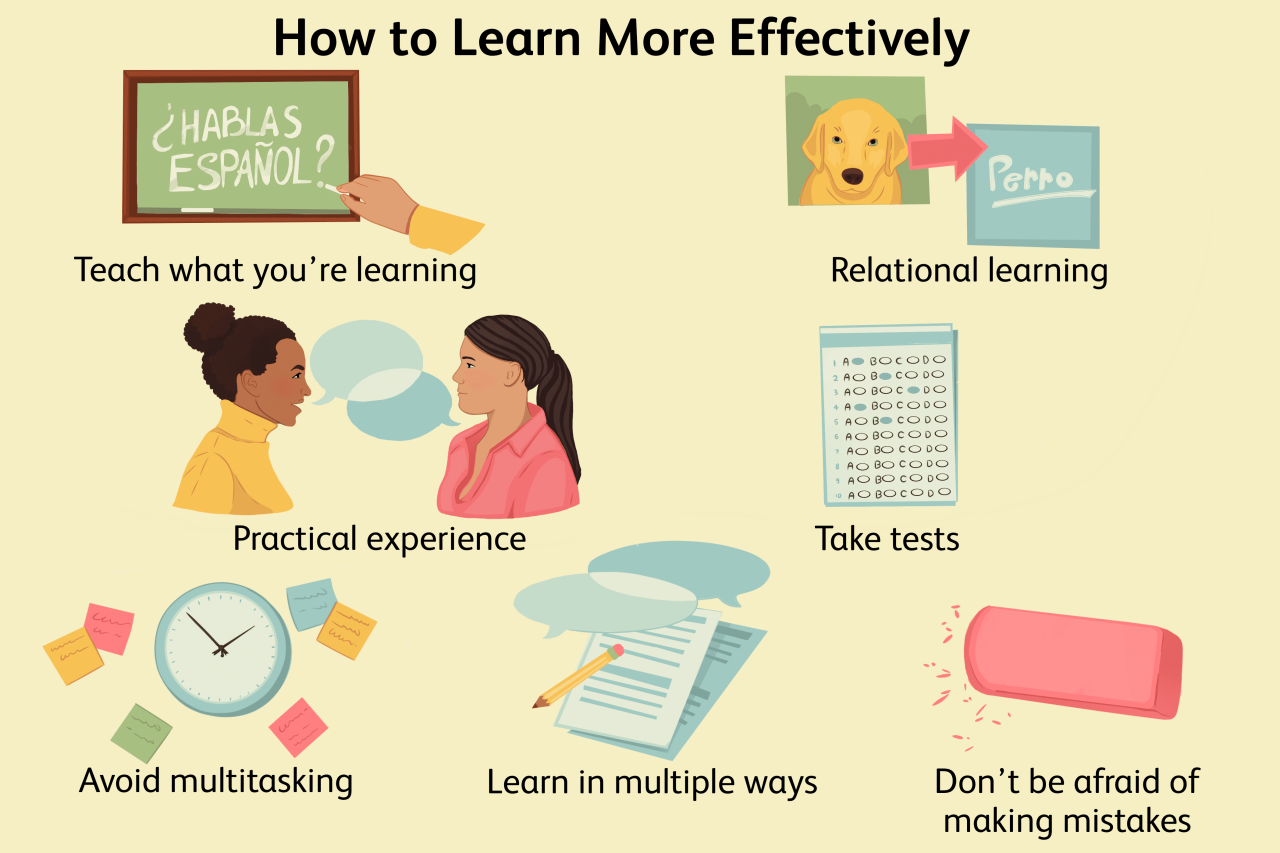
Learning how to ask for and give information is crucial for navigating daily life in Italy. This section provides practical phrases and examples to help you effectively communicate your needs and understand responses.
Asking for Directions
Knowing how to ask for directions is essential for travelers and anyone new to an area. Here are some useful phrases:* To initiate the conversation, you can start with “Scusi” (Excuse me) or “Mi scusi” (Excuse me, more formal).
“Scusi, come posso andare a…?” (Excuse me, how can I get to…?)
“Mi scusi, dov’è…?” (Excuse me, where is…?)
“Potrebbe dirmi come arrivare a…?” (Could you tell me how to get to…?)
* To clarify, use the following phrases:
“È lontano da qui?” (Is it far from here?)
“È vicino a…?” (Is it near…?)
“Quanto ci vuole a piedi/in macchina?” (How long does it take on foot/by car?)
“C’è una fermata dell’autobus/metropolitana qui vicino?” (Is there a bus/metro stop nearby?)
* To understand directions, you might hear:
“Vada dritto” (Go straight)
“Giri a destra/sinistra” (Turn right/left)
“Al prossimo incrocio” (At the next intersection)
“Prenda la seconda strada a destra” (Take the second street on the right)
“È a due isolati da qui” (It’s two blocks from here)
Phrases for Asking About Prices and Making Purchases
Navigating the world of shopping in Italy requires knowing how to inquire about prices and complete transactions. Here are seven essential phrases:*
“Quanto costa…?” (How much does… cost?)
-
“Quanto costa questo?” (How much does this cost?)
-
“Avete…?” (Do you have…?)
- Use this to inquire about a specific item.
-
“Accettate carte di credito?” (Do you accept credit cards?)
-
“Posso pagare con carta?” (Can I pay with card?)
-
“È troppo caro.” (It’s too expensive.)
- A useful phrase for negotiating.
-
“Vorrei comprare… / Prendo…” (I would like to buy… / I’ll take…)
Dialogue for Asking and Providing Basic Information
Here is a simple dialogue demonstrating how to ask for and provide basic information: Person A: “Ciao! Come ti chiami?” (Hello! What is your name?) Person B: “Ciao! Mi chiamo Marco, e tu?” (Hello! My name is Marco, and you?) Person A: “Io sono Sofia. Quanti anni hai, Marco?” (I am Sofia. How old are you, Marco?) Person B: “Ho venticinque anni. E tu?” (I am twenty-five years old.
And you?) Person A: “Ne ho ventiquattro. Di dove sei?” (I am twenty-four. Where are you from?) Person B: “Sono di Roma. E tu?” (I am from Rome. And you?) Person A: “Sono di Firenze.” (I am from Florence.)
Useful Questions and Answers for Requesting Information
The following table presents a compilation of useful questions and their corresponding answers, facilitating the exchange of information.
| Question (Italian) | Translation (English) | Possible Answer (Example) |
|---|---|---|
| Come ti chiami? | What is your name? | Mi chiamo Giulia. (My name is Giulia.) |
| Quanti anni hai? | How old are you? | Ho trent’anni. (I am thirty years old.) |
| Di dove sei? | Where are you from? | Sono di Milano. (I am from Milan.) |
| Qual è il tuo numero di telefono? | What is your phone number? | Il mio numero di telefono è… (My phone number is…) |
| Qual è il tuo indirizzo? | What is your address? | Il mio indirizzo è… (My address is…) |
| Parli italiano? | Do you speak Italian? | Sì, parlo italiano. (Yes, I speak Italian.) / No, non parlo italiano. (No, I don’t speak Italian.) |
| Cosa fai nella vita? | What do you do for a living? | Sono uno studente. (I am a student.) / Lavoro come… (I work as…) |
Expressing Needs and Making Requests
In daily life, the ability to express your needs and make requests effectively is crucial for smooth communication and achieving your goals. This section focuses on equipping you with essential Italian phrases for these scenarios, ensuring you can articulate your requirements clearly and politely.
Expressing Needs in Italian
Understanding how to express your needs in Italian is fundamental for daily interactions. Here are six essential phrases:
- Ho bisogno di… (I need…)
-This is a versatile phrase used to express a wide range of needs. For example, “Ho bisogno di acqua” (I need water). - Ho fame. (I am hungry.)
-A straightforward way to indicate your hunger. - Ho sete. (I am thirsty.)
-To express your need for a drink. - Ho bisogno di aiuto. (I need help.)
-A crucial phrase for any situation where assistance is required. - Mi sento male. (I feel sick.)
-Used to indicate that you are not feeling well. - Ho bisogno di andare al bagno. (I need to go to the bathroom.)
-A polite way to express the need to use the restroom.
Making Polite Requests in Italian
Politeness is highly valued in Italian culture. When making requests, using courteous language is essential.
- Potrebbe… (Could you…)
-This is a formal and polite way to make a request. For example, “Potrebbe aiutarmi?” (Could you help me?) - Per favore (Please)
-Always include this word to soften your request. It can be used with any of the following phrases. - Vorrei… (I would like…)
-A polite way to express what you desire. For example, “Vorrei un caffè, per favore” (I would like a coffee, please). - Mi può dare…? (Can you give me…?)
-Another polite option, suitable in various situations. For instance, “Mi può dare un bicchiere d’acqua, per favore?” (Can you give me a glass of water, please?)
Formal vs. Informal Requests
The choice between formal and informal language depends on the context and your relationship with the person you are addressing.
- Formal: Use “Lei” (formal you) and verbs conjugated in the third-person singular (e.g., “Potrebbe aiutarmi?”
-Could you help me?). This is appropriate for strangers, people older than you, or those in positions of authority. - Informal: Use “tu” (informal you) and verbs conjugated in the second-person singular (e.g., “Puoi aiutarmi?”
-Can you help me?). This is suitable for friends, family, and people you know well.
Formal Request: “Potrebbe dirmi l’ora, per favore?” (Could you tell me the time, please?)
Informal Request: “Puoi dirmi l’ora, per favore?” (Can you tell me the time, please?)
Scenario: At a Restaurant
Imagine a traveler in a restaurant in Rome. They can use the phrases learned to communicate their needs.
- The traveler enters the restaurant and is seated. They are thirsty and hungry.
- The waiter approaches. The traveler says: ” Vorrei un bicchiere d’acqua, per favore” (I would like a glass of water, please).
- The waiter brings the water. The traveler then adds, ” Ho fame. Potrei vedere il menu, per favore?” (I am hungry. Could I see the menu, please?).
- After reviewing the menu, the traveler decides on a dish and requests it. ” Vorrei la pasta alla carbonara, per favore” (I would like the pasta carbonara, please).
- During the meal, if they need assistance, they can use: ” Mi può portare un po’ di pane, per favore?” (Can you bring me some bread, please?).
- If they are satisfied with the meal, they can politely ask for the bill: ” Il conto, per favore.” (The bill, please.)
Talking About Time and Dates
Understanding how to discuss time and dates is crucial for navigating daily life in Italy, from scheduling appointments to simply understanding when events are happening. This section provides essential phrases and examples to help you communicate effectively.
Telling Time and Discussing Dates: Key Phrases
Here are eight useful Italian phrases related to telling time and discussing dates, along with their English translations:
- Che ore sono?
-What time is it? - È l’una.
-It’s one o’clock. - Sono le due.
-It’s two o’clock. - È mezzogiorno.
-It’s noon. - È mezzanotte.
-It’s midnight. - Oggi è lunedì.
-Today is Monday. - Che giorno è oggi?
-What day is it today? - Qual è la data di oggi?
-What is today’s date?
Asking “What Time Is It?” and “What Day Is It?”
The most common ways to ask “What time is it?” and “What day is it?” are:
- To ask “What time is it?”, you can use the phrase: Che ore sono?
- To ask “What day is it?”, you can use the phrase: Che giorno è oggi?
Scheduling Meetings and Appointments: Useful Phrases
When making plans, the following phrases are helpful for scheduling meetings and appointments:
- Ci vediamo alle…
-We’ll see each other at… (followed by the time). - L’appuntamento è alle…
-The appointment is at… (followed by the time). - Quando sei libero/a?
-When are you free? (masculine/feminine). - Possiamo incontrarci [giorno]?
-Can we meet on [day]?
Daily Routines: Example Sentences
Here are some example sentences illustrating how these phrases can be used in daily routines:
Mi alzo alle sette.
-I wake up at seven o’clock.Faccio colazione alle sette e mezza.
-I have breakfast at half past seven.Vado al lavoro alle otto.
-I go to work at eight o’clock.Pranzo a mezzogiorno.
-I have lunch at noon.Torno a casa alle sei.
-I go home at six o’clock.Ceno alle otto.
-I have dinner at eight o’clock.Vado a letto alle dieci.
-I go to bed at ten o’clock.
Common Italian Phrases for Dining and Shopping
Navigating Italian restaurants and shops becomes significantly easier with a basic understanding of key phrases. This section provides essential expressions for ordering food and drinks, asking for the bill, expressing satisfaction or dissatisfaction, and making purchases. Mastering these phrases will enhance your dining and shopping experiences in Italy.
Phrases for Ordering Food and Drinks in Restaurants
Knowing how to order food and drinks is crucial for enjoying a meal out. Here are ten essential Italian phrases for this purpose:
- ” Un tavolo per uno/due/tre… persone, per favore.” (A table for one/two/three… people, please.)
-Use this when requesting a table. - ” Vorrei…” (I would like…)
-A polite way to start your order. - ” Vorrei un caffè, per favore.” (I would like a coffee, please.)
-A common request. - ” Un bicchiere di acqua, per favore.” (A glass of water, please.)
-Useful for ordering water. - ” Posso avere il menu?” (Can I have the menu?)
-Asking for the menu. - ” Cosa consiglia?” (What do you recommend?)
-Asking for the waiter’s suggestion. - ” Per antipasto, prendo…” (For appetizer, I’ll have…)
-Ordering an appetizer. - ” Per primo, prendo…” (For the first course, I’ll have…)
-Ordering the first course (usually pasta or soup). - ” Per secondo, prendo…” (For the second course, I’ll have…)
-Ordering the main course. - ” Vorrei un dolce, per favore.” (I would like a dessert, please.)
-Ordering dessert.
Asking for the Bill and Expressing Satisfaction or Dissatisfaction
Knowing how to manage the end of your meal is just as important as ordering. Here are phrases to ask for the bill and express your feelings about the meal:
- ” Il conto, per favore.” (The bill, please.)
-Asking for the bill. - ” Posso pagare con carta di credito?” (Can I pay with a credit card?)
-Inquiring about payment methods. - ” Era delizioso!” (It was delicious!)
-Expressing satisfaction. - ” Tutto bene, grazie.” (Everything is fine, thank you.)
-A general response when asked about the meal. - ” C’era un problema con…” (There was a problem with…)
-Used to express dissatisfaction, followed by specifying the issue.
Phrases for Shopping
Shopping in Italy requires knowing how to ask about sizes, prices, and availability. The following phrases will help you navigate the shops with ease:
- ” Quanto costa?” (How much does it cost?)
-Asking the price. - ” Avete questa taglia?” (Do you have this size?)
-Asking about sizes. - ” Avete questo in un altro colore?” (Do you have this in another color?)
-Inquiring about color options. - ” Posso provare questo?” (Can I try this on?)
-Asking to try something on. - ” Accettate carte di credito?” (Do you accept credit cards?)
-Inquiring about payment methods.
Expressing Preferences or Dislikes Regarding Food
Communicating your food preferences or dislikes is important to ensure a pleasant dining experience. Here are five phrases to help you:
- ” Non mi piace…” (I don’t like…)
-Expressing dislike. - ” Sono allergico/a a…” (I am allergic to…)
-Stating an allergy. - ” Preferisco…” (I prefer…)
-Stating a preference. - ” Vorrei qualcosa di…” (I would like something…)
-Used to express a desire for a specific type of food. For example, “Vorrei qualcosa di piccante” (I would like something spicy). - ” È troppo…” (It’s too…)
-Used to express something is too much (e.g., “È troppo salato”
-It’s too salty).
Expressing Gratitude and Apologies
Expressing gratitude and offering apologies are essential aspects of effective communication in any language. In Italian, as in other languages, the ability to express thanks and acknowledge mistakes respectfully is crucial for building and maintaining positive relationships. This section will explore the nuances of expressing gratitude and offering apologies in Italian, covering both formal and informal contexts.
Ways to Say “Thank You” in Italian
Italian offers a variety of ways to express gratitude, ranging from simple expressions to more elaborate phrases. The choice of which phrase to use often depends on the context, the relationship with the person being addressed, and the level of formality required.
- Grazie: This is the most common and versatile way to say “thank you.” It’s appropriate in almost any situation.
Grazie per l’aiuto. (Thank you for the help.)
- Grazie mille: Literally meaning “a thousand thanks,” this phrase expresses a deeper level of gratitude than a simple “grazie.” It is suitable for when someone has gone out of their way to help you.
Grazie mille per il regalo! (Thank you very much for the gift!)
- Grazie tante: Similar to “grazie mille,” this phrase also conveys a significant amount of gratitude. It is slightly less formal than “grazie mille” and can be used in a variety of situations.
Grazie tante per avermi aspettato. (Thank you so much for waiting for me.)
- La ringrazio: This is the formal way to say “thank you.” Use this when addressing someone you don’t know well, someone older than you, or someone in a position of authority. The verb “ringraziare” (to thank) is conjugated in the formal “Lei” form.
La ringrazio per l’opportunità. (Thank you for the opportunity.)
- Ti ringrazio: This is the informal way to say “thank you.” Use this when speaking to friends, family, or people you know well. The verb “ringraziare” is conjugated in the informal “tu” form.
Ti ringrazio per il tuo tempo. (Thank you for your time.)
- Sono molto grato/a: This translates to “I am very grateful.” The form changes depending on the speaker’s gender (grato for male, grata for female). This is a more emphatic way of expressing gratitude.
Sono molto grato per il vostro aiuto. (I am very grateful for your help – male speaker.)
Sono molto grata per la tua gentilezza. (I am very grateful for your kindness – female speaker.) - Le sono grato/a: This is the formal version of “I am very grateful.” The form changes depending on the speaker’s gender (grato for male, grata for female). This is suitable for more formal situations.
Le sono grato per il suo consiglio. (I am very grateful for your advice – male speaker.)
Le sono grata per il suo supporto. (I am very grateful for your support – female speaker.)
Apologizing for Mistakes and Expressing Regret
Apologizing is just as important as expressing gratitude. Knowing how to apologize appropriately can help repair relationships and show respect. Both formal and informal ways to apologize exist in Italian.
- Scusa: This is the informal way to say “sorry.” It is used with friends, family, and people you know well.
Scusa, non volevo farlo. (Sorry, I didn’t mean to do that.)
- Scusi: This is the formal way to say “sorry.” It is used when addressing someone you don’t know well, someone older than you, or someone in a position of authority.
Scusi per il ritardo. (Sorry for the delay.)
- Mi dispiace: This phrase means “I’m sorry” or “I regret.” It’s a versatile phrase suitable for various situations.
Mi dispiace molto. (I’m very sorry.)
- Chiedo scusa: This phrase means “I apologize” and is a more formal way of apologizing.
Chiedo scusa per l’inconveniente. (I apologize for the inconvenience.)
- Mi scuso: Similar to “Chiedo scusa,” this phrase also means “I apologize.” It is slightly more formal than “Mi dispiace.”
Mi scuso per l’errore. (I apologize for the mistake.)
- È colpa mia: This means “It’s my fault.” It’s a direct way of taking responsibility for a mistake.
È colpa mia, mi dispiace. (It’s my fault, I’m sorry.)
- Non volevo: This means “I didn’t want to” or “I didn’t mean to.” This is used to express that you didn’t intend to cause a problem.
Non volevo farti arrabbiare. (I didn’t mean to make you angry.)
Comparing Formal and Informal Expressions of Gratitude and Apologies
The difference between formal and informal expressions in Italian revolves primarily around the use of pronouns and verb conjugations. Using the correct form demonstrates respect and consideration for the person you are addressing.
| Expression | Formality | Context | Example |
|---|---|---|---|
| Grazie | Informal/Formal | Generally applicable. | Grazie per l’aiuto. (Thank you for the help.) |
| Grazie mille/tante | Informal/Formal | Expressing greater gratitude. | Grazie mille per il regalo! (Thank you very much for the gift!) |
| La ringrazio/Le sono grato/a | Formal | Addressing someone you don’t know well, someone older, or in a position of authority. | La ringrazio per l’opportunità. (Thank you for the opportunity.) |
| Ti ringrazio/Sono molto grato/a | Informal | Speaking to friends and family. | Ti ringrazio per il tuo tempo. (Thank you for your time.) |
| Scusa/Scusi | Informal/Formal | Apologizing for a mistake or inconvenience. | Scusa, non volevo farlo. (Sorry, I didn’t mean to do that.) / Scusi per il ritardo. (Sorry for the delay.) |
| Mi dispiace | Informal/Formal | Expressing regret. | Mi dispiace molto. (I’m very sorry.) |
| Chiedo scusa/Mi scuso | Formal | Apologizing formally. | Chiedo scusa per l’inconveniente. (I apologize for the inconvenience.) / Mi scuso per l’errore. (I apologize for the mistake.) |
Role-Playing Scenario
Here’s a short role-playing scenario to demonstrate the use of these phrases: Characters:* Marco: A young man.
Signora Rossi
Marco’s older neighbor. Scenario:Marco accidentally bumps into Signora Rossi, spilling her coffee. Dialogue:* Marco: (Panicked) “Scusi, Signora Rossi! Mi dispiace tantissimo! È colpa mia.” (Sorry, Signora Rossi! I’m so sorry! It’s my fault.)
Signora Rossi
(A little surprised but understanding) “Non fa niente, Marco. Succede. Grazie per esserti scusato.” (It’s alright, Marco. It happens. Thank you for apologizing.)
Marco
“La ringrazio per la comprensione. Posso aiutarla a pulire?” (Thank you for your understanding. Can I help you clean up?)
Signora Rossi
“Sì, grazie mille. Sarebbe molto gentile da parte tua.” (Yes, thank you very much. That would be very kind of you.)
Marco
“Prego, Signora Rossi.” (You’re welcome, Signora Rossi.)This simple scenario demonstrates the use of formal apologies (“Scusi,” “Mi dispiace,” “È colpa mia,” “La ringrazio”) and expressions of gratitude (“Grazie mille”) in a real-life situation. The scenario highlights how an immediate apology can de-escalate a potentially uncomfortable situation.
Phrases for Getting Around and Transportation
Navigating a new city can be an exciting adventure, and knowing essential Italian phrases for transportation will significantly enhance your experience. From understanding bus routes to asking for directions, these phrases will help you move around with confidence and ease. Mastering these expressions allows you to interact more effectively with locals and navigate public transport systems, making your travels more enjoyable and less stressful.
Using Public Transport in Italian
Understanding how to use public transport is vital for getting around in Italy. The following phrases are frequently used when using buses and trains.Here are 8 Italian phrases to help you use public transport:
- “Un biglietto per… (Una biglietto per…)”
-A ticket to… (one ticket to…). This phrase is essential when purchasing tickets. - “Dove posso comprare un biglietto?”
-Where can I buy a ticket? Useful for finding ticket vendors. - “A che ora parte il treno/autobus per…?”
-What time does the train/bus to… leave? Essential for planning your journey. - “Questo autobus va a…?”
-Does this bus go to…? Verify the route before boarding. - “Quanto costa un biglietto?”
-How much does a ticket cost? Useful when purchasing tickets. - “Scusi, qual è la fermata per…?”
-Excuse me, what is the stop for…? Use this to ask for the correct stop. - “Vorrei scendere alla fermata di…”
-I would like to get off at the stop of… Inform the driver where you want to stop. - “È questo il treno per…?”
-Is this the train for…? Confirm you are on the correct train.
Asking for Directions and Clarifying Routes
Knowing how to ask for and understand directions is crucial for getting around. This section covers key phrases for seeking assistance.Here are some phrases to help you ask for directions and clarify routes:
- “Scusi, come posso arrivare a…?”
-Excuse me, how can I get to…? This is a polite way to ask for directions. - “È lontano da qui?”
-Is it far from here? This helps you gauge the distance. - “Può indicarmi la strada per…?”
-Can you show me the way to…? A more formal way to ask for directions. - “È possibile andare a piedi?”
-Is it possible to go on foot? Useful to know if walking is an option. - “C’è una fermata dell’autobus vicino?”
-Is there a bus stop nearby? Useful for finding public transport. - “Devo cambiare autobus?”
-Do I need to change buses? Clarify if transfers are necessary. - “Dove devo scendere?”
-Where do I get off? Ask this to ensure you get off at the right stop. - “Per arrivare a… devo prendere l’autobus numero…?”
-To get to… do I need to take bus number…? Clarify the correct bus to take.
Understanding and Using Travel-Related Signs
Understanding signs is crucial for navigating public transport and city streets. Here’s a guide to some common travel-related signs.This table illustrates common transport phrases, their translations, pronunciations, and usage contexts:
| Phrase (Italian) | Translation (English) | Pronunciation | Usage Context |
|---|---|---|---|
| “Biglietteria” | Ticket office | bee-lee-yet-TEER-ee-ah | Finding the place to buy tickets for trains, buses, or trams. |
| “Fermata” | Stop/Station | fer-MAH-tah | Identifying bus stops or train stations. |
| “Binario” | Platform (train) | bee-NAH-ree-oh | Finding the correct platform for your train. |
| “Partenze” | Departures | par-TEN-tseh | Finding the area where trains or buses are departing from. |
| “Arrivi” | Arrivals | ar-REE-vee | Finding the area where trains or buses are arriving. |
| “Uscita” | Exit | oo-SHEE-tah | Finding the way out of a station or building. |
| “Vietato” | Forbidden/Prohibited | vee-eh-TAH-toh | Understanding rules, like “Vietato fumare” (No smoking). |
| “Direzione” | Direction | dee-reh-TSEE-oh-neh | Following signs indicating the direction to a place or destination. |
Discussing Hobbies and Interests
Understanding how to discuss hobbies and interests is a vital part of building connections and forming friendships when learning Italian. It allows you to share aspects of your personality, discover common ground with others, and practice your conversational skills in a relaxed and enjoyable setting. This section will provide you with essential phrases, question structures, and a sample dialogue to facilitate engaging conversations about your favorite pastimes.
Essential Italian Phrases for Talking About Hobbies and Interests
Here are six essential Italian phrases that will enable you to effectively discuss your hobbies and interests:
- Mi piace…
-I like… (e.g., Mi piace leggere – I like to read.)- Mi interessa…
-I am interested in… (e.g., Mi interessa la fotografia – I am interested in photography.)- Il mio hobby è…
-My hobby is… (e.g., Il mio hobby è cucinare – My hobby is cooking.)- Amo…
-I love… (e.g., Amo viaggiare – I love to travel.)- Nel mio tempo libero, mi piace…
-In my free time, I like to… (e.g., Nel mio tempo libero, mi piace dipingere – In my free time, I like to paint.)- Sono appassionato/a di…
-I am passionate about… (e.g., Sono appassionato/a di musica – I am passionate about music.) (Note: Use “appassionato” if you are male and “appassionata” if you are female.)
Asking Someone About Their Interests
To inquire about someone’s hobbies and interests, use the following phrases:
- Cosa ti piace fare?
-What do you like to do?- Quali sono i tuoi hobby?
-What are your hobbies?- Cosa ti interessa?
-What are you interested in?- Hai qualche hobby?
-Do you have any hobbies?
Sample Dialogue: Discussing Hobbies
Here is a sample dialogue demonstrating how to discuss hobbies and interests in Italian:
Marco: Ciao, Maria! Come stai?
Maria: Ciao, Marco! Sto bene, grazie. E tu?
Marco: Anch’io sto bene. Cosa ti piace fare nel tuo tempo libero?
Maria: Mi piace molto leggere e cucinare. Il mio hobby è la cucina italiana. E tu?
Marco: Amo suonare la chitarra. Sono appassionato di musica. Suoni uno strumento?
Maria: Sì, suono il pianoforte. Mi interessa molto la musica classica. Che tipo di musica ti piace?
Marco: Mi piace il rock e il pop. A volte vado ai concerti.
Maria: Che bello! Io preferisco i concerti di musica classica. Magari possiamo andare insieme a un concerto un giorno.
Marco: Ottima idea! Mi piacerebbe molto.
Common Hobbies and Their Italian Translations
Below is a list of common hobbies with their Italian translations, offering a starting point for discussing your interests:
- Reading – Leggere
- Cooking – Cucinare
- Playing music – Suonare la musica
- Listening to music – Ascoltare la musica
- Traveling – Viaggiare
- Painting – Dipingere
- Photography – Fotografia
- Sports – Sport
- Gardening – Giardinaggio
- Dancing – Ballare
- Collecting – Collezionare
- Gaming – Giocare ai videogiochi
Dealing with Problems and Emergencies

In any situation, especially when traveling or living in a foreign country, knowing how to handle emergencies is crucial. This section provides essential Italian phrases and scenarios to help you navigate difficult situations effectively and confidently. Being able to communicate your needs clearly can make a significant difference in getting the help you require.Understanding how to express your needs and report problems is paramount for your safety and well-being.
Phrases for Expressing Need for Help or Trouble
When faced with an emergency, the ability to clearly and concisely communicate your need for assistance is vital. Here are seven essential Italian phrases:
- ” Aiuto!”
– Help! This is a general cry for assistance and is universally understood. - ” Ho bisogno di aiuto.”
– I need help. A more direct and specific request. - ” Sono in pericolo.”
– I am in danger. Use this when you feel threatened. - ” C’è un problema.”
– There is a problem. Use this to alert someone to a non-life-threatening issue. - ” Mi sono perso/a.”
– I am lost. (Masculine/Feminine) This is important if you are disoriented. - ” Ho un’emergenza.”
– I have an emergency. Use this to indicate a serious situation. - ” Ho bisogno di un medico.”
– I need a doctor. This phrase is essential for medical emergencies.
Reporting a Problem or Making a Complaint
Knowing how to report a problem or make a complaint is useful in various situations, from minor inconveniences to more serious issues.To report a problem or make a complaint, you can use these phrases and sentence structures:
- ” C’è un problema con…”
– There is a problem with… - ” Non funziona.”
– It doesn’t work. - ” È rotto/a.”
– It’s broken. (Masculine/Feminine) - ” Mi dispiace, ma…”
– I’m sorry, but… (This is useful for politely starting a complaint). - ” Vorrei fare un reclamo.”
– I would like to make a complaint.
You can then elaborate on the issue. For example:
“C’è un problema con la mia camera d’albergo. La luce non funziona.”There is a problem with my hotel room. The light doesn’t work.
Asking for Medical Assistance or Directions to the Police Station
Knowing how to ask for medical assistance or directions to the police station can be crucial in emergencies.To ask for medical assistance, use these phrases:
- ” C’è un medico qui?”
– Is there a doctor here? - ” Ho bisogno di un’ambulanza.”
– I need an ambulance. - ” Mi sento male.”
– I feel sick. - ” Mi fa male…”
– My… hurts. (Followed by the part of the body that hurts.)
To ask for directions to the police station, use these phrases:
- ” Dov’è la stazione di polizia?”
– Where is the police station? - ” Potrebbe dirmi come arrivare alla stazione di polizia?”
– Could you tell me how to get to the police station? - ” C’è una stazione di polizia vicino a qui?”
– Is there a police station near here?
Scenario: A Person Needing Assistance
Imagine a scenario in the heart of Rome, near the Trevi Fountain. A tourist, a woman in her late 20s with long brown hair pulled back in a ponytail, is walking along a cobblestone street. She is wearing a light blue summer dress and carrying a small, tan leather crossbody bag. Suddenly, she stumbles and twists her ankle on an uneven section of the cobblestones.
She cries out in pain, clutching her ankle. Her face is contorted in a mix of pain and surprise. She’s dropped her phone, which lies a few feet away on the ground. The phone’s screen is cracked.The scene unfolds in the following details:
- The Setting: The scene is a narrow, historic street in Rome, lined with tall, ochre-colored buildings. The cobblestones are worn and uneven, reflecting the sunlight. In the background, the sound of flowing water from a nearby fountain can be heard, mixed with the chatter of tourists.
- The Tourist: The woman’s expression is one of immediate pain and concern. Her left ankle is visibly twisted, and she is trying to support herself with her hands on the ground. Her crossbody bag has fallen open, revealing a small wallet and a map. Her shoes, light-colored sandals, are slightly scuffed.
- The Surrounding Elements: A few other tourists are nearby, looking on with concern. A gelato shop with colorful displays is located a few meters away. A street sign indicates the name of the street in Italian. The air is filled with the aroma of coffee and pastries from a nearby cafe. The fallen phone is a modern smartphone, showing a partially visible photo of the Colosseum on its screen.
- The Immediate Action: The woman is visibly distressed. She attempts to sit up but winces in pain. She calls out, “Aiuto! Ho bisogno di aiuto!”
– Help! I need help!
Closure

In conclusion, this guide has provided a structured pathway to mastering key Italian phrases for daily use. By practicing these phrases in various scenarios, you’ll not only enhance your language skills but also gain a deeper appreciation for Italian culture. So, embrace the challenge, immerse yourself in the language, and enjoy the rewarding experience of connecting with the Italian-speaking world.