Embarking on a journey to learn Italian, a language renowned for its beauty and cultural significance, can be an enriching experience. This guide, “How to Learn Italian Online Free for Beginners,” is designed to illuminate your path, providing a comprehensive overview of resources and strategies to help you master the basics without spending a dime. Whether you’re captivated by Italian art, cuisine, or simply the allure of the language itself, this resource will equip you with the knowledge and tools necessary to begin your language learning adventure.
We’ll delve into the advantages of learning Italian, from personal enrichment to career opportunities, and explore various learning styles to find the best fit for you. From understanding fundamental grammar and vocabulary to honing your pronunciation and listening skills, this guide will walk you through each step. Discover the wealth of free online platforms, YouTube channels, podcasts, and interactive exercises that make learning Italian accessible and enjoyable.
Introduction to Learning Italian Online for Beginners
Learning Italian online offers a fantastic opportunity to immerse yourself in a beautiful and expressive language. It’s a journey filled with rewarding experiences, from understanding opera to savoring authentic Italian cuisine. This guide will provide you with a solid foundation, helping you navigate the exciting world of online Italian learning.
Benefits of Learning Italian
Learning Italian unlocks a wealth of benefits, enriching both your personal and professional life. These benefits extend beyond simple language acquisition.
- Cultural Enrichment: Italian is the language of art, music, fashion, and cuisine. Understanding the language provides deeper access to Italian culture, allowing you to appreciate its nuances and historical significance. For example, understanding the lyrics of an Italian opera or the instructions on a traditional recipe becomes effortless.
- Travel and Tourism: Italy is a popular travel destination. Knowing Italian enhances your travel experiences, allowing you to interact with locals, navigate unfamiliar places with confidence, and discover hidden gems that are off the beaten path. Ordering food, asking for directions, and engaging in conversations with Italians become significantly easier.
- Cognitive Benefits: Learning a new language improves cognitive functions, such as memory, problem-solving skills, and multitasking abilities. Studies have shown that bilingual individuals often have enhanced cognitive flexibility and are better at adapting to new situations.
- Career Opportunities: Italian is a valuable language in various industries, including fashion, design, tourism, culinary arts, and international business. Fluency in Italian can open doors to new career opportunities and enhance your professional prospects, particularly in globalized environments.
- Personal Growth: Learning a new language fosters a sense of accomplishment and boosts self-confidence. The process of learning Italian can be challenging but also incredibly rewarding, providing a sense of personal growth and expanding your horizons.
Overview of the Italian Learning Journey
The path to learning Italian involves several key stages, from grasping basic grammar to engaging in fluent conversations. Understanding what to expect can help you stay motivated and focused.
- Basic Foundations: The initial stage involves learning the Italian alphabet, pronunciation, and fundamental grammar concepts, such as noun genders, verb conjugations, and basic sentence structures. You’ll learn essential vocabulary for everyday situations, such as greetings, introductions, and basic requests.
- Vocabulary Building: Expanding your vocabulary is crucial for effective communication. You’ll learn new words and phrases through various methods, including flashcards, thematic lists, and contextual learning. Regularly reviewing and using new vocabulary is essential for retention.
- Grammar Development: As you progress, you’ll delve deeper into Italian grammar, including more complex verb tenses, sentence structures, and grammatical rules. Understanding the nuances of grammar is essential for constructing grammatically correct and meaningful sentences.
- Listening Comprehension: Improving your listening skills involves exposure to spoken Italian. This can be achieved through podcasts, audio lessons, music, and movies. Initially, you may struggle to understand, but with practice, your comprehension will improve.
- Speaking Practice: Speaking is an essential aspect of language learning. Practice speaking with native speakers or language partners. Even if you make mistakes, speaking regularly is the best way to improve fluency and build confidence.
- Reading and Writing: Reading Italian texts, such as articles, short stories, and books, helps expand your vocabulary and improve your understanding of grammar. Writing practice, such as journaling or composing emails, helps reinforce your knowledge and improve your ability to express yourself in Italian.
- Cultural Immersion: Engaging with Italian culture, such as watching Italian films, listening to Italian music, and exploring Italian cuisine, enhances your learning experience and makes it more enjoyable. Cultural immersion helps you understand the language in context and appreciate its nuances.
Learning Styles and Language Acquisition
Understanding your preferred learning style can significantly enhance your Italian learning experience. Different people learn best through different methods.
- Visual Learners: Visual learners benefit from visual aids, such as diagrams, charts, and flashcards. They may also find it helpful to watch videos and use online platforms that incorporate visual elements. For example, creating mind maps of vocabulary or using colorful flashcards can aid memorization.
- Auditory Learners: Auditory learners learn best through listening. They benefit from audio lessons, podcasts, and music. They may also find it helpful to repeat phrases aloud and participate in conversations. Listening to Italian music and podcasts while commuting or doing chores can be a good practice.
- Kinesthetic Learners: Kinesthetic learners learn best through hands-on activities. They may benefit from using physical flashcards, writing notes, and participating in interactive exercises. Acting out dialogues or using gestures can also be helpful.
- Reading/Writing Learners: Reading/Writing learners learn best by reading and writing. They may benefit from taking notes, reading textbooks, and writing essays. Taking detailed notes during lessons and writing short stories in Italian can be effective strategies.
- Mixed Learning Styles: Many learners have a combination of learning styles. Experimenting with different learning methods and incorporating a variety of techniques can maximize your learning potential. Using a combination of visual, auditory, and kinesthetic methods can be beneficial for overall language acquisition.
Free Online Resources
Learning Italian doesn’t have to break the bank. A wealth of free online resources provides accessible and engaging ways to begin your Italian language journey. This section explores some of the best platforms and websites, focusing on their features, user-friendliness, and suitability for beginners.
Best Free Websites for Learning Italian, Focusing on User-Friendliness
Several websites excel in providing free Italian language learning content. These platforms prioritize ease of use and a clear, structured approach, making them ideal for beginners.
- Duolingo: Known for its gamified approach, Duolingo offers a structured Italian course with lessons focusing on vocabulary, grammar, and pronunciation. Its user-friendly interface and short, bite-sized lessons make it easy to integrate learning into a daily routine.
- Babbel (Free Trial): While primarily a subscription service, Babbel offers a free trial period. It provides interactive lessons created by language experts, focusing on conversational Italian. The lessons are designed to be practical and relevant to real-life situations.
- ItalianPod101: ItalianPod101 provides a vast library of audio and video lessons, covering various topics from beginner to advanced levels. While some content is premium, the free resources, including podcasts and vocabulary lists, are valuable for beginners.
- YouTube Channels: Numerous YouTube channels offer free Italian lessons. Channels like “Learn Italian with ItalianPod101.com” and “ItalianPod101.com” provide structured lessons, grammar explanations, and cultural insights. These channels often include visual aids and engaging presentations.
Duolingo: Features, Strengths, and Weaknesses for Beginners
Duolingo has become a popular choice for language learners. Understanding its specific characteristics helps beginners decide if it’s the right platform for their needs.
- Features: Duolingo employs a gamified approach, using points, streaks, and leaderboards to motivate learners. It offers a structured course with lessons organized into topics and levels. The lessons incorporate vocabulary, grammar, pronunciation, and sentence construction exercises.
- Strengths:
- Accessibility: Duolingo is entirely free to use, making it accessible to anyone with an internet connection.
- Gamification: The game-like elements keep learners engaged and motivated.
- Structured Curriculum: The course provides a clear path for learning, guiding users through various topics.
- Mobile-Friendly: The app is available on both iOS and Android, allowing learners to study on the go.
- Weaknesses:
- Limited Grammar Depth: Duolingo’s grammar explanations can be basic, requiring learners to supplement their learning with other resources.
- Translation-Focused: The emphasis on translation exercises may not fully develop conversational skills.
- Repetitive: Some users find the exercises repetitive, potentially leading to boredom.
Memrise and Busuu: Comparing Vocabulary and Grammar Approaches
Memrise and Busuu present different approaches to language learning, particularly in their focus on vocabulary and grammar.
- Memrise: Memrise emphasizes vocabulary acquisition through the use of “memes” (mnemonic devices) and spaced repetition. The platform utilizes user-generated content, including video clips of native speakers, to aid in pronunciation and comprehension. Memrise offers courses for various languages and topics, with both free and premium options.
- Busuu: Busuu combines vocabulary and grammar lessons with interactive exercises and feedback from native speakers. The platform provides structured courses with a focus on conversational skills. Busuu also offers the opportunity to submit writing and speaking exercises for feedback.
- Comparison:
- Vocabulary: Memrise prioritizes vocabulary acquisition through spaced repetition and mnemonic devices, while Busuu integrates vocabulary into its broader grammar and conversational approach.
- Grammar: Busuu offers more explicit grammar lessons than Memrise. Memrise focuses more on vocabulary and less on detailed grammar explanations.
- User Interaction: Busuu allows for interaction with native speakers through its community features. Memrise also offers user-generated content, but the interaction is not as direct.
Platform Feature Comparison Table
The following table compares Duolingo, Memrise, Busuu, and another popular platform, “italki” (which offers some free resources), based on key features.
| Feature | Duolingo | Memrise | Busuu | italki |
|---|---|---|---|---|
| Cost | Free (with optional premium) | Free (with optional premium) | Free (with optional premium) | Free resources, paid tutoring |
| Focus | Vocabulary, Grammar, Pronunciation | Vocabulary, Spaced Repetition | Vocabulary, Grammar, Conversation | Conversation, Personalized Learning |
| Gamification | Yes (points, streaks, leaderboards) | Yes (points, leaderboards) | Yes (levels, progress tracking) | No direct gamification |
| Grammar Explanation | Basic | Limited | More detailed | Variable (dependent on tutor) |
| Pronunciation Practice | Yes (audio exercises) | Yes (user-generated videos) | Yes (audio exercises, native speaker feedback) | Yes (tutor feedback) |
| Interaction with Native Speakers | Limited | Limited (user-generated content) | Yes (community feedback) | Yes (tutors and community) |
Free Online Resources
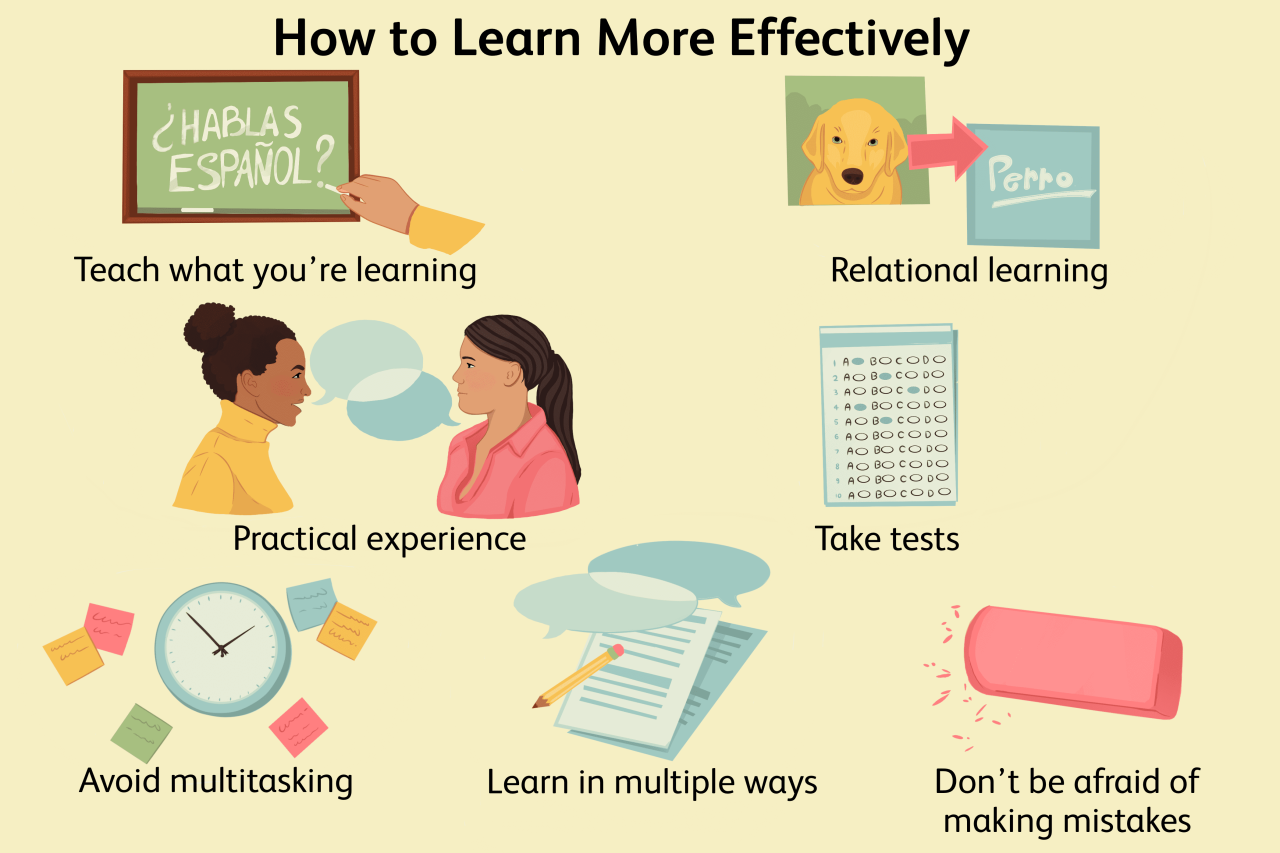
Learning Italian online doesn’t have to break the bank. A wealth of free resources exists to support your language journey, making Italian accessible to everyone. These resources offer diverse learning experiences, from structured lessons to immersive practice, all without any cost.
Video and Audio Lessons
Video and audio lessons provide dynamic and engaging ways to learn Italian. They cater to various learning styles, allowing learners to absorb information through visual and auditory channels. This multi-sensory approach often enhances comprehension and retention.
YouTube Channels for Italian Learning
YouTube is an excellent platform for accessing free Italian lessons. Numerous channels offer diverse content, from grammar explanations to pronunciation practice and cultural insights. The visual element of videos often aids in understanding complex concepts, and the availability of closed captions further enhances accessibility.Here’s a list of recommended YouTube channels for learning Italian:
- Learn Italian with ItalianPod101: Focuses on conversational Italian, with lessons covering vocabulary, grammar, and cultural aspects. Lessons are often structured around dialogues and real-life scenarios.
- ItalianPod101: Offers comprehensive Italian lessons, catering to all levels from beginner to advanced.
- Italian with Lucrezia: Provides clear grammar explanations and vocabulary lessons. Lucrezia’s teaching style is engaging, and her lessons often include practical examples.
- LearnAmo: Covers grammar, vocabulary, and cultural topics. The channel’s format is engaging and well-structured, making it ideal for beginners.
- Easy Italian: Features street interviews with native speakers, providing authentic exposure to the language and culture.
Podcasts for Beginner Italian Learners
Podcasts are another convenient way to learn Italian. They allow learners to listen to lessons on the go, making them perfect for commutes or downtime. Podcasts often feature dialogues, vocabulary explanations, and cultural insights, offering a well-rounded learning experience.Here are some examples of podcasts suitable for beginners:
- Coffee Break Italian: This podcast offers structured lessons, with clear explanations and opportunities for practice. Episodes are typically 15-20 minutes long, making them manageable for busy learners. The podcast is structured around a host and a native Italian speaker, who guide learners through the language.
- ItalianPod101: This podcast complements the YouTube channel, offering audio lessons that cover various aspects of the Italian language. The lessons are often shorter than those on YouTube, focusing on specific topics and vocabulary.
- Learn Italian with Joy of Languages: Provides clear and concise lessons focused on grammar, vocabulary, and pronunciation. The podcast’s structure includes dialogues and practice exercises.
Audio Lessons for Beginner Italian Learners
Audio lessons can be extremely effective for beginners. They focus on pronunciation, listening comprehension, and basic vocabulary. These lessons are designed to build a solid foundation in the language.Here are five examples of audio lessons for beginners:
- Lesson 1: Italian Pronunciation Basics: This lesson focuses on the Italian alphabet, vowel sounds, and consonant pronunciation. It teaches the fundamental sounds of the language, providing clear examples and practice exercises.
- Lesson 2: Greetings and Introductions: This lesson covers essential phrases for greetings, introductions, and basic conversations. Learners will practice introducing themselves and asking basic questions.
- Lesson 3: Numbers 1-20: This lesson teaches the numbers from one to twenty in Italian, including pronunciation and practice exercises. The lesson includes examples of how to use numbers in simple sentences.
- Lesson 4: Basic Vocabulary: This lesson introduces essential vocabulary related to everyday objects, food, and family members. The lesson uses repetition and context to aid memorization.
- Lesson 5: Simple Verb Conjugation (Present Tense): This lesson focuses on conjugating common verbs in the present tense. Learners will learn the basic rules of verb conjugation and practice with examples.
Basic Italian Grammar and Vocabulary for Beginners

Learning the fundamentals of Italian grammar and vocabulary is crucial for building a solid foundation in the language. This section will provide a clear and concise overview of essential grammatical concepts and introduce you to some of the most common Italian words and phrases. Understanding these basics will enable you to start constructing simple sentences and engaging in basic conversations.
Fundamentals of Italian Grammar: Articles, Nouns, and Verbs
Italian grammar, like other Romance languages, has specific rules regarding articles, nouns, and verbs. Mastering these rules is essential for constructing grammatically correct sentences.
- Articles: Italian uses definite articles ( il, lo, la, i, gli, le) and indefinite articles ( un, uno, una) to specify nouns. The article’s form changes depending on the gender and number of the noun, as well as the first letter of the word. For instance:
- Il (masculine singular before consonants): Il libro (The book)
- Lo (masculine singular before s+consonant, z, ps, gn, x, y): Lo studente (The student)
- La (feminine singular): La casa (The house)
- I (masculine plural): I libri (The books)
- Gli (masculine plural before s+consonant, z, ps, gn, x, y; also plural of lo): Gli studenti (The students)
- Le (feminine plural): Le case (The houses)
- Un (masculine singular): Un libro (A book)
- Uno (masculine singular before s+consonant, z, ps, gn, x, y): Uno studente (A student)
- Una (feminine singular): Una casa (A house)
- Nouns: Nouns in Italian have gender (masculine or feminine) and number (singular or plural). Nouns ending in -o are usually masculine ( il libro), while nouns ending in -a are usually feminine ( la casa). Plurals are typically formed by changing the final vowel: -o to -i, -a to -e. Exceptions exist, so learning the gender of each noun is essential.
- Verbs: Italian verbs are conjugated based on tense, mood, and subject pronoun. They are grouped into three conjugations (-are, -ere, -ire). Each verb conjugation follows specific patterns. Understanding these patterns is key to speaking and writing correctly. For example, the verb “parlare” (to speak) in the present tense:
- Io parlo (I speak)
- Tu parli (You speak)
- Lui/Lei/Lei parla (He/She/You (formal) speak)
- Noi parliamo (We speak)
- Voi parlate (You (plural) speak)
- Loro parlano (They speak)
Common Greetings and Basic Conversational Phrases
Knowing common greetings and basic conversational phrases will help you navigate everyday interactions in Italian. These phrases are essential for initiating and maintaining simple conversations.
- Greetings:
- Ciao (Hello/Goodbye – informal)
- Buongiorno (Good morning/Good day)
- Buonasera (Good evening/Good night)
- Arrivederci (Goodbye – formal)
- A presto (See you soon)
- Basic Phrases:
- Come stai? (How are you?
-informal) - Come sta? (How are you?
-formal) - Sto bene, grazie (I’m fine, thank you)
- E tu? / E lei? (And you?
-informal/formal) - Mi chiamo… (My name is…)
- Piacere (Nice to meet you)
- Grazie (Thank you)
- Prego (You’re welcome/Please)
- Scusa/Scusi (Excuse me/Sorry – informal/formal)
- Non capisco (I don’t understand)
- Parla inglese? (Do you speak English?)
- Come stai? (How are you?
Use of Italian Pronouns with Examples
Italian pronouns are essential for replacing nouns and making sentences more concise. They change based on the person, gender, and number of the subject. Understanding how to use these pronouns correctly is crucial for constructing clear and grammatically correct sentences.
- Subject Pronouns: These pronouns indicate who is performing the action of the verb.
- Io (I)
- Tu (You – informal)
- Lui/Lei/Lei (He/She/You – formal)
- Noi (We)
- Voi (You – plural)
- Loro (They)
- Object Pronouns: These pronouns replace the direct or indirect object of a verb.
- Direct Object Pronouns: mi, ti, lo/la, ci, vi, li/le
- Indirect Object Pronouns: mi, ti, gli/le, ci, vi, gli
- Examples:
- Io parlo italiano. (I speak Italian.)
- Tu sei gentile. (You are kind.)
- Lui legge un libro. (He reads a book.)
- Noi andiamo al cinema. (We go to the cinema.)
- Voi parlate troppo. (You talk too much.)
- Loro mangiano la pizza. (They eat pizza.)
Basic Italian Vocabulary Words
Learning basic vocabulary is essential for building a foundation in the Italian language. The following table provides a list of ten common Italian words, their English translations, and example sentences to help you understand how to use them in context.
| Italian Word | English Translation | Sample Sentence |
|---|---|---|
| Casa | House | La mia casa è grande. (My house is big.) |
| Amico/Amica | Friend (masculine/feminine) | Lui è il mio amico. (He is my friend.) / Lei è la mia amica. (She is my friend.) |
| Acqua | Water | Ho bisogno di acqua. (I need water.) |
| Libro | Book | Sto leggendo un libro interessante. (I am reading an interesting book.) |
| Mangiare | To eat | Voglio mangiare la pizza. (I want to eat pizza.) |
| Parlare | To speak | Parlo italiano. (I speak Italian.) |
| Sì | Yes | Sì, voglio andare. (Yes, I want to go.) |
| No | No | No, non voglio. (No, I don’t want to.) |
| Grazie | Thank you | Grazie per l’aiuto. (Thank you for the help.) |
| Ciao | Hello/Goodbye (informal) | Ciao, come stai? (Hello, how are you?) |
Pronunciation and Listening Comprehension

Developing accurate pronunciation and strong listening comprehension skills are crucial for fluency in Italian. Being able to correctly pronounce words allows you to be understood, while understanding spoken Italian is essential for communication. This section focuses on the Italian alphabet, pronunciation, and strategies for improving your listening skills.
The Italian Alphabet and Pronunciation
The Italian alphabet is based on the Latin alphabet but uses only 21 letters. While seemingly straightforward, certain letter combinations and sounds differ significantly from English. Mastering these differences is key to achieving authentic Italian pronunciation.The Italian alphabet consists of the following letters:
- A, B, C, D, E, F, G, H, I, L, M, N, O, P, Q, R, S, T, U, V, Z
The letters J, K, W, X, and Y are only used in words of foreign origin.Here’s a breakdown of key pronunciation rules:
- Vowels: Italian vowels are generally pronounced clearly and distinctly.
- A: Pronounced as in “father.”
- E: Pronounced as in “bed” (short) or “day” (long, depending on the context and accent).
- I: Pronounced as in “machine.”
- O: Pronounced as in “go.”
- U: Pronounced as in “moon.”
- Consonants: Many consonants have similar pronunciations to English, but there are exceptions.
- C: Before “e” or “i,” pronounced as “ch” in “cheese.” Before “a,” “o,” or “u,” pronounced as “k” in “kite.”
- G: Before “e” or “i,” pronounced as “j” in “judge.” Before “a,” “o,” or “u,” pronounced as “g” in “go.”
- H: Silent, except in the combinations “ch,” “gh,” “sh” (rare in Italian).
- S: Pronounced as “s” in “sun” at the beginning of a word or between two vowels, otherwise, generally pronounced as “z” in “zebra.”
- Z: Always pronounced as “ts” in “cats” or “dz” in “adze,” depending on the word.
- Double Consonants: Double consonants are pronounced with emphasis, holding the sound slightly longer. This can change the meaning of a word. For example, “anno” (year) vs. “ano” (anus).
- “Gli”: Pronounced as “ly” in “million.” For example, “figli” (children).
- “Gn”: Pronounced as “ny” in “canyon.” For example, “signora” (madam).
Improving Listening Comprehension Through Online Resources
Improving listening comprehension requires consistent practice and exposure to the Italian language. Numerous online resources offer diverse content to help you develop this skill.Consider these resources and strategies:
- Podcasts: Podcasts designed for Italian learners provide audio lessons, dialogues, and cultural insights. Listening regularly can familiarize you with the rhythm and intonation of spoken Italian. Podcasts such as “Coffee Break Italian” or “ItalianPod101” offer structured lessons for beginners.
- YouTube Channels: Many YouTube channels feature Italian lessons, vlogs, and interviews. Watching videos with subtitles, initially, can help you connect spoken words with their written forms. Gradually, try listening without subtitles to test your comprehension.
- Online Radio: Listening to Italian radio stations provides exposure to authentic speech and current events. Many stations stream online, allowing you to listen from anywhere.
- Language Exchange Partners: Engaging in conversations with native Italian speakers, through platforms like HelloTalk or Tandem, is invaluable. You can practice listening and speaking simultaneously, receiving immediate feedback on your pronunciation and understanding.
- Films and TV Shows: Watching Italian films and TV shows, initially with subtitles and then without, can significantly improve your listening skills. Choose content with clear audio and diverse accents. Consider films like “La Vita è Bella” or TV series like “Gomorrah” (though be aware of the strong regional accents).
The Importance of Mimicking Native Speakers
Mimicking native speakers is a powerful technique for improving pronunciation. By imitating the sounds, intonation, and rhythm of Italian speakers, you train your mouth and ears to produce and recognize the correct sounds.Here’s how to effectively mimic native speakers:
- Listen and Repeat: Choose short phrases or sentences and listen carefully to how a native speaker pronounces them. Repeat the phrases, trying to match their pronunciation as closely as possible.
- Record Yourself: Record yourself speaking the phrases and compare your pronunciation to the native speaker. Identify areas where you need to improve.
- Focus on Intonation: Pay attention to the rise and fall of the voice (intonation). Italian has a characteristic musicality; try to emulate it.
- Practice Regularly: Consistency is key. Dedicate time each day to practicing pronunciation.
- Seek Feedback: If possible, ask a native speaker for feedback on your pronunciation. They can identify specific sounds or patterns you need to work on.
Pronunciation Exercises
Consistent practice with specific exercises will improve pronunciation. Here are five exercises to incorporate into your learning routine:
- Vowel Practice: Practice pronouncing each vowel individually, paying attention to the mouth position and sound. Then, practice words containing these vowels. For example: “A” in “amore” (love), “E” in “bene” (well), “I” in “vita” (life), “O” in “sole” (sun), “U” in “uno” (one).
- Consonant Pair Practice: Focus on pairs of consonants that can be tricky, such as “c” and “g” before “e” and “i” versus before “a,” “o,” and “u.” Practice words like “cena” (dinner) and “cosa” (thing).
- Double Consonant Drill: Practice words with double consonants, such as “palla” (ball), “gatto” (cat), and “essere” (to be). Focus on holding the sound slightly longer than a single consonant.
- “Gli” and “Gn” Challenge: Practice words containing “gli” and “gn,” such as “figli” (children) and “signora” (madam). Pay attention to the specific sounds.
- Minimal Pairs: Use minimal pairs (words that differ by only one sound) to differentiate sounds. For example, practice the difference between “pala” (shovel) and “palla” (ball), or “c’è” (there is) and “ce” (us).
Effective Learning Strategies and Techniques
Learning a new language, especially Italian, requires a strategic approach to maximize efficiency and enjoyment. This section focuses on practical techniques and strategies to help beginners navigate the learning process effectively. We will explore creating a study plan, maintaining motivation, understanding the importance of consistency, and utilizing flashcards for vocabulary building.
Creating a Study Plan for Beginners
A structured study plan is crucial for successful language acquisition. It provides direction, helps track progress, and prevents feeling overwhelmed. This plan should incorporate various online resources to create a well-rounded learning experience.Here’s a sample study plan that beginners can adapt:
- Weekly Goals: Set realistic weekly goals, such as learning 10 new vocabulary words, completing two lessons on a language learning platform, or practicing pronunciation for 15 minutes each day.
- Resource Integration: Integrate different online resources for a comprehensive approach.
- Monday/Wednesday/Friday: Use a language learning platform (e.g., Duolingo, Babbel, Memrise) for structured lessons on grammar and vocabulary.
- Tuesday/Thursday: Watch short Italian videos on YouTube (e.g., Easy Italian, Learn Italian with ItalianPod101) for listening comprehension and exposure to native speakers.
- Saturday: Review flashcards created throughout the week, focusing on the most challenging words and phrases.
- Sunday: Dedicate time to a review session. Revisit lessons and vocabulary learned during the week, and try to use the new words and phrases in simple sentences.
- Time Allocation: Allocate specific time slots for studying each day. Consistency is key; even short, regular sessions are more effective than infrequent, long ones. Aim for at least 30 minutes of study per day.
- Flexibility: Be flexible and adjust the plan as needed. If a particular resource or activity isn’t working, don’t hesitate to switch to something else.
- Regular Assessment: Regularly assess your progress. Test yourself on vocabulary and grammar, and track your improvement in listening and speaking.
Tips for Staying Motivated While Learning Italian
Maintaining motivation is essential for long-term language learning success. Here are some strategies to keep your enthusiasm high.
- Set Realistic Goals: Break down your learning into smaller, achievable goals. This makes the process feel less daunting and provides a sense of accomplishment as you progress. For example, instead of aiming to “learn Italian,” set goals like “learn greetings and introductions” or “understand basic verb conjugations.”
- Find a Learning Buddy: Partnering with another learner can provide support, accountability, and a sense of community. You can practice speaking together, share resources, and motivate each other.
- Immerse Yourself in the Language: Surround yourself with Italian as much as possible. Listen to Italian music, watch Italian movies and TV shows (even with subtitles at first), and read Italian articles or blogs.
- Celebrate Your Successes: Acknowledge and celebrate your achievements, no matter how small. Reward yourself for reaching milestones, such as completing a course module or understanding a complex grammar concept.
- Focus on Your “Why”: Remind yourself why you want to learn Italian. Is it for travel, to connect with your heritage, or for professional reasons? Keeping your goals in mind will help you stay focused and motivated.
- Embrace Mistakes: Mistakes are a natural part of the learning process. Don’t be afraid to make them; they are opportunities for growth.
The Importance of Consistency in Language Learning
Consistency is a fundamental principle in language acquisition. Regular exposure to the language, even in small doses, is more effective than sporadic, intensive study sessions.Here’s why consistency matters:
- Reinforcement of Knowledge: Regular study reinforces what you’ve learned, helping to move information from short-term to long-term memory.
- Habit Formation: Consistent study transforms language learning into a habit, making it easier to integrate into your daily routine.
- Gradual Progress: Consistency allows for gradual but steady progress. Over time, small gains accumulate, leading to significant improvements in your language skills.
- Reduced Frustration: Regular practice reduces the feeling of having to “start over” each time you return to studying. This minimizes frustration and keeps you engaged.
- Improved Retention: Consistent use of the language, even in simple ways, helps you retain vocabulary and grammar rules more effectively.
Steps for Creating Flashcards
Flashcards are a powerful tool for memorizing vocabulary and reinforcing grammar concepts. Here are the steps for creating effective flashcards.
- Choose Your Format: Decide whether to use physical flashcards (index cards) or digital flashcards (e.g., Anki, Quizlet). Digital flashcards offer features like spaced repetition and audio pronunciations.
- Write the Italian Word or Phrase: On the front of the card, write the Italian word or phrase you want to learn.
- Include the English Translation: On the back of the card, write the English translation.
- Add Context (Optional but Recommended): Include a short sentence or phrase that uses the Italian word. This helps you understand the word’s meaning in context.
- Include Pronunciation (Optional): For difficult words, write out the pronunciation phonetically, or use the International Phonetic Alphabet (IPA).
- Use Images (Optional): For visual learners, adding a picture can aid memorization.
- Review Regularly: Review your flashcards regularly, using spaced repetition to maximize retention.
Integrating Italian into Daily Life
Incorporating Italian into your everyday routine is a powerful method for accelerating your language learning journey. By immersing yourself in the language through various activities, you’ll enhance your comprehension, build vocabulary, and improve your fluency in a more natural and engaging way. This section will explore practical strategies to seamlessly integrate Italian into your daily life.
Finding Italian Language Partners Online
Connecting with native Italian speakers or fellow learners online provides invaluable opportunities for practice and cultural exchange. Platforms designed for language exchange offer various avenues for interaction.
- Language Exchange Websites: Websites such as HelloTalk and Tandem connect you with native speakers for language exchange. You can practice speaking, writing, and receive feedback on your Italian skills. These platforms often have features like text and voice messaging, allowing you to communicate in real-time.
- Online Forums and Communities: Websites and forums dedicated to Italian language learners and Italian culture, such as Reddit’s r/ItalianLearning or the Italian Language Learners Facebook group, offer spaces to ask questions, share resources, and find language partners.
- Virtual Language Exchange Programs: Consider enrolling in structured language exchange programs, some of which pair you with a partner for regular conversations. These programs often provide guided activities and conversation prompts to help you get started.
- Video Chat Platforms: Utilize platforms like Skype or Zoom for one-on-one or group conversations. Schedule regular meetings with your language partner to maintain consistency.
Using Italian Music and Movies to Enhance Learning
Music and movies are effective tools for improving listening comprehension, pronunciation, and cultural understanding. They provide a fun and engaging way to immerse yourself in the language.
- Music: Start with simple Italian songs with clear lyrics. Many websites provide lyrics alongside translations. Listen repeatedly to familiar songs to identify words and phrases.
- Movies and TV Shows: Begin with movies and shows with subtitles in both Italian and your native language. As your comprehension improves, switch to Italian subtitles only. Consider watching Italian shows dubbed into your native language initially to familiarize yourself with the plot before watching them in Italian.
- Podcasts and Radio: Podcasts and radio programs offer a diverse range of topics and accents. Listen to programs aimed at language learners for structured lessons or explore general interest programs for authentic content.
- Documentaries: Documentaries, especially those about Italian culture, history, or food, can provide valuable context and expand your vocabulary related to specific subjects.
Changing Language Settings on Your Phone and Social Media
Changing the language settings on your phone and social media platforms is a subtle but effective way to integrate Italian into your daily life. This practice reinforces your learning by exposing you to the language in everyday contexts.
- Phone Settings: Switch your phone’s interface to Italian. This includes menus, apps, and notifications. You’ll encounter common vocabulary related to technology and daily tasks.
- Social Media: Change the language settings on your social media accounts to Italian. You’ll see Italian words in your feed, notifications, and user interfaces.
- Benefits: This immersion approach helps you learn vocabulary related to technology, social media, and everyday interactions, which is very helpful in daily life.
Scenario: Simple Conversation in Italian
Here’s a brief example of a conversation, demonstrating a simple interaction.
Person A: “Ciao! Come stai?” (Hello! How are you?)
Person B: “Ciao! Sto bene, grazie. E tu?” (Hello! I’m fine, thank you. And you?)
Person A: “Anch’io sto bene. Oggi fa bel tempo, vero?” (I’m fine too. The weather is nice today, right?)
Person B: “Sì, è una bella giornata!” (Yes, it’s a beautiful day!)
Common Challenges and How to Overcome Them

Learning Italian, like any new language, presents its own set of hurdles. Beginners often stumble upon common pitfalls that can be frustrating. Understanding these challenges and adopting effective strategies to navigate them is crucial for sustained progress and eventual fluency. This section will delve into some of the most frequent difficulties encountered and offer practical solutions to help learners stay on track.
Common Mistakes Beginners Make
Beginners often make predictable errors stemming from differences between Italian and their native language. Recognizing these mistakes is the first step toward avoiding them.
- Incorrect Word Order: Italian, like English, generally follows a Subject-Verb-Object (SVO) structure, but it allows for more flexibility. Beginners often struggle with placing adjectives before or after nouns and with pronoun placement. For example, confusing “Io ho un libro bello” (I have a beautiful book) with “Io ho bello un libro” is a common error.
- Misunderstanding Verb Conjugation: Italian verbs are highly conjugated, changing form based on tense, mood, and subject. Memorizing all the conjugations can be overwhelming. The use of incorrect verb tenses, especially in the past tenses (passato prossimo, imperfetto), is a prevalent mistake. For instance, using the passato prossimo (a completed action) when the imperfetto (a continuous action) is needed, or vice versa.
- Difficulty with Gendered Nouns: Italian nouns are either masculine or feminine, influencing the articles and adjectives that modify them. This can be challenging for learners whose native languages don’t have grammatical genders. Using the wrong article (“il” instead of “la,” or vice versa) is a frequent error. For example, saying “il casa” (masculine) instead of “la casa” (feminine).
Strategies for Dealing with the Fear of Making Mistakes
The fear of making mistakes can be a significant barrier to language acquisition. It prevents learners from practicing, which is essential for fluency. Overcoming this fear requires a shift in mindset and adopting strategies that promote a more positive learning environment.
- Embrace Mistakes as Learning Opportunities: View errors not as failures, but as stepping stones to improvement. Every mistake provides valuable feedback, indicating areas that need more attention.
- Focus on Communication, Not Perfection: The primary goal should be to communicate effectively, even if it’s not perfectly grammatically correct. Native speakers will often understand the intent even with errors.
- Practice in a Low-Pressure Environment: Start by practicing with friends, language partners, or in online forums where the focus is on learning and support. Avoid situations where you feel pressured to perform perfectly.
- Record Yourself Speaking: This allows you to identify your own mistakes and track your progress without the pressure of an immediate audience.
Overcoming Plateaus in Language Learning
Plateaus are inevitable in language learning. They represent periods where progress seems to stall. It’s important to recognize that these are a normal part of the process and to adopt strategies to break through them.
- Vary Your Learning Methods: If your current approach isn’t working, try something different. Experiment with new resources, activities, and learning styles. This could involve changing the type of materials you are using, such as switching from textbook exercises to watching Italian films or listening to podcasts.
- Focus on Specific Areas: Identify the areas where you are struggling and dedicate more time to them. For example, if you’re having trouble with verb tenses, focus on studying and practicing those.
- Set Realistic Goals: Avoid setting overly ambitious goals that can lead to discouragement. Break down larger goals into smaller, more manageable steps.
- Seek Feedback from Others: Ask a teacher, tutor, or native speaker to review your work and provide constructive criticism. This can help identify areas for improvement that you might not be aware of.
- Immerse Yourself: Increase your exposure to the language. Watch Italian movies and TV shows, listen to Italian music, and read Italian books or articles. This immersion helps to improve comprehension and fluency. Consider traveling to Italy, or to an area with a large Italian-speaking population, to fully immerse yourself.
Challenge 1: Pronunciation Difficulties and Solutions
Italian pronunciation, while generally phonetic, presents challenges for learners from certain language backgrounds. The consistent vowel sounds and specific consonant combinations can be tricky.
- Challenge: Difficulty with the “r” sound (a trilled “r”), the “c” and “g” sounds before certain vowels, and the distinction between single and double consonants.
- Solution:
- Practice Regularly: Dedicate time to practicing pronunciation daily. Use online resources that provide audio examples and allow you to record yourself.
- Focus on Phonetics: Study the International Phonetic Alphabet (IPA) to understand the precise sounds of Italian.
- Mimic Native Speakers: Listen to native speakers and try to imitate their pronunciation. Pay close attention to the mouth movements and sounds.
- Utilize Online Resources: Websites and apps that focus on pronunciation, like Forvo, provide audio pronunciations of words by native speakers.
Challenge 2: Mastering Verb Conjugation and Solutions
Italian verb conjugation is complex, with numerous tenses and moods. The sheer volume of forms can be overwhelming for beginners.
- Challenge: Memorizing the conjugation of regular and irregular verbs, and understanding the correct tense usage.
- Solution:
- Start with the Basics: Focus on the present tense of the most common verbs first (e.g., essere, avere, fare, andare).
- Use Conjugation Charts: Create or find conjugation charts for regular and irregular verbs. These charts visually represent the different forms of a verb.
- Practice Regularly: Use verb conjugation exercises and practice writing sentences using different tenses.
- Focus on Context: Learn the rules of when to use different tenses. For example, the passato prossimo is used for completed actions, while the imperfetto is used for ongoing actions in the past.
- Utilize Online Tools: Online verb conjugators can help you quickly look up the forms of any verb.
Challenge 3: Expanding Vocabulary and Solutions
Building a robust vocabulary is crucial for effective communication. Beginners often struggle with memorizing and retaining new words.
- Challenge: Difficulty memorizing new vocabulary, and remembering words in context.
- Solution:
- Learn Vocabulary in Context: Instead of memorizing lists of isolated words, learn them in sentences and phrases.
- Use Flashcards: Create flashcards with the Italian word on one side and the English translation (and a sentence example) on the other.
- Practice Spaced Repetition: Use spaced repetition software (SRS) like Anki to review vocabulary at increasing intervals. This method helps to improve long-term retention.
- Read Extensively: Read books, articles, and other materials in Italian to encounter new words in context.
- Keep a Vocabulary Notebook: Write down new words and phrases, along with their definitions and example sentences.
- Use Mnemonics: Create associations and visual aids to help you remember new words.
Staying Motivated and Tracking Progress

Maintaining motivation and tracking progress are crucial for successfully learning Italian online. The journey of language acquisition can be long, and without these elements, it’s easy to lose momentum. This section will provide strategies for setting achievable goals, methods for monitoring progress, and emphasize the importance of finding enjoyment in the learning process.
Setting Realistic Goals
Setting realistic goals is paramount for sustained motivation. Unrealistic expectations can lead to discouragement when progress doesn’t match the initial plan. It is essential to break down the overall objective of learning Italian into smaller, more manageable steps.Consider using the SMART framework:* Specific: Instead of “learn Italian,” aim for “learn how to introduce myself and ask basic questions.”
Measurable
Track the number of new words learned per week or the number of lessons completed.
Achievable
Start with a few hours of study per week, rather than aiming for an unrealistic daily schedule.
Relevant
Focus on learning vocabulary and grammar that aligns with your personal interests or needs (e.g., travel, business).
Time-bound
Set deadlines for achieving your goals (e.g., complete a beginner’s course in three months).For example, if your goal is to be able to order food in Italian, break it down into these steps:
- Learn the vocabulary for common food items (e.g., pasta, pizza, gelato).
- Learn basic phrases for ordering (e.g., “Vorrei…”,”Un… per favore.”).
- Practice ordering food with a language partner or online resource.
- Test yourself by ordering food at an Italian restaurant or online.
Tracking Progress and Celebrating Achievements
Tracking progress helps visualize your accomplishments and provides a sense of satisfaction. It also identifies areas where you might need to focus more attention. Various methods can be employed for this purpose.* Keep a Learning Journal: Document the new words and phrases you learn, along with notes on grammar and pronunciation. Reviewing your journal regularly reinforces your learning and helps you see how far you’ve come.
Use a Progress Tracker
Utilize online language learning platforms or apps that offer progress tracking features. These platforms often show your learning history, the number of lessons completed, and the time spent studying.
Regular Self-Assessments
Take quizzes or tests at regular intervals to evaluate your understanding. Many online resources offer self-assessment tools.
Record Yourself Speaking
Record yourself speaking Italian at the beginning of your learning journey and periodically throughout. Comparing these recordings allows you to hear your improvement in pronunciation and fluency.
Celebrate Milestones
Acknowledge and celebrate your achievements to maintain motivation.
Finding Joy in the Learning Process
Learning a language should be an enjoyable experience. If you find the process tedious or boring, you are less likely to stick with it. Integrate activities that you genuinely enjoy into your study routine.* Choose Engaging Resources: Select learning materials that align with your interests. If you love cooking, watch Italian cooking shows. If you enjoy music, listen to Italian songs.
Find a Language Partner
Practicing with a native speaker or fellow learner can make learning more fun and provide valuable feedback.
Immerse Yourself
Surround yourself with the Italian language as much as possible. Change the language settings on your phone and social media to Italian.
Make it a Habit
Schedule regular study sessions and treat them as non-negotiable appointments. Consistency is key to progress.
Don’t Be Afraid to Make Mistakes
Mistakes are a natural part of the learning process. Embrace them as opportunities to learn and improve.
Ways to Celebrate Milestones
Celebrating milestones is crucial for maintaining motivation and recognizing your achievements. Here are five ways to celebrate your progress:* Treat Yourself: Reward yourself with something you enjoy, such as a special meal at an Italian restaurant, a new book in Italian, or a fun activity.
Share Your Success
Tell friends and family about your progress. Sharing your achievements can boost your confidence and provide encouragement.
Watch an Italian Movie or TV Show
After completing a certain number of lessons or reaching a specific vocabulary goal, reward yourself by watching an Italian film or TV show with subtitles. This is a fun way to practice your listening comprehension.
Plan a Virtual or Real-Life Italian-Themed Activity
Organize a virtual Italian dinner with friends where you only speak Italian or plan a trip to an Italian restaurant to celebrate.
Update Your Learning Goals
After achieving a milestone, set new, slightly more challenging goals. This keeps you motivated and moving forward.
Beyond the Basics: Next Steps
Congratulations on completing the beginner phase of your Italian learning journey! You’ve laid a solid foundation. Now, it’s time to build upon that foundation and advance to an intermediate level. This stage involves expanding your vocabulary, deepening your understanding of grammar, and improving your conversational skills. This section will guide you through the transition and provide resources to support your continued progress.
Transitioning to Intermediate
Moving from beginner to intermediate involves a shift in focus. Instead of memorizing basic phrases, you’ll start to use the language more actively. This means constructing your own sentences, understanding more complex grammar, and engaging in longer conversations. The key is consistent practice and a willingness to push beyond your comfort zone. Don’t be afraid to make mistakes; they are a natural part of the learning process.
Recommended Online Resources and Courses
There are numerous online resources to aid your progression. Here are some suggestions, categorized for clarity:
- Online Courses: Platforms like Coursera, edX, and FutureLearn offer intermediate Italian courses taught by universities and language institutions. These often include graded assignments and interaction with instructors and fellow learners. For example, a course from the University of California, Irvine, focuses on Italian grammar and conversation for intermediate learners.
- Language Learning Apps: Apps such as Duolingo, Memrise, and Babbel offer intermediate-level content. These platforms often use gamification to keep you engaged, with lessons that progressively increase in difficulty.
- Websites and Podcasts: Websites like ItalianPod101 and Coffee Break Italian provide lessons and podcasts specifically designed for intermediate learners. These resources offer a variety of content, including dialogues, grammar explanations, and cultural insights.
- Online Tutors: Consider hiring an online tutor through platforms like italki or Verbling. A tutor can provide personalized feedback and help you address your specific learning needs. This is particularly beneficial for practicing conversational skills.
Benefits of Traveling to Italy
Immersing yourself in the Italian language and culture is invaluable for language acquisition. Traveling to Italy provides opportunities for authentic interactions, exposure to regional dialects, and a deeper understanding of Italian life.
- Immersive Experience: Being surrounded by the language forces you to use it constantly. You’ll hear Italian spoken in everyday situations, from ordering food to navigating public transportation. This constant exposure accelerates your learning.
- Cultural Immersion: Traveling allows you to experience Italian culture firsthand. You’ll gain a better understanding of Italian customs, traditions, and social norms, which enriches your language learning.
- Practice Opportunities: Every interaction, from asking for directions to bargaining at a market, provides a chance to practice your Italian. Italians are generally welcoming and patient with learners, making it easier to overcome the fear of making mistakes.
- Enhanced Motivation: Seeing the practical application of your language skills can significantly boost your motivation. The ability to communicate with locals, read signs, and understand menus will give you a sense of accomplishment and encourage you to continue learning.
Intermediate Learning Topics
To solidify your intermediate skills, focus on these areas:
- Advanced Grammar: Master the subjunctive mood, conditional tenses, and complex sentence structures. Understanding these grammatical concepts allows you to express more nuanced ideas and participate in more sophisticated conversations. For example, learning the subjunctive is crucial for expressing opinions, doubts, and wishes.
Vorrei che tu venissi con me. (I would like you to come with me.)
- Expanded Vocabulary: Increase your vocabulary by focusing on specific topics, such as current events, business, or literature. Read Italian newspapers, magazines, and books to encounter new words in context. Create flashcards or use vocabulary-building apps to memorize new words and phrases. Learning vocabulary related to your interests will make the learning process more enjoyable and effective.
- Conversational Fluency: Practice speaking Italian regularly. Engage in conversations with native speakers, either online or in person. Focus on improving your pronunciation, intonation, and fluency. Watch Italian movies and TV shows with subtitles to improve your listening comprehension. Consider joining a language exchange group or participating in online conversation practice sessions.
Final Review
In conclusion, learning Italian online for free is an achievable goal, provided you have the right resources and a dedicated approach. By utilizing the wealth of free platforms, engaging with native speakers, and consistently practicing, you can build a solid foundation in the language. Remember to embrace the process, celebrate your achievements, and find joy in the journey of learning.
With persistence and the strategies Artikeld in this guide, you’ll be well on your way to speaking Italian with confidence and fluency.