Learning English online for free with apps offers a flexible and accessible way to acquire language skills from the comfort of your home. With the increasing availability of innovative mobile applications, learners can now harness powerful tools to enhance their reading, writing, listening, and speaking abilities without financial barriers.
This guide explores the most effective free apps, provides tips on selecting suitable tools based on individual learning preferences, and offers practical strategies to integrate these resources into daily routines. By leveraging technology, learners can achieve their language goals efficiently and enjoyably.
Overview of Learning English Online for Free
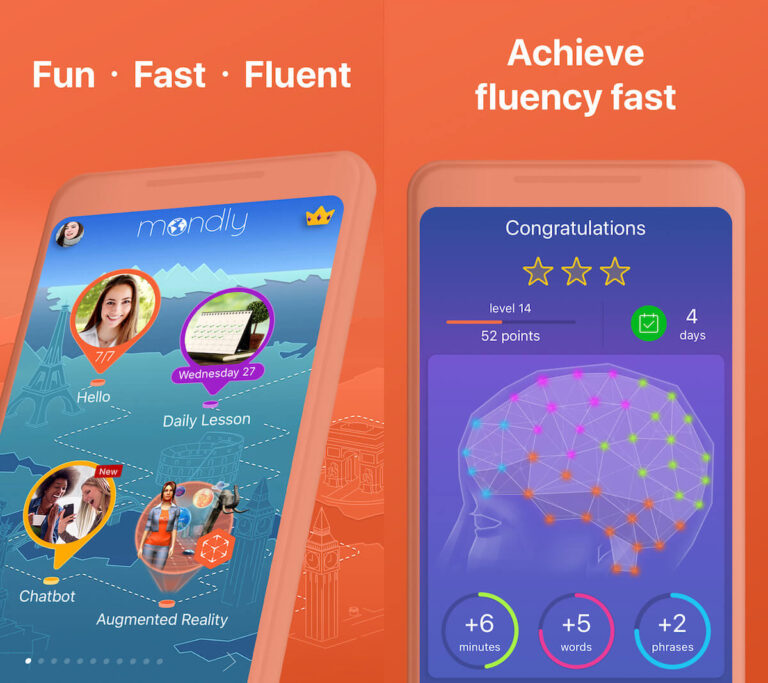
In the contemporary digital era, acquiring English language skills through online platforms has become increasingly accessible and convenient. Free online apps provide a flexible learning environment that accommodates diverse learning styles and schedules, making language acquisition more attainable for a global audience. This approach democratizes education, allowing learners from different backgrounds to improve their English proficiency without financial barriers.
Engaging with free online English learning apps offers numerous advantages, including immediate access to resources, interactive content, and the ability to learn at one’s own pace. These platforms often incorporate gamification, real-time feedback, and multimedia tools that enhance engagement and retention. As a result, learners can develop vocabulary, grammar, speaking, listening, reading, and writing skills in a comprehensive manner.
Key Features to Look for in Effective Free Language Apps
Choosing the right app is crucial for a successful learning experience. Effective free language apps typically possess several key features that facilitate comprehensive and engaging learning:
- Interactive Lessons: Engaging activities like quizzes, pronunciation practice, and conversation simulations help reinforce learning.
- Progress Tracking: Tools that monitor your improvement motivate continued effort and help identify areas needing improvement.
- Variety of Content: A broad spectrum of resources, including vocabulary builders, grammar exercises, listening practice, and reading comprehension, ensures balanced language development.
- Real-life Practice Opportunities: Features such as chatbots or community forums enable practical application of language skills in conversational contexts.
- User-Friendly Interface: An intuitive and accessible design makes navigation easy, especially for beginners or technologically inexperienced users.
- Offline Accessibility: The ability to download lessons or content for offline study allows continuous learning without constant internet dependence.
Advantages of Online Learning Versus Traditional Classroom Methods
Online learning platforms deliver unique benefits compared to conventional classroom settings, making language acquisition more adaptable to individual needs and circumstances:
- Flexibility: Learners can access materials anytime and anywhere, fitting study sessions into their personal schedules, which is particularly advantageous for working professionals or students with busy routines.
- Cost-Effectiveness: Free apps eliminate the need for tuition fees or commuting expenses, making language learning more affordable for a broader audience.
- Personalized Pace: Self-directed learning enables individuals to spend more time on challenging topics and skip ahead when ready, fostering a customized learning journey.
- Diverse Resources: Online platforms integrate multimedia content, such as videos, audio clips, and interactive exercises, enriching the learning experience beyond traditional textbooks and classrooms.
- Immediate Feedback and Adaptability: Many apps provide instant correction and suggestions, allowing learners to adjust their approach promptly, which is more challenging in large classroom settings.
While traditional classroom environments offer valuable social interaction and structured guidance, online platforms excel in providing accessible, flexible, and diverse learning opportunities. The combination of these benefits makes online learning an effective complement or alternative for those seeking to learn English without financial or geographical constraints.
How to Choose the Right App for Your Learning Style
Selecting the appropriate language learning app tailored to your unique learning preferences enhances your efficiency and motivation. With numerous options available, understanding your personal learning style and evaluating app features can significantly improve your progress in learning English online for free.
Matching your preferred learning approach with the functionalities of a language app ensures that your study sessions are engaging and effective. This involves assessing usability, content quality, and interaction levels to find a tool that complements your goals and habits.
Understanding Different Learning Preferences and Matching Them with Suitable Apps
Every learner has distinct preferences that influence how they absorb new information. Recognizing whether you are a visual, auditory, reading/writing, or kinesthetic learner can guide you in choosing an app that aligns with your style.
- Visual Learners: Benefit from apps offering rich visual content such as infographics, videos, and illustrated vocabulary cards. These learners grasp concepts more effectively when information is presented visually.
- Auditory Learners: Prefer listening and speaking activities. Apps featuring pronunciation exercises, speaking practice, and audio lessons cater well to these learners.
- Reading/Writing Learners: Thrive on reading texts and writing exercises. Apps providing extensive reading materials, quizzes, and opportunities for writing practice support their learning style.
- Kinesthetic Learners: Learn best through interactive activities and hands-on tasks. Apps that include gamified lessons, drag-and-drop exercises, and real-world simulations align with kinesthetic preferences.
Matching your learning style with an app’s features ensures a more tailored and engaging experience, leading to better retention and motivation throughout your language journey.
Procedures to Evaluate App Usability, Content Quality, and Interaction Levels
Choosing an effective app requires a systematic approach to assess its usability, content quality, and level of interaction. These aspects directly influence your learning efficiency and overall satisfaction.
- Assess Usability: Test the app’s user interface for ease of navigation, clarity of instructions, and accessibility features. A well-designed app should allow you to focus on learning rather than figuring out how to use it.
- Evaluate Content Quality: Review the accuracy, relevance, and comprehensiveness of the material. High-quality content is regularly updated, aligns with recognized language standards, and offers a variety of exercises covering vocabulary, grammar, and practical usage.
- Analyze Interaction Levels: Determine how much active engagement the app encourages. Interactive features such as quizzes, speech recognition, and real-time feedback significantly enhance learning outcomes.
- Test Compatibility and Performance: Ensure the app functions smoothly across your device, with minimal bugs or delays, to prevent frustration during use.
Additionally, exploring reviews and user feedback can provide insights into the app’s reliability and effectiveness, helping you make an informed decision.
Tips for Setting Realistic Language Learning Goals with Free Apps
Establishing achievable objectives is crucial for maintaining motivation and tracking progress effectively. When utilizing free apps, clarity and practicality in goal-setting ensure a sustainable learning path.
- Define Specific Objectives: Focus on concrete skills, such as mastering 50 new vocabulary words weekly or practicing pronunciation for 15 minutes daily.
- Align Goals with App Features: Use the app’s capabilities to support your objectives. For instance, if your goal is to improve listening skills, choose apps with extensive audio exercises and podcasts.
- Set Measurable Milestones: Break down larger goals into smaller, measurable steps to monitor progress effectively and stay motivated.
- Be Realistic and Flexible: Recognize your available time and current proficiency level. If starting from scratch, avoid setting overly ambitious targets that could lead to frustration. Adjust goals as you progress.
- Schedule Regular Review Sessions: Allocate consistent time slots for using the app and reviewing your achievements, fostering discipline and continuous improvement.
Remember, consistency and patience are key to language mastery. Using free apps as part of a structured plan, with well-set objectives, maximizes your learning potential without overwhelming yourself.
Effective Methods and Strategies Using Free Apps
Integrating multiple free apps into a structured daily routine can significantly enhance your English language skills. By combining different tools tailored to reading, writing, listening, and speaking, learners can create a balanced and engaging learning environment. This approach maximizes the strengths of each app, making language acquisition both efficient and enjoyable.
Implementing these strategies involves careful planning and consistency. It is essential to designate specific times and activities for each app, ensuring a well-rounded practice schedule. Employing diverse exercises and activities within these apps allows learners to develop comprehensive language competencies over time. The following guide provides practical steps to incorporate multiple free apps into your daily routine effectively.
Step-by-Step Guide to Integrate Multiple Apps into Daily Learning
- Identify your learning goals and select apps that target specific skills—such as Duolingo for vocabulary, HelloEnglish for grammar, and LingQ for reading.
- Create a daily schedule allocating dedicated time slots for each app, aiming for at least 30-60 minutes total divided into manageable segments.
- Begin with a warm-up activity, such as a vocabulary quiz on Quizlet or a quick grammar exercise on British Council.
- Alternate between different skill-focused activities throughout the day to maintain engagement and reinforce learning:
- Use reading apps like LingQ or Readlang for daily reading practice.
- Enhance listening skills with podcasts or listening exercises in apps like Listening Practice or BBC Learning English.
- Practice speaking using speech recognition features in Duolingo or HelloTalk for real-time feedback.
- Improve writing through prompts and exercises available on apps like Write & Improve or Tandem.
- Conclude each session with review activities, revisiting challenging areas and reinforcing your progress.
- Track your progress using app-inbuilt progress bars or journals, adjusting your routine based on emerging needs and achievements.
Specific Exercises and Activities within Apps for Skill Enhancement
Each language skill requires targeted exercises that can be effectively performed with free apps. Incorporating these activities into your routine helps develop a well-rounded proficiency in English.
- Reading Skills: Use apps like LingQ or Readlang to explore a variety of texts, from news articles to short stories. Engage with annotations and vocabulary highlights to deepen understanding. Set daily reading goals, such as 15 minutes per session, to build consistency.
- Writing Skills: Practice composing sentences or paragraphs through prompts and receive instant feedback on apps like Write & Improve. Participate in language exchange platforms like Tandem to write messages or essays, which helps develop coherence and vocabulary.
- Listening Skills: Regularly listen to podcasts, dialogues, or news segments in apps such as BBC Learning English or Listening Practice. Focus on understanding context and main ideas, gradually increasing difficulty to include idiomatic expressions and complex sentences.
- Speaking Skills: Utilize speech recognition features in Duolingo or HelloEnglish to emulate conversational practice. Record and listen to your responses, compare pronunciation, and seek feedback from native speakers on language exchange apps like HelloTalk or Tandem.
Weekly Learning Plan with Example Tasks and App Recommendations
Structured weekly planning ensures comprehensive development across all language skills while maintaining motivation. Below is an example schedule highlighting daily tasks and suitable free app choices.
| Day | Activities | Apps | Example Tasks |
|---|---|---|---|
| Monday | Vocabulary and Reading Practice | Quizlet, LingQ | Complete 10 vocabulary flashcards; Read a short article and highlight new words |
| Tuesday | Listening and Speaking | BBC Learning English, HelloTalk | Listen to a podcast episode; Record a 2-minute speech on a given topic |
| Wednesday | Grammar and Writing | British Council, Write & Improve | Complete 5 grammar exercises; Write a paragraph about your weekend |
| Thursday | Interactive Practice and Conversation | Duolingo, Tandem | Finish 3 Duolingo lessons; Have a text or voice chat with a language partner |
| Friday | Review and Self-assessment | All previous apps | Review missed questions; Reflect on progress and set goals for next week |
| Saturday & Sunday | Optional Enrichment | Any preferred app based on interest | Watch a movie in English with subtitles; Participate in online language communities |
Adopting such a structured plan, with consistent app use and varied activities, facilitates gradual yet steady improvement in all aspects of English language proficiency. Regular evaluation and adjustment of tasks ensure that learning remains aligned with personal goals and progress.
Engaging with Language Practice and Community Features
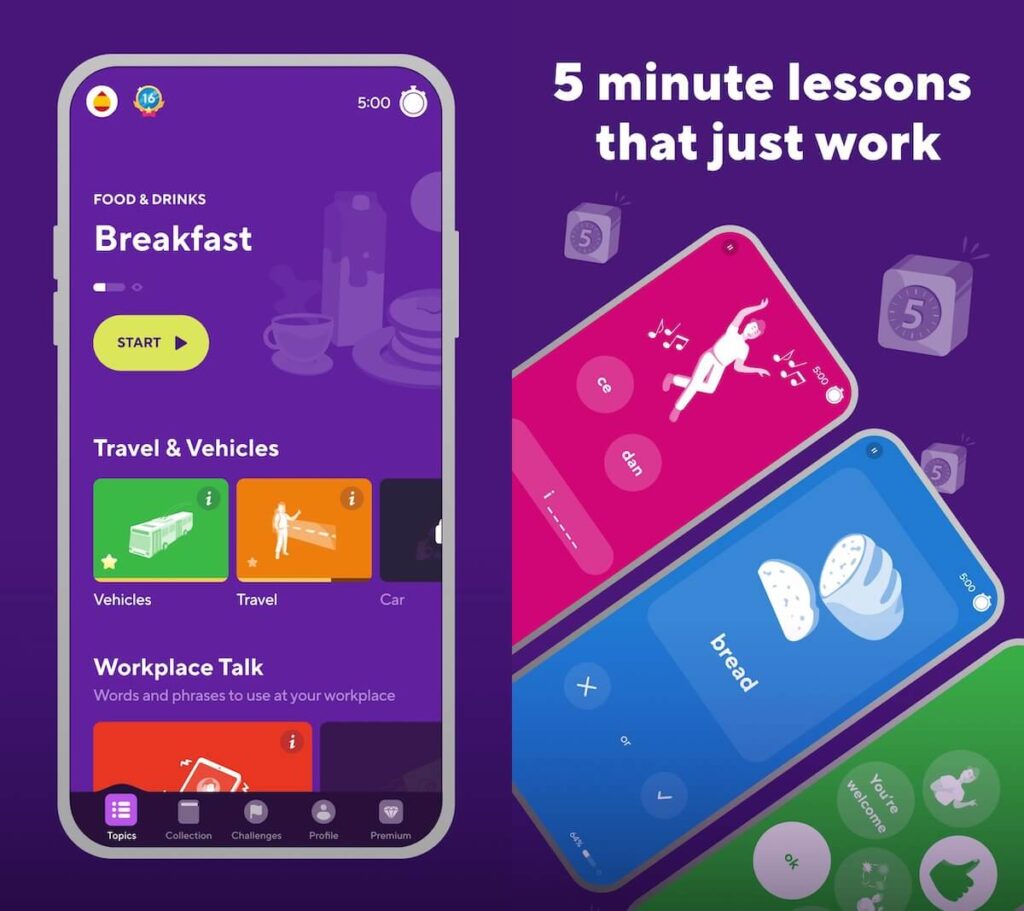
Active engagement in speaking and listening practices is essential for developing fluency and comprehension skills in English. Leveraging the interactive features within language learning apps can significantly enhance your overall proficiency. Additionally, participating in community forums and peer interactions fosters motivation, cultural exchange, and practical language use, making the learning journey more dynamic and effective.
Many free apps incorporate community-oriented features such as discussion boards, language exchange partners, and group challenges. These tools provide invaluable opportunities for real-world practice, immediate feedback, and cultural immersion. By integrating these features into your routine, you can transition from passive learning to active communication, which is crucial for mastering conversational English and understanding different accents and dialects.
Utilizing Speaking and Listening Practice Features
Speaking and listening exercises are core components of most language apps and are vital for developing conversational competence. These features often include voice recognition technology, pronunciation feedback, and interactive dialogues that simulate real-life conversations. Regularly engaging with these tools helps improve pronunciation, intonation, and listening comprehension, which are fundamental for natural communication.
To maximize these features, set specific, measurable goals such as practicing daily for 10-15 minutes or completing a certain number of speaking exercises each week. Use the voice recognition feedback to identify areas for improvement and gradually increase the difficulty level of dialogues to challenge your skills. Listening modules, such as audio stories or dialogues, should be approached with active listening techniques—note key vocabulary, imitate intonation, and pause to reflect on content to deepen understanding.
Engaging with Community Forums and Language Exchange Features
Community forums and language exchange platforms embedded within apps are excellent for practicing informal language use and expanding your vocabulary. These features enable learners to connect with native speakers and fellow learners, facilitating immersive practice that mirrors real-life interactions. Engaging actively in these communities can also provide cultural insights, idiomatic expressions, and contextual usage that are often missing from traditional learning methods.
To utilize these features effectively, participate in discussion threads related to topics of interest, ask questions, or share your experiences. Many apps offer language exchange pairing, where you can converse with native speakers via text, voice, or video calls. Establish a regular schedule—perhaps weekly exchanges—to ensure consistent practice. When interacting, focus on active listening, asking clarifying questions, and providing feedback.
This reciprocal approach builds confidence and enhances both receptive and productive language skills.
Structured Approach to Practicing Conversational Skills
A disciplined, structured method ensures that engagement with community features and practice exercises yields tangible progress. Begin by setting specific goals, such as participating in a weekly discussion forum or conducting two language exchange sessions per week. Prepare by reviewing relevant vocabulary and phrases beforehand to maximize your participation.
During practice sessions, adopt a reflective attitude—note areas where you stumble, such as pronunciation, vocabulary gaps, or difficulty understanding accents. Use app tools to record your speech for later review, comparing your pronunciation to native speakers. Incorporate feedback from community members or language partners to correct mistakes and refine your skills. Over time, diversify your practice by engaging with different types of content—such as casual conversations, formal discussions, or technical topics—to become versatile in various contexts.
By following a consistent, goal-oriented approach, learners can accelerate their conversational competence, gain confidence, and enjoy a more interactive and rewarding language learning experience through online app features.
Tracking Progress and Staying Motivated
![9 Best Apps to Learn English Online for Free [2021]](https://teknoline.web.id/wp-content/uploads/2025/09/BBC-Learning-English.jpg "9 Best Apps to Learn English Online for Free [2021]")
Maintaining consistent momentum while learning English online requires effective methods for monitoring progress and sustaining motivation. When learners can see tangible improvements and feel encouraged, their confidence and persistence naturally increase. Incorporating structured tracking and motivational strategies into your learning routine ensures steady advancement and a positive attitude throughout your language journey.Tracking your progress involves regularly assessing your skills and setting achievable milestones.
This not only provides a clear picture of your development but also helps identify areas needing additional focus. Staying motivated often hinges on engaging with app features that reward effort, such as badges or progress charts, and participating in challenges that offer a sense of achievement and community support.
Methods for Monitoring Improvement and Setting Milestones
Effective language learning requires consistent evaluation and goal-setting to measure growth and maintain focus. The following methods facilitate tracking and milestone creation:
- Utilize App Progress Analytics: Many free language apps include built-in dashboards that display your activity, completed lessons, vocabulary size, and quiz scores. Regularly reviewing these analytics provides insight into your strengths and weaknesses.
- Set SMART Goals: Establish Specific, Measurable, Achievable, Relevant, and Time-bound objectives. For example, aiming to learn 50 new words in two weeks or to hold a 5-minute conversation by the end of the month creates clear targets to work toward.
- Maintain a Learning Journal: Keep a record of daily or weekly achievements, vocabulary learned, and challenges faced. This habit encourages reflection and reinforces progress.
- Participate in App-Based Quizzes and Tests: Many apps offer periodic self-assessment tests that help gauge your understanding and retention, marking milestones as you improve.
Techniques for Maintaining Motivation
Sustained motivation can be supported through various engaging techniques embedded within learning apps and personal strategies:
- Leverage Notifications and Reminders: Enable app notifications to remind you of upcoming lessons, practice sessions, or motivational messages. These prompts help establish a consistent learning schedule.
- Earn Rewards and Badges: Many free apps incorporate gamification, awarding virtual badges or points for completing lessons or streaks. These visual markers of achievement boost enthusiasm.
- Participate in Challenges: Join language challenges or community competitions within the app, which foster a sense of friendly rivalry and purpose.
- Set Personal Rewards: Reward yourself with small treats or breaks after reaching milestones to reinforce positive behavior and maintain enthusiasm.
Self-Assessment and Adjusting Learning Strategies
Periodic self-assessment ensures that learning remains effective and aligned with your evolving needs. It involves reviewing your progress, identifying persistent difficulties, and modifying strategies accordingly:
“Regular self-assessment allows learners to recognize their growth, address gaps, and adapt their methods for optimal results.”
- Schedule Regular Check-Ins: Allocate time, such as monthly, to review your performance through app reports, recorded recordings of speaking practice, or vocabulary tests.
- Reflect on Learning Outcomes: Evaluate whether your initial goals are being met and determine if new objectives should be established or existing ones adjusted.
- Identify Persistent Challenges: Focus on areas like pronunciation, grammar, or listening that remain difficult, and incorporate targeted exercises or seek additional resources.
- Adapt Strategies Accordingly: If a particular app or method isn’t yielding desired results, consider trying new features, varying your routine, or combining multiple tools to enhance learning effectiveness.
Overcoming Common Challenges When Learning English Online Free
Learning English online through free apps offers incredible flexibility and accessibility, but it also presents certain obstacles that can hinder progress. Recognizing these challenges early and implementing effective strategies can significantly enhance your learning experience and ensure consistent progress. Addressing issues such as motivation dips, technical difficulties, or limited speaking opportunities is essential for maintaining momentum and achieving fluency.
By understanding common hurdles and adopting practical solutions, learners can navigate potential setbacks more confidently. This section provides insights into typical challenges faced during online English learning and offers actionable tips to overcome them, supported by a clear troubleshooting guide for technical issues. Employing these approaches will empower you to make the most of free digital resources and stay motivated on your language learning journey.
Common Challenges and Practical Solutions
Engaging with free online English learning tools can sometimes lead to specific difficulties that impede progress. These challenges often originate from lack of motivation, technical glitches, or insufficient opportunities to practice speaking. Recognizing these issues and applying targeted solutions can help maintain engagement and facilitate steady improvement.
- Lack of Motivation: Maintaining enthusiasm over an extended period can be demanding, especially without external accountability or structured schedules. To combat this, set clear, achievable goals and reward yourself for milestones. Incorporating varied activities such as watching movies, listening to music, or engaging with English-speaking communities can rekindle interest and make learning enjoyable.
- Technical Issues: Problems like app crashes, poor internet connectivity, or device incompatibilities can disrupt learning sessions. Regularly updating apps, ensuring stable internet connections, and using compatible devices mitigate these issues. Keeping a list of troubleshooting steps handy can save time and frustration.
- Limited Speaking Opportunities: Many learners find it challenging to practice speaking skills regularly, especially when isolated or lacking conversation partners. Joining language exchange platforms, participating in virtual meetups, or using apps with voice recognition features can provide valuable speaking practice and boost confidence.
Technical Troubleshooting Guide
Technical difficulties are common but manageable with systematic troubleshooting steps. Here is a clear guide to resolving typical issues encountered during online language learning:
- App Not Loading or Crashing: Ensure your device meets the app’s minimum requirements. Try restarting your device, uninstalling and reinstalling the app, or updating it to the latest version. Clearing cache or data within app settings can also resolve minor glitches.
- Internet Connectivity Problems: Verify your internet connection stability by testing other online services. Restart your router, switch to a wired connection if possible, or move closer to your Wi-Fi source. Turning your device’s airplane mode on and off may also refresh network settings.
- Audio or Microphone Issues: Check app permissions to confirm microphone access. Restart the app or device if audio problems persist. Test your microphone with other apps to identify hardware issues. Using external microphones or headsets can improve audio clarity during speaking practice.
- Login or Account Errors: Confirm your login credentials, reset passwords if necessary, and ensure your account is active. Clearing browser cookies or app data can resolve session issues. Contact app support if problems persist despite these steps.
“Consistent troubleshooting and proactive updates are key to minimizing interruptions and maintaining a smooth learning experience.”
Additional Resources and Tips for Enhancing Learning
Engaging with supplementary materials and adopting strategic practices can significantly elevate your ability to learn English online for free. These resources, when integrated effectively into your routine, provide diverse exposure and reinforce your language skills, making the learning process more comprehensive and enjoyable. Utilizing a variety of tools and methods ensures that your progress remains steady and your motivation stays high throughout your language acquisition journey.Complementing app-based learning with offline activities broadens your experience and deepens your understanding.
Combining digital resources with real-world practice creates a balanced approach that enhances fluency and comprehension. Additionally, following best practices for consistency and efficiency ensures that your efforts are productive and sustainable over time.
Supplementary Free Resources for Learning English
While mobile apps provide structured lessons, supplementary online resources expand your learning horizon and offer diverse perspectives. Some valuable free resources include:
- Online Dictionaries: Platforms like Merriam-Webster, Oxford Learner’s Dictionaries, and Collins Dictionary offer comprehensive definitions, pronunciation guides, and example sentences to clarify vocabulary and improve understanding.
- Language Forums and Communities: Websites such as Reddit’s r/EnglishLearning, WordReference Forums, and English Forums enable learners to ask questions, exchange tips, and receive feedback from native speakers and fellow learners.
- YouTube Channels: Channels like BBC Learning English, EngVid, and JenniferESL provide free video lessons on pronunciation, grammar, vocabulary, and conversation skills, often with subtitles and visual aids for better comprehension.
- Podcasts and Audio Resources: Podcasts such as “The English We Speak” by BBC or “ESLPod” deliver authentic conversational content that enhances listening skills and exposes learners to natural speech patterns.
Integrating these resources into daily practice diversifies your learning experience, allowing you to reinforce concepts learned through apps and develop a more nuanced understanding of English language usage.
Integrating Offline Activities with Online App Usage
Balanced use of online apps and offline activities creates a more rounded learning environment. Offline activities serve to reinforce vocabulary, grammar, and comprehension in practical settings, which is vital for language retention and fluency development. Examples include engaging in conversations with native speakers, reading English books, watching English movies or series, and maintaining a journal in English.To maximize effectiveness:
- Attend local language exchange meetups or conversation clubs to practice speaking skills in real-life contexts.
- Keep a vocabulary notebook, reviewing and updating it regularly based on new words encountered during app lessons or offline reading.
- Participate in community activities or volunteer opportunities conducted in English, providing meaningful contexts for language use.
- Set aside regular time for reading English newspapers, magazines, or online articles, which helps improve reading comprehension and cultural awareness.
By blending online app learning with offline immersion, learners reinforce their skills in diverse environments, leading to more natural and confident language use.
Best Practices for Consistent and Efficient Language Acquisition
Maintaining a disciplined and strategic approach can accelerate progress and make learning more effective. The following best practices are recommended:
- Establish a Routine: Dedicate specific times each day for learning activities, ensuring consistency and creating a habit that reinforces discipline.
- Set Clear Goals: Define short-term and long-term objectives, such as mastering a certain number of vocabulary words weekly or achieving conversational fluency within three months, to stay motivated and focused.
- Mix Learning Modalities: Combine listening, reading, writing, and speaking exercises to develop comprehensive language skills and prevent monotony.
- Regularly Review and Reinforce: Revisit previous lessons and vocabulary to solidify memory and prevent forgetting, employing spaced repetition techniques for better retention.
- Utilize Feedback and Self-Assessment: Record yourself speaking, participate in quizzes, and seek constructive feedback from native speakers or teachers to identify areas for improvement.
- Stay Motivated and Patient: Celebrate small successes, track progress, and remind yourself of the ultimate goal to maintain enthusiasm and resilience through challenges.
“Consistency is the key to language mastery. Small, regular efforts yield better results than sporadic, intense sessions.”
Adopting these practices ensures that your learning process remains organized, effective, and rewarding, paving the way towards achieving your English language goals efficiently and with confidence.
Conclusive Thoughts

In conclusion, mastering English online for free with apps is a practical and rewarding approach that caters to diverse learning styles. By choosing the right tools, staying motivated, and incorporating community features, learners can make consistent progress and develop confidence in their language abilities. Embrace these resources to open new opportunities and enhance your communication skills effectively.