Mastering Korean for everyday conversations opens the door to meaningful interactions and cultural understanding. Whether you’re traveling, making new friends, or enhancing your language skills, learning practical Korean is both rewarding and achievable with the right approach.
This guide provides essential techniques, useful resources, and practical strategies to help you acquire the vocabulary, pronunciation, and confidence needed to communicate effectively in daily Korean situations.
Understanding the essentials of learning Korean for everyday conversation
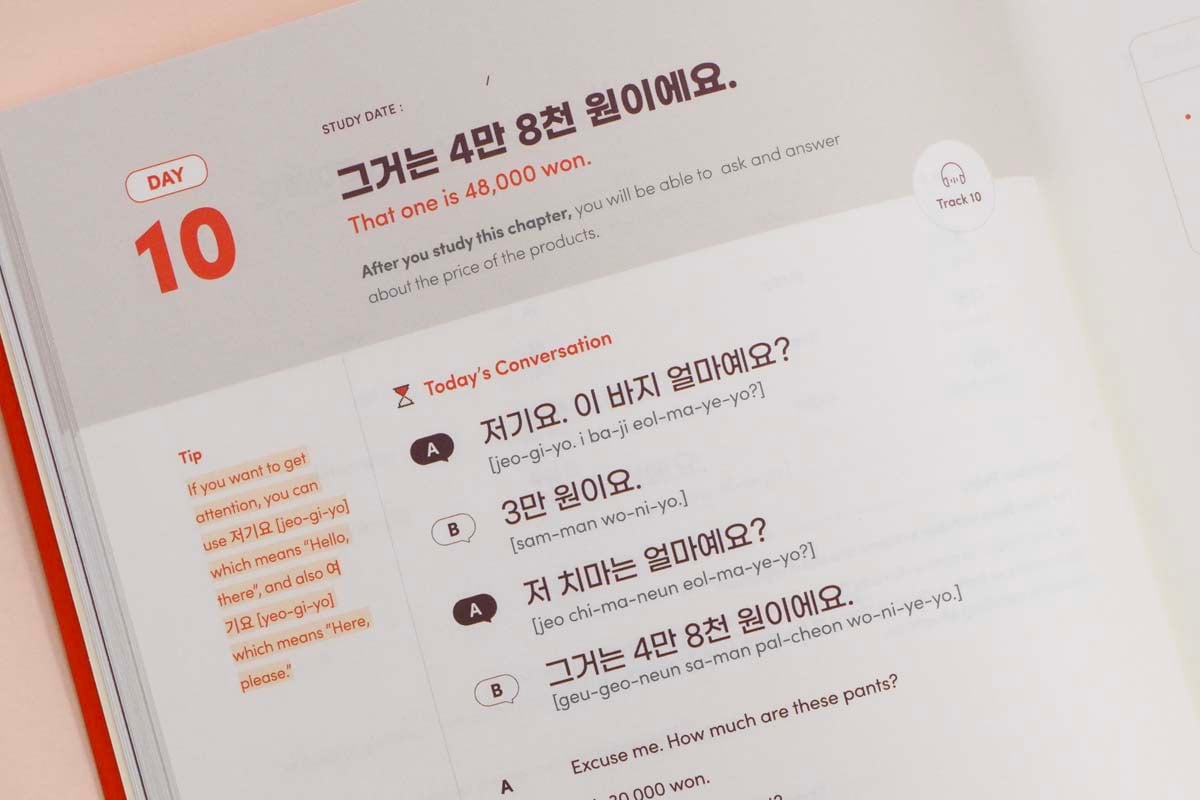
Mastering Korean for daily interactions involves more than just memorizing vocabulary; it requires understanding key components that enable effective communication in common situations. Focusing on fundamental language skills, essential vocabulary, and practical phrases can greatly enhance your ability to navigate everyday scenarios confidently.
Building a solid foundation in conversational Korean involves familiarizing oneself with core vocabulary, common expressions, and situational phrases that are frequently used in daily life. This approach not only accelerates language acquisition but also boosts confidence when engaging with native speakers in real-world contexts.
Core components necessary for daily Korean conversation
To communicate effectively in Korean on a day-to-day basis, learners should focus on several essential elements. These include basic grammar structures that form the backbone of sentences, pronunciation clarity to ensure intelligibility, and the ability to understand and respond to common questions and statements. Developing listening skills is equally vital, allowing learners to comprehend native speakers in various contexts.
Additionally, cultural understanding plays a role in conversational fluency, as it helps learners grasp social norms and appropriate language use during interactions. Combining these components with consistent practice creates a balanced approach towards achieving functional Korean communication skills.
Necessary vocabulary and phrases for common situations
Having a curated list of relevant vocabulary and phrases tailored to everyday circumstances ensures preparedness when engaging in spontaneous conversations. These words and expressions serve as building blocks to express needs, ask questions, and participate in social exchanges comfortably.
Essential Vocabulary: 안녕하세요 (annyeonghaseyo – Hello), 감사합니다 (gamsahamnida – Thank you), 어디 (eodi – Where), 얼마에요? (eolmaeyo?
How much?), 화장실 (hwajangsil – Bathroom), 쇼핑 (syoping – Shopping), 음식 (eumsik – Food), 물 (mul – Water)
Common Phrases: “이것 얼마에요?” (igeot eolmaeyo?
- How much is this?), “화장실 어디에 있어요?” (hwajangsil eodie isseoyo?
- Where is the bathroom?), “도와주세요” (dowajuseyo – Please help), “맛있어요” (masisseoyo – It’s delicious), “계산서 주세요” (gyesanseo juseyo – The bill, please)
Organization of core conversational topics
Structuring common conversational categories helps learners systematically approach practical communication. Below is a table organizing core topics into relevant categories, providing a clear overview of typical situations encountered in daily life:
| Category | Typical Situations and Phrases |
|---|---|
| Greetings |
|
| Directions |
|
| Shopping |
|
| Dining |
|
| Other Common Situations |
|
Effective Methods and Resources for Learning Korean for Practical Use
Learning Korean for everyday conversation requires a strategic approach that maximizes engagement and retention. Utilizing diverse techniques and the right set of resources can significantly enhance your language proficiency, making real-life interactions more natural and confident. Incorporating various methods ensures a well-rounded learning experience, catering to different learning styles and goals.In this segment, we will explore a range of effective techniques including immersion, flashcards, and language exchange programs.
Additionally, we will review top online platforms and mobile applications tailored to conversational Korean practice. By understanding the strengths and limitations of each resource, learners can make informed decisions to optimize their language acquisition journey.
Immersion Techniques
Immersive learning involves surrounding yourself with the Korean language in real-life contexts. This method enhances listening and speaking skills by simulating authentic interactions, which are fundamental for practical communication. Engaging with Korean media such as dramas, movies, and music exposes learners to colloquial expressions, idiomatic phrases, and cultural nuances that are vital for everyday conversations. Participating in community events, Korean language meetups, or traveling to Korea also offers immersive experiences that accelerate language mastery.
Utilizing Flashcards and Spaced Repetition
Flashcards are a proven tool for memorizing vocabulary and common expressions used in daily conversations. Modern digital flashcard apps incorporate spaced repetition algorithms, which optimize review intervals to reinforce memory retention. This technique not only helps in expanding your vocabulary but also in retaining useful phrases for practical interactions. Creating personalized flashcards with context-specific sentences enhances the relevance of learning, making it easier to recall words during conversations.
Engaging in Language Exchange
Language exchange programs facilitate direct communication with native speakers, providing real-time practice and immediate feedback. These exchanges can occur through online platforms or in person, and they foster cultural understanding alongside language skills. During exchanges, learners can focus on conversational fluency, pronunciation, and colloquial expressions, which are difficult to acquire solely through self-study. Consistent interaction with native speakers builds confidence and helps adapt to various speaking styles and accents.
Top Online Platforms and Mobile Apps for Conversational Practice
Selecting the right digital resources is crucial for practical learning. Several online platforms and mobile apps are specifically designed to enhance conversational Korean skills through interactive exercises, live chat, or video calls. The most effective tools integrate speaking and listening practice, offer correction features, and simulate real-life scenarios.
| Resource | Features | Advantages | Limitations |
|---|---|---|---|
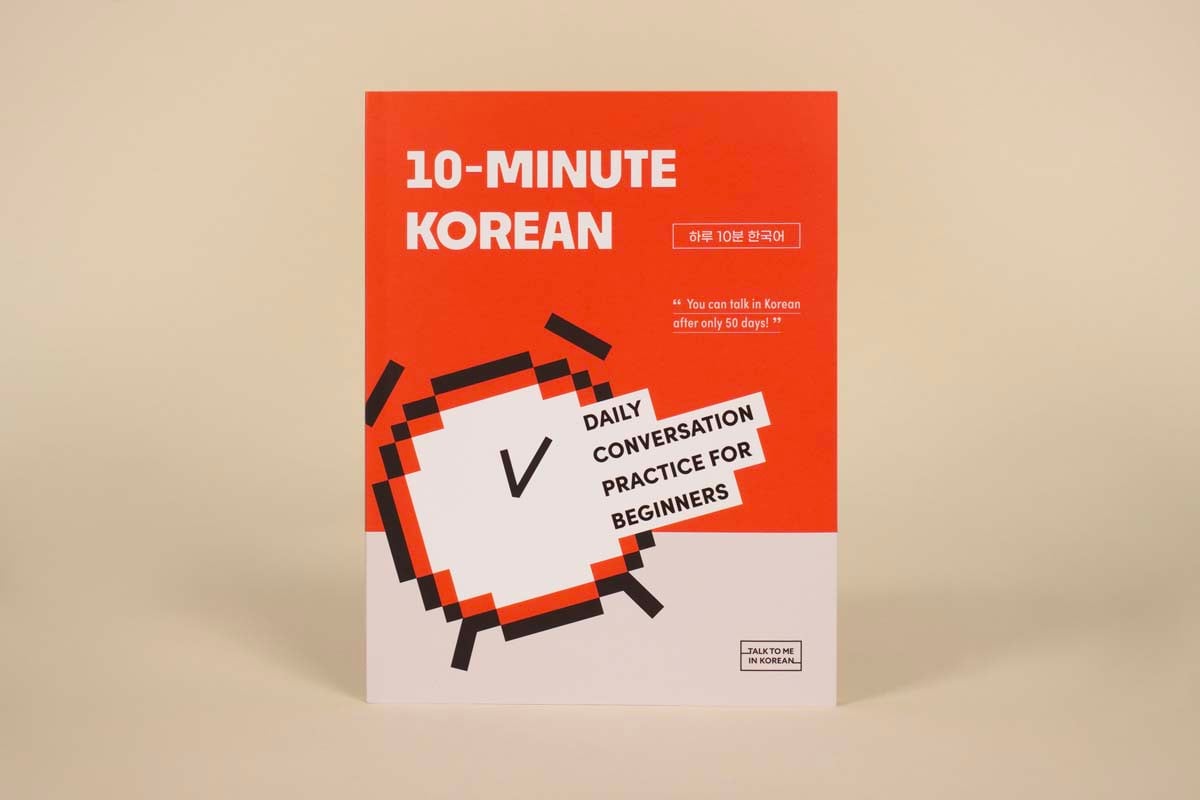
| Talk To Me In Korean (TTMIK) | Structured lessons, audio practice, quizzes | Comprehensive beginner to advanced content, cultural insights | Limited speaking practice without live interaction |
| HelloTalk | Language exchange chat, voice messages, correction tools | Connects with native speakers, real-time practice, community support | Quality of interactions varies, potential for language imbalance |
| Duolingo | Gamified lessons, vocabulary drills, listening exercises | User-friendly, engaging, good for foundational learning | Limited focus on conversational fluency and speaking accuracy |
| italki | One-on-one tutoring, conversation sessions, personalized feedback | Tailored learning, direct interaction with native teachers | Costs vary, requires scheduling commitment |
| KakaoTalk | Messaging app with voice/video features, Korean chat rooms | Popular in Korea, informal practice with native speakers | Less structured, may require proactive engagement |
Building Practical Vocabulary and Phrases for Everyday Situations
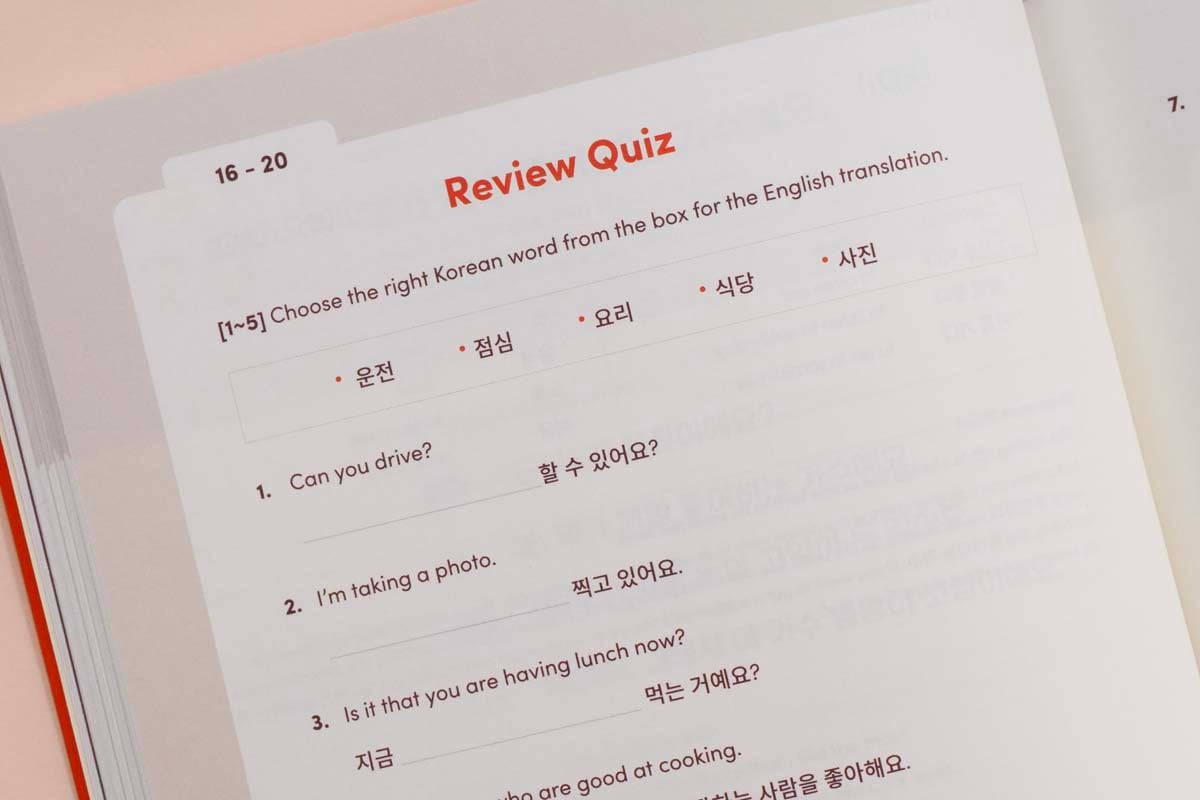
Acquiring a functional vocabulary tailored to daily life interactions is essential for effective communication in Korean. By focusing on commonly used words and expressions, learners can navigate various scenarios with confidence and fluency. This approach not only enhances conversational skills but also fosters cultural understanding and social integration.
In this section, we explore how to develop a relevant vocabulary for practical use by categorizing essential words and expressions, illustrating scenario-based dialogues, and presenting a comprehensive reference table. These tools serve as a foundation for engaging in authentic conversations across different everyday contexts.
Essential Words and Expressions Categorized for Daily Life
Organizing vocabulary into categories simplifies learning and recall, enabling learners to focus on relevant terms for specific situations. Here is a categorized list of frequently used words and expressions:
- Greetings and Introductions: 안녕하세요 (Annyeonghaseyo) — Hello, 만나서 반갑습니다 (Mannaseo bangapseumnida) — Nice to meet you
- Food and Dining: 맛있어요 (Masisseoyo) — It’s delicious, 주문할게요 (Jumunhalgeyo) — I will order
- Directions: 어디에요? (Eodieyo?) — Where is it?, 왼쪽 (Wenjjok) — Left, 오른쪽 (Oreunjjok) — Right
- Shopping and Payment: 얼마예요? (Eolma yeyo?) — How much is it?, 계산해 주세요 (Gyesanhae juseyo) — Please bill me
- Transportation: 버스 정류장 (Beoseu jeongryujang) — Bus stop, 택시 (Taegsi) — Taxi
- Common Courtesies: 감사합니다 (Gamsahamnida) — Thank you, 죄송합니다 (Joesonghamnida) — Sorry / Excuse me
Sample Dialogues for Real-Life Scenarios
Practicing dialogue helps to contextualize vocabulary and improves pronunciation, intonation, and confidence. Below are typical conversations in common daily situations, illustrating natural language use and social norms.
Ordering Food at a Restaurant
Server: 어서 오세요. 무엇을 드릴까요? (Eoseo oseyo. Mueoseul deurilkkayo?) — Welcome. What would you like to order?
Customer: 비빔밥 하나 주세요. (Bibimbap hana juseyo.) — One bibimbap, please.
Server: 여기 있습니다. 맛있게 드세요! (Yeogi itsseumnida. Masitge deuseyo!) — Here it is. Enjoy your meal!
Asking for Directions
Tourist: 실례지만, 지하철 역이 어디에요? (Sillyejiman, jihacheol yeogi eodieyo?) — Excuse me, where is the subway station?
Local: 저기서 왼쪽으로 가면 있어요. (Jeogiseo wenjjogeuro gamyeon isseoyo.) — If you go left from there, it’s over there.
Introducing Yourself
Person A: 안녕하세요, 저는 민수입니다. (Annyeonghaseyo, jeoneun Minsu imnida.) — Hello, I am Minsu.
Person B: 반갑습니다. 저는 지영입니다. (Bangapseumnida. Jeoneun Jiyoung imnida.) — Nice to meet you. I am Jiyoung.
Common Phrases, Meanings, and Pronunciation Tips
Below is a table presenting essential phrases used in daily interactions, their meanings, and helpful pronunciation hints to aid learners in mastering accurate pronunciation and intonation.
| Phrase in Korean | English Meaning | Pronunciation Tips |
|---|---|---|
| 안녕하세요 | Hello / Hi | Annyeonghaseyo: Emphasize the first syllable with a soft ‘a’ sound, similar to ‘ah’, and pronounce ‘h’ lightly. |
| 감사합니다 | Thank you | Gamsahamnida: Stress the first syllable ‘Gam’, with a clear ‘a’ sound, and softly pronounce “ham” as in ‘harm’; end with ‘nida’. |
| 실례합니다 | Excuse me / Sorry for bothering | Sillyehamnida: ‘Sil’ as in ‘sill’, ‘lye’ as in ‘your’, and ‘hamnida’ with a rising intonation on ‘ham’. |
| 이해했어요 | I understand | Ihaehaesseoyo: Pronounce ‘I’ as in ‘ee’, ‘hae’ as in ‘hey’, ‘hae’ again, and ‘sseoyo’ with a gentle ‘s’ and a rising tone on ‘yo’. |
| 도와주세요 | Please help me | Dowajuseyo: ‘Do’ as in ‘dough’, ‘wa’ as in ‘wand’, ‘juseyo’ with soft ‘j’ and ‘yo’ like ‘yo-yo’. |
Developing Listening and Speaking Skills for Real-Life Conversations
Mastering the ability to understand and communicate effectively in Korean within everyday situations is a vital component of language proficiency. Developing these skills requires targeted practice that mimics natural interactions, allowing learners to gain confidence and fluency in real-world settings. This section explores strategies to enhance comprehension of spoken Korean, effective pronunciation exercises, shadowing techniques, and a structured approach to engaging in simple conversations with native speakers.Understanding spoken Korean in authentic contexts can be challenging due to regional accents, colloquial expressions, and the pace of natural speech.
To improve comprehension, learners should immerse themselves in diverse listening environments, utilizing resources such as Korean podcasts, radio broadcasts, and television programs that feature everyday conversations. Regular exposure to natural speech patterns helps learners recognize common phrases, intonations, and slang, thereby increasing their ability to understand native speakers in various settings.Practicing pronunciation and fluency involves dedicated exercises designed to fine-tune articulation and intonation.
Pronunciation exercises may include mimicking sounds, focusing on the correct articulation of vowels and consonants, and practicing intonation patterns specific to Korean. Shadowing techniques, which involve listening to audio recordings of native speakers and simultaneously repeating what they say, are particularly effective. This method not only improves pronunciation but also enhances rhythm, speech flow, and listening comprehension.
Strategies to Improve Listening Comprehension
To effectively understand spoken Korean in authentic environments, learners should adopt a multi-faceted approach that emphasizes active listening and contextual learning. Consistent exposure to diverse audio sources helps familiarize learners with different accents, speech rates, and colloquial expressions, making comprehension more natural over time.
- Utilize a variety of audio materials: Regularly listen to Korean radio shows, podcasts, and TV dramas that revolve around everyday life scenarios, such as shopping, dining, or commuting.
- Practice active listening: Focus on understanding the main idea first before catching every word. Take notes of unfamiliar words and look them up afterward.
- Engage in contextual learning: Pay attention to non-verbal cues like tone, intonation, and body language, which provide clues to speaker intent and emotion.
- Participate in listening comprehension exercises: Use online platforms with interactive quizzes that test understanding of spoken Korean in real-life contexts.
Pronunciation Exercises and Shadowing Techniques
Enhancing pronunciation and fluency begins with deliberate practice aimed at mimicking native speech. These exercises help learners produce sounds accurately and develop an intuitive sense of Korean speech rhythm.
Pronunciation accuracy and rhythm are essential for being understood and for sounding natural in conversations.
- Sound articulation drills: Practice specific vowel and consonant sounds that are challenging, such as the Korean ‘ㅂ’ (b/p) and ‘ㄹ’ (l/r), using minimal pairs to distinguish similar sounds.
- Intonation and pitch practice: Repeat sentences with varied intonations to match native speakers’ speech patterns, emphasizing rising and falling pitch contours.
- Shadowing exercises: Select short dialogues or monologues by native speakers. Listen carefully and repeat immediately, striving to match pronunciation, speed, and intonation. Repeating multiple times solidifies muscle memory and improves fluidity.
- Record and evaluate: Record your shadowing practice sessions and compare them with the original audio. Note differences in pronunciation and intonation, and adjust accordingly.
Engaging in Simple Conversations with Native Speakers
Building confidence in real-life conversations involves a structured approach, gradually increasing interaction complexity. Starting with basic exchanges allows learners to apply vocabulary and phrases in authentic contexts, reinforcing their speaking and listening skills simultaneously.
- Prepare essential phrases: Memorize polite greetings, common questions, and responses related to daily activities, such as ordering food or asking for directions.
- Practice in controlled environments: Engage in language exchange sessions or conversation clubs where native speakers can provide immediate feedback and encouragement.
- Initiate simple dialogues: Start conversations by introducing yourself and asking about the other person’s day. Use prepared phrases but remain flexible to respond to unexpected questions or topics.
- Active listening and clarification: Pay close attention to native speakers’ responses. Don’t hesitate to ask for clarification or repetition if something is unclear, fostering mutual understanding.
- Gradually increase complexity: As confidence grows, incorporate more advanced vocabulary and longer sentences. Practice common scenarios such as shopping, making appointments, or expressing opinions.
- Maintain consistent practice: Regularly converse with native speakers through language exchange platforms, in-person meetups, or online groups dedicated to Korean language learners.
Overcoming Common Challenges in Learning Korean for Daily Interaction
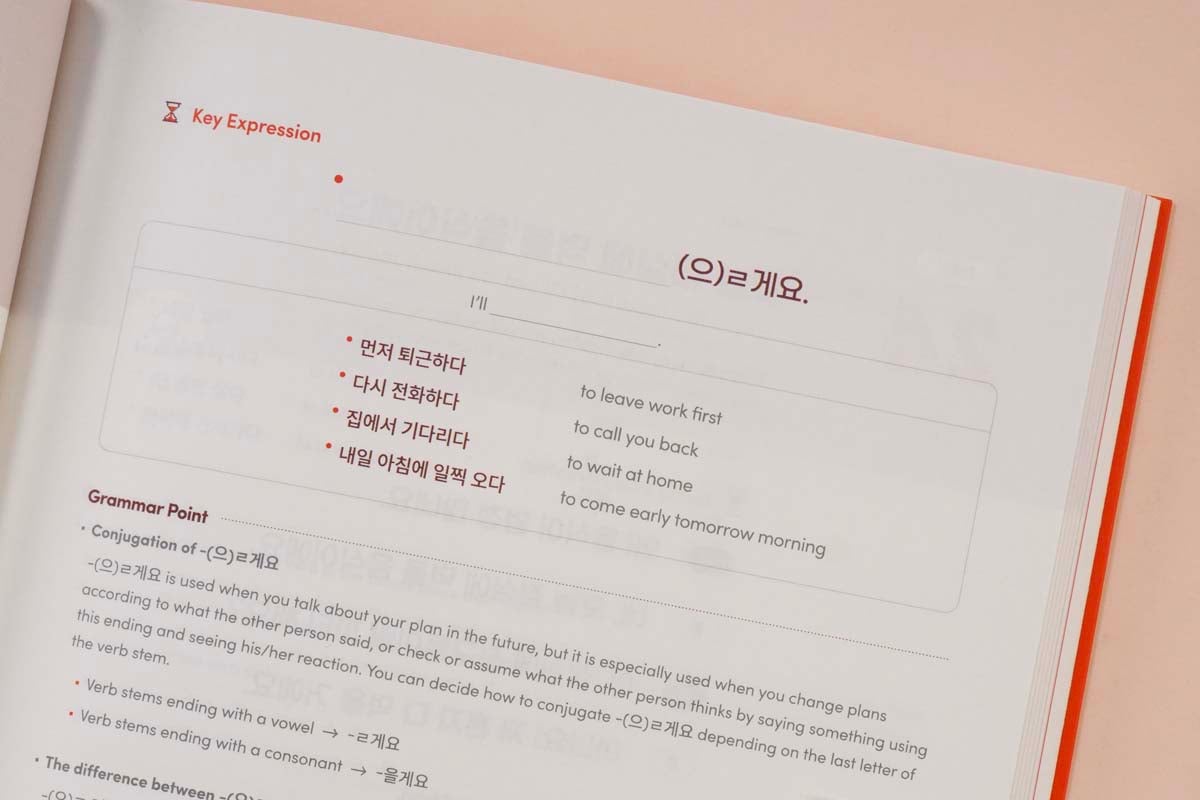
Mastering Korean for everyday communication involves navigating certain hurdles that many learners encounter. Recognizing these challenges and adopting effective strategies can significantly enhance your language learning journey, making it more enjoyable and productive. Addressing issues such as memorization difficulties, pronunciation nuances, and maintaining motivation is crucial for progressing towards fluency in practical, real-life situations.Understanding and overcoming these obstacles ensures consistent improvement and builds confidence in using Korean confidently during daily interactions.
By implementing targeted solutions, learners can transform challenges into stepping stones toward achieving functional proficiency in Korean.
Identifying Typical Difficulties and Practical Solutions
Learners often face specific difficulties when studying Korean for daily conversation, including mastering pronunciation, expanding vocabulary, and understanding cultural nuances. These challenges may lead to frustration or stagnation if not addressed with tailored solutions.Effective approaches involve developing structured practice routines, engaging with native speakers, and utilizing immersive resources. For instance, regular conversation practice with language partners helps clarify pronunciation and contextual usage, while using multimedia tools such as Korean dramas and podcasts enhances listening comprehension and cultural understanding.
Additionally, creating a consistent study schedule reduces the likelihood of losing momentum and helps build routine familiarity with common expressions and idioms used in everyday settings.
Memorizing Vocabulary and Mastering Pronunciation
Memorization and pronunciation are foundational skills that require dedicated strategies to become natural components of daily use. A common obstacle is retaining new words and correctly pronouncing sounds that are unfamiliar to learners from non-Korean language backgrounds.To improve vocabulary retention, employing methods like spaced repetition flashcards can reinforce memory over time. Incorporating visual associations and contextual sentences helps solidify understanding and recall.
For pronunciation, focusing on phonetic distinctions and practicing with native speakers or language tutors provides immediate feedback. Recording oneself speaking allows comparison with authentic pronunciation and highlights areas needing improvement. Consistent practice with challenging sounds, such as the tense consonants or vowel distinctions unique to Korean, enhances clarity and confidence in pronunciation.
Maintaining Motivation and Consistency in Practice Routines
Sustaining motivation is often a barrier to consistent language learning, especially when progress seems slow or monotonous. Establishing a routine that keeps the learning process engaging and aligned with personal goals is essential for ongoing development.Setting achievable milestones, such as mastering common greetings or ordering food in Korean, provides a sense of accomplishment and motivation. Incorporating a variety of learning activities—listening to Korean music, participating in language exchange events, or using gamified apps—helps keep routine fresh and enjoyable.
Additionally, joining online communities or local groups for Korean learners fosters a sense of accountability and support. Regularly reviewing progress and adjusting goals ensures learners remain focused and motivated, turning daily practice into a rewarding habit that steadily advances conversational skills.
Structuring Practice Routines and Conversational Drills
Establishing a well-organized routine for practicing Korean is essential for gradual improvement and maintaining motivation. Consistent and targeted practice sessions help learners transition from basic knowledge to confident, everyday communication. Designing a balanced schedule that incorporates listening, speaking, reading, and writing exercises ensures comprehensive language acquisition aligned with real-life conversational needs.A systematic approach to practice routines involves setting clear goals, allocating specific times for each skill, and integrating diverse activities to stimulate different areas of language use.
Incorporating interactive drills and self-assessment techniques allows learners to track progress and identify areas for improvement, thereby fostering a disciplined yet flexible learning environment.
Weekly Practice Plan Incorporating Listening, Speaking, Reading, and Writing Exercises
Creating a weekly schedule that evenly distributes practice across all language skills promotes balanced development and prevents burnout. Each day should focus on a different aspect, with designated time blocks for immersive activities, review, and reflection.
- Monday: Listening exercises such as daily Korean podcasts or dialogues, followed by summarizing key points in writing. Practice pronunciation with minimal pairs or digital tools.
- Tuesday: Speaking drills, including repeating recorded dialogues, practicing common phrases aloud, and engaging in short role-plays with language partners or tutors.
- Wednesday: Reading practice with authentic materials like news articles, menus, or social media posts, followed by vocabulary extraction and comprehension questions.
- Thursday: Writing activities such as composing daily journals, short essays, or social media comments to reinforce vocabulary and sentence structures.
- Friday: Interactive conversational drills using prepared dialogues or simulated scenarios, emphasizing fluency and natural expression.
- Saturday: Review of the week’s exercises, self-recording sessions to evaluate pronunciation and intonation, and revisiting challenging areas.
- Sunday: Rest or light practice, such as watching Korean movies or engaging in casual conversation with native speakers.
Designing Interactive Exercises Using HTML Tables to Simulate Real-Life Dialogues
Interactive exercises that mimic real-world interactions facilitate practical language use and boost learner confidence. Structuring dialogues within HTML tables provides a clear visual representation of conversational exchanges, encouraging learners to practice both parts actively.
| Scenario | Participant A (User) | Participant B (Response) |
|---|---|---|
| Greeting at a café | 안녕하세요. 메뉴 추천 좀 해주세요. | 안녕하세요. 오늘은 에스프레소가 인기가 많아요. |
| Asking for directions | 이 근처에 편의점이 어디에 있나요? | 이 길을 따라 쭉 가시면 오른쪽에 있어요. |
| Shopping for clothes | 이 셔츠는 얼마에요? | 이 셔츠는 만 오천 원이에요. |
Encouraging learners to fill in missing dialogue parts or respond to prompts enhances active participation. Repeating these drills aloud and adjusting responses based on real-life contexts help solidify conversational skills.
Procedures for Self-Recording and Evaluating Speech Progress
Self-recording is a powerful tool for monitoring pronunciation, intonation, and overall fluency. Establishing a consistent process enables learners to objectively assess their speaking abilities and track improvements over time.
- Choose a comfortable environment with minimal background noise to ensure clear recordings.
- Use language learning apps or device voice recorders to capture spoken practice, such as reading aloud or engaging in simulated dialogues.
- Set specific goals for each recording session, focusing on pronunciation accuracy, natural pacing, and correct intonation.
- Listen critically to the recordings, noting areas of strength and those needing improvement. Pay attention to vowel length, consonant articulation, and sentence rhythm.
- Compare recordings over different weeks to observe progress, or share recordings with a native speaker or tutor for constructive feedback.
- Incorporate insights gained from self-evaluation into subsequent practice routines, emphasizing targeted correction and continuous refinement.
Regular self-assessment through recording not only enhances self-awareness but also builds confidence, encourages disciplined practice, and accelerates mastery of everyday Korean conversation skills.
Conclusion

By following these structured methods and utilizing available resources, you’ll steadily improve your Korean conversational skills. Consistent practice and immersive experiences are key to making meaningful progress. Embrace the journey, and soon you’ll find yourself engaging confidently in everyday Korean conversations.