Embarking on the journey of learning French can be an incredibly rewarding experience, opening doors to a rich culture and a world of opportunities. This guide explores the exciting possibility of accelerating your French language acquisition from the comfort of your home, leveraging the power of innovative language learning apps.
We’ll navigate the challenges and celebrate the triumphs of learning French, while setting realistic expectations for “fast” progress. Discover how to harness the capabilities of top-tier apps to build a strong foundation in pronunciation, vocabulary, and grammar, all while enjoying the convenience and flexibility of at-home study.
Introduction: Setting the Stage for Rapid French Learning

Learning French, a language of romance, diplomacy, and culture, presents both exciting opportunities and significant challenges. The journey to fluency requires dedication, consistent effort, and a strategic approach. This guide aims to provide a structured pathway for accelerating your French language acquisition, focusing on the effective use of language learning apps within the comfort of your home.The concept of “fast” in language learning is relative.
Achieving fluency isn’t measured in days, but in months and years. “Fast” in this context means maximizing learning efficiency to reach a conversational level within a reasonable timeframe, typically several months to a year, depending on your commitment and the learning methods employed. This involves prioritizing high-frequency vocabulary, focusing on practical communication skills, and leveraging technology to create an immersive learning environment.
Benefits of Learning French at Home with Apps
Learning French at home using language learning apps offers a multitude of advantages, making the process more accessible, flexible, and often, more affordable than traditional methods. These apps provide a personalized learning experience, adapting to your pace and style.
- Accessibility and Flexibility: Apps are available on various devices (smartphones, tablets, computers) and accessible anytime, anywhere, providing unparalleled flexibility. You can learn during your commute, lunch break, or in the evenings, fitting learning into your schedule rather than the other way around.
- Personalized Learning Experience: Many apps use algorithms to tailor lessons to your individual needs and progress. This personalized approach ensures that you focus on areas where you need the most improvement, optimizing your learning time.
- Cost-Effectiveness: Compared to in-person classes or private tutors, language learning apps are generally more affordable. Many offer free versions with limited features or subscription-based models, providing cost-effective options for various budgets.
- Interactive and Engaging Content: Apps often incorporate gamification, interactive exercises, and multimedia elements (audio, video, images) to make learning more engaging and enjoyable. This can significantly improve motivation and retention.
- Immediate Feedback and Progress Tracking: Apps provide instant feedback on your performance, allowing you to identify and correct mistakes immediately. They also track your progress, allowing you to see how far you’ve come and stay motivated.
- Exposure to Authentic Language: Many apps include audio recordings by native speakers and videos featuring real-life conversations, providing authentic language exposure from the beginning.
Essential Apps for French Language Learning
French language learning apps have revolutionized the way people acquire new languages. These mobile applications provide a convenient, accessible, and often engaging way to learn French, catering to diverse learning styles and paces. This section focuses on the most effective apps for rapid French acquisition, comparing their features and highlighting their strengths and weaknesses.
Top 5 Language Learning Apps for French
Selecting the right app is crucial for effective language learning. The following apps are highly regarded for their comprehensive approach to French, covering pronunciation, vocabulary, grammar, and more. Each app caters to different learning styles, offering varied approaches to language acquisition.
- Duolingo: Known for its gamified approach, Duolingo offers bite-sized lessons that make learning French feel less like a chore and more like a game. It covers vocabulary, grammar, and pronunciation through interactive exercises.
- Memrise: Memrise focuses on vocabulary acquisition using spaced repetition and user-generated content. It utilizes mnemonic devices and real-world video clips to help learners remember words and phrases.
- Babbel: Babbel provides structured courses designed by language experts. It focuses on conversational French and practical vocabulary, offering lessons tailored to different proficiency levels.
- Rosetta Stone: Rosetta Stone employs an immersive approach, using images and audio to teach French without relying on translation. It focuses on building intuitive understanding of the language.
- italki: italki is a platform that connects learners with native French speakers for online lessons and language exchange. This allows for personalized instruction and practice.
Feature Comparison of French Learning Apps
Choosing the right app often depends on individual learning preferences and priorities. The following table compares the key features of the top 5 French learning apps, providing a clear overview of their strengths and weaknesses.
| App Name | Pronunciation | Vocabulary | Grammar | Cost |
|---|---|---|---|---|
| Duolingo | Good, with audio recordings by native speakers. | Extensive vocabulary covered through themed lessons. | Basic grammar concepts are introduced in a simplified manner. | Freemium (free with ads, or subscription for ad-free and extra features). |
| Memrise | Good, with audio recordings by native speakers and video clips. | Focuses on vocabulary acquisition through spaced repetition and mnemonic devices. | Limited grammar explanations; focuses on vocabulary within context. | Freemium (free with limited features, or subscription for full access). |
| Babbel | Excellent, with clear pronunciation exercises and speech recognition. | Practical vocabulary for everyday conversations. | Structured grammar lessons and explanations. | Subscription-based. |
| Rosetta Stone | Excellent, with a focus on mimicking native speaker pronunciation. | Vocabulary is learned through association and immersion. | Grammar is learned implicitly through context and pattern recognition. | Subscription-based. |
| italki | Excellent, with personalized feedback from native speakers. | Vocabulary is learned through interaction and personalized lessons. | Grammar is addressed through personalized lessons and feedback. | Cost per lesson varies depending on the teacher. |
Gamified Learning Experiences in French Language Apps
Gamification is a powerful tool for making language learning more engaging and motivating. Several apps incorporate game-like elements to enhance the learning experience.
- Duolingo: Utilizes points, streaks, leaderboards, and levels to motivate users to learn and practice French regularly. Users earn points for completing lessons and maintaining streaks, fostering a sense of competition and achievement.
- Memrise: Employs a points system, leaderboards, and “watering the plants” metaphor to encourage users to review vocabulary and phrases. The gamified approach makes learning more interactive and enjoyable.
- Drops: Offers a visually appealing and gamified approach to vocabulary acquisition, using short, interactive sessions and fun illustrations. The timed exercises and competitive elements add an extra layer of engagement.
Importance of App Selection Based on Learning Style
Different individuals learn best through different methods. Selecting an app that aligns with one’s learning style can significantly enhance the learning experience.
- Visual Learners: Benefit from apps that incorporate images, videos, and visual aids. Rosetta Stone and Drops, with their immersive visual approach, are particularly suitable.
- Auditory Learners: Thrive with apps that emphasize audio and pronunciation. Duolingo, Babbel, and Rosetta Stone, which provide extensive audio recordings, are excellent choices.
- Kinesthetic Learners: Benefit from interactive exercises and hands-on activities. italki, with its live lessons and personalized feedback, is an excellent option for kinesthetic learners.
Crafting a Personalized Study Plan
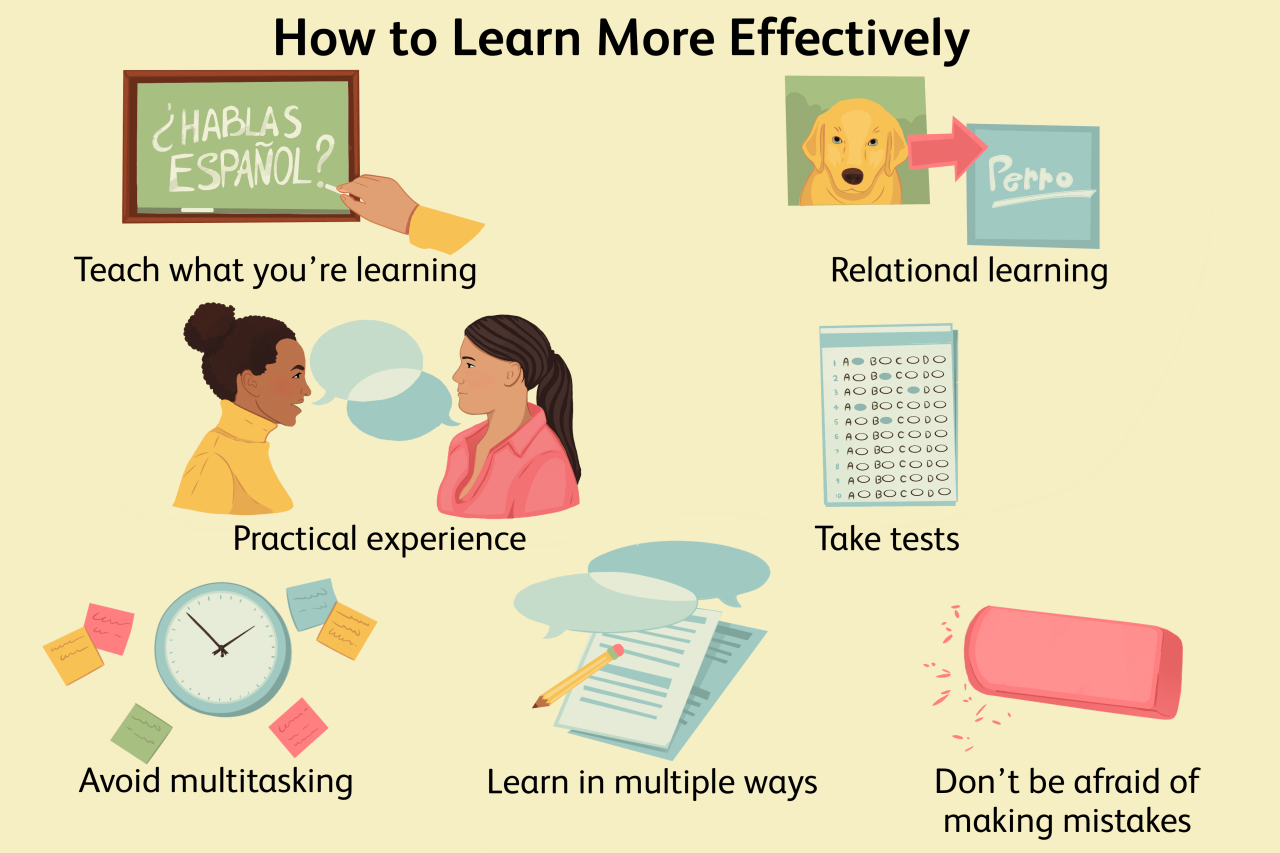
Creating a structured study plan is crucial for efficient and effective French language learning at home. A well-designed plan ensures consistent progress and prevents the feeling of being overwhelmed. This involves integrating app usage with other learning methods, establishing a realistic schedule, and tracking your advancements.
Designing a Daily or Weekly Study Schedule
A structured schedule is the cornerstone of rapid language acquisition. It helps to build consistency, which is far more important than cramming. The schedule should be flexible enough to accommodate your daily life but rigid enough to ensure regular study sessions. Remember to start small and gradually increase the duration as your stamina and motivation grow.
- Daily Schedule Example: Allocate 30-60 minutes each day. This can be broken down into shorter, focused intervals if needed.
- Weekly Schedule Example: Aim for 5-7 days of study per week, incorporating rest days for mental recovery. This allows for flexibility and prevents burnout.
Optimal Duration for Each Study Session
The optimal duration for each study session depends on your individual learning style and stamina. However, research suggests that shorter, more frequent sessions are often more effective than longer, infrequent ones. A good starting point is 20-30 minutes per session, gradually increasing to 45-60 minutes as your focus improves.
- Focus and Retention: Shorter sessions allow for better focus and retention. The brain processes information more effectively in focused bursts.
- Avoiding Burnout: Shorter sessions help to prevent mental fatigue and burnout, which can be detrimental to learning.
- Breaks: Incorporate short breaks (5-10 minutes) between study segments to maintain concentration.
Organizing the Plan to Include Vocabulary Building, Grammar Practice, and Pronunciation Exercises
A balanced study plan should encompass vocabulary building, grammar practice, and pronunciation exercises. This multifaceted approach ensures a well-rounded understanding of the French language.
- Vocabulary Building: Dedicate time to learning new words and phrases. Use flashcard apps like Anki or Memrise, or language learning apps like Duolingo or Babbel to learn new vocabulary and practice.
- Example: Learn 10-15 new words daily, reviewing them regularly using spaced repetition.
- Grammar Practice: Focus on understanding French grammar rules.
- Example: Work through grammar exercises using apps like Duolingo or Babbel, or use workbooks for targeted practice.
- Pronunciation Exercises: Practice pronunciation using audio resources.
- Example: Use pronunciation apps like Elsa Speak or Forvo to listen to and repeat words and phrases. Record yourself and compare your pronunciation to native speakers.
- Integration of Apps: Integrate app usage strategically. Use apps for vocabulary, grammar, and pronunciation, but also incorporate other learning methods like reading, listening to podcasts, and watching French films.
Creating a System for Tracking Progress and Celebrating Milestones
Tracking your progress and celebrating milestones is vital for maintaining motivation and recognizing your achievements.
- Tracking Methods:
- Journaling: Keep a language learning journal to record new vocabulary, grammar rules, and your daily progress.
- Progress Charts: Use a chart to track the number of words learned, grammar lessons completed, and pronunciation exercises practiced.
- App-Based Tracking: Many language learning apps provide built-in progress tracking features.
- Celebrating Milestones:
- Small Rewards: Reward yourself for completing specific goals, such as learning a certain number of words or finishing a grammar unit.
- Larger Celebrations: Celebrate larger milestones, such as completing a course or reaching a certain level of proficiency, with a special activity.
Mastering Pronunciation and Accent
Perfecting French pronunciation is crucial for effective communication and understanding. It is often the most challenging aspect for learners, but with dedicated practice and the right tools, significant improvements can be achieved. This section explores various techniques and resources to help you master French pronunciation and develop a more authentic accent.
Techniques for Improving French Pronunciation Using Apps and Resources
Improving French pronunciation involves a multi-faceted approach, combining app-based practice with other resources. Consistent practice and focused attention on specific sounds are key.
- Utilizing Pronunciation-Focused Apps: Apps like Elsa Speak, Forvo, and Babbel offer dedicated pronunciation modules. These apps provide audio recordings of words and phrases, allowing you to listen and repeat. They often include features like voice recognition to assess your pronunciation and provide feedback.
- Leveraging Online Dictionaries: Websites such as WordReference and Larousse provide audio pronunciations for individual words. These are invaluable for learning how to pronounce new vocabulary correctly from the outset.
- Immersing Yourself in Audio Content: Listening to French podcasts, music, and audiobooks is an excellent way to familiarize yourself with the rhythm and flow of the language. Start with content designed for learners and gradually progress to more advanced materials.
- Practicing with Native Speakers: Language exchange partners or tutors can provide personalized feedback on your pronunciation. Platforms like iTalki and HelloTalk connect you with native speakers for conversation practice.
Strategies for Mimicking Native Speakers
Mimicking native speakers effectively requires careful observation and active participation. It is about more than just repeating words; it is about replicating the nuances of their speech.
- Paying Attention to Mouth Movements: Observe how native speakers form sounds. Note the position of their tongue, lips, and jaw. Many online resources offer videos demonstrating the correct mouth positions for French sounds.
- Focusing on Intonation and Rhythm: French has a distinct intonation and rhythm. Pay attention to how native speakers emphasize certain syllables and the overall flow of their sentences.
- Shadowing: Shadowing involves listening to a recording and simultaneously repeating what you hear. This technique helps you to mimic the speaker’s pronunciation, intonation, and rhythm. Start with short phrases and gradually increase the length of the material.
- Recording Yourself: Record yourself speaking French and compare it to recordings of native speakers. This allows you to identify areas where you need to improve.
Tips for Overcoming Common Pronunciation Challenges
Several French sounds and sound combinations present challenges for English speakers. Recognizing and addressing these challenges is crucial for improvement.
- Mastering the French “R”: The uvular “r” sound is often the most difficult. Practice by gargling water and then trying to produce the sound. Some apps, such as Elsa Speak, offer specific exercises to help you master this sound.
- Differentiating Nasal Vowels: French has nasal vowels (e.g., “an,” “en,” “in,” “on,” “un”) that do not exist in English. Pay attention to the pronunciation of these vowels and practice producing them correctly.
- Understanding Liaison and Elision: Liaison (linking the final consonant of a word to the following vowel) and elision (dropping the final vowel of a word before a vowel) are crucial for fluent French. Learn the rules and practice applying them.
- Practicing Silent Letters: Many letters are silent in French. Learning which letters are silent in different contexts is essential for accurate pronunciation.
Demonstrating the Use of Apps for Pronunciation Practice, Focusing on Specific Sounds
Apps provide a structured and interactive way to practice specific French sounds. They offer immediate feedback and personalized exercises.
- Elsa Speak: This app utilizes voice recognition technology to analyze your pronunciation and provide feedback. It offers exercises focused on specific sounds, such as the French “r” and nasal vowels. The app provides detailed instructions and allows you to record and compare your pronunciation to that of a native speaker.
- Forvo: Forvo is a crowd-sourced pronunciation dictionary. It features audio recordings of words and phrases spoken by native speakers. You can use Forvo to hear how specific sounds are pronounced and to practice repeating them. The app is particularly useful for hearing the pronunciation of uncommon words or phrases.
- Babbel: Babbel includes pronunciation modules within its French courses. These modules offer audio recordings, interactive exercises, and feedback on your pronunciation. Babbel often focuses on common pronunciation errors and provides targeted practice.
- Example: Practicing the Nasal Vowel “an” with Elsa Speak:
Elsa Speak provides exercises where you listen to the sound “an” in various words and phrases. The app then prompts you to repeat the words. After your attempt, the app analyzes your pronunciation and highlights areas where you need to improve. It offers specific tips on how to shape your mouth and tongue to produce the correct sound.
This immediate feedback helps you to correct your pronunciation and improve your accuracy.
Vocabulary Acquisition Strategies

Mastering French vocabulary is crucial for rapid language acquisition. Building a strong vocabulary foundation allows you to understand and express yourself more effectively. This section Artikels proven strategies to learn and memorize new French words efficiently, making your language learning journey more successful.
Methods for Learning and Memorizing New French Words
Learning and memorizing new French words requires a multifaceted approach. Combining various techniques caters to different learning styles and enhances retention.
- Contextual Learning: Understanding words within sentences and real-world scenarios aids comprehension. Reading French texts, watching movies, and listening to podcasts exposes you to vocabulary in use.
- Mnemonic Devices: Utilizing memory aids like rhymes, associations, and visual imagery can improve recall. For example, associate the French word for “cat,” “chat,” with a chatty cat.
- Spaced Repetition: Reviewing vocabulary at increasing intervals, as implemented in spaced repetition systems, reinforces memory. This technique helps move words from short-term to long-term memory.
- Active Recall: Testing yourself on vocabulary without looking at the answers strengthens memory. Flashcards, quizzes, and language exchange partners are excellent tools for active recall.
- Word Families and Etymology: Learning root words, prefixes, and suffixes helps decipher new vocabulary. Understanding the origins of words, such as their connection to Latin or other languages, can reveal their meanings.
Use of Flashcards and Spaced Repetition Systems within Apps
Flashcards and spaced repetition systems (SRS) are powerful tools for vocabulary acquisition. Several language learning apps incorporate these features to optimize learning.
- Digital Flashcards: Apps like Anki, Memrise, and Quizlet provide digital flashcards. These platforms allow for customization, including adding images, audio pronunciations, and example sentences. The ability to create personalized decks ensures focus on specific vocabulary needs.
- Physical Flashcards: While digital flashcards are convenient, physical flashcards offer a tactile learning experience. Writing the word, its translation, and an example sentence can enhance memory. This method is particularly useful for kinesthetic learners.
- Spaced Repetition Systems (SRS): SRS algorithms, integrated within many apps, schedule vocabulary review based on the user’s performance. Words answered correctly are reviewed less frequently, while those answered incorrectly are reviewed more often. This personalized approach maximizes retention. For instance, an app might show a word again after one day, then three days, then a week, and so on, depending on your recall.
- Example of SRS Implementation: Consider the app “Anki.” When learning the word “bonjour” (hello), the app might initially show the card with the French word and the prompt to translate. If you answer correctly, the app will schedule a review in a few days. If you struggle, the review will be scheduled sooner. This ensures that you revisit challenging words more frequently.
Techniques for Learning Vocabulary in Context
Learning vocabulary in context is vital for understanding nuances and natural language usage. This involves seeing words used in sentences, conversations, and authentic materials.
- Reading French Texts: Start with simplified readers and gradually progress to novels, articles, and other authentic materials. Look up unfamiliar words, but also try to infer their meaning from the context.
- Listening to French Audio: Podcasts, audiobooks, and music are excellent resources. Pay attention to how words are used in conversations and how they connect to the surrounding context.
- Watching French Movies and TV Shows: Subtitles, especially in French, can help you connect written and spoken language. Pay attention to the dialogue and how vocabulary is employed in different situations.
- Example: When reading a sentence like “Il fait beau aujourd’hui” (The weather is nice today), you learn not only the meaning of “beau” (nice) but also its usage in a specific context (weather).
- Language Exchange: Interacting with native French speakers provides invaluable context. Conversations, even simple ones, expose you to vocabulary in natural communication.
Strategies for Expanding Vocabulary Related to Everyday Life and Specific Interests
Focusing on vocabulary relevant to your daily life and interests makes learning more engaging and practical. This approach also accelerates your ability to use the language.
- Everyday Life Vocabulary: Prioritize learning words related to common activities, such as greetings, food, shopping, transportation, and daily routines. This enables you to communicate in everyday situations.
- Vocabulary for Specific Interests: Focus on words related to your hobbies, profession, or other areas of interest. This makes learning more enjoyable and provides practical vocabulary for your specific needs. For example, if you’re interested in cooking, learn words like “cuire” (to cook), “ingrédients” (ingredients), and “recette” (recipe).
- Using Thematic Lists: Create vocabulary lists organized by topic, such as “food,” “travel,” or “work.” This structured approach helps you learn related words together.
- Example of Interest-Based Learning: If you are interested in football, start by learning the French words for the different positions (e.g., “gardien de but”
-goalkeeper), actions (“tirer”
-to shoot), and equipment (“ballon”
-ball). This makes watching or discussing football in French much more accessible. - Utilizing Specialized Resources: Use dictionaries and vocabulary lists specifically tailored to your interests. For example, if you are interested in fashion, find glossaries of fashion terms in French.
Grammar Essentials for Quick Progress
Understanding French grammar is crucial for achieving fluency, even when learning rapidly. While focusing on conversational skills is important, neglecting grammar can lead to misunderstandings and hinder your ability to construct grammatically correct sentences. Mastering core grammatical concepts allows you to express yourself more accurately and confidently, accelerating your overall learning progress.
Core Grammar Concepts for Rapid Learning
Focusing on specific grammatical elements will yield the greatest initial impact. These concepts form the building blocks for constructing sentences and understanding the nuances of the French language.
- Nouns and Gender: French nouns are assigned a gender (masculine or feminine), which impacts the articles (le, la, un, une) and adjectives that modify them. Knowing the gender is fundamental to forming correct phrases.
- Articles: Learn the definite (le, la, les) and indefinite (un, une, des) articles, which are essential for specifying nouns.
- Pronouns: Master personal pronouns (je, tu, il/elle/on, nous, vous, ils/elles), possessive pronouns (le mien, la mienne, les miens, les miennes, etc.) and demonstrative pronouns (celui, celle, ceux, celles), as they are used constantly in everyday conversation.
- Verb Conjugation: This is perhaps the most critical aspect. Begin with the most common verbs (être – to be, avoir – to have, faire – to do/make) and their conjugations in the present tense.
- Adjectives: Understand adjective agreement (matching gender and number with the noun they modify).
- Basic Sentence Structure: Learn the standard Subject-Verb-Object (SVO) order, and how to modify this order for questions or emphasis.
Grammar Exercises within Apps
Many language-learning apps incorporate grammar exercises to reinforce these concepts. These exercises vary in format, providing a diverse learning experience.
- Fill-in-the-blanks: These exercises present sentences with missing words, often articles, pronouns, or conjugated verbs. For example, “Je _____ (suis/est/sommes) étudiant.”
- Multiple-choice questions: These tests your understanding of grammar rules by asking you to select the correct option. For example, “Choose the correct article: _____ livre (a) le (b) la (c) un.”
- Sentence reordering: These exercises require you to rearrange words to form grammatically correct sentences. For instance, “The dog is happy” might be translated as “Le chien est heureux,” and you would need to arrange the words correctly.
- Translation exercises: These exercises involve translating sentences from your native language into French, requiring you to apply grammar rules. For example, “I am eating an apple” translated into French: “Je mange une pomme.”
- Voice recognition and speaking practice: Some apps provide voice recognition features to help you practice pronunciation and grammar simultaneously. You might be asked to say a sentence, and the app will assess your accuracy.
The Importance of Verb Conjugations and Sentence Structure
Verb conjugations and sentence structure are the backbone of the French language. Correctly conjugating verbs ensures that your sentences convey the intended meaning, while a sound understanding of sentence structure enables you to communicate effectively.
Verb conjugations change depending on the tense, the subject (who is performing the action), and the mood. Each tense provides different information about when the action takes place. For example, the present tense describes actions happening now, the past tense describes actions that have already happened, and the future tense describes actions that will happen.
Sentence structure is typically Subject-Verb-Object (SVO), similar to English. However, variations exist, such as placing the subject after the verb in questions or adding adverbs to the beginning of the sentence for emphasis. A solid grasp of these principles is essential for constructing clear and accurate sentences.
A Guide to Common French Verb Tenses
Understanding the most common French verb tenses is critical for effective communication. Each tense has a specific purpose and usage.
- Présent (Present Tense): Describes actions happening now or habitual actions.
Example: Je mange une pomme (I am eating an apple / I eat an apple).
- Passé Composé (Compound Past Tense): Describes completed actions in the past. It uses the auxiliary verbs “avoir” or “être” + the past participle.
Example: J’ai mangé une pomme (I ate an apple).
- Imparfait (Imperfect Tense): Describes past actions that were ongoing, repeated, or habitual.
Example: Je mangeais une pomme (I was eating an apple / I used to eat an apple).
- Futur Simple (Simple Future Tense): Describes actions that will happen in the future.
Example: Je mangerai une pomme (I will eat an apple).
- Conditionnel Présent (Present Conditional Tense): Describes hypothetical situations or polite requests.
Example: Je mangerais une pomme (I would eat an apple).
Immersion Techniques at Home
Creating an immersive environment is crucial for accelerating French language acquisition. By surrounding yourself with the language, you’ll naturally absorb vocabulary, improve pronunciation, and gain a deeper understanding of French culture. This section Artikels practical strategies for transforming your home into a French-speaking haven.
Utilizing French Music, Movies, and TV Shows
French media offers a rich tapestry of learning opportunities. From catchy tunes to captivating dramas, engaging with French content is a highly effective method for language immersion.
- Music: Listening to French music exposes you to authentic pronunciation and everyday vocabulary. Start with popular artists and genres that appeal to you.
- Example: Listen to Stromae for his clear diction and relatable lyrics, or try artists like Édith Piaf for classic French.
- Movies and TV Shows: Watching French films and television programs provides exposure to natural conversations, cultural nuances, and visual context.
- Strategy: Begin with subtitles in your native language, then gradually transition to French subtitles, and eventually, no subtitles at all.
- Example: Watch the comedy series “Fais pas ci, fais pas ça” for a humorous look at French family life, or the crime drama “Engrenages” for a more intense experience.
- Choosing Content: Select content that matches your current French proficiency level.
- Tip: Websites like Netflix, Amazon Prime Video, and specialized streaming services offer a wide variety of French movies and TV shows.
Finding French-Speaking Partners for Online Conversation Practice
Conversation is the cornerstone of language learning. Practicing with native speakers is invaluable for improving fluency and building confidence. Numerous online platforms facilitate this.
- Language Exchange Websites: Websites like HelloTalk, Tandem, and iTalki connect you with native French speakers who are learning your language.
- How it Works: You can exchange messages, voice calls, and video calls to practice speaking and receive feedback.
- Online Tutoring: Platforms like iTalki also offer access to professional French tutors.
- Benefit: Tutors can provide structured lessons, personalized feedback, and help you focus on your specific learning goals.
- Social Media Groups: Join Facebook groups or other online communities dedicated to French language learners.
- Advantage: You can find language partners, ask questions, and participate in discussions.
Incorporating French into Daily Routines
Integrating French into your everyday life reinforces learning and makes it more enjoyable. Simple adjustments can have a significant impact.
- Changing Device Settings: Set your phone, computer, and other devices to French.
- Benefit: This forces you to interact with French vocabulary regularly.
- Labeling Objects: Label household items with their French names.
- Example: Put sticky notes on objects like “la table” (the table) or “la fenêtre” (the window).
- Thinking in French: Make a conscious effort to think in French throughout the day.
- Practice: Describe your surroundings, plan your day, or even just think simple phrases in French.
- Cooking with French Recipes: Find French recipes online and cook them, following the instructions in French.
- Benefit: You’ll learn food-related vocabulary and experience French culture through cuisine.
Utilizing Additional Resources
To accelerate your French learning journey, supplementing your app-based studies with various resources is crucial. This approach provides diverse perspectives, reinforces concepts, and keeps the learning process engaging. Integrating these tools will create a well-rounded and effective learning experience.
Benefits of Dictionaries and Grammar Guides
French dictionaries and grammar guides offer invaluable support for learners. They provide clarity on vocabulary and grammatical structures, which is essential for building a solid foundation in the language.French dictionaries:
- Provide definitions, pronunciations, and example sentences for vocabulary.
- Offer insights into the nuances of word usage and idiomatic expressions.
- Facilitate understanding of contextual variations of words.
Grammar guides:
- Explain the rules of French grammar, including verb conjugations, sentence structure, and agreement.
- Offer exercises and examples to practice and reinforce grammatical concepts.
- Serve as a reference for resolving grammatical uncertainties.
For instance, using a comprehensive French dictionary like the Larousse or Le Robert can quickly clarify the meaning of a new word and provide its pronunciation. Simultaneously, a grammar guide such as “Practice Makes Perfect: Complete French Grammar” by Annie Heminway can help you understand and practice complex grammatical structures like the subjunctive mood.
French Language Learning YouTube Channels
YouTube channels offer a wealth of free French language lessons and cultural insights. Many channels cater to various learning styles and levels.Here are some recommended channels:
- FrenchPod101: Provides lessons for all levels, with a focus on practical conversations and cultural insights.
- Easy French: Features street interviews with native speakers, making learning authentic and engaging. The format typically involves asking questions in French and providing subtitles in both French and English.
- Learn French with FrenchPod101.com: Offers structured lessons covering grammar, vocabulary, and pronunciation. They often use visual aids and interactive exercises.
- Comme une Française: Focuses on French culture, pronunciation, and conversational French, often incorporating vlogs and cultural explanations. The channel creator, a native French speaker, shares insights into French life and customs.
- InnerFrench: Aims to help intermediate and advanced learners improve their comprehension and fluency. The channel creator speaks slowly and clearly, making it ideal for understanding spoken French.
These channels often feature native speakers or experienced language educators who provide clear explanations and engaging content.
Websites Offering Free French Language Lessons
Several websites provide free French language lessons, catering to diverse learning needs. These resources offer a flexible and accessible way to supplement your learning.Here’s a list of websites with free lessons:
- Duolingo: Offers gamified lessons covering vocabulary, grammar, and pronunciation. It is suitable for beginners.
- Babbel: Provides structured lessons with interactive exercises, focusing on practical conversations. (While some content is free, a subscription unlocks full access.)
- BBC Languages: Features comprehensive courses, including grammar explanations, vocabulary lists, and audio clips.
- Loecsen: Provides basic vocabulary and phrases categorized by topic, useful for travelers and beginners. It includes audio recordings by native speakers.
- Bonjour de France: Offers lessons, exercises, and cultural information suitable for different levels. It focuses on various aspects of French language and culture.
These websites provide various learning materials, including interactive exercises, grammar explanations, and vocabulary lists, offering diverse learning options to enhance your French language skills.
Staying Motivated and Consistent
Learning a new language, especially French, is a marathon, not a sprint. The path to fluency is paved with dedication, perseverance, and a healthy dose of motivation. Maintaining momentum and staying consistent are crucial for success. This section provides actionable strategies to keep you on track, navigate challenges, and transform your language learning journey into an enjoyable and rewarding experience.
Strategies for Maintaining Motivation
Sustaining motivation requires a multi-faceted approach that addresses both internal and external factors. Here are several proven techniques to keep your enthusiasm high throughout your French learning adventure.
- Setting Clear and Achievable Goals: Break down the large goal of fluency into smaller, manageable steps. For instance, instead of aiming to “speak French fluently,” set goals like “learn 10 new vocabulary words per day” or “complete one Duolingo lesson every morning.” These smaller victories provide a sense of accomplishment and fuel further progress.
- Finding a Learning Partner or Group: Sharing the journey with others can significantly boost motivation. A language partner offers opportunities for practice, support, and accountability. Joining a study group provides a community where you can exchange ideas, celebrate successes, and encourage each other during challenging times.
- Incorporating French into Daily Life: Integrate French into your daily routine in ways that you find enjoyable. This could involve listening to French music, watching French movies or TV shows (with subtitles initially), or reading French books or articles. The more exposure you have, the more natural the language will become.
- Rewarding Yourself: Acknowledge and celebrate your achievements, no matter how small. Reward yourself for reaching milestones, such as completing a chapter in your textbook or successfully holding a simple conversation in French. These rewards can be anything from a small treat to a more significant experience, like planning a trip to a French-speaking country.
- Tracking Progress: Keep a record of your progress to visualize your achievements. This could be a notebook where you write down new vocabulary, a chart tracking your learning hours, or a spreadsheet monitoring your test scores. Seeing your progress can be a powerful motivator.
Techniques for Overcoming Plateaus and Setbacks
Plateaus and setbacks are inevitable in the language learning process. Understanding how to navigate these challenges is essential for staying on course.
- Identifying the Cause of the Plateau: When you feel stuck, take time to analyze the reason. Are you focusing too much on one area (e.g., grammar) and neglecting others (e.g., speaking)? Are you using the same learning methods repeatedly? Recognizing the problem is the first step toward finding a solution.
- Changing Your Approach: If your current methods aren’t working, try something different. Switch to a new app, explore a different learning style (e.g., visual vs. auditory), or focus on a different aspect of the language. Experimentation can help you discover what works best for you.
- Seeking Feedback: Ask a native French speaker or a language tutor for feedback on your pronunciation, grammar, and overall fluency. This external perspective can help you identify areas for improvement that you might not be aware of.
- Taking Breaks: Sometimes, a break is the best medicine. Step away from your studies for a few days or a week to recharge. This can help you return with renewed enthusiasm and a fresh perspective.
- Reframing Setbacks: View setbacks as learning opportunities rather than failures. Every mistake is a chance to learn and grow. Embrace the challenges and use them as fuel to improve.
Tips for Making Learning French Enjoyable
Learning a language should be a pleasurable experience. Here are some ways to make the process more fun and engaging.
- Choosing Topics That Interest You: Focus on vocabulary and grammar related to your hobbies, interests, and passions. If you love cooking, learn French culinary terms. If you enjoy travel, study French phrases for navigating new places.
- Using Interactive Learning Methods: Embrace interactive learning methods, such as language exchange apps, online games, and virtual reality experiences. These methods can make learning more engaging and less monotonous.
- Connecting with French Culture: Immerse yourself in French culture through music, movies, literature, and cuisine. This connection will not only make learning more enjoyable but also provide context for the language.
- Setting Realistic Expectations: Avoid putting too much pressure on yourself. Remember that learning a language takes time and effort. Celebrate small victories and don’t be discouraged by occasional setbacks.
- Celebrating Your Progress: Acknowledge and celebrate your accomplishments along the way. This can be as simple as treating yourself to a French pastry after mastering a new grammar concept or sharing your progress with a friend.
The Importance of Setting Realistic Goals and Celebrating Achievements
Setting realistic goals and celebrating achievements are fundamental to long-term success in language learning. This approach fosters a positive mindset and encourages continued progress.
- Setting SMART Goals: Use the SMART framework to define your goals: Specific, Measurable, Achievable, Relevant, and Time-bound. For example, instead of “I want to be fluent in French,” aim for “I will be able to hold a 15-minute conversation on basic topics in French within six months.”
- Breaking Down Large Goals: Break down large goals into smaller, more manageable tasks. This approach makes the learning process less overwhelming and provides a sense of accomplishment as you complete each task.
- Tracking Progress Regularly: Keep a record of your progress to visualize your achievements and stay motivated. This could be a notebook, a spreadsheet, or a language learning app that tracks your progress.
- Celebrating Milestones: Celebrate your achievements, both big and small. Reward yourself for reaching milestones, such as completing a course, passing a test, or holding a successful conversation in French.
- Adjusting Goals as Needed: Be flexible and willing to adjust your goals as you progress. If a goal proves too difficult, break it down into smaller steps. If a goal is too easy, challenge yourself with a more advanced task.
Practical Application: Putting it All Together
Now that you’ve equipped yourself with essential apps, crafted a study plan, and honed your skills, it’s time to put your French language abilities to the test. The ultimate goal is to use what you’ve learned in real-world scenarios, fostering fluency and confidence. This section focuses on practical application, providing examples and guidance to help you confidently navigate everyday situations.
Real-Life Scenarios and Everyday Use
The ability to apply your French skills in everyday situations is a crucial aspect of language learning. This involves actively using the language in real-world contexts, moving beyond rote memorization and textbook exercises. Here are some practical scenarios and examples of how you can integrate French into your daily life:
- Ordering Coffee: Instead of your usual English, try ordering your coffee in French at a local cafe.
- Asking for Directions: If you encounter a French speaker, practice asking for directions to a nearby landmark or store.
- Watching French Films/TV: Start by watching French-language content with subtitles, then gradually reduce your reliance on subtitles as your comprehension improves.
- Reading French News: Visit French news websites to read articles on topics that interest you.
- Cooking French Cuisine: Follow French recipes and read them in French.
Ordering Food at a French Restaurant
Ordering food at a French restaurant provides a great opportunity to practice your French. This involves understanding the menu, asking questions about the dishes, and making your order. Here’s a breakdown of the process using app-learned phrases:
- Greeting: Begin with a polite greeting.
- Requesting a Menu: Politely ask for the menu.
- Asking for Recommendations: If you’re unsure what to order, ask for recommendations.
- Ordering: State your order clearly.
- Asking for Clarification: If you don’t understand a dish, ask for clarification.
- Expressing Preferences: Specify any dietary requirements or preferences.
- Thanking the Server: Always thank the server.
“Bonjour Madame/Monsieur.” (Hello Madam/Sir.)
“Pourriez-vous me donner le menu, s’il vous plaît?” (Could you give me the menu, please?)
“Qu’est-ce que vous recommandez?” (What do you recommend?)
“Je voudrais… ” (I would like…) or “Je prends…” (I’ll have…)
“Qu’est-ce que c’est…?” (What is…? )
“Je suis végétarien(ne).” (I am vegetarian.) or “Sans gluten, s’il vous plaît.” (Without gluten, please.)
“Merci beaucoup.” (Thank you very much.)
Common Conversational Phrases and Responses
Familiarizing yourself with common conversational phrases is essential for basic communication. This involves learning greetings, introductions, and common expressions used in everyday interactions. Here are some examples:
- Greetings:
- “Bonjour” (Hello/Good morning/Good day)
- “Bonsoir” (Good evening)
- “Salut” (Hi/Hey – informal)
- Introductions:
- “Je m’appelle…” (My name is…)
- “Enchanté(e)” (Pleased to meet you – masculine/feminine)
- Asking for Help:
- “Je ne comprends pas.” (I don’t understand.)
- “Parlez-vous anglais?” (Do you speak English?)
- Expressing Gratitude:
- “Merci” (Thank you)
- “De rien” (You’re welcome)
- Polite Phrases:
- “S’il vous plaît” (Please)
- “Excusez-moi” (Excuse me)
Short Dialogue Example
Here’s a short dialogue illustrating the use of learned phrases in a simple conversation:
You: “Bonjour Madame, je voudrais un café, s’il vous plaît.” (Hello Madam, I would like a coffee, please.)
Server: “Bonjour Monsieur. Un café? Noir ou avec du lait?” (Hello Sir. A coffee? Black or with milk?)
You: “Avec du lait, s’il vous plaît.” (With milk, please.)
Server: “Bien sûr.Et avec ça?” (Of course. And with that?)
You: “Rien d’autre, merci.” (Nothing else, thank you.)
Server: “De rien. Ça fait deux euros.” (You’re welcome. That’s two euros.)
You: “Merci beaucoup. Au revoir.” (Thank you very much.Goodbye.)
Server: “Au revoir.” (Goodbye.)
Last Word
In conclusion, mastering French at home with the assistance of apps is a readily achievable goal, demanding dedication, the right resources, and a strategic approach. By integrating the techniques Artikeld in this guide, including personalized study plans, immersive practices, and supplementary resources, you’ll be well-equipped to not only learn French but also to embrace the beauty and nuance of the language.
Embrace the adventure, and enjoy the process of becoming fluent in French!