Discover how to practice speaking Spanish daily with podcasts and unlock your full language potential. Incorporating regular listening sessions into your routine offers a flexible and engaging way to enhance pronunciation, comprehension, and vocabulary retention. By consistently integrating podcasts into your daily schedule, you can build confidence and develop conversational skills naturally and enjoyably.
This approach involves selecting suitable podcasts, establishing a structured listening routine, employing active listening techniques, and tracking your progress. Combining these strategies will enable you to maximize learning outcomes and maintain motivation as you advance in your Spanish speaking abilities.
Understanding the Benefits of Daily Podcast Practice for Spanish Speaking Skills
Incorporating podcasts into your daily language learning routine offers numerous advantages that significantly enhance your ability to speak Spanish confidently and fluently. Regular exposure to authentic spoken language through podcasts not only immerses you in real-world conversations but also accelerates your language acquisition process by providing consistent listening practice.
Engaging with podcasts on a daily basis fosters improvements in pronunciation, comprehension, vocabulary retention, and conversational fluency. As you listen to native speakers in various contexts, your ear becomes more attuned to the nuances of pronunciation and intonation, making your own speech sound more natural and accurate. Consistency in listening also helps solidify your understanding of idiomatic expressions and colloquial language, which are often used in everyday conversations, thereby boosting your confidence when speaking.
Enhancement of Pronunciation and Listening Comprehension
One of the primary benefits of daily podcast practice is the progressive refinement of pronunciation and listening skills. Regular exposure to native speakers allows you to observe and imitate correct pronunciation, accentuation, and speech rhythm. Over time, this leads to a more authentic and intelligible way of speaking Spanish. Listening to podcasts also trains your brain to process spoken language more quickly, reducing the time it takes to understand spoken words during real-life interactions.
Consistent listening helps familiarize you with various accents and dialects within the Spanish-speaking world, which is essential for achieving fluency across different regions. It also improves your ability to infer meaning from context, even when encountering unfamiliar words or rapid speech, making your overall comprehension more resilient and adaptable.
Vocabulary Retention and Confidence in Conversation
Daily podcast engagement significantly contributes to expanding your vocabulary because it introduces you to new words and phrases in context. Hearing vocabulary used naturally in conversations aids in better retention and understanding, as opposed to memorizing isolated terms from textbooks. Repeated exposure to these words within meaningful dialogue helps you internalize their usage, making it easier to recall and utilize them in your own speech.
Furthermore, consistent listening builds your conversational confidence by gradually familiarizing you with common expressions, idioms, and sentence structures. As your comprehension improves, you become more comfortable participating in conversations, whether in person or through digital communication. This increased confidence encourages you to speak more spontaneously, which is crucial for achieving fluency in real-world scenarios.
Selecting Effective Spanish Podcasts for Daily Practice
Choosing the right Spanish podcasts is a crucial step in establishing a consistent and productive language learning routine. The effectiveness of your daily practice largely depends on selecting podcasts tailored to your proficiency level, interests, and learning goals. An appropriate podcast not only enhances comprehension but also keeps you engaged and motivated to continue practicing regularly.
When selecting podcasts, it is essential to consider various factors such as language complexity, content relevance, audio quality, and presentation style. These criteria ensure that the material aligns with your current skills while offering opportunities for growth. Whether you are a beginner aiming to build foundational vocabulary or an advanced learner striving for fluency, there are podcasts designed specifically to meet your needs.
The following sections Artikel key criteria for choosing suitable podcasts, highlight popular options, and provide a comparative overview of their features to facilitate informed decision-making.
Criteria for Choosing Suitable Spanish Podcasts
To maximize the benefits of daily podcast practice, it is important to select programs that match your proficiency level and learning preferences. The following criteria serve as guidelines for making effective choices:
- Proficiency Level Compatibility: Ensure the podcast corresponds to your current language skills—beginner, intermediate, or advanced. Listening to content that is too difficult or too easy can diminish motivation and hinder progress.
- Content Relevance and Topics: Choose podcasts covering subjects of personal interest or related to your learning goals. Engaging with topics such as culture, travel, or business can enrich vocabulary and contextual understanding.
- Audio Quality and Presentation Style: Clear pronunciation, balanced audio levels, and an engaging host contribute to a more effective learning experience. Avoid podcasts with distracting background noise or overly rapid speech.
- Frequency and Duration: Regular short episodes (10-20 minutes) are more manageable for daily practice than lengthy sessions, facilitating consistency without overwhelming your schedule.
- Availability of Transcripts and Notes: Access to transcripts or show notes can reinforce learning by allowing you to review vocabulary and clarify comprehension.
Popular and Highly Recommended Spanish Podcasts
Several podcasts have gained recognition for their quality, educational value, and ability to cater to various learning levels. Here are some highly recommended options:
- Coffee Break Spanish: Focuses on practical language skills through engaging lessons, suitable for beginners and intermediate learners. It emphasizes conversational phrases and cultural insights.
- Duolingo Spanish Podcast: Combines storytelling with language learning, making it ideal for intermediate to advanced learners seeking immersive content.
- Español Automático: Offers real-life conversations and idiomatic expressions, perfect for learners aiming to understand natural speech and improve listening skills.
- Notes in Spanish: Provides nuanced discussions on cultural topics and language nuances, suitable for intermediate and advanced students.
- Hoy Hablamos: Focuses on current events and contemporary topics, helping learners stay updated while practicing their skills.
Comparison Table of Podcast Features, Topics, and Difficulty Levels
Understanding the differences among popular Spanish podcasts can guide learners toward choosing the most suitable programs for their needs. The following table summarizes key features, topics covered, and difficulty levels to facilitate comparison:
| Podcast Name | Features | Topics Covered | Difficulty Level |
|---|---|---|---|
| Coffee Break Spanish | Structured lessons, transcripts available, engaging host | Everyday phrases, cultural tips, travel vocabulary | Beginner to Intermediate |
| Duolingo Spanish Podcast | Storytelling format, high-quality audio, episodic content | Personal stories, cultural insights, real-life experiences | Intermediate to Advanced |
| Español Automático | Authentic conversations, idiomatic expressions, slow-paced speech | Natural speech, slang, idioms, daily life topics | Intermediate |
| Notes in Spanish | Detailed explanations, cultural discussions, transcripts available | Culture, language nuances, current events | Intermediate to Advanced |
| Hoy Hablamos | Short episodes, up-to-date news, accessible language | Current affairs, trending topics, social issues | Beginner to Intermediate |
Creating a Structured Daily Listening Routine
Establishing a consistent and well-organized daily listening routine is essential for effectively enhancing Spanish speaking skills through podcasts. A structured approach ensures that practice becomes a habitual part of your day, maximizing learning outcomes and maintaining motivation over time. By designing a clear plan, setting achievable goals, and allocating appropriate time slots, learners can create a sustainable and productive listening habit that fits seamlessly into their daily schedules.
A thoughtfully crafted routine not only promotes regular exposure to authentic Spanish content but also helps track progress, identify areas for improvement, and maintain enthusiasm. The following guide offers practical steps to develop such a routine, tailored to individual lifestyles and learning objectives, ensuring consistent practice and steady advancement in speaking proficiency.
Designing a Step-by-Step Integration of Podcasts into Daily Schedules
To effectively incorporate podcasts into daily life, it is crucial to follow a systematic plan that aligns with personal commitments and learning goals. The process involves selecting suitable times, preparing listening environments, and establishing consistent habits. The steps below provide a clear pathway:
- Assess Daily Availability: Review your daily schedule to identify consistent time slots—such as morning commute, lunch breaks, or evening routines—that can be dedicated to listening practice without interruptions.
- Choose Appropriate Podcasts: Select engaging Spanish podcasts that match your current proficiency level and interests. Having a curated list ensures smooth transitions and avoids decision fatigue.
- Set Specific Listening Goals: Define clear objectives for each session, such as understanding a particular number of new vocabulary words, grasping main ideas, or practicing pronunciation.
- Prepare Listening Environment: Use quality headphones and a comfortable setting to enhance focus. Minimize distractions to maximize comprehension and retention.
- Schedule Regular Sessions: Block designated times in your calendar for listening, treating them as non-negotiable appointments to foster consistency.
- Review and Adjust: Periodically evaluate your routine’s effectiveness, making adjustments to timings, durations, or content as needed for continuous improvement.
Setting Specific Goals for Each Listening Session
Clear and measurable goals are vital for maintaining motivation and ensuring that each listening session contributes meaningfully to language development. Establishing objectives helps focus your attention and provides a sense of achievement as milestones are reached. Consider the following strategies:
“Set SMART goals — Specific, Measurable, Achievable, Relevant, and Time-bound — to guide your listening practice.”
- Vocabulary Acquisition: Aim to learn and actively use a set number of new words or phrases per session, such as five new idiomatic expressions or ten common verbs.
- Comprehension Improvement: Focus on understanding the main ideas of an episode or segment, with the goal of summarizing content accurately afterward.
- Pronunciation Practice: Repeat segments aloud, striving to mimic intonation, rhythm, and pronunciation to improve speaking clarity.
- Listening Duration: Set a target duration, such as 15 or 30 minutes, to gradually build stamina and avoid burnout.
Recording your goals and tracking progress helps maintain motivation and provides valuable feedback for refining your routine over time.
Developing a Sample Timetable for Daily Podcast Practice
A well-structured timetable enables learners to visualize their weekly routine and allocate appropriate time slots for practice. The timetable below demonstrates varied times and durations to accommodate different lifestyles and learning preferences:
| Day | Time | Duration | Focus |
|---|---|---|---|
| Monday | 7:30 AM | 20 minutes | Understanding daily conversational expressions |
| Tuesday | 12:30 PM | 15 minutes | Building vocabulary related to work and hobbies |
| Wednesday | 6:00 PM | 30 minutes | Practicing pronunciation by repeating segments aloud |
| Thursday | 8:00 AM | 15 minutes | Summarizing the main ideas of an episode |
| Friday | Evening (8:00 PM) | 25 minutes | Listening to storytelling podcasts to enhance comprehension and cultural understanding |
| Saturday | 10:00 AM | 30 minutes | Reviewing new vocabulary and practicing pronunciation |
| Sunday | Flexibly | Optional | Revisiting challenging segments or exploring new content for enjoyment |
Flexibility in timing and duration allows learners to adapt their routine based on weekly changes, ensuring consistency and avoiding burnout. Incorporating varied focus areas across the week also promotes comprehensive skill development, blending comprehension, vocabulary, pronunciation, and cultural insights into daily practice.
Active Listening Techniques to Maximize Learning
Engaging actively with Spanish podcasts enhances comprehension, retention, and pronunciation skills. Passive listening, while beneficial for familiarization, often limits language development. Implementing targeted active listening strategies transforms casual exposure into effective learning sessions, enabling learners to internalize vocabulary, grasp idiomatic expressions, and improve pronunciation with greater efficiency.
Active listening involves deliberate engagement with the spoken content, encouraging learners to process and analyze what they hear. Techniques such as note-taking, utilizing transcripts, and practicing mimicry are vital tools that facilitate deep understanding and retention. These methods help learners move beyond passive listening, making their daily podcast practice a dynamic and productive component of their language acquisition journey.
Note-Taking During Listening Sessions
Note-taking is an essential strategy to reinforce understanding and retention of new vocabulary and grammatical structures. While listening, learners should jot down unfamiliar words, key phrases, or idiomatic expressions, along with their contextual meanings. This active engagement encourages concentration and deepens comprehension, especially when listening to complex or fast-paced conversations.
To optimize this technique, learners can use a dedicated notebook or digital document organized by themes or topics, such as travel, food, or daily routines. After each session, reviewing and expanding on these notes consolidates learning and creates personalized reference materials for future review. Incorporating brief summaries of the main ideas also helps reinforce overall comprehension.
Utilizing Transcripts and Subtitles Effectively
Transcripts and subtitles are powerful tools to enhance understanding and facilitate learning during podcast practice. When available, learners should follow along with transcripts simultaneously, pausing to decode unfamiliar words or expressions. This approach helps bridge the gap between spoken and written language, improving listening skills and expanding vocabulary.
For videos or podcasts with subtitles, learners can initially listen without them to challenge their comprehension skills, then re-watch with subtitles to clarify any uncertainties. Over time, transitioning to listening without visual aids encourages reliance on auditory cues and develops more natural listening abilities. Comparing spoken content with its transcript also enables learners to identify pronunciation variations and common speech patterns.
Repetition and Mimicry for Pronunciation Improvement
Repetition and mimicry are effective techniques to enhance pronunciation, intonation, and overall speaking confidence. By actively imitating phrases and sentences heard in podcasts, learners develop a more authentic accent and better grasp of speech rhythm and melody.
One practical method involves pausing the podcast after each sentence or phrase and repeating aloud, focusing on matching the speaker’s pronunciation, pitch, and speed. Recording these repetitions allows for self-assessment and identification of areas needing improvement. Repeating challenging phrases multiple times fosters muscle memory and helps internalize correct pronunciation, making speech more natural over time. This practice also aids in internalizing colloquial expressions and idiomatic language used by native speakers, enriching conversational fluency.
Incorporating Interactive Elements into Podcast Practice
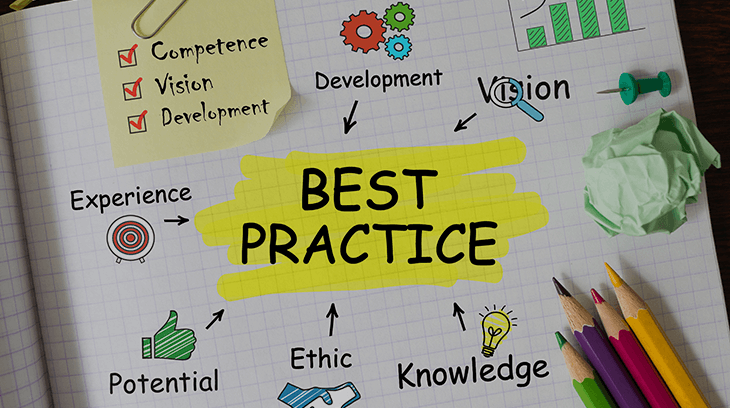
Engaging actively with Spanish podcasts enhances language acquisition by transforming passive listening into an active learning experience. Incorporating interactive techniques allows learners to deepen their understanding, improve pronunciation, and build confidence in speaking Spanish. These methods involve deliberate practice steps that make daily podcast sessions more effective and immersive.
Interactive elements such as pausing, shadowing, and recording exercises create opportunities for learners to practice speaking in real-time, mimicking natural speech patterns and intonation. By integrating these practices into daily routines, learners develop better pronunciation, listening comprehension, and spontaneous speaking skills essential for fluency.
Pausing and Practicing Segments Aloud
Pausing during podcast sessions at strategic moments allows learners to process information and practice reproducing sentences immediately afterward. This technique helps reinforce vocabulary, grammatical structures, and pronunciation. To implement this, learners should:
- Listen to a sentence or phrase attentively.
- Pause the audio just after the sentence ends.
- Repeat the sentence aloud, trying to imitate the intonation and pronunciation.
- Compare their pronunciation with the native speaker’s, making adjustments as needed.
Consistency in pausing and practicing not only improves pronunciation but also enhances listening skills by encouraging active engagement with the material.
Creating Shadowing Exercises Based on Podcast Dialogues
Shadowing involves listening to a segment of the podcast and simultaneously repeating it, ideally in real-time, to mimic the speaker’s speech patterns closely. It fosters fluency, intonation, and rhythm in spoken Spanish. To set up effective shadowing exercises:
- Select a podcast segment that features clear, natural dialogue, ideally no longer than one to two minutes.
- Listen attentively to the segment multiple times to familiarize yourself with the pronunciation, pacing, and intonation.
- Begin shadowing by repeating the dialogue aloud immediately after hearing each line or phrase, maintaining a natural pace.
- Focus on matching the speaker’s tone, speed, and rhythm as closely as possible.
- Gradually increase the difficulty by shadowing longer segments or faster speech as proficiency improves.
Shadowing not only boosts pronunciation accuracy but also trains the brain to process spoken language more efficiently, leading to more spontaneous speech production.
Organizing Techniques for Recording and Evaluating Spoken Spanish
Recording oneself during practice sessions provides valuable feedback and allows for self-evaluation and tracking progress over time. Effective organization of recording practices involves:
- Using a reliable recording device or app on a smartphone or computer that captures clear audio.
- Establishing a regular schedule for recording sessions, ideally daily or several times a week.
- Recording short snippets during practice—such as shadowed dialogues, sentences practiced aloud after pausing, or spontaneous speech attempts.
- Listening to recordings critically to identify pronunciation errors, intonation issues, or areas needing improvement.
- Keeping a journal or log to note progress, recurring mistakes, and areas for targeted practice.
- Seeking feedback from native speakers or language tutors by sharing recordings for constructive criticism.
Integrating recording and evaluation into daily practice not only accelerates learning but also boosts confidence as learners recognize their progress and address specific weaknesses systematically.
Tracking Progress and Adjusting Practice
Maintaining an effective Spanish speaking practice using podcasts requires consistent monitoring of your improvement over time. Regularly assessing your speaking and comprehension skills allows you to identify strengths, recognize areas needing reinforcement, and optimize your routine for continuous advancement. By implementing systematic tracking and flexible adjustments, you can maximize your learning efficiency and maintain motivation throughout your language journey.
Tracking progress involves collecting data on various aspects of your language acquisition, including speaking fluency, vocabulary recall, listening comprehension, and pronunciation accuracy. Adjustments to your practice routine are based on this feedback, ensuring that your activities remain challenging yet achievable, fostering sustained growth and confidence.
Monitoring Improvements in Speaking and Comprehension
Keeping a record of your daily practice activities and achievements provides valuable insights into your language development. Consistent self-evaluation helps you recognize patterns, measure progress, and set realistic goals for future practice sessions. Tracking also enhances accountability and provides motivation by showcasing tangible results over time.
To effectively monitor your progress, consider the following methods:
- Self-Assessment Journals: Maintain a daily or weekly journal where you record your perceived ease in understanding podcasts, your speaking fluency, and comfort level with new vocabulary or grammatical structures.
- Audio Recordings: Regularly record yourself speaking Spanish during practice sessions. Listening back to these recordings allows you to compare your pronunciation, fluency, and coherence over time.
- Progress Checklists: Use structured checklists to evaluate specific skills such as comprehension of different podcast topics, pronunciation accuracy, and ability to summarize content coherently.
- Feedback from Native Speakers or Tutors: Incorporate feedback sessions where native speakers or tutors assess your speaking recordings and provide constructive comments.
Designing a Practice Activity and Achievement Template
A well-structured template for recording daily activities and achievements can streamline your progress tracking and facilitate meaningful adjustments. Here is an example of a comprehensive template:
Date Podcast Episode Title & Duration Listening Duration New Vocabulary & Expressions Learned Pronunciation & Fluency Notes Comprehension Level (1-5) Speaking Practice Duration Self-Evaluation & Comments Next Steps / Adjustments 2024-04-15 Daily News Podcast, 20 min 20 min 20 new idioms and phrases Improved clarity, slight hesitation on rapid speech 4 10 min speaking on summarized content Felt more confident understanding main ideas but struggled with rapid segments Focus on listening to faster segments, add shadowing practice
This template promotes comprehensive documentation of daily efforts, facilitating reflection and informed adjustments.
Adapting Podcast Selections and Routines Based on Feedback
Your routine should evolve in response to your progress, ensuring continuous challenge and engagement. After reviewing your recorded data and self-assessments, consider the following strategies:
- Gradually Increase Difficulty: Shift towards more complex podcasts that incorporate diverse accents, idiomatic expressions, and advanced vocabulary to challenge your comprehension and speaking skills.
- Focus on Weak Areas: If assessments reveal difficulty with rapid speech or specific grammatical structures, select podcasts that emphasize these elements or incorporate supplemental practice such as targeted exercises.
- Vary Content and Format: Diversify topics and formats—news, interviews, dialogues—to expose yourself to different speech patterns and vocabulary, preventing plateauing and maintaining motivation.
- Adjust Listening and Speaking Durations: Based on your stamina and progress, modify the length of your listening and speaking sessions to optimize focus and avoid burnout.
Incorporating regular review sessions—perhaps weekly or biweekly—where you analyze your recorded performances and update your practice plan ensures your routine remains responsive and effective. Emphasizing flexibility and intentionality in your approach will foster steady improvement and confidence in your Spanish speaking skills.
Overcoming Common Challenges in Daily Podcast Practice
Maintaining a consistent daily podcast practice for learning Spanish can be highly effective, but it often presents certain obstacles that learners need to navigate. Recognizing these challenges and implementing practical strategies ensures sustained progress and motivation. Addressing issues such as time constraints, difficulties in understanding varied accents, and maintaining engagement is essential for creating a successful language learning routine through podcasts.
Understanding these common hurdles enables learners to develop targeted solutions, turning potential setbacks into opportunities for growth. This section explores typical challenges faced during daily podcast practice and offers effective methods to overcome them, fostering resilience and persistence in language acquisition.
Time Constraints and Scheduling Difficulties
In today’s busy world, finding dedicated time for daily language practice can be challenging. Many learners juggle work, family commitments, and other responsibilities, making it seem impossible to carve out consistent listening periods.
To address this, establishing a manageable schedule is crucial. Learners should identify short, dedicated time slots—such as during commutes, lunch breaks, or before bedtime—that can serve as regular practice periods. Using a planning tool or calendar to block these times creates a habitual routine. Additionally, breaking down longer podcasts into shorter segments, such as 10-15 minute sessions, can make daily practice more feasible and less overwhelming.
Employing flexibility by adjusting listening times based on daily demands fosters consistency without adding stress. Over time, these small, scheduled sessions accumulate, significantly improving language proficiency without requiring large time commitments.
Difficulty Understanding Accents and Variations
Spanish is spoken across numerous countries, each with distinct accents, dialects, and pronunciation nuances. Learners may initially find it challenging to understand speakers with unfamiliar accents, which can lead to frustration and decreased motivation.
To mitigate this, exposure to a diverse range of accents is essential. Incorporating podcasts from different regions—such as Spain, Mexico, Argentina, and Colombia—bresents learners with varied pronunciations and colloquialisms. Starting with podcasts that include slow, clear speech helps build foundational comprehension before progressing to more complex, fast-paced content.
Active listening techniques, such as pausing frequently, replaying segments, and noting unfamiliar words or sounds, can improve understanding over time. Supplementing audio with transcripts or subtitles can also aid comprehension, making it easier to connect spoken words with written forms.
Maintaining Motivation and Consistency Despite Setbacks
Consistency is key to mastering Spanish through podcasts, but setbacks such as busy schedules, loss of interest, or temporary plateauing can hinder progress. Staying motivated requires a proactive approach to sustain engagement.
Setting clear, achievable goals helps maintain focus and provides a sense of accomplishment. Celebrating small milestones, such as understanding a full episode without external help or successfully catching key phrases, reinforces motivation. Incorporating variety in content—such as switching between topics like culture, news, or storytelling—prevents monotony and renews interest.
Joining online communities or language exchange groups fosters accountability and offers social support. Sharing progress, challenges, and successes with fellow learners provides encouragement and perspective. Remembering that language learning is a gradual process and maintaining patience helps learners persevere through inevitable setbacks.
Strategies for Diversifying Podcast Content to Sustain Interest
Boredom and fatigue can diminish the benefits of daily practice if the listening routine becomes monotonous. Diversifying podcast content enriches the learning experience and sustains enthusiasm.
Aim to include a variety of formats and topics, such as interviews, storytelling, news analysis, and cultural discussions. This variety exposes learners to different vocabulary sets, speech speeds, and conversational styles, broadening comprehension skills. For example, alternating between a daily news podcast and a storytelling series can keep practice engaging and relevant.
Utilize themed playlists or curated podcast lists that focus on specific interests, such as travel, cuisine, or history, aligning practice with personal passions. Additionally, exploring podcasts produced by native speakers from different regions offers authentic exposure to diverse accents and idiomatic expressions, making daily practice both educational and enjoyable.
Consistent effort combined with variety keeps the learning process dynamic and engaging, ensuring sustained motivation and progress in acquiring Spanish skills.
Supplementing Podcast Practice with Additional Resources
Engaging with podcasts provides an excellent foundation for developing Spanish speaking skills; however, integrating supplementary resources can significantly enhance your language acquisition journey. Combining multiple tools and techniques ensures a more comprehensive and well-rounded learning experience, addressing different skills such as speaking, writing, reading, and comprehension.
Utilizing a variety of resources alongside your podcast routine promotes active engagement and reinforces learning through diverse methods. This multifaceted approach not only accelerates progress but also helps maintain motivation by introducing variety and challenge into your daily practice.
Complementary Tools for Language Learning
Incorporating additional resources beyond podcasts creates a rich learning environment that supports various aspects of language mastery. Here are some effective tools and their roles in supplementing your routine:
- Language Learning Apps: Interactive platforms like Duolingo, Babbel, or Memrise offer structured lessons, vocabulary drills, and grammar exercises. These apps are accessible on mobile devices, allowing for quick practice sessions that reinforce vocabulary and grammatical concepts encountered in podcasts.
- Flashcards and Spaced Repetition Systems (SRS): Digital or physical flashcards enable focused vocabulary review. SRS algorithms like Anki optimize review timing, helping solidify new words and phrases from podcasts into long-term memory.
- Conversation Groups and Language Exchange Partners: Engaging in real-time conversations with native speakers or fellow learners provides practical speaking opportunities. Platforms such as Tandem or Meetup facilitate connections that complement listening practice with active speaking and listening exchanges.
- Writing Exercises and Journaling: Maintaining a daily journal or participating in writing prompts encourages active use of vocabulary and grammar. Writing about topics related to podcast themes reinforces comprehension and allows for self-assessment of language progress.
- Online Resources and Cultural Content: Accessing Spanish articles, news sites, or videos broadens understanding of cultural context, idiomatic expressions, and colloquial language that may not be fully captured through podcasts alone.
Integrating Resources with Podcast Routines
Effective integration involves aligning these tools within a cohesive learning schedule that maximizes their benefits. For example, after listening to a podcast episode on travel, learners could review related vocabulary using flashcards, practice speaking with a conversation partner about travel experiences, and write a brief summary of the episode in their journal. This interconnected approach ensures multiple skills are developed simultaneously.
Scheduling dedicated slots for different activities—such as morning vocabulary review, midday conversation practice, and evening writing exercises—creates a balanced routine. Additionally, using apps for quick, on-the-go practice complements longer, more focused sessions with podcasts, leading to continuous engagement and reinforcement.
Combining listening, speaking, and writing exercises across various resources not only accelerates language acquisition but also builds confidence in real-world communication scenarios.
Benefits of Combining Listening with Speaking and Writing Exercises
Integrating multiple language skills through varied resources leads to several key advantages:
- Enhanced Retention: Engaging multiple modalities helps transfer knowledge from passive listening to active use, improving long-term retention of vocabulary and grammatical structures.
- Improved Fluency and Confidence: Regular speaking and writing practice, supported by listening and vocabulary reinforcement, reduce hesitation and increase comfort in real conversations.
- Holistic Language Development: Addressing all core skills—listening, speaking, reading, and writing—creates a comprehensive learning experience that prepares learners for diverse communication contexts.
- Increased Motivation: Variety in resources maintains interest and prevents monotony, keeping learners motivated and committed to daily practice.
By thoughtfully combining podcasts with these supplementary tools, learners can create a dynamic and effective Spanish learning routine that accelerates progress and fosters genuine communicative competence.
Final Thoughts
In conclusion, making podcast listening a daily habit provides a practical and effective method to improve your Spanish speaking skills. By choosing the right content, practicing actively, and monitoring your growth, you can achieve noticeable progress and enjoy the journey of language acquisition. Embrace this approach to turn everyday listening into a powerful tool for fluency.