Learning how to speak Japanese for daily conversations opens the door to authentic cultural experiences and meaningful interactions with locals. This journey involves practical strategies that focus on developing speaking and listening skills essential for everyday situations. By adopting a structured approach, learners can progressively build their vocabulary, improve comprehension, and gain confidence in real-life conversations.
This guide covers fundamental techniques for mastering essential phrases, listening comprehension, and cultural insights, all of which are vital for engaging effectively in daily Japanese communication. Whether navigating shopping, dining, or social interactions, these methods aim to make learning both practical and enjoyable, ensuring steady progress toward fluency in everyday settings.
Fundamental Approaches to Learning Japanese for Daily Conversation
Mastering Japanese for daily communication involves targeted strategies that prioritize practical speaking and listening skills. Focusing on real-life language use enables learners to navigate everyday situations more confidently and naturally. Applying effective methods tailored for beginners can significantly accelerate your progress towards conversational fluency.
These approaches emphasize active engagement, consistent practice, and contextual learning. By integrating vocabulary building, listening exercises, and speaking routines into your daily schedule, you can develop a well-rounded foundation for real-world interactions. Below, we explore key strategies and step-by-step procedures to optimize your learning journey.
Practical Strategies for Beginners
Effective beginner strategies are essential for establishing a solid conversational base. These methods focus on immersing learners in real-life language use while avoiding overwhelming complexity. The key is to prioritize speaking and listening from the outset, which builds confidence and reinforces retention.
- Utilize Role-Playing Exercises: Practice common scenarios such as ordering food, greeting others, or asking for directions. This prepares you for actual conversations and helps internalize useful expressions.
- Engage with Language Partners: Find language exchange partners or tutors who can provide immediate feedback and simulate real interactions, fostering practical speaking skills.
- Use Visual and Contextual Cues: Learn vocabulary through images and situational contexts, which enhances recall and applicability during conversations.
Step-by-Step Vocabulary Building for Everyday Topics
Building a relevant vocabulary foundation is crucial for effective communication in daily life. Focusing on practical themes such as shopping, transportation, dining, and greetings ensures your language skills are immediately applicable.
- Identify Core Vocabulary Sets: Start with essential words and phrases related to common activities, such as numbers, time expressions, and everyday objects.
- Create Themed Flashcards: Use flashcards grouped by topics—e.g., grocery shopping or transportation—to memorize vocabulary systematically.
- Practice Contextual Usage: Incorporate new words into simple sentences and real-life dialogues to reinforce understanding and retention.
- Employ Spaced Repetition: Review vocabulary regularly using spaced repetition systems (SRS) to solidify memory over time.
Integrating Listening Practice with Real-Life Dialogues
Listening is integral to understanding and participating in daily conversations. Combining listening practice with realistic dialogues ensures learners become familiar with natural speech patterns, colloquialisms, and pronunciation nuances.
- Use Authentic Audio Resources: Listen to podcasts, radio broadcasts, or dialogues from language learning platforms that feature everyday conversations in natural settings.
- Simulate Real Interactions: Practice listening to and repeating lines from dialogues, then try to respond or role-play with a partner based on the context.
- Focus on Key Phrases and Intonation: Pay attention to common expressions, pitch, and rhythm to mimic natural speech and improve comprehension.
- Transcribe and Analyze Dialogues: Write down spoken exchanges to identify vocabulary, sentence structures, and pronunciation patterns, enhancing deeper understanding.
Establishing Consistent Daily Practice Routines
Consistency is vital for language acquisition. Developing a daily routine helps reinforce learning, build fluency, and maintain motivation. Structuring your practice into manageable, focused segments ensures steady progress without burnout.
- Set Specific Daily Goals: Define clear, achievable objectives for each session, such as learning ten new words or practicing a particular conversation.
- Allocate Dedicated Time Slots: Dedicate fixed periods each day—morning, lunch break, or evening—for focused practice, making it a habit.
- Mix Different Learning Activities: Combine vocabulary drills, listening exercises, speaking practice, and review sessions to keep engagement high.
- Track Progress and Adjust: Keep a journal of daily activities and achievements, adjusting routines as needed to address challenges and reinforce strengths.
- Incorporate Real-Life Usage: Apply what you learn in actual situations, such as greeting a neighbor or ordering coffee, to reinforce practical application.
Essential Vocabulary and Phrases for Daily Japanese Communication
Building a functional Japanese vocabulary tailored to everyday situations is fundamental for effective communication. Mastering common expressions used in shopping, dining, and commuting enables learners to navigate typical daily interactions confidently. Familiarity with these phrases not only facilitates smoother exchanges but also enhances cultural understanding and social integration within Japanese communities.
This section offers a categorized compilation of essential expressions, a comparative table with pronunciation guides, detailed explanations of their contextual usage, and visual representations of typical dialogues to support practical learning and real-world application.
Common Expressions Used in Shopping, Dining, and Commuting
Engaging in routine activities such as shopping, eating out, or commuting involves specific phrases that are frequently employed by locals. Acquiring these expressions helps learners handle common scenarios with ease and politeness, fostering positive interactions and smoother experiences.
- Shopping: Phrases for asking about products, prices, and payment methods.
- Dining: Expressions to order food, ask for recommendations, and request the bill.
- Commuting: Sentences used when purchasing tickets, confirming routes, and asking for directions.
| Category | Phrase in Japanese | Pronunciation Guide | English Translation |
|---|---|---|---|
| Shopping | これはいくらですか? | Kore wa ikura desu ka? | How much is this? |
| Shopping | カードで払えますか? | Kaado de haraemasu ka? | Can I pay by card? |
| Dining | おすすめは何ですか? | Osusume wa nan desu ka? | What do you recommend? |
| Dining | お会計お願いします。 | Okanjou onegaishimasu. | Could I have the bill, please? |
| Commuting | この電車は○○行きですか? | Kono densha wa ○○ yuki desu ka? | Does this train go to ○○? |
| Commuting | 次の駅はどこですか? | Tsugi no eki wa doko desu ka? | What is the next station? |
Contextual Usage of Key Phrases
Understanding when and how to use these phrases is crucial for effective communication. The following bullet points provide insights into their practical applications:
- Asking about prices: When browsing items in a store, use the phrase
これはいくらですか?
to inquire about the cost. It demonstrates politeness and shows respect for the seller.
- Requesting the bill: After enjoying a meal, saying
お会計お願いします。
politely requests the check, ensuring a smooth transaction with restaurant staff.
- Inquiring about transportation routes: When unsure about train destinations, asking
この電車は○○行きですか?
helps confirm your travel plans, avoiding mistakes during busy commutes.
Visual Aids Illustrating Typical Dialogues
Imagine a typical shopping encounter where a customer approaches a cashier and asks about a product. The dialogue might unfold as follows: the customer points to an item and asks,
これはいくらですか?
The cashier responds with the price, such as,
それは500円です。
(“That is 500 yen.”).
In a dining scenario, a customer may call the waiter and say,
お会計お願いします。
The waiter nods and brings the bill promptly, allowing seamless payment and leaving a positive impression.
For commuting, a traveler on a train might ask,
次の駅はどこですか?
to confirm the upcoming station, ensuring they disembark at the correct location. These visual dialogues help learners internalize contextual cues and appropriate responses, fostering confidence in daily interactions.
Listening and comprehension techniques for conversational Japanese

Developing strong listening skills is essential for effective communication in Japanese, especially for everyday conversations. Mastering these techniques allows learners to understand speech as it naturally occurs, including colloquial expressions, idiomatic phrases, and varying speech speeds. Utilizing a variety of audio resources and practicing with real-life scenarios can significantly enhance comprehension, enabling smoother interactions in daily contexts.To improve understanding of natural speech, learners should leverage diverse audio materials such as podcasts, radio broadcasts, and authentic conversations.
These resources expose learners to different accents, speech tempos, and colloquial usage, helping to bridge the gap between textbook Japanese and real-world communication. Active listening involves not only hearing words but also interpreting tone, emotion, and contextual cues, which are vital for grasping the full meaning of conversations.Practicing with real-life audio scenarios involves engaging with recordings that feature spontaneous dialogue, interviews, or everyday interactions.
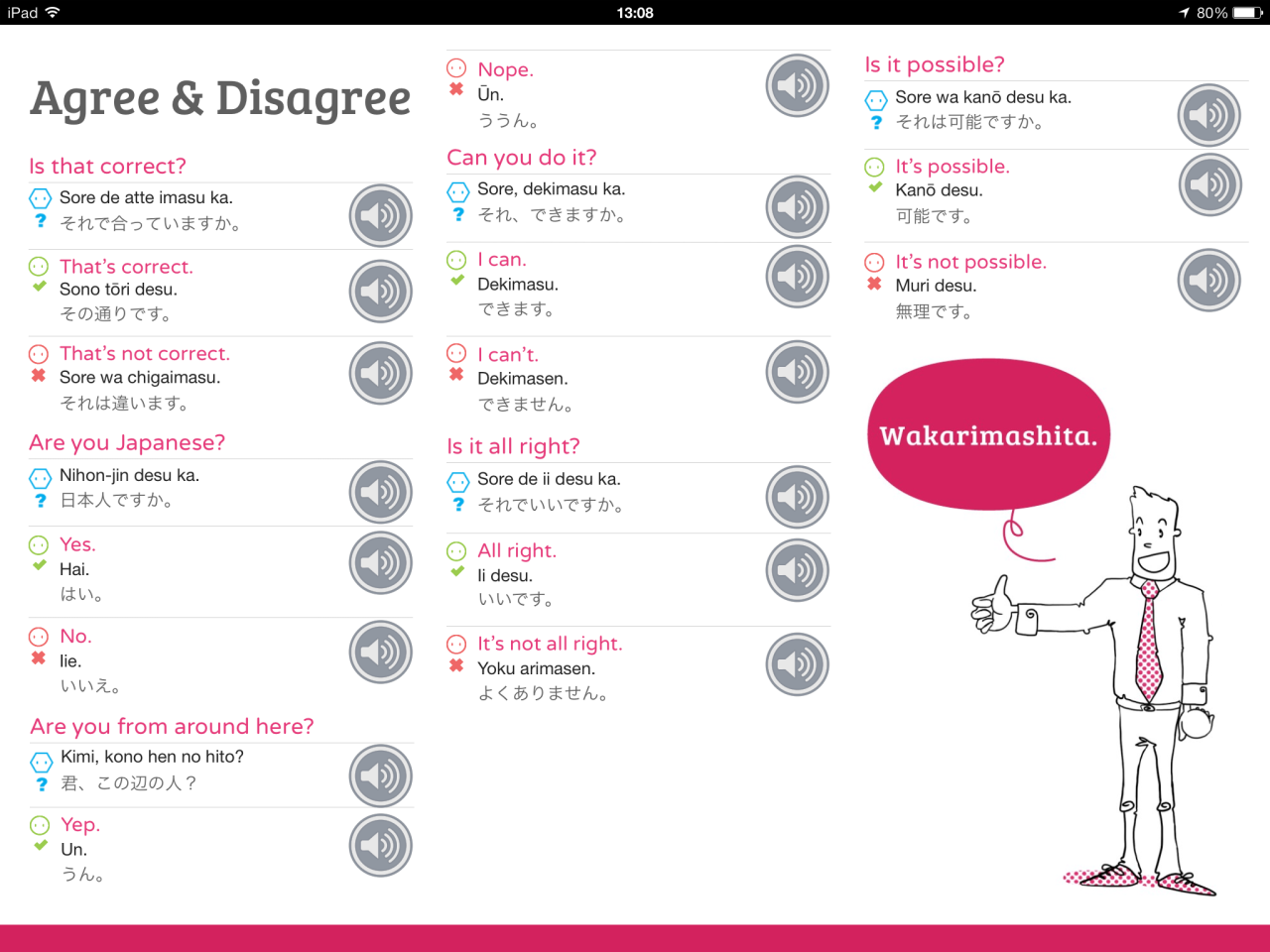
Repeated listening to these scenarios helps learners identify common speech patterns and anticipate conversational flows. It is valuable to pause and replay segments, focusing on understanding key phrases and expressions, then gradually reducing reliance on transcripts until comprehension improves.Identifying conversational cues and colloquial expressions is crucial to navigating informal Japanese. Learners should pay close attention to filler words, intonation patterns, and sentence endings that signal agreement, disagreement, or continuation.
Recognizing colloquial words, contractions, and slang used in everyday speech enables learners to respond more naturally and confidently in casual settings.A comparative analysis of formal versus informal speech styles highlights the importance of context. Formal speech, characterized by polite vocabulary and respectful verb forms, is appropriate in professional or unfamiliar settings. Informal speech, on the other hand, employs casual expressions and relaxed grammar, which are common among friends and acquaintances.
Understanding when and how to switch between these styles enhances conversational fluency and cultural appropriateness. For instance, a student might observe that casual speech often omits polite suffixes like ‘desu’ or ‘masu,’ and uses contractions or abbreviations, whereas formal speech maintains a respectful tone with complete sentence structures.
Speaking Practice Strategies to Enhance Fluency
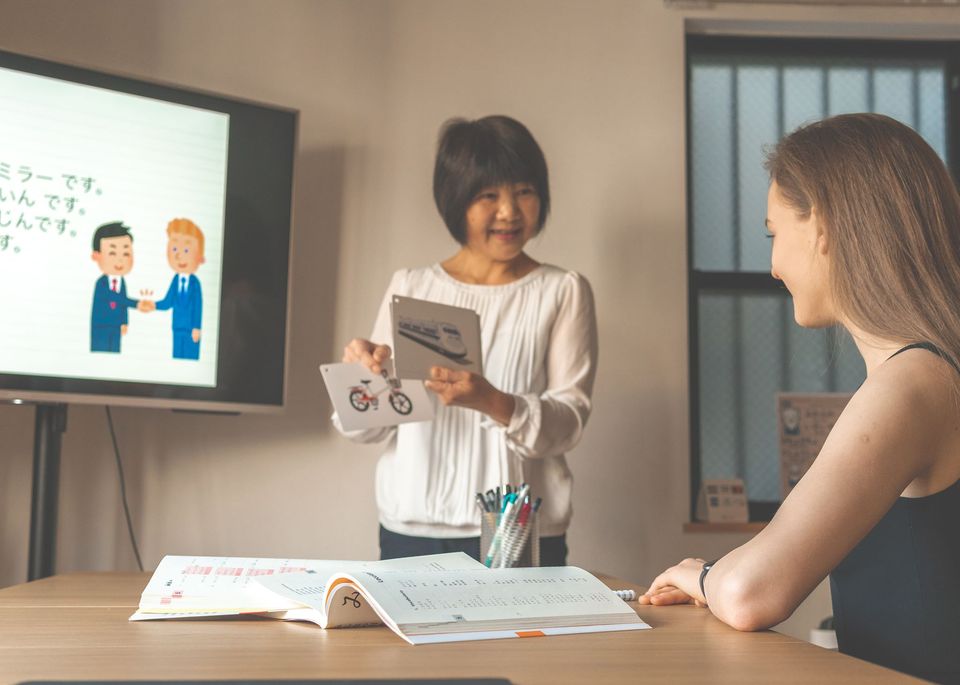
Achieving natural and confident Japanese conversation skills requires consistent and targeted speaking practice. Developing fluency involves immersing oneself in interactive and practical exercises that simulate real-life scenarios, fostering both confidence and accuracy. Employing diverse strategies enables learners to actively apply vocabulary, pronunciation, and comprehension skills in meaningful contexts, ultimately leading to increased proficiency and comfort in daily Japanese communication.Effective speaking practice involves a combination of structured activities and spontaneous interactions.
These methods help learners internalize language patterns, improve pronunciation, and build conversational confidence. Incorporating role-plays, group discussions, self-assessment techniques, and community engagement creates a comprehensive environment for continuous improvement in spoken Japanese.
Interactive Role-Play Exercises Simulating Daily Situations
Role-play exercises are a cornerstone of practical language learning, allowing learners to simulate real-world interactions in a controlled environment. These exercises enable students to practice common situations such as ordering food at a restaurant, asking for directions, shopping, or greeting neighbors. Creating scenarios that reflect typical daily encounters helps learners internalize relevant vocabulary, phrases, and cultural nuances.To maximize effectiveness, learners should prepare scripts that incorporate essential vocabulary and expressions.
Partners or instructors can act as native speakers, providing immediate feedback on pronunciation, intonation, and appropriateness. Rotating roles within the exercises exposes learners to different perspectives and conversational styles, fostering adaptability and spontaneous speech. For example, practicing a typical shopping conversation can help internalize phrases like “いくらですか?” (How much is this?) or “これをください” (I’ll take this).
Organizing Small Group Discussion Activities Focusing on Common Topics
Small group discussions serve as an excellent platform for practicing conversational skills in a collaborative setting. These activities encourage learners to express their opinions, ask questions, and respond spontaneously, which are critical components of fluency. Focusing on everyday topics such as hobbies, daily routines, weather, or cultural events makes discussions relevant and engaging.Facilitators can prepare prompts or themes to guide discussions, ensuring each participant has an opportunity to speak.
Encouraging active listening and respectful feedback enhances language comprehension and conversational flow. Group activities also foster a supportive environment where learners feel comfortable making mistakes and experimenting with new vocabulary and sentence structures. For instance, discussing favorite Japanese foods can lead to sharing personal preferences and related vocabulary, enriching the learner’s expressive capacity.
Providing Tips for Self-Recording and Analyzing Speech for Pronunciation Improvement
Self-recording is a highly effective method for monitoring progress and identifying areas for improvement. Recording spoken Japanese during practice sessions allows learners to objectively evaluate their pronunciation, intonation, and fluency. Regular review of recordings helps pinpoint persistent errors and track improvements over time, fostering self-awareness and motivation.When analyzing recordings, learners should focus on clarity, rhythm, and accuracy of pronunciation. Comparing recordings with native speakers or reference materials can highlight discrepancies and guide targeted practice.
Utilizing tools such as speech analysis apps or language learning software can provide additional insights into pronunciation nuances, pitch, and speech tempo. For example, a learner might record a daily shopping dialogue, then listen carefully to identify mispronounced sounds or unnatural pauses, and subsequently practice those specific segments.
Methods for Language Exchange Partnerships and Community Engagement
Engaging in language exchange partnerships with native speakers or other learners provides authentic conversational practice outside formal settings. These partnerships can be established through online platforms, local language meetups, or cultural communities. Regular interaction with native speakers helps learners acquire colloquial expressions, cultural context, and natural speech patterns.Community engagement, such as participating in Japanese cultural events, language clubs, or volunteering opportunities, immerses learners in environments where Japanese is actively used.
Such interactions promote spontaneous speaking opportunities, reinforce learned vocabulary, and build confidence. Additionally, establishing a consistent schedule for language exchanges encourages discipline and steady progress. For example, scheduling weekly virtual conversations with a Japanese peer allows for real-time feedback, correction, and cultural exchange, greatly enhancing fluency and cultural understanding.
Cultural Insights to Facilitate Natural Conversations
Engaging in daily Japanese conversations extends beyond vocabulary and grammar; understanding cultural norms and social behaviors plays a crucial role in communicating effectively and authentically. Familiarity with cultural nuances enables learners to navigate social interactions smoothly, demonstrating respect and building rapport with native speakers. Incorporating cultural insights into language practice not only enriches fluency but also fosters deeper mutual understanding, making conversations more meaningful and natural.Cultural awareness involves recognizing the subtle yet significant social expectations that influence communication styles, gestures, humor, and idiomatic expressions.
By appreciating these cultural elements, language learners can adapt their speech and behavior appropriately, avoiding misunderstandings and demonstrating genuine respect for Japanese customs and etiquette.
Social Norms and Etiquette in Daily Interactions
Understanding the etiquette that guides daily interactions in Japan is essential for respectful and effective communication. Japanese social norms emphasize humility, politeness, and harmony, which are reflected in everyday behaviors. Recognizing appropriate greetings, forms of address, and the importance of non-verbal cues helps learners to engage politely and confidently in conversations.Key etiquette practices include bowing as a sign of respect, using honorific language (“keigo”) when addressing elders or superiors, and exchanging business or personal cards with both hands as a sign of respect.
Maintaining a humble attitude, avoiding direct confrontation, and acknowledging social hierarchies are also vital in fostering positive interactions. Being aware of these norms supports seamless integration into social settings, whether casual chats or formal meetings.
Social Gestures and Their Meanings
Japanese culture employs a variety of gestures that convey respect, gratitude, or social hierarchy. Familiarity with these gestures enhances understanding and allows for more authentic interactions.
- Bowing: Ranges from a small nod to a deep bow, indicating respect, gratitude, or apology. The depth and duration of the bow depend on the social context and relationship.
- Head Tilt or Nod: A subtle way to show acknowledgment or agreement, often combined with eye contact or a slight bow.
- Hands Together: When greeting or thanking, placing hands together in front of the chest symbolizes sincerity and respect.
- Pointing: Typically avoided when gesturing to people; instead, the whole hand is used to indicate direction, as pointing directly can be considered rude.
- Silence: Often used as a form of politeness or reflection, silence in conversations can indicate thoughtfulness or disagreement without explicit confrontation.
Recognizing these gestures and their appropriate contexts empowers learners to interpret social cues accurately and respond respectfully, fostering smoother and more genuine exchanges.
Understanding Humor, Idioms, and Slang in Context
Humor, idioms, and slang are integral to natural, lively conversations but often pose challenges for language learners due to their cultural specificity. Mastery involves not only knowing the literal meanings but also grasping the contextual and cultural nuances influencing their use.Humor in Japan often relies on wordplay, puns, or shared cultural references. For instance, jokes involving kanji characters or homophones are common, but they require familiarity with language nuances.
Likewise, idiomatic expressions such as “猿も木から落ちる” (Even monkeys fall from trees) convey humility and the universality of making mistakes, and understanding these enriches conversational appropriateness.Slang tends to be regional or youth-oriented, such as “ヤバい” (Yabai), which can mean “cool,” “dangerous,” or “surprising,” depending on context. Learners should observe how native speakers use these expressions in real-life conversations, movies, or media to interpret their meaning accurately.To incorporate these elements effectively, learners should consume authentic Japanese media—such as TV shows, dialogues, or social media—while paying close attention to context, tone, and audience.
Engaging in casual conversations with native speakers and asking for explanations of colloquial expressions also enhances understanding.
Integrating Cultural Knowledge into Conversational Practice
Applying cultural insights into language practice involves deliberate strategies that blend linguistic skills with social awareness. This integration ensures conversations are not only linguistically correct but also culturally appropriate and engaging.Begin by observing and mimicking social behaviors, gestures, and speech patterns during interactions. Practice role-playing scenarios with a focus on etiquette, such as greeting, thanking, or apologizing, to build confidence in various social contexts.
Incorporate cultural references and idiomatic expressions naturally within dialogues, aiming to understand their subtle meanings and appropriate usage.Develop an awareness of situational appropriateness; for example, choosing formal language when speaking with elders or in professional settings, and casual language among friends. Engage with authentic Japanese media and participate in cultural events or conversations to observe genuine behaviors and reactions.Keep a cultural journal to note new gestures, idioms, or customs encountered during practice, reinforcing learning and contextual understanding.
Seeking feedback from native speakers about the cultural appropriateness of responses can further refine conversational skills, ensuring interactions are respectful, natural, and enriched with cultural depth.
Final Wrap-Up
In conclusion, mastering Japanese for daily conversation requires a combination of consistent practice, contextual learning, and cultural understanding. By embracing these strategies, learners will find themselves more comfortable and confident in everyday interactions, enriching their overall language experience. Remember, patience and persistence are key to transforming language skills into natural communication.