Embarking on a journey to Tokyo offers an unforgettable experience, and having basic Japanese skills can significantly enhance your adventure. Learning essential phrases and understanding cultural etiquette not only facilitates smoother interactions but also enriches your immersion into the local environment. This guide provides practical strategies and resources to help travelers acquire the necessary language skills efficiently and confidently.
From essential vocabulary to practical practice methods, this comprehensive overview aims to equip you with the tools needed to navigate Tokyo seamlessly. By focusing on real-world application and cultural awareness, you can make your trip more enjoyable and meaningful through effective language learning tailored for short-term travelers.
Introduction to Learning Japanese for Travel in Tokyo
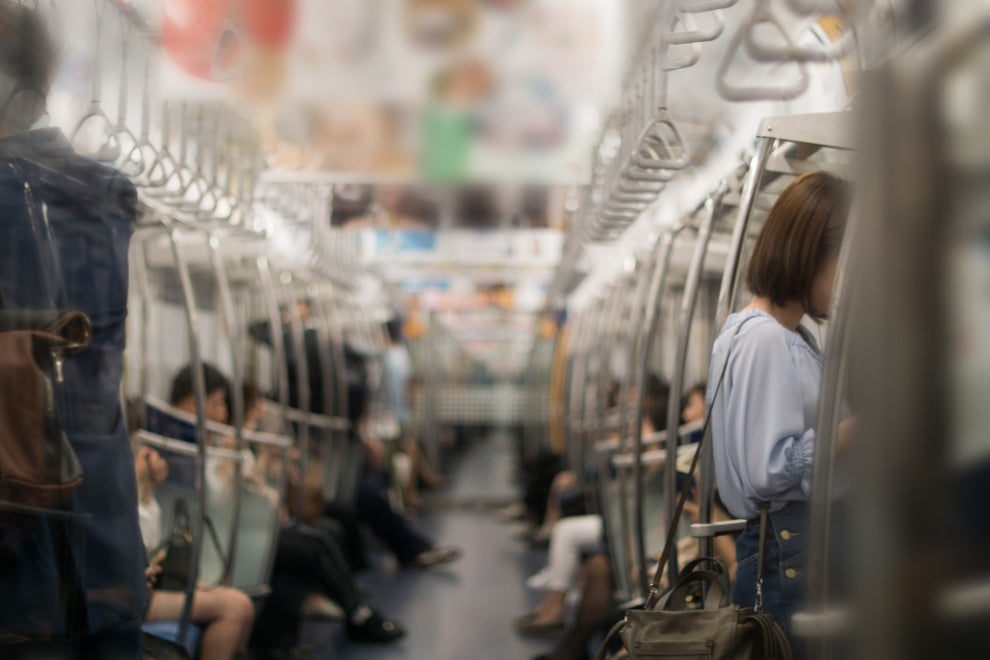
Embarking on a journey to Tokyo offers a vibrant blend of tradition and modernity, and having basic Japanese language skills significantly enriches the travel experience. While many Tokyo residents and service staff understand some English, making an effort to communicate in Japanese fosters respect, enhances interactions, and often leads to more authentic encounters. Understanding even simple phrases can help navigate transportation, order food, ask for directions, and engage with local culture more meaningfully.
To facilitate effective communication, it is essential for travelers to familiarize themselves with core Japanese expressions. These include greetings, polite requests, and essential questions that can be used in everyday situations. Mastery of these basic phrases not only boosts confidence but also demonstrates consideration for the local customs, creating positive impressions and smoother interactions during your stay.
Essential Japanese Phrases for Travelers in Tokyo
Below is a structured overview of key phrases that are invaluable for travelers exploring Tokyo. The table provides pronunciation guidance, context for use, and practical examples to help you incorporate these expressions seamlessly into your trip.
| Phrase | Pronunciation | Usage Context | Example |
|---|---|---|---|
| こんにちは | Konnichiwa | Greeting during daytime | When entering a shop or passing by someone:
|
| ありがとう | Arigatou | Expressing gratitude | After receiving help or service:
|
| すみません | Sumimasen | Getting attention or apologizing | To call a waiter or apologize for inconvenience:
|
| トイレはどこですか? | Toire wa doko desu ka? | Asking for the restroom location | While exploring a shopping mall:
|
| これをください | Kore o kudasai | Making a purchase or ordering food | At a restaurant or store:
|
| 英語を話せますか? | Eigo o hanasemasu ka? | Checking if the person speaks English | When unsure about language barriers:
|
| はい / いいえ | Hai / Iie | Yes or no responses | Responding to questions politely:
|
| さようなら | Sayounara | Farewell | Parting ways with locals or staff:
|
Learning and practicing these fundamental phrases before your trip can significantly ease daily interactions, reduce language barriers, and enable you to enjoy Tokyo with greater confidence and cultural sensitivity.
Basic Japanese Vocabulary and Phrases for Travelers
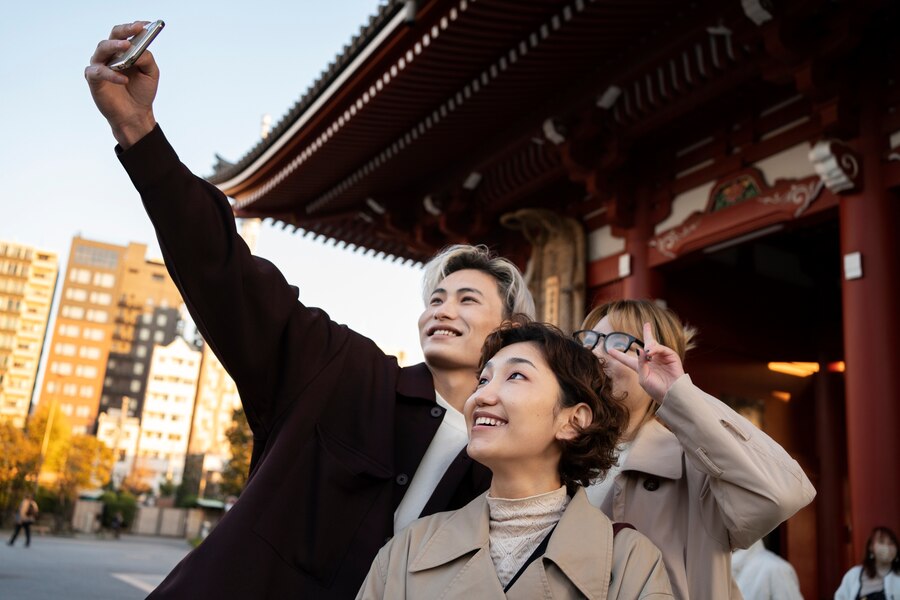
For travelers exploring Tokyo, acquiring a foundational set of Japanese words and phrases is essential to navigate daily interactions confidently. Knowing key vocabulary related to transportation, dining, shopping, and emergencies significantly enhances the overall travel experience, allowing for smoother communication and more authentic engagement with local culture.
Effective memorization of these common phrases can be achieved through various methods such as using flashcards, mobile language apps, and practical repetition. Consistent practice of categorized vocabulary ensures quick recall when needed, helping travelers handle a range of situations with ease and politeness that aligns with Japanese social norms.
Key Vocabulary Words for Navigation, Dining, Shopping, and Emergencies
Understanding and practicing a selection of essential words and phrases tailored to different scenarios in Tokyo can empower travelers to manage everyday interactions confidently. Here is a categorized list of important vocabulary, complete with pronunciation guides and meanings:
| Category | Japanese Phrase | Pronunciation | English Meaning |
|---|---|---|---|
| Navigation | 駅 (えき) | eki | Station |
| Navigation | これ / そこ / あそこ | kore / soko / asoko | This / That / Over there |
| Navigation | 左 (ひだり) | hidari | Left |
| Navigation | 右 (みぎ) | migi | Right |
| Navigation | まっすぐ | massugu | Straight ahead |
| Dining | メニュー | menyū | Menu |
| Dining | お勘定 (おかんじょう) | okanjō | Bill / Check |
| Dining | 美味しい (おいしい) | oishii | Delicious |
| Shopping | いくらですか | ikura desu ka | How much is it? |
| Shopping | 安い (やすい) | yasui | Cheap / Inexpensive |
| Shopping | 高い (たかい) | takai | Expensive |
| Emergency | 助けて (たすけて) | tasukete | Help |
| Emergency | 警察 (けいさつ) | keisatsu | Police |
| Emergency | 病院 (びょういん) | byōin | Hospital |
| Emergency | 救急車 (きゅうきゅうしゃ) | kyūkyūsha | Ambulance |
To reinforce learning, travelers are encouraged to utilize flashcards that feature the vocabulary words alongside images and pronunciation audio. Language learning applications like Duolingo, Anki, or Tandem offer interactive exercises and real-time pronunciation practice, making it easier to memorize and recall vital phrases in practical situations. Regularly practicing these words in contextual scenarios, such as ordering food or asking for directions, fosters smoother communication and boosts confidence during the journey in Tokyo.
Learning Resources and Tools Suitable for Travelers
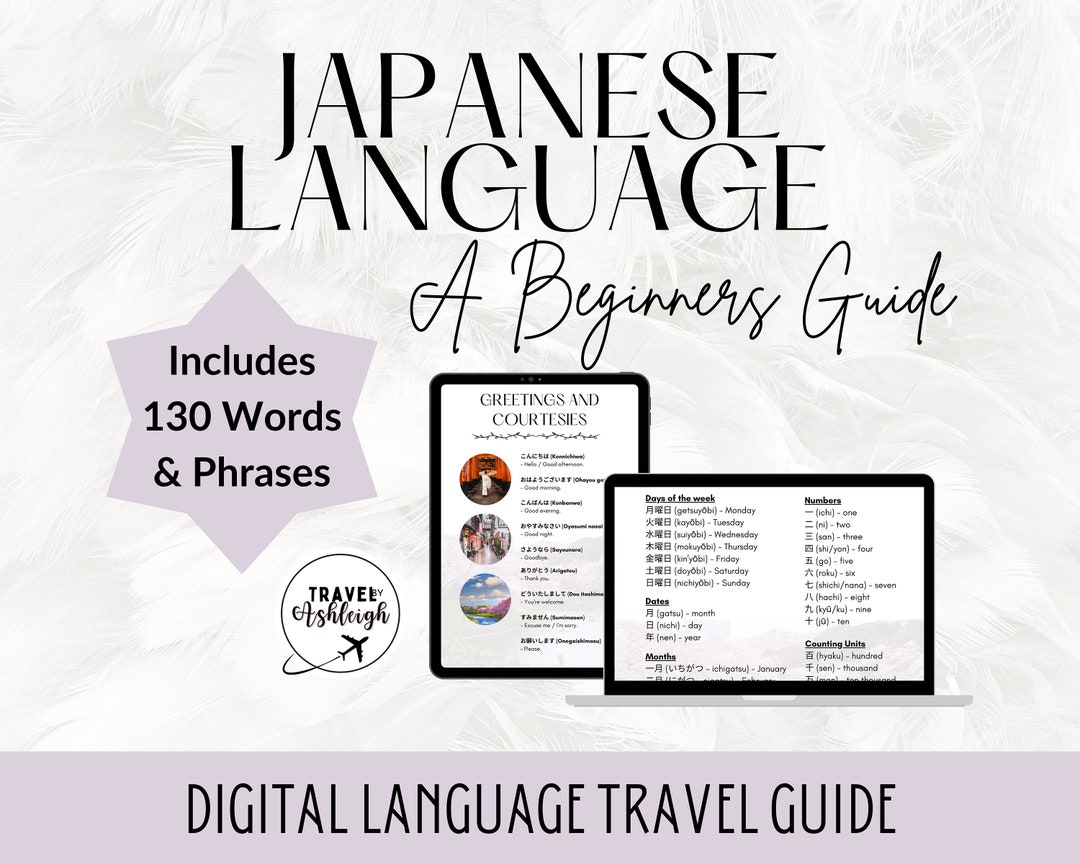
Equipping oneself with the right learning resources is essential for travelers aiming to communicate effectively during their stay in Tokyo. With numerous options available, choosing appropriate tools can significantly enhance the language acquisition process, making travel experiences more enjoyable and less stressful. Whether one prefers digital platforms, printed guides, or interactive classes, understanding the strengths of each resource can lead to more efficient learning tailored to short-term needs.
In the realm of language learning, travelers often balance convenience, cost, and effectiveness. Self-study methods such as apps and online resources offer flexibility, allowing learners to practice at their own pace and on their schedule. Guided classes, on the other hand, provide structured learning and immediate feedback, which can be particularly beneficial for grasping pronunciation and conversational nuances. Additionally, language exchange meetups foster real-life practice, enabling travelers to immerse themselves in authentic language use and cultural exchanges while in Tokyo.
Popular Language Learning Apps, Websites, and Printed Guides
For travelers seeking quick and accessible tools to learn Japanese, a variety of apps, websites, and printed guides are available. These resources cater to different learning styles and offer short-term, practical language skills that can be immediately applied during travel. Selecting the right combination depends on individual preferences, goals, and the amount of time available before departure.
| Resource Name | Format | Target Skill Level | Key Features |
|---|---|---|---|
| Duolingo | Mobile App, Web | Beginner to Intermediate | Gamified learning, bite-sized lessons, daily practice reminders |
| Japan Foundation’s “Japanese for Travelers” | Printed Guide | Beginner | Practical phrases, pronunciation tips, cultural notes, travel-specific vocabulary |
| Pimsleur Japanese | Audio Program, App | Beginner to Intermediate | Focus on pronunciation and oral skills, emphasis on listening and speaking |
| NHK World Easy Japanese | Website, Podcast | Beginner | Simplified dialogues, cultural insights, audio and transcript resources |
| Tae Kim’s Guide to Learning Japanese | Website, Ebook | Beginner to Intermediate | Clear grammar explanations, practical vocabulary, free access |
Self-Study Versus Guided Classes and Language Exchange Meetups
Choosing between self-study, guided classes, and language exchange meetups involves considering one’s learning style, time constraints, and desired outcomes. Self-study options like mobile apps and online resources provide unparalleled flexibility, allowing travelers to learn at their own pace and focus on specific areas such as travel phrases or basic grammar. These tools are often cost-effective and accessible, making them ideal for short-term learners with busy schedules.
Guided classes, whether conducted in person or online, offer structured curricula, expert guidance, and immediate feedback on pronunciation and grammar. These are especially beneficial for travelers who want a more comprehensive understanding of the language within a limited timeframe or those who prefer interactive learning environments.
Language exchange meetups facilitate practical application by connecting travelers with native speakers or fellow learners. Such interactions can significantly improve conversational skills, build confidence, and deepen cultural understanding. In Tokyo, numerous community centers, language cafes, and social events are organized regularly, providing excellent opportunities for immersive learning and authentic practice.
Practical Practice Strategies for Traveling in Tokyo
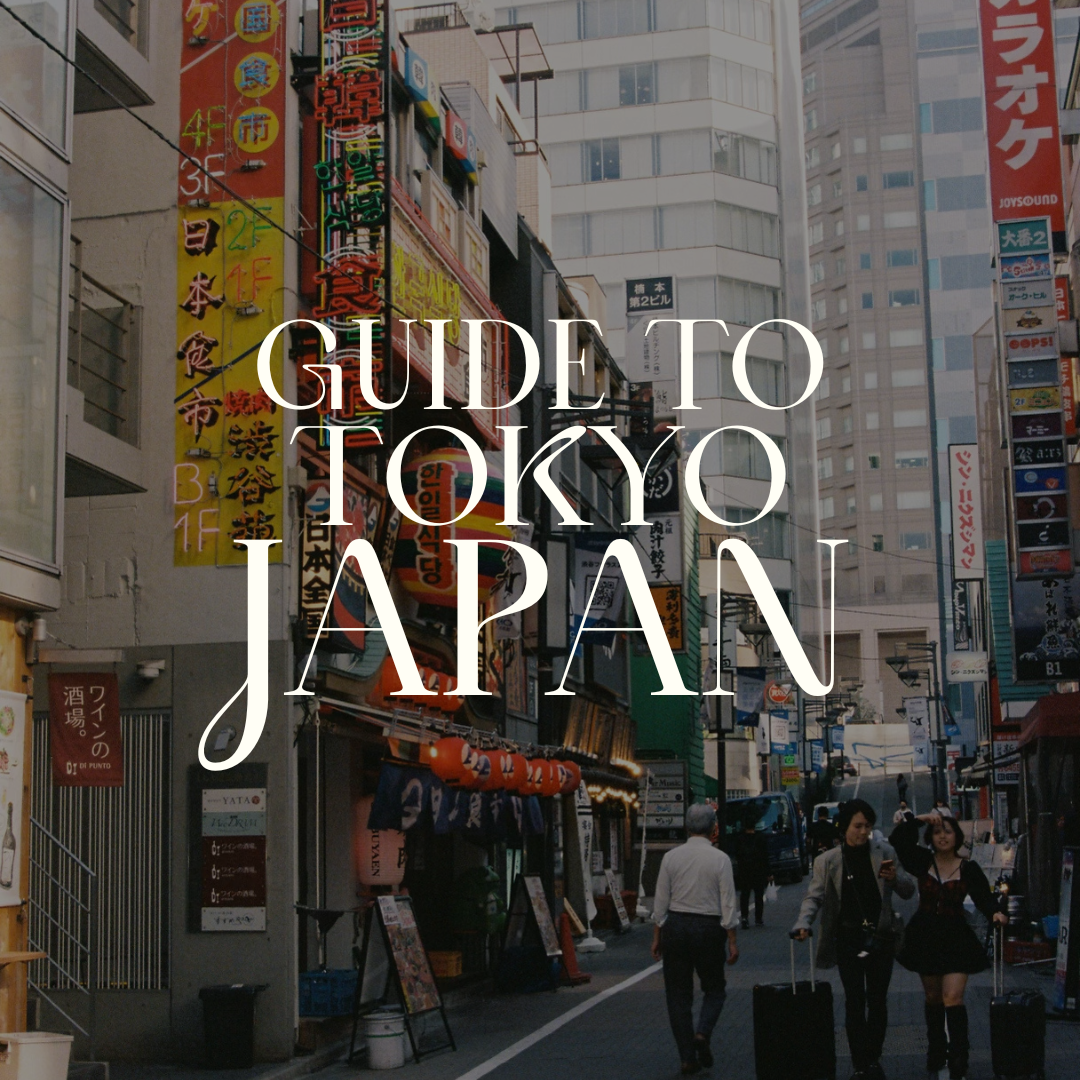
Engaging actively with the Japanese language during your visit to Tokyo enhances your communication skills and enriches your cultural experience. By practicing in real-world settings, travelers can gain confidence and develop a more authentic understanding of the language. Utilizing local interactions and immersive environments provides invaluable opportunities to apply vocabulary and phrases learned beforehand, making language skills more practical and memorable.
Implementing strategic practice methods while exploring Tokyo allows travelers to reinforce their language skills naturally and enjoyably. These strategies include engaging in conversations with locals, participating in language exchange programs, and immersing oneself in culturally rich environments like markets, temples, and cafes. Such activities not only improve language proficiency but also deepen cultural appreciation and facilitate meaningful connections with residents.
Engaging with Locals and Using Language Exchange Partners
Interacting with local residents and language partners is one of the most effective ways to practice Japanese in Tokyo. These exchanges provide real-time feedback and help travelers become comfortable with everyday conversational Japanese. Approaching small talk at shops, asking questions at stations, or joining community events can create natural practice opportunities. Using language exchange apps or attending meetups dedicated to language learning can connect travelers with native speakers eager to share their language and culture.
Building rapport through these interactions not only improves linguistic skills but also fosters cultural understanding. Even simple greetings or expressions like
“Konnichiwa” (Hello)
and
“Arigatou gozaimasu” (Thank you very much)
when used appropriately, can significantly boost confidence and lead to more engaging conversations.
Participating in Immersive Experiences
Immersive experiences situated within Tokyo’s vibrant landscape offer an excellent context for practical language practice. Visiting local markets, temples, and cafes immerses travelers in authentic language environments that stimulate real-life usage. These settings often involve spontaneous interactions, such as asking for prices, directions, or recommendations, providing dynamic opportunities to apply Japanese vocabulary and phrases learned beforehand.
Engaging actively in these environments encourages travelers to listen attentively, comprehend contextual cues, and respond appropriately in Japanese. For example, bargaining at a bustling fish market, requesting a menu item at a traditional ramen shop, or seeking guidance on temple routes are practical activities that reinforce language skills and cultural awareness.
Examples of Practice Activities in Tokyo
Practical activities enable travelers to incorporate language practice seamlessly into their exploration. The following examples illustrate effective methods:
- Role-playing scenarios: Simulate common interactions, such as ordering food at a restaurant or asking for directions, with a travel companion or language partner. Practice using polite phrases and common expressions to build confidence.
- Ordering food in local eateries: Initiate conversations with restaurant staff by pointing at menu items, using basic phrases like
“Kore o kudasai” (I’ll have this)
, and responding to questions about preferences.
- Asking for directions at public transport stations: Approach station staff or locals to inquire about train routes or bus stops, utilizing phrases like
“Eki wa doko desu ka?” (Where is the station?)
.
- Participating in market negotiations: Engage vendors at markets by bargaining politely, practicing phrases such as
“Takakute ikemasen” (It’s too expensive),
and learning how to respond to offers.
- Visiting temples and cultural sites: Use basic Japanese to ask about historical significance or to request permission to take photos, enriching cultural understanding and language usage.
Consistent practice in these real-world contexts encourages not only language retention but also builds the spontaneity and adaptability needed for comfortable communication during your trip to Tokyo. Embracing every opportunity for conversation, no matter how small, greatly enhances your overall experience and fluency in Japanese.
Cultural Etiquette and Communication Tips
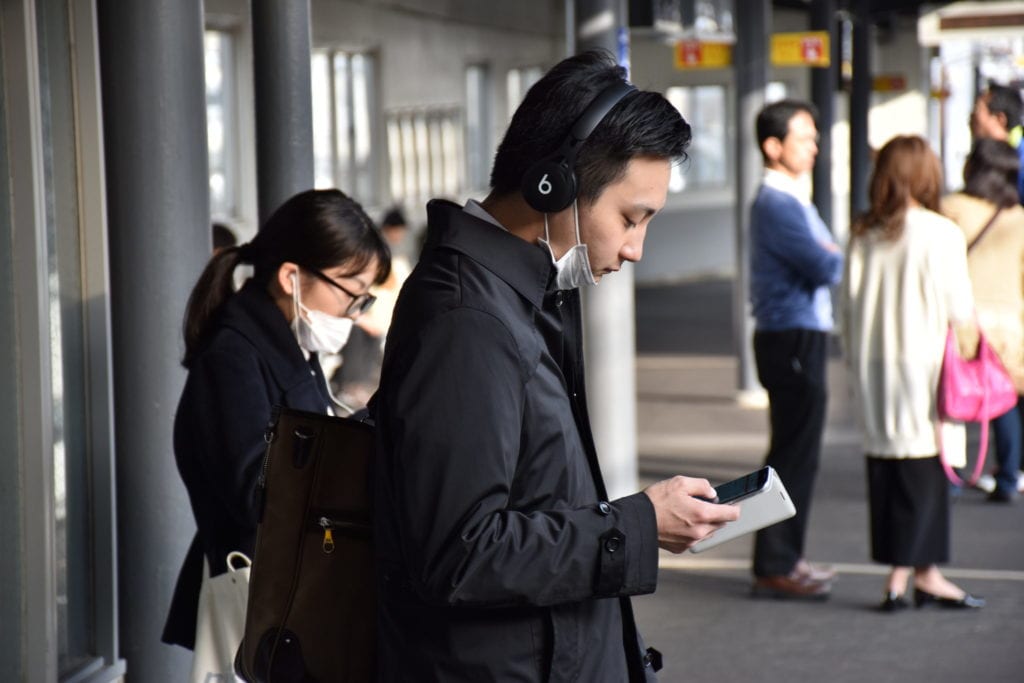
Understanding Japanese cultural norms and communication styles is essential for travelers seeking respectful and meaningful interactions in Tokyo. Demonstrating awareness of social etiquette not only facilitates smoother exchanges but also enriches your experience by fostering genuine connections with locals. Honoring these customs reflects appreciation for Japan’s rich traditions and helps navigate social situations with confidence and sensitivity.
In Tokyo, social norms and non-verbal cues play a significant role in daily interactions. Recognizing polite expressions, gestures, and body language enables travelers to communicate effectively while respecting local conventions. Mastering these etiquette guidelines ensures respectful engagement and enhances your overall travel experience in Japan’s vibrant capital.
Essential Japanese Social Norms and Polite Expressions
Japanese society places great importance on politeness, humility, and respect. Using appropriate language and gestures is fundamental in creating positive interactions. Travelers should familiarize themselves with basic etiquette to avoid unintended disrespect and to demonstrate courtesy in various settings such as restaurants, shops, transportation, and social gatherings.
Here are key etiquette practices and phrases to incorporate during your stay:
- Greetings and Bowing: Bowing is a traditional gesture of respect. A slight bow when meeting or thanking someone is customary, with deeper bows reserved for formal occasions or expressions of apology.
- Using Polite Language: Employ honorifics and formal speech when addressing strangers or elders. Basic phrases like
“Konnichiwa” (Hello), “Arigatou gozaimasu” (Thank you very much), and “Sumimasen” (Excuse me/I’m sorry)
demonstrate politeness and appreciation.
- Expressing Gratitude and Apology: Showing gratitude with a sincere
“Arigatou gozaimasu”
or
“Hontou ni arigatou gozaimasu”
(Thank you truly) is appreciated. When apologizing, use
“Sumimasen”
or
“Gomen nasai”
depending on the context.
- Respecting Personal Space and Silence: Maintain appropriate physical distance and avoid loud conversations, especially in public transport or quiet areas, to respect local customs of modesty and consideration.
- Handling Money and Transactions: When paying, place cash or cards on the tray provided rather than handing directly to the cashier, as a sign of respect and proper etiquette.
Non-verbal Communication Cues and Their Significance in Tokyo
Japanese communication heavily relies on non-verbal cues that convey respect, attentiveness, and understanding. Being attentive to body language and facial expressions aids in interpreting the intentions and feelings of locals, which is especially important in a culture where direct confrontation is often avoided.
Some key non-verbal communication elements to observe include:
- Facial Expressions: A gentle smile indicates friendliness and openness, while a lack of eye contact might signal politeness or humility. Maintaining a calm and respectful expression is appreciated.
- Body Language and Gestures: Nodding slightly during conversations shows attentiveness. Avoid overly expressive gestures, as they may be perceived as intrusive.
- Silence and Pausing: Pauses in conversation are common and valued, reflecting thoughtfulness and respect for the speaker’s words.
- Eye Contact: While sustained eye contact can be seen as confrontational in Japanese culture, brief glances demonstrate engagement. Respectful eye contact balances attentiveness and politeness.
- Touch and Personal Space: Physical contact is minimal in public settings. A gentle bow or handshake suffices when greeting; excessive physical contact should be avoided unless initiated by the other person.
Respectful gestures such as bowing, subtle nodding, and appropriate facial expressions are vital components of Japanese communication. Understanding and practicing these cues will help foster respectful, smooth interactions during your stay in Tokyo.
Common Challenges and How to Overcome Them
Traveling to Tokyo offers an exciting cultural experience, but for many learners of Japanese, it can also present several language-related challenges. Understanding these common difficulties and implementing effective strategies can significantly enhance your communication skills and overall travel experience. Recognizing potential hurdles allows travelers to prepare better, reducing frustration and fostering confidence during your journey through Japan’s vibrant capital.Japanese language learning can be complex, especially for travelers focusing on practical communication rather than academic mastery.
Difficulties such as pronunciation, understanding kanji, and grasping grammatical structures often emerge as hurdles. These challenges are natural but manageable with targeted approaches. By focusing on relevant vocabulary, engaging in listening practice, and understanding cultural nuances, travelers can navigate language barriers more smoothly, making their visit to Tokyo more enjoyable and immersive.
Pronunciation Difficulties and Practical Strategies
Pronunciation can be tricky for non-native speakers due to subtle tonal differences and unfamiliar sounds. Many travelers find it challenging to produce accurate pronunciation, which may lead to misunderstandings. To address this, it is beneficial to concentrate on the most common sounds and speech patterns used in everyday conversation. Listening to native speakers through podcasts, language apps, or audio guides can improve pronunciation and intonation.Practical strategies include practicing with audio resources that emphasize pronunciation, repeating phrases aloud, and recording oneself to compare with native speakers.
Engaging in simple dialogues with locals or language exchange partners in Tokyo can also provide real-life pronunciation practice, boosting confidence and clarity in communication.
Understanding Kanji and Complex Scripts
Kanji characters are often considered one of the most challenging aspects of Japanese, especially for travelers unfamiliar with the script. Many signs, menus, and directions in Tokyo are written in kanji, which can be overwhelming at first glance. Recognizing key kanji related to transportation, food, and accommodations can greatly facilitate navigation and daily interactions.To overcome difficulties with kanji, learners should focus on practical vocabulary and common characters used in travel contexts.
Utilizing flashcards, mobile apps, or signage guides that highlight essential kanji can make reading more manageable. Additionally, learning hiragana and katakana scripts thoroughly helps in phonetic reading, providing a foundation before tackling complex kanji.
Language Retention and Practical Usage
Another common challenge is retaining vocabulary and applying it confidently in real situations. Travelers may learn phrases in advance but struggle to recall or use them effectively during conversations. This challenge can be mitigated by immersive practice and contextual learning.Effective strategies include practicing phrases relevant to common travel scenarios, such as ordering food, asking for directions, or shopping. Role-playing exercises, conversational practice with native speakers, and using language apps designed for travel situations can reinforce retention.
Consistent exposure and practical use will build familiarity and ease in communication during your stay.
Comparison Chart of Challenges and Solutions
| Challenge | Explanation | Solution |
|---|---|---|
| Pronunciation Difficulties | Unfamiliar sounds and intonation patterns lead to mispronunciation and misunderstandings. |
|
| Understanding Kanji | Complex characters can be overwhelming, hindering comprehension of signs and menus. |
|
| Vocabulary Retention | Difficulty recalling and applying learned phrases during real interactions. |
|
| Grammatical Complexity | Japanese grammar can be intricate, leading to confusion in constructing sentences. |
|
Suggested Itineraries for Applying Language Skills in Tokyo
Developing practical language skills through immersive daily activities enhances both confidence and cultural understanding for travelers in Tokyo. Structured itineraries that incorporate sightseeing, cultural experiences, and interactions with locals provide invaluable real-world practice. These plans aim to blend language learning seamlessly with enjoyable exploration, ensuring travelers can confidently navigate Tokyo’s vibrant environment while honing their Japanese skills.
Below are carefully crafted sample itineraries that emphasize active use of vocabulary, phrases, and communication strategies. Each plan is designed to maximize engagement with local vendors, guides, and fellow travelers, fostering authentic conversations and cultural exchanges while sightseeing across Tokyo’s iconic districts.
Morning Cultural and Market Engagement
This itinerary focuses on starting the day with authentic interactions at markets and cultural sites, encouraging the use of basic Japanese phrases and vocabulary in real-life situations. It helps travelers practice transactional language, politeness forms, and common questions.
-
Visit Tsukiji Outer Market: Engage with vendors to inquire about fresh seafood, ask prices, and practice phrases like
“これはいくらですか?” (Kore wa ikura desu ka?)” (“How much is this?”).
Use polite expressions such as
“すみません、これをください” (Sumimasen, kore o kudasai)” (“Excuse me, I’ll have this”).
-
Participate in a Sushi Making Workshop: Interact with chefs and fellow participants, practicing commands and descriptions like
“これをお願いします” (Kore o onegaishimasu)” (“Please give me this”) and descriptive vocabulary for ingredients.
Focus on listening for instructions and confirming understanding with phrases like
“わかりました” (Wakarimashita)” (“I understand”).
-
Explore Asakusa and Senso-ji Temple: Use directional phrases such as
“右に行きます” (Migi ni ikimasu)” (“Turn right”) and questions like
“この寺はどこですか?” (Kono tera wa doko desu ka?)” (“Where is this temple?”).
Engage with local guides or staff to learn about the history and culture using simple Japanese.
Afternoon Sightseeing and Interaction
This segment emphasizes engaging with locals and fellow travelers during sightseeing, fostering conversational skills and cultural etiquette. It encourages using specific vocabulary related to transportation, shopping, and sightseeing.
-
Visit Tokyo Skytree or Shibuya Crossing: Practice asking for directions, such as
“すみません、駅はどこですか?” (Sumimasen, eki wa doko desu ka?)” (“Excuse me, where is the station?”).
Use polite expressions when requesting assistance.
-
Shopping in Harajuku or Ginza: Engage with shop staff by practicing phrases like
“これを見せてください” (Kore o misete kudasai)” (“Please show me this”) and asking about sizes or colors.
Confirm understanding and express preferences politely.
-
Interact with Street Vendors or Food Stalls: Order food using phrases like
“一つください” (Hitotsu kudasai)” (“One, please”) and inquire about ingredients or recommendations with expressions such as
“おすすめは何ですか?” (Osusume wa nan desu ka?)” (“What do you recommend?”).
Evening Cultural Experiences and Reflection
Evening activities provide opportunities for deeper cultural immersion and reflection, promoting the use of more complex sentences, gratitude expressions, and small talk with locals or fellow travelers.
-
Attend a Traditional Tea Ceremony: Engage with hosts by practicing phrases like
“どうもありがとうございます” (Domo arigato gozaimasu)” (“Thank you very much”) and asking questions about the ceremony using basic vocabulary.
-
Visit Izakayas or Local Restaurants: Use language skills to order drinks and dishes, making small talk such as
“おいしいですね” (Oishii desu ne)” (“It’s delicious, isn’t it?”) and expressing appreciation with
“ごちそうさまでした” (Gochisou sama deshita)” (“Thank you for the meal”).
- Reflection and Practice: Conclude the day by reviewing new vocabulary and phrases learned, perhaps engaging with fellow travelers or hotel staff by sharing experiences using simple Japanese sentences.
Engaging actively with local vendors, guides, and fellow travelers in authentic contexts enhances language retention and cultural understanding, turning everyday interactions into practical learning opportunities.
Final Thoughts
Mastering the basics of Japanese for your trip to Tokyo opens doors to authentic experiences and meaningful connections with locals. With the right resources, practice strategies, and cultural insights, you can confidently explore the city while communicating effectively. Embrace the learning journey as part of your adventure to make your Tokyo visit truly memorable and immersive.