Discover practical and efficient methods to accelerate your Mandarin vocabulary acquisition. Whether you’re a beginner or seeking to enhance your language skills, understanding how to learn Mandarin vocabulary quickly can significantly boost your learning journey. By applying proven techniques, leveraging technology, and creating personalized study routines, you can immerse yourself in the language and retain new words more effectively.
This guide explores a variety of techniques including memory aids like spaced repetition and mnemonics, the use of innovative apps and tools, customized study planning, immersive practices, and daily integration tips. Overcoming common challenges and maintaining motivation are also addressed to ensure a comprehensive approach to mastering Mandarin vocabulary swiftly.
Effective Techniques for Memorizing Mandarin Vocabulary Quickly
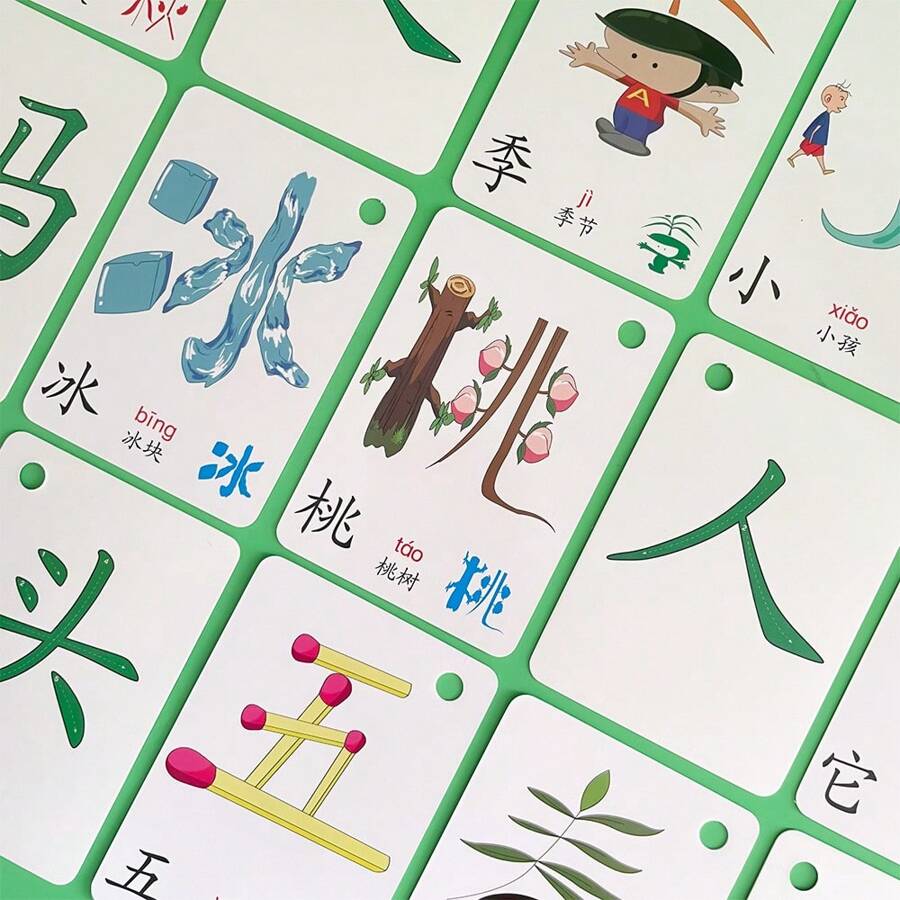
Mastering Mandarin vocabulary efficiently is essential for language learners aiming to communicate effectively and build confidence. Employing proven memory techniques can significantly accelerate this process, making vocabulary retention more manageable and enjoyable. In this section, we will explore some of the most effective methods that can be integrated into your learning routine to enhance recall and comprehension.
These memory techniques leverage cognitive strategies rooted in psychological research, aiding in the encoding, storage, and retrieval of new vocabulary. By understanding and applying these methods systematically, learners can transform their vocabulary acquisition from a daunting task into a structured and rewarding experience.
Spaced Repetition
Spaced repetition is a scientifically backed method that involves reviewing vocabulary at increasing intervals over time. This technique exploits the psychological spacing effect, which states that information is more easily retained when exposure is spaced out rather than crammed in a short period.
To implement spaced repetition for Mandarin vocabulary, follow these steps:
- Create or choose a digital flashcard system that supports spaced repetition algorithms, such as Anki or Quizlet.
- Input the Mandarin words along with their pinyin and meanings, optionally including example sentences.
- Review the flashcards daily, allowing the software to schedule repetitions based on your recall performance.
- Consistently follow the review schedule, ensuring that difficult words are reviewed more frequently until they are firmly memorized.
This method optimizes study time by focusing on words that need reinforcement and gradually phasing out those already mastered, thereby maximizing retention efficiency.
Mnemonics
Mnemonics are memory aids that help associate unfamiliar vocabulary with familiar images, sounds, or concepts. They are particularly useful for memorizing Chinese characters, which can be complex and visually distinctive.
Applying mnemonics for Mandarin vocabulary involves the following process:
- Select a Mandarin word or character that needs to be memorized.
- Identify a vivid, memorable image, story, or phrase that sounds similar to the pronunciation or visually resembles the character.
- Create a mental story linking the image to the meaning of the word. For example, the character for “sun” (日, rì) can be visualized as a bright, shining sun in the sky.
- Repeat the mnemonic regularly, reinforcing the association each time you encounter the word.
Using mnemonics transforms abstract characters into memorable stories or images, significantly improving recall especially when learning characters’ meanings and pronunciations.
Visualization
Visualization involves creating mental images of vocabulary words and their meanings to enhance memory through visual association. This technique taps into the brain’s natural ability to remember images better than abstract data.
To effectively utilize visualization:
- When learning a new Mandarin word, imagine a detailed, vivid scene that represents its meaning. For instance, for the word “tree” (树, shù), picture a lush, green tree with leaves swaying in the breeze.
- Incorporate sensory details—colors, sounds, textures—to make the image more memorable.
- Link the image to the pronunciation by associating the sound of the word with the visual scene or specific elements within it.
- Review the mental images periodically, reinforcing the connection between the word, its meaning, and the visualization.
This method enhances retention by engaging multiple senses and creating a richer memory trace, making vocabulary more accessible during speaking and comprehension tasks.
Memory Techniques Comparison Table

| Technique | Description | Benefits | Implementation Tips |
|---|---|---|---|
| Spaced Repetition | Review vocabulary at increasing intervals to reinforce long-term retention, leveraging algorithms and scheduling. | Maximizes retention efficiency, reduces forgetting, and optimizes study time. | Use digital flashcard apps supporting spaced repetition; follow scheduled reviews diligently. |
| Mnemonics | Create associations, stories, or images linking vocabulary to familiar concepts or sounds. | Helps memorize complex characters and abstract words; improves recall speed. | Develop vivid, personalized stories; practice regularly with newly learned words. |
| Visualization | Construct mental images representing vocabulary meanings, engaging visual memory. | Enhances memory through sensory-rich scenes; aids in contextual understanding. | Practice forming detailed mental scenes; link images with pronunciation and usage. |
Using Technology and Apps to Accelerate Vocabulary Learning

Implementing modern technology and language learning applications can significantly enhance the efficiency and engagement of Mandarin vocabulary acquisition. Leveraging these tools allows learners to access a wide range of resources, practice actively, and receive immediate feedback, all of which contribute to faster mastery of new words and phrases.
Choosing the right apps involves assessing features that support interactive learning, personalized study plans, and effective memorization techniques. The following overview highlights popular language learning apps tailored for Mandarin learners, along with the key features to consider when selecting an optimal tool for vocabulary building.
Popular Language Learning Apps and Tools for Mandarin Vocabulary Acquisition
Several applications have gained recognition for their effectiveness in helping learners memorize Mandarin vocabulary efficiently. These apps often incorporate multimedia content, spaced repetition systems, and gamified learning experiences to motivate users and improve retention. Popular options include:
- Pleco: A comprehensive Chinese dictionary app with flashcards and handwriting recognition.
- Anki: A customizable flashcard app based on spaced repetition algorithms, suitable for memorizing vocabulary and characters.
- Duolingo: An interactive platform offering gamified lessons with vocabulary drills and pronunciation practice.
- HelloChinese: Designed specifically for Mandarin learners, featuring speech recognition, vocabulary games, and progress tracking.
- Skritter: Focused on writing and character memorization, integrating stroke order animation and vocabulary quizzes.
Features to Look for in Mandarin Vocabulary Apps
To maximize learning efficiency, it is essential to select apps that encompass key features tailored to language acquisition. These features include:
- Flashcards with Spaced Repetition: Facilitates long-term retention by reviewing words at optimal intervals.
- Pronunciation Guides and Speech Recognition: Enables learners to practice pronunciation and receive immediate feedback on accuracy.
- Audio and Visual Content: Engages multiple senses to reinforce memory, including native speaker recordings and illustrative images.
- Quizzes and Self-Assessment Tools: Supports active recall and self-evaluation, helping learners identify weak areas.
- Customizable Vocabulary Lists: Allows learners to tailor their study based on personal interests or specific learning goals.
Comparison of Popular Mandarin Vocabulary Apps
Below is an organized comparison highlighting usability, features, and overall effectiveness of leading apps to assist learners in making informed choices.
| App Name | Usability | Key Features | Effectiveness for Vocabulary Learning |
|---|---|---|---|
| Pleco | High – Intuitive interface with easy navigation | Dictionary, flashcards, handwriting recognition, audio pronunciation | Excellent for building vocabulary with detailed character breakdowns and personalized flashcards |
| Anki | Moderate – Requires initial setup and customization but highly adaptable | Spaced repetition flashcards, multimedia support, customizable decks | Highly effective for memorization and retention of large vocab sets over time |
| Duolingo | High – User-friendly with gamified lessons and progress tracking | Interactive lessons, vocabulary quizzes, pronunciation practice | Good for foundational vocabulary and daily practice, especially for beginners |
| HelloChinese | High – Designed specifically for Mandarin learners, with a simple interface | Speech recognition, vocabulary exercises, character writing practice | Effective for contextual vocabulary acquisition and pronunciation |
| Skritter | Moderate – Focused on writing skills, requires some familiarity with characters | Stroke order animations, handwriting recognition, vocabulary drills | Ideal for mastering character recognition and recall of associated vocabulary |
Creating a Customized Study Plan for Rapid Vocabulary Acquisition
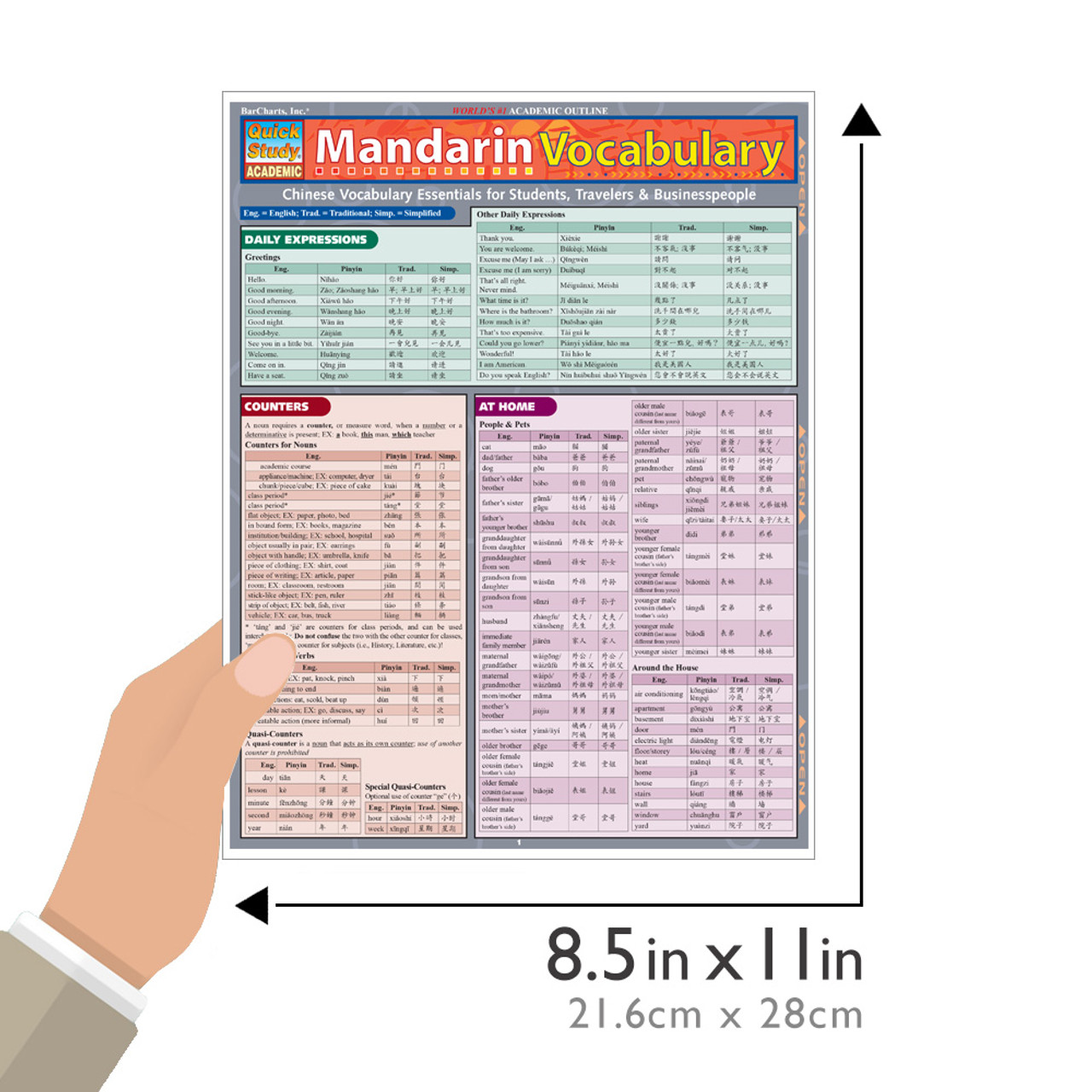
Developing a personalized study plan is essential for efficient and sustained learning of Mandarin vocabulary. An effective plan aligns with individual goals, lifestyle, and learning pace, ensuring consistent progress and motivation. Tailoring your approach not only enhances retention but also makes the learning process more engaging and manageable.
Establishing a structured yet flexible study routine involves setting clear objectives, scheduling daily practice sessions, and monitoring your advancement. Breaking down larger goals into smaller, achievable targets allows for steady improvement and provides a sense of accomplishment. By continuously tracking progress, learners can adjust their strategies, prioritize difficult vocabulary, and stay motivated throughout their language journey.
Procedures for Setting Goals, Routine Establishment, and Progress Tracking
Setting realistic goals is the foundation of a successful study plan. These goals should be specific, measurable, attainable, relevant, and time-bound (SMART). For example, aiming to learn 50 new vocabulary words each week or mastering 200 words within a month creates a clear target to work toward. Incorporating both short-term and long-term objectives helps maintain motivation and provides a roadmap for progress.
Daily practice routines should include a variety of activities such as reviewing flashcards, practicing writing, using vocabulary in sentences, and engaging with multimedia resources. Consistency is key, so establishing a fixed daily schedule—such as 30 minutes in the morning and 15 minutes in the evening—can foster habit formation. Incorporating active recall and spaced repetition techniques enhances memorization and long-term retention.
Progress tracking involves maintaining a record of vocabulary learned and assessing understanding regularly. Using spreadsheets, apps, or dedicated notebooks can facilitate this process. Tracking metrics such as the number of words reviewed, mastered, or used in context provides valuable insights into your learning curve and highlights areas needing additional focus.
Examples of Weekly and Monthly Vocabulary Targets with Suggested Activities
Setting tangible weekly and monthly vocabulary goals creates a structured pathway toward language mastery. These targets should be aligned with your overall learning timeline and adjusted based on progress and difficulty level. The following examples illustrate effective goal-setting strategies:
- Weekly Target: Learn 50 new words, review 150 previously studied words, and incorporate 20 words into sentences or conversations.
- Monthly Target: Expand vocabulary by 200 words, achieve fluency in using 100 of them in context, and complete at least four themed vocabulary exercises (e.g., food, travel, business).
Suggested activities to support these targets include:
- Daily flashcard reviews with spaced repetition.
- Writing short paragraphs or dialogues using new vocabulary.
- Listening to Mandarin podcasts or watching videos and noting down unfamiliar words.
- Engaging in language exchange sessions to practice active use of vocabulary.
- Participating in weekly quizzes to assess retention and comprehension.
Sample Study Schedule
| Time Slot | Activity | Description |
|---|---|---|
| Morning (30 minutes) | Review & Memorization | Use flashcards and spaced repetition apps to review the vocabulary learned the previous day. |
| Afternoon (20 minutes) | Writing Practice | Compose sentences or short stories using newly learned words to reinforce contextual understanding. |
| Evening (15 minutes) | Listening & Speaking | Practice pronunciation and comprehension with audio resources, and try to use new vocabulary in speech during language exchanges or self-talk. |
Consistency in daily practice, SMART goal setting, and regular progress evaluation are fundamental components of a successful vocabulary acquisition strategy. Adjust your study plan based on your evolving needs and achievements to ensure continuous growth in Mandarin proficiency.
Immersive Methods to Reinforce Vocabulary Retention
Learning Mandarin vocabulary extends beyond memorization techniques and study plans; immersing oneself in real-life language environments significantly boosts retention and practical proficiency. Immersive strategies enable learners to contextualize vocabulary, develop intuitive understanding, and internalize words through active engagement. Incorporating diverse immersive activities into your learning routine can accelerate progress and foster confidence in using Mandarin naturally and fluently.Immersive approaches involve engaging with the language in authentic settings, allowing vocabulary to become part of your active linguistic repertoire.
These methods are particularly effective because they simulate real-world communication, helping learners move from passive recognition to active usage. By consistently practicing in contexts that reflect actual conversations, media consumption, and cultural interactions, learners reinforce their vocabulary retention and improve overall language competence.
Immersive Activities with Step-by-Step Guidance
| Activity Type | Description | Required Resources | Suggested Duration |
|---|---|---|---|
| Language Exchanges with Native Speakers | Engage in conversational exchanges with native Mandarin speakers through platforms or in person. This practice enhances vocabulary recall in spontaneous communication, exposing learners to colloquial expressions and pronunciation nuances. | Language exchange platforms (e.g., Tandem, HelloTalk), video conferencing tools, or local language meet-ups | 30 minutes to 1 hour sessions, 2-3 times per week |
| Listening to Mandarin Media | Regularly listen to Mandarin radio, podcasts, TV shows, or movies to familiarize yourself with colloquial language, idioms, and contextual vocabulary. Active listening helps reinforce pronunciation and usage patterns. | Streaming services, Mandarin media apps, subtitles in Mandarin and your native language for reference | At least 30 minutes daily |
| Practicing with Native Speakers | Participate in guided language practice sessions, either through tutoring or informal chats, focusing on vocabulary usage in context. This direct interaction encourages spontaneous recall and correction of mistakes. | Online tutoring platforms (e.g., iTalki, Preply), local language clubs, or community centers | 45 minutes to 1 hour per session, weekly |
Examples of Immersive Activities with Step-by-Step Guidance
- Language Exchange Sessions:
- Register on a language exchange platform such as Tandem or HelloTalk and specify your interest in practicing Mandarin.
- Match with native speakers who are interested in learning your language.
- Schedule regular video or voice call sessions, preparing vocabulary topics beforehand, such as food, travel, or daily routines.
- During sessions, actively practice using new vocabulary in conversations, ask for corrections, and note new words or expressions encountered.
- Review and revise your vocabulary list based on the conversations, integrating new words into your study routine.
- Listening to Mandarin Media:
- Choose Mandarin media content aligned with your interests, such as popular TV dramas, news channels, or podcasts about culture or current events.
- Start with subtitles in your native language, then gradually switch to Mandarin subtitles to improve reading and listening skills.
- Pause periodically to repeat phrases aloud, mimicking pronunciation and intonation, reinforcing vocabulary retention.
- Jot down unfamiliar vocabulary encountered during listening, look up meanings, and incorporate them into your vocabulary list.
- Repeat this process consistently, gradually increasing listening difficulty and exposure time.
- Practicing with Native Speakers:
- Book sessions with qualified Mandarin tutors, focusing on vocabulary in context and using prompts or role-playing scenarios.
- Prepare a list of vocabulary themes or specific words you aim to practice before each session.
- Engage in conversations, asking questions about word usage, pronunciation, and cultural nuances.
- Request feedback and correction from your tutor, noting areas for improvement and new vocabulary to add.
- Consistently review and practice the vocabulary learned during these interactions to reinforce retention.
Common Challenges and How to Overcome Them in Learning Vocabulary Quickly

Mastering Mandarin vocabulary rapidly can be an exciting yet demanding journey. While effective techniques and technological tools significantly aid this process, learners often encounter obstacles that hinder progress. Addressing these challenges proactively is crucial for sustained motivation and efficient learning. Recognizing common issues such as vocabulary overload, lack of motivation, and retention difficulties allows learners to implement targeted strategies, ensuring steady advancement and confidence in vocabulary acquisition.Understanding these challenges enables learners to adopt practical solutions that make the learning process more manageable and rewarding.
By implementing specific techniques tailored to these obstacles, learners can maintain momentum, deepen their understanding, and achieve fluency with greater ease.
Vocabulary Overload
Vocabulary overload occurs when learners attempt to memorize too many new words at once, leading to confusion and reduced retention. This challenge can cause frustration and diminish motivation, especially when learners feel overwhelmed by the volume of material.To address vocabulary overload, it is essential to adopt a structured, step-by-step learning approach. Breaking down the vocabulary into manageable chunks, such as focusing on themed groups (e.g., food, travel, daily activities), helps learners absorb words more effectively.
Incorporating regular review sessions ensures that newly learned words are reinforced over time, preventing cognitive overload. Additionally, using spaced repetition techniques allows learners to revisit vocabulary at optimized intervals, solidifying long-term memory.
Lack of Motivation
A common obstacle in language learning is the waning motivation, often caused by slow progress, monotony, or external distractions. Without sustained enthusiasm, learners may neglect practice routines, leading to stagnation.Maintaining motivation requires setting realistic, achievable goals that provide clear milestones of progress. Celebrating small successes, such as mastering a set of 50 words or successfully using new vocabulary in conversation, reinforces a sense of achievement.
Engaging in enjoyable activities—like watching Mandarin films, listening to music, or practicing with native speakers—adds variety and excitement to learning routines. Connecting vocabulary learning to personal interests or future goals also fosters intrinsic motivation, making the process more meaningful and enjoyable.
Retention Issues
Retention difficulties are prevalent, especially when vocabulary is learned passively without meaningful context. Words may be forgotten quickly if not regularly practiced or used in real-life situations.To enhance retention, active engagement techniques are vital. Incorporating vocabulary into speaking and writing exercises prompts active recall, which strengthens memory. Creating associations through visual imagery, mnemonics, or contextual storytelling makes words more memorable.
Regularly revisiting learned vocabulary through flashcards, language apps, or conversational practice helps reinforce retention over time. Immersive methods, such as language exchanges or multimedia exposure, also provide contextual cues that solidify understanding and recall.
Organized List of Challenges with Solutions
| Challenge | Strategies for Overcoming |
|---|---|
| Vocabulary Overload |
|
| Lack of Motivation |
|
| Retention Issues |
|
Concluding Remarks
In summary, learning Mandarin vocabulary quickly requires a combination of strategic techniques, technological support, consistent practice, and immersive experiences. Implementing these methods can transform your language learning process, making it more engaging and effective. Stay committed, adapt your strategies, and enjoy the rewarding journey toward fluency.