Building confidence in English speaking skills requires consistent and deliberate practice each day. Engaging regularly in spoken exercises not only improves fluency but also fosters a sense of self-assurance that is essential for effective communication. Establishing a daily routine enables learners to progress steadily, overcome psychological barriers, and develop a natural comfort with speaking the language in various contexts.
This guide explores practical methods and strategies to incorporate daily English speaking practices into your routine, from setting up an ideal environment to utilizing technology and tracking progress. By committing to these approaches, learners can achieve greater confidence and fluency in their spoken English skills over time.
Importance of Daily Speaking Practice for Confidence

Engaging in daily speaking practice is a fundamental component in developing fluency and self-assurance in the English language. Consistent verbal communication not only refines pronunciation and vocabulary usage but also nurtures the psychological confidence necessary for effective interaction. When learners dedicate time each day to speaking, they gradually overcome the fear of making mistakes, which is often a significant barrier in language acquisition.
Regular speaking exercises foster a sense of familiarity with the language, enabling learners to think more spontaneously and respond with greater ease. This consistency reinforces neural pathways associated with language processing, leading to faster retrieval of vocabulary and more natural sentence formation. Additionally, establishing a daily speaking habit creates a positive feedback loop where each successful interaction boosts confidence, encouraging further practice and continuous improvement.
Psychological Benefits of Daily Verbal Communication
Daily verbal communication in a language learning context offers profound psychological benefits that contribute to overall confidence. Repeated practice reduces anxiety related to speaking in public or unfamiliar settings, as the learner becomes more comfortable with their voice and language skills. It also enhances self-efficacy, the belief in one’s ability to succeed, which is crucial for sustained motivation and resilience in language learning journeys.
“Consistent practice transforms passive knowledge into active fluency, empowering learners to communicate confidently in diverse situations.”
Furthermore, daily speaking routines help in overcoming linguistic self-doubt, fostering a growth mindset where errors are viewed as essential steps toward mastery. This positive outlook encourages learners to participate more actively in conversations and real-life interactions, ultimately leading to greater linguistic and personal confidence.
Statistics and Studies Supporting Daily Practice
Research indicates that learners who dedicate at least 15-30 minutes daily to speaking practice show significantly faster progress compared to those who practice irregularly. A study conducted by the British Council revealed that intermediate learners who engaged in daily speaking exercises improved their fluency scores by an average of 25% within three months. Similarly, a survey published in the Journal of Language Learning demonstrated that consistent daily practice contributes to better retention of vocabulary and grammatical structures, reducing the time needed to reach conversational proficiency.
In real-life scenarios, language learners who adopt a daily speaking routine report higher levels of confidence in social and professional settings. For example, non-native English speakers who practiced speaking every day found it easier to participate in meetings, deliver presentations, and engage in casual conversations, highlighting the tangible benefits of regular verbal practice in building confidence and language mastery.
Effective Methods for Practicing Speaking English Daily

Consistent daily practice is essential for building confidence and fluency in English speaking. Employing varied and targeted techniques can significantly enhance your ability to communicate effectively. Incorporating diverse methods ensures that practice remains engaging, progressive, and aligned with individual learning styles.
By adopting effective daily speaking strategies, learners can steadily overcome hesitation, expand vocabulary, and improve pronunciation. These methods, when integrated into a structured routine, transform language learning from a daunting task into an enjoyable and rewarding habit.
Step-by-Step Routine for Daily Speaking Exercises
Establishing a routine helps to create consistency and measurable progress. A well-structured daily practice schedule should include a variety of speaking activities that target different aspects of language proficiency. Here is a recommended step-by-step routine:
- Warm-up and Vocabulary Review (5-10 minutes): Begin with quick vocabulary drills or pronunciation warm-ups to loosen your speech muscles and refresh your memory of new words.
- Self-talk Practice (10-15 minutes): Engage in speaking aloud about your daily activities, opinions, or random topics. This enhances fluency and helps internalize vocabulary.
- Shadowing Technique (15 minutes): Listen to native speakers in videos or audio recordings, then imitate their speech, focusing on pronunciation, intonation, and rhythm.
- Language Exchange or Conversation Practice (20-30 minutes): Interact with a language partner, tutor, or participate in group conversations to apply skills in real-time exchanges.
- Reflection and Recording (5-10 minutes): Record your speech, listen critically, and identify areas for improvement. Keep a journal of progress and set goals for the next session.
This routine fosters consistency, covers a broad spectrum of speaking skills, and encourages active engagement with the language daily.
Practice Techniques for Daily English Speaking
Incorporating a variety of practice techniques can make your daily practice more effective and enjoyable. Here are some proven methods:
- Shadowing: This technique involves listening to a native speaker’s recording and immediately repeating what is heard, matching the speaker’s pronunciation, intonation, and pace. It improves listening comprehension, pronunciation, and fluency.
- Self-talk: Speaking aloud to yourself about daily routines, opinions, or imagined scenarios enhances spontaneous speech and helps reduce anxiety when speaking in real situations. It’s an accessible way to practice anytime and anywhere.
- Language Exchange: Partnering with native speakers or other learners via online platforms or local meetups provides authentic conversational practice. This method exposes learners to natural speech patterns and colloquial expressions.
- Role-playing and Simulation: Practice real-life scenarios such as ordering food, asking for directions, or interviewing. These activities build confidence and prepare learners for practical conversations.
- Speech Shadowing Apps and Tools: Utilize language learning apps that incorporate shadowing exercises, allowing users to practice speaking along with audio prompts efficiently.
Example Daily Schedule with Activities, Duration, and Resources
| Activity | Duration | Resources |
|---|---|---|
| Warm-up and Vocabulary Review | 5-10 minutes | Vocabulary flashcards, pronunciation apps (e.g., Forvo), online dictionaries |
| Self-talk Practice | 10-15 minutes | Mirror, voice recording app, personal journal or notes |
| Shadowing Exercise | 15 minutes | Audio recordings of native speakers, language learning apps (e.g., FluentU, Speechling) |
| Language Exchange Conversation | 20-30 minutes | Online platforms (Tandem, HelloTalk), local language meetups, tutors via italki or Preply |
| Reflection and Recording | 5-10 minutes | Voice recorder, speech analysis apps, language journal |
Adopting this structured approach ensures comprehensive daily practice that addresses pronunciation, fluency, vocabulary, and real-life conversational skills, paving the way toward greater confidence in speaking English.
Overcoming Common Obstacles in Daily Speaking Practice
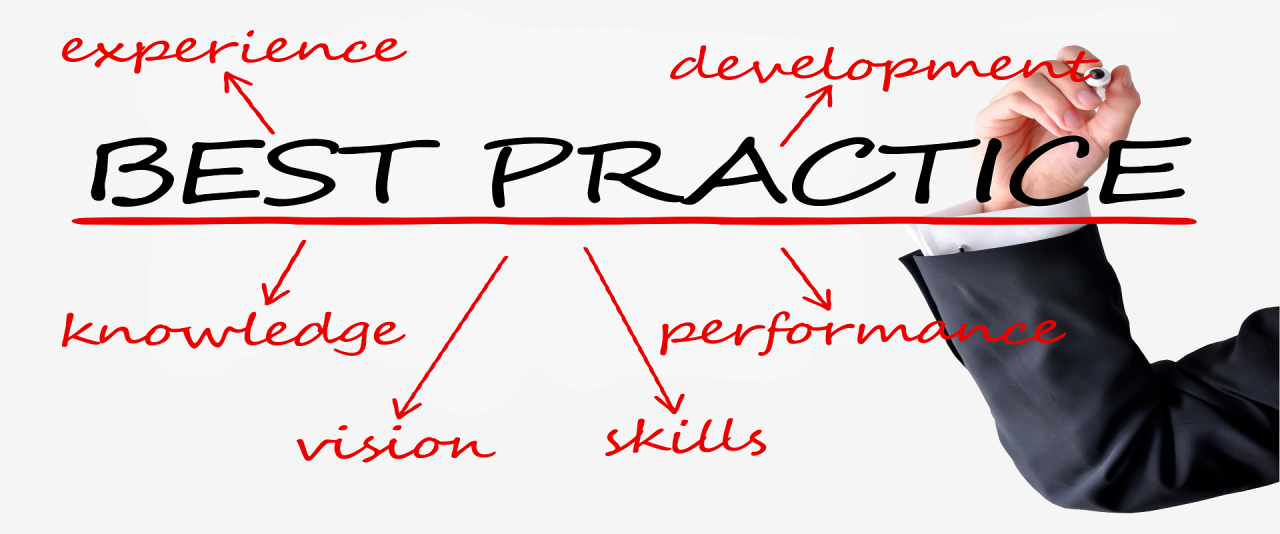
Engaging consistently in speaking practice is essential for building confidence in English. However, many learners encounter obstacles that can hinder their progress. Recognizing these challenges and implementing effective strategies can significantly improve the consistency and quality of your daily practice. Addressing issues such as fear of making mistakes or not having enough conversation partners is crucial for sustaining motivation and progressing steadily.Understanding common barriers allows learners to develop tailored solutions that foster a positive learning environment.
Overcoming these hurdles can transform speaking from a daunting task into an enjoyable and rewarding experience. By adopting practical approaches to navigate these challenges, learners can create a sustainable routine that enhances both confidence and language proficiency.
Identifying and Managing Common Challenges
Many learners face similar hurdles when practicing speaking English daily. These challenges often include fear of making mistakes, feeling self-conscious, or lacking access to conversation partners. Recognizing these barriers is the first step toward developing strategies that make daily practice more manageable and enjoyable.Fear of mistakes often stems from a desire for perfection, leading to hesitation or avoidance. This anxiety can be alleviated by understanding that errors are a natural part of language learning and serve as opportunities for growth.
Additionally, feelings of self-consciousness may persist when practicing alone or in environments where learners fear judgment. Lack of partners can also limit opportunities for real-time conversation, making it difficult to simulate authentic interactions.Strategies to address these obstacles include creating a supportive self-practice environment, setting realistic and incremental goals, and seeking alternative methods to simulate real conversations. Building confidence involves recognizing progress, celebrating small achievements, and maintaining a positive mindset that views mistakes as learning opportunities.
Strategies to Build Confidence and Motivation
Maintaining motivation and confidence is vital for sustained daily speaking practice. The following approaches help learners develop resilience against common obstacles:
- Set achievable goals: Break down speaking practice into small, manageable tasks such as daily five-minute conversations or recording short speech segments. This prevents overwhelm and fosters a sense of accomplishment.
- Use positive reinforcement: Reward yourself for consistent effort, whether through self-acknowledgment, tracking progress, or treating yourself after reaching milestones.
- Create a supportive environment: Practice in a comfortable, private space where errors are viewed as part of the learning process. Use affirmations to reinforce your commitment and progress.
- Leverage technology: Use language learning apps that offer speech exercises, voice recognition, and immediate feedback to boost confidence without the pressure of a live audience.
- Join virtual or local speaking groups: Engage with communities or platforms dedicated to language practice, which provide encouragement and accountability.
Simulating Real-Life Conversations Independently
Practicing independently to mimic real-life conversations enhances fluency and prepares learners for actual interactions. This approach allows learners to gain confidence in their speaking abilities and develop natural response patterns.To simulate authentic conversations, learners can employ several effective techniques:
- Use role-play scenarios: Create dialogues based on everyday situations such as ordering food, making travel arrangements, or interviewing for a job. Practice these dialogues aloud, imagining the context and responses.
- Record and analyze your speech: Recording oneself enables self-evaluation of pronunciation, intonation, and fluency. Listening to recordings helps identify areas of improvement and track progress over time.
- Practice with prompts and questions: Use prompts related to daily life, current events, or personal interests. Answer these prompts aloud as if engaging in a conversation, focusing on clarity and natural flow.
- Visualize real situations: Imagine yourself in scenarios like at a grocery store or in a meeting. Practice responding to potential questions or statements, thereby preparing for actual encounters.
- Utilize virtual reality or language apps: Engage with AI-based platforms that simulate conversational exchanges, providing a safe environment for practicing spontaneous speech.
Implementing these strategies reduces the intimidation often associated with speaking practice and empowers learners to become confident communicators. Consistent effort, combined with tailored techniques to overcome obstacles, will significantly accelerate language acquisition and foster a positive, self-assured speaking habit.
Using Technology and Resources to Boost Daily Speaking
Incorporating modern technology and digital resources into your daily English speaking practice can significantly enhance your confidence and proficiency. These tools provide interactive, convenient, and personalized ways to practice speaking, making it easier to integrate into your daily routine. Leveraging the right technology allows learners to receive immediate feedback, simulate real-life conversations, and track their progress effectively.
Effective utilization of these resources involves selecting suitable apps and platforms, establishing consistent practice schedules, and actively engaging with various features to maximize learning outcomes. This approach transforms traditional practice methods into dynamic, engaging, and efficient activities that cater to diverse learning styles and goals.
Tools such as Speech Recognition Apps, Language Learning Software, and Virtual Tutors
Modern language learners can access a variety of technological tools designed to improve speaking skills through interactive and immersive experiences. Speech recognition apps analyze your pronunciation and fluency, providing instant feedback to help refine your speech. Language learning software offers structured lessons that include speaking exercises, vocabulary building, and pronunciation practice tailored to different proficiency levels. Virtual tutors, often available via video conferencing platforms, simulate one-on-one conversation scenarios, offering personalized guidance and corrections in real-time.
Utilizing these tools consistently can dramatically improve your speaking confidence. For example, practicing with speech recognition apps like Duolingo or Rosetta Stone helps develop pronunciation and intonation, while platforms like italki or Preply connect learners with native speakers and professional tutors for targeted practice sessions. Incorporating daily use of these resources fosters regular speaking habits, helping you overcome anxiety and build fluency over time.
Comparison of Popular Platforms
| Platform | Features |
|---|---|
| Duolingo |
|
| italki |
|
| Rosetta Stone |
|
| Pimsleur |
|
Effective Strategies for Utilizing Technology Resources
To maximize the benefits of technological tools, learners should establish a structured routine that incorporates daily practice sessions. Setting specific goals, such as practicing pronunciation for 15 minutes with speech recognition apps or scheduling a 30-minute session with a virtual tutor, helps maintain consistency and motivation. It is also beneficial to diversify activities by combining different platforms — for example, using Duolingo in the morning for vocabulary drills, followed by a conversational session on italki in the evening.
Active engagement involves not just passive listening or repeating phrases but also recording oneself, analyzing progress over time, and seeking feedback from native speakers or tutors. Utilizing these resources in a disciplined manner ensures continuous improvement, increased speaking confidence, and the development of more natural and fluent speech patterns.
Tracking Progress and Staying Motivated

Maintaining motivation and accurately tracking progress are vital components of developing confidence in English speaking. Consistent recording and assessment enable learners to recognize their improvements, identify areas needing further attention, and sustain enthusiasm over time. This ongoing process transforms speaking practice from a routine task into a rewarding journey of personal growth and linguistic mastery.Effective tracking involves systematic documentation of daily speaking activities, which helps learners visualize their development and stay committed to their goals.
By establishing clear benchmarks and celebrating milestones, learners remain motivated and focused on continuous improvement. Incorporating self-assessment methods not only fosters awareness of one’s strengths and weaknesses but also encourages a proactive approach to overcoming challenges and refining skills.
Methods to Record Daily Speaking Sessions and Monitor Improvements
Recording daily speaking sessions provides tangible evidence of progress and helps in reviewing pronunciation, fluency, and confidence levels. Learners can utilize various tools such as voice recording apps, digital journals, or dedicated language learning platforms that allow easy recording and playback. Regularly listening to these recordings enables learners to identify recurring errors, monitor pronunciation accuracy, and observe improvements in fluency over time.Maintaining a speaking journal can be particularly effective.
Learners can record their thoughts on daily topics, reflect on their comfort level, and note specific areas of difficulty. Setting aside a few minutes each day to review these recordings fosters self-awareness and provides concrete data for self-assessment.
Self-Assessment Checklists for Confidence, Fluency, and Pronunciation
Organizing self-assessment checklists helps learners systematically evaluate their speaking abilities across key parameters. These checklists can be tailored to individual goals and revisited periodically to track progress. Using a structured table simplifies comparison and highlights specific aspects needing improvement.Here’s an example of a comprehensive self-assessment checklist:
| Criteria | Excellent | Good | Fair | Needs Improvement |
|---|---|---|---|---|
| Confidence | Speaks comfortably without hesitation; maintains eye contact and positive body language | Speaks with minor hesitations; shows some nervousness but remains engaged | Frequently hesitant or shy, struggles to express ideas clearly | Lacks confidence; avoids speaking or freezes often |
| Fluency | Speaks smoothly with natural pauses; maintains flow throughout | Minor pauses; occasionally searches for words but overall fluent | Frequent pauses or hesitations; speech feels disjointed | Very hesitant; unable to speak in full sentences confidently |
| Pronunciation | Pronounces words clearly; accent does not hinder understanding | Minor mispronunciations; generally understandable | Some mispronunciations that occasionally hinder understanding | Pronunciation errors significantly affect clarity |
Regular use of this checklist helps learners track specific skill areas, set targeted goals, and recognize progress objectively.
“Celebrating milestones, no matter how small, reinforces positive habits and sustains motivation.”
Setting achievable goals, such as mastering a set number of new vocabulary words weekly or successfully holding a five-minute conversation, fosters a sense of accomplishment. Celebrating these milestones—whether by rewarding oneself with a small treat, sharing success with friends, or reflecting on personal growth—further enhances motivation. By continuously monitoring progress and acknowledging improvements, learners build confidence steadily, transforming their language journey into an empowering experience.
Final Wrap-Up

In conclusion, consistent daily practice is the key to mastering spoken English and gaining confidence. By adopting effective techniques, creating supportive environments, leveraging technological resources, and monitoring your progress, you can transform your speaking abilities. Embrace these strategies and stay motivated to enjoy continuous improvement on your language learning journey.